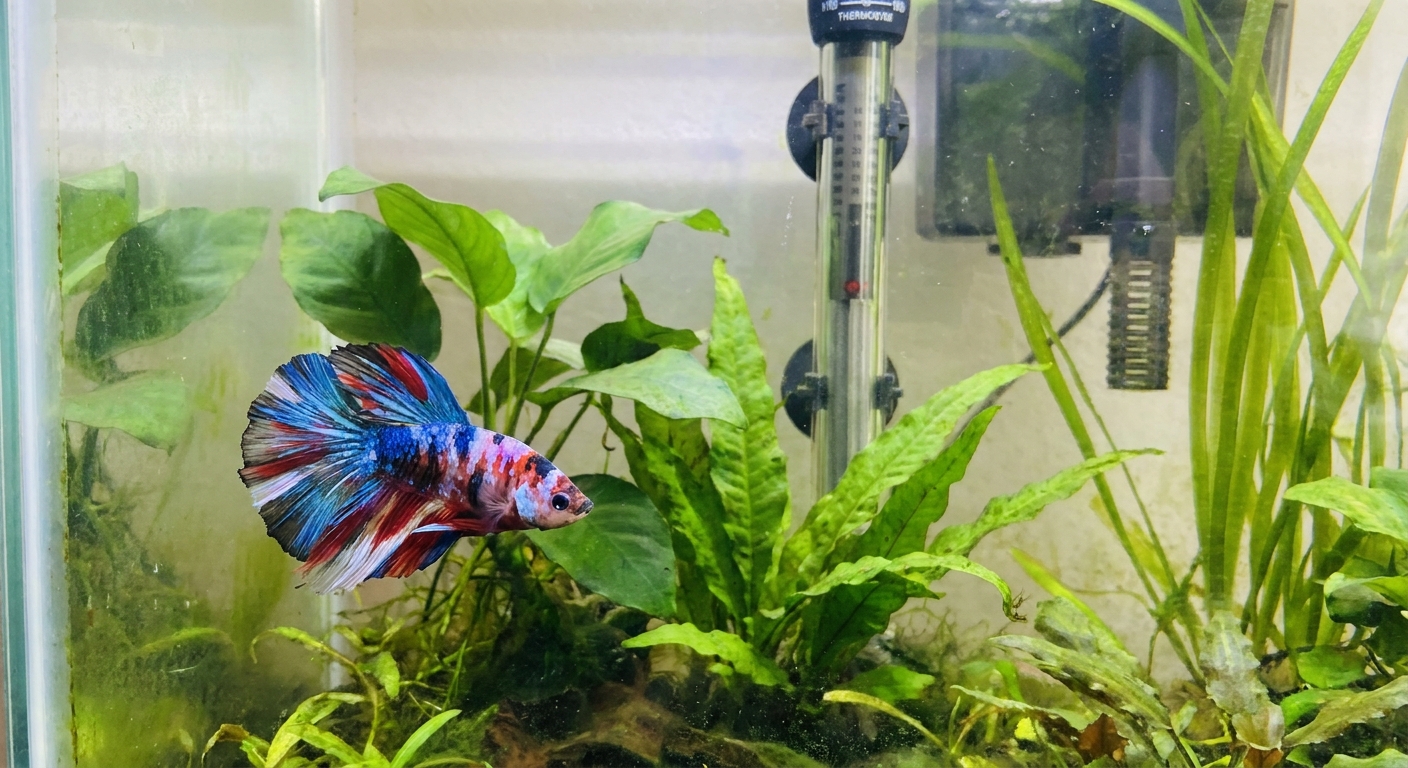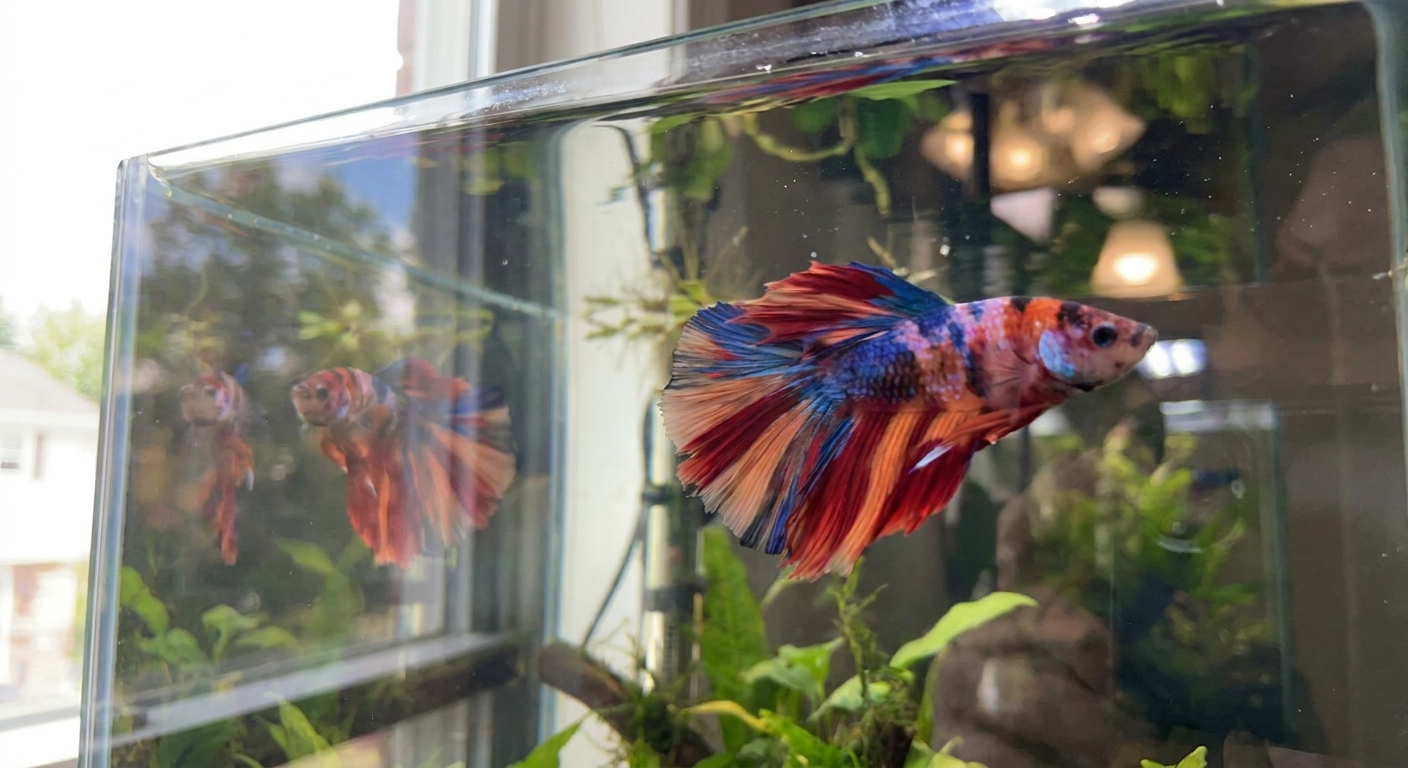

Let’s make your tank the happiest little splash in the house! A “happy betta” is usually a betta who feels safe, comfortable, and curious. The best clues are everyday behaviors you can spot in a minute or two, especially at feeding time and when you walk up to the glass.
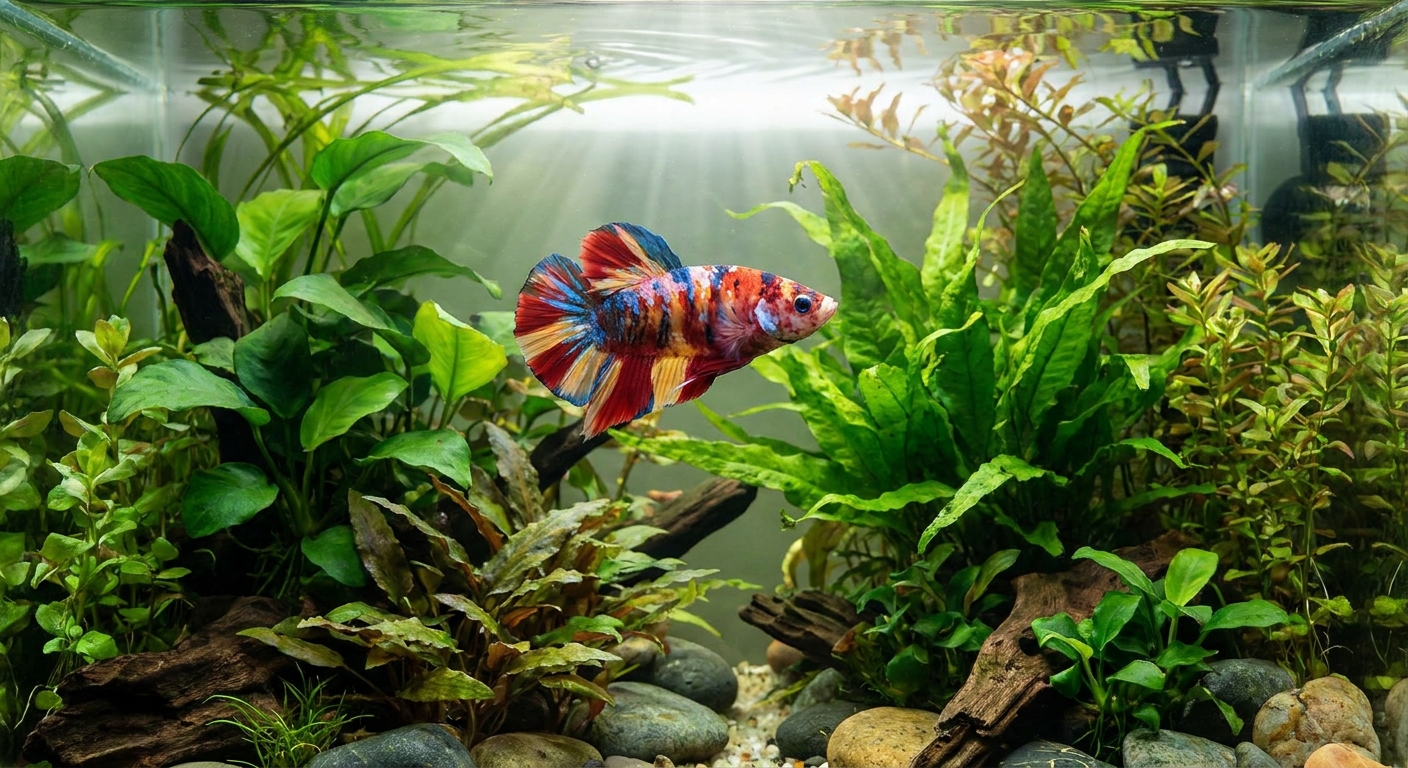
Below are 6 positive behavioral signs that often show up when a betta is thriving, plus what each sign can mean and how to support it.
First, what “happy” looks like in a betta
Bettas are smart little predators with big personalities. When life is good, you will usually see a mix of:
- Purposeful movement (not frantic pacing)
- Curiosity (checking things out, then moving on)
- Healthy appetite (eager, not frantic)
- Relaxed downtime (resting without looking distressed)
One quick reminder from me: behavior is a great window into wellness, but it is not the whole picture. Even a “normal-acting” betta can get stressed if water quality slips, so regular testing and a steady routine still matter.
If you are also seeing stress behaviors like constant hiding, glass surfing, clamped fins, or frequent pale coloration, take a look at 7 Signs of Stress in Betta Fish (and how to fix their environment) for a quick environment check.
1) Active foraging and “hunting” the tank
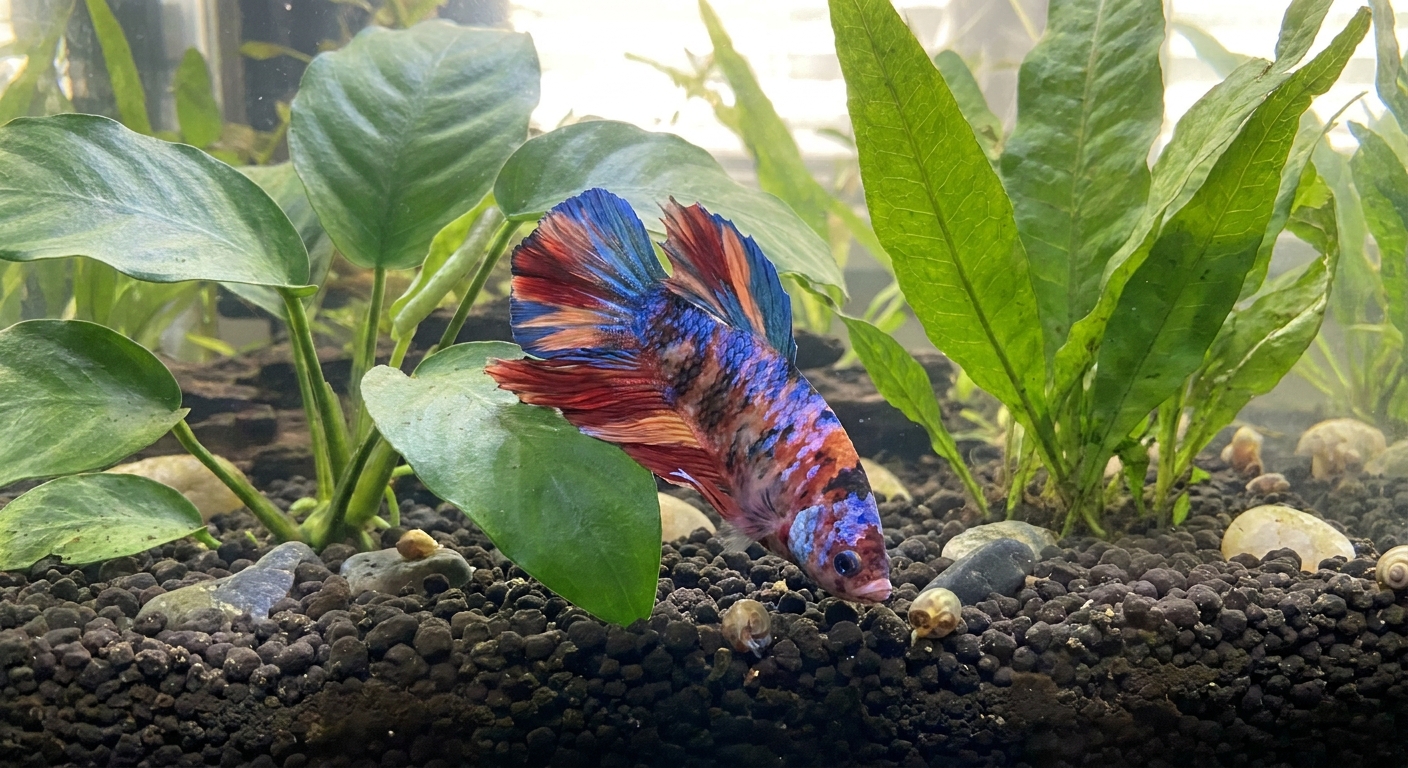
A relaxed betta often spends part of the day doing little patrol loops, inspecting leaves, and pecking at tiny bits on decor. Often that is foraging, not just “begging,” especially if your betta is on a normal feeding schedule and keeping a healthy body condition.
What you might see
- Slow, deliberate swimming from plant to plant
- Short pauses to look closely at the substrate or leaves
- Gentle pecks at biofilm or tiny critters in the tank
When to pause and reassess
- Foraging that turns into constant frantic searching, plus weight loss or aggression at feeding time
- A betta that seems ravenous all day long even with appropriate meals
How to encourage more of it
- Add betta-friendly cover and routes using enrichment decor and hiding spots.
- Offer variety at meals. Frozen and live foods are especially enriching. See best frozen and live foods for betta color and vitality.
- Scatter a few pellets one at a time across different areas so your betta “searches” a bit instead of eating everything in one gulp.
2) Responsive swimming when you approach
Many relaxed and confident bettas learn the household routine fast. If your betta notices you and swims over with interest, that is often a sign they feel secure and engaged with their environment.
Happy response vs stressed pacing
- Happy response: Comes over, follows you briefly (often for a few seconds to a minute), then resumes exploring or rests.
- Stressed pacing: Repeated back-and-forth along the same pane for minutes at a time, especially with flared gills or frantic turns.
If the behavior looks more like constant pacing, check glass surfing in betta fish for causes and fixes.
And yes, many bettas can learn to associate you with good things. If you are curious about recognition, visit Do betta fish recognize their owners?
3) Confident exploration of open areas
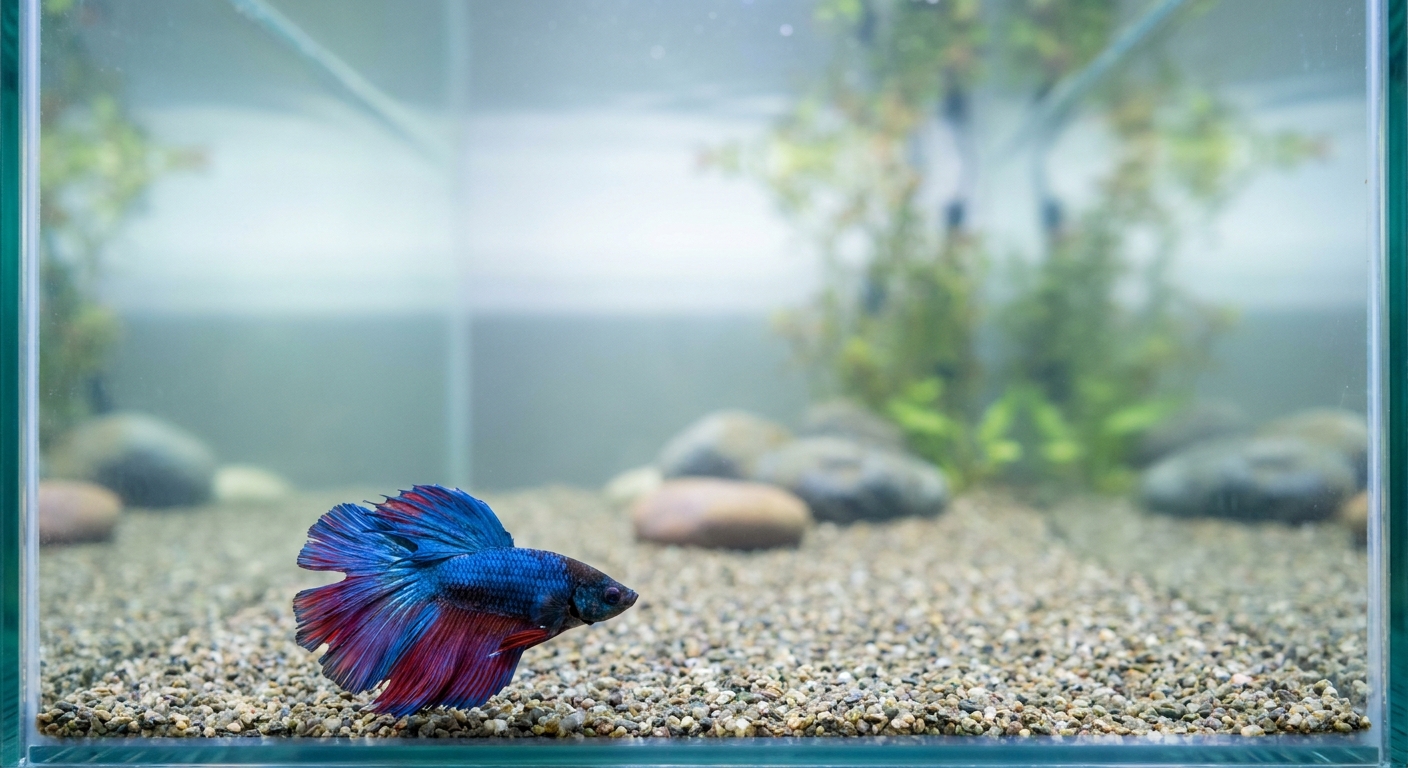
Bettas love cover, but a thriving betta will usually feel comfortable leaving cover too. Confident exploration often looks like your fish using the whole tank, including the front glass and midwater, without darting or panicking.
What supports confident exploration
- Stable warm water and gentle flow. Most bettas do best in the upper 70s°F. If you need a quick check, see betta tank temperature and heater placement and choosing the right filter for a betta tank.
- Lighting that is not harsh and a predictable day-night cycle. More details here: betta fish lighting requirements.
- Enough space to cruise. Bigger is often easier to keep stable. If you are choosing a tank size, compare 5 gallon vs 10 gallon tanks for bettas.
4) Healthy appetite with calm, eager feeding
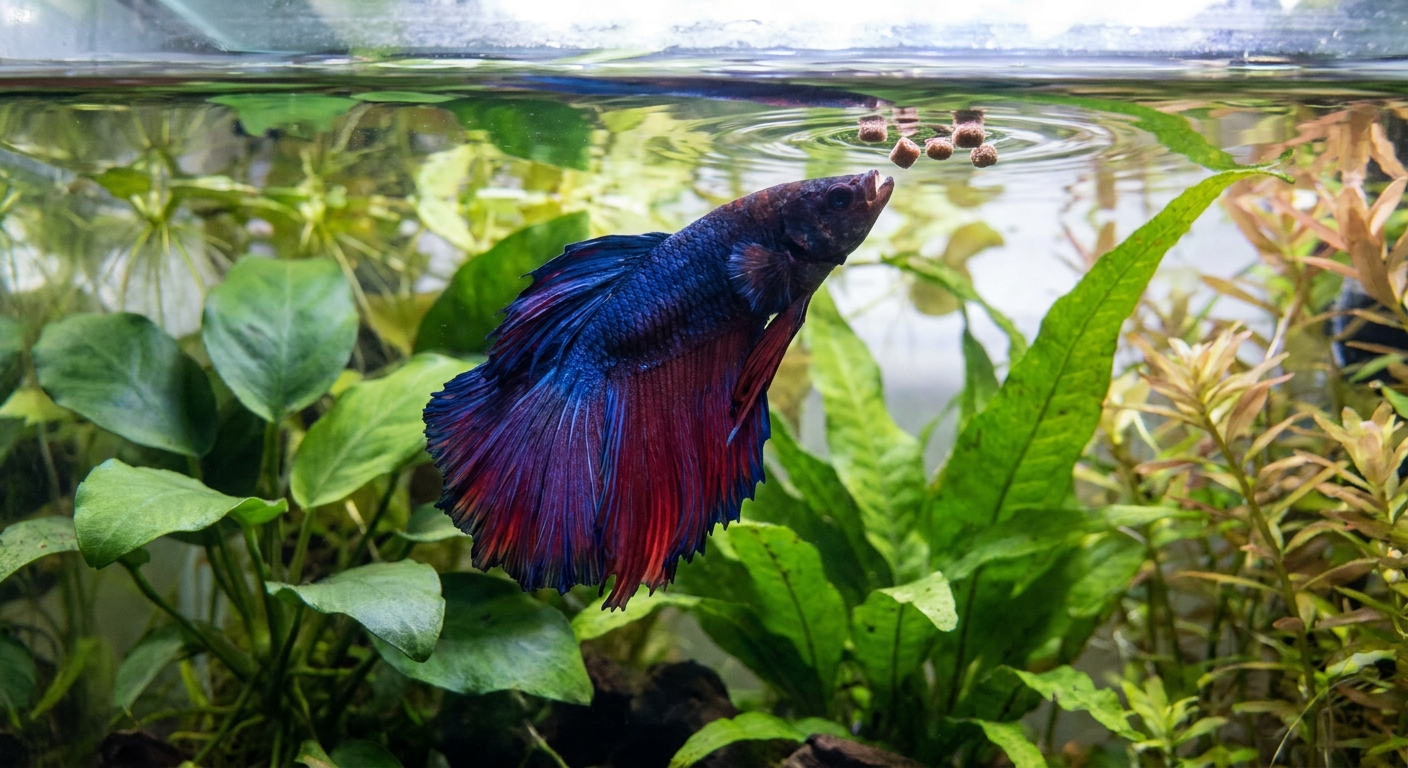
A happy betta is usually excited about food, but not frantic. They will come up readily, track the food, and eat with confidence. Appetite can dip for many reasons, but when everything is comfortable, feeding time is often your easiest daily “wellness check.”
Signs feeding is going well
- Approaches food quickly and strikes accurately
- Chews or works pellets a moment rather than spitting repeatedly
- Stops when done, then returns to normal behavior
Signs the “eagerness” may be stress or hunger
- Frantic surface gulping or splashing at the glass at every pass
- Aggressive glass surfing right before and after meals
- Noticeable weight loss or a pinched-looking belly despite feeding
Keep happiness high at mealtime
- Feed the right amount. Use how much and how often to feed a betta fish as your baseline.
- Avoid chronic overfeeding, which can lead to bloating and discomfort. See signs you are overfeeding your betta.
- If your betta is suddenly refusing food, work through common causes of a betta not eating.
5) Relaxed resting and normal sleep routines
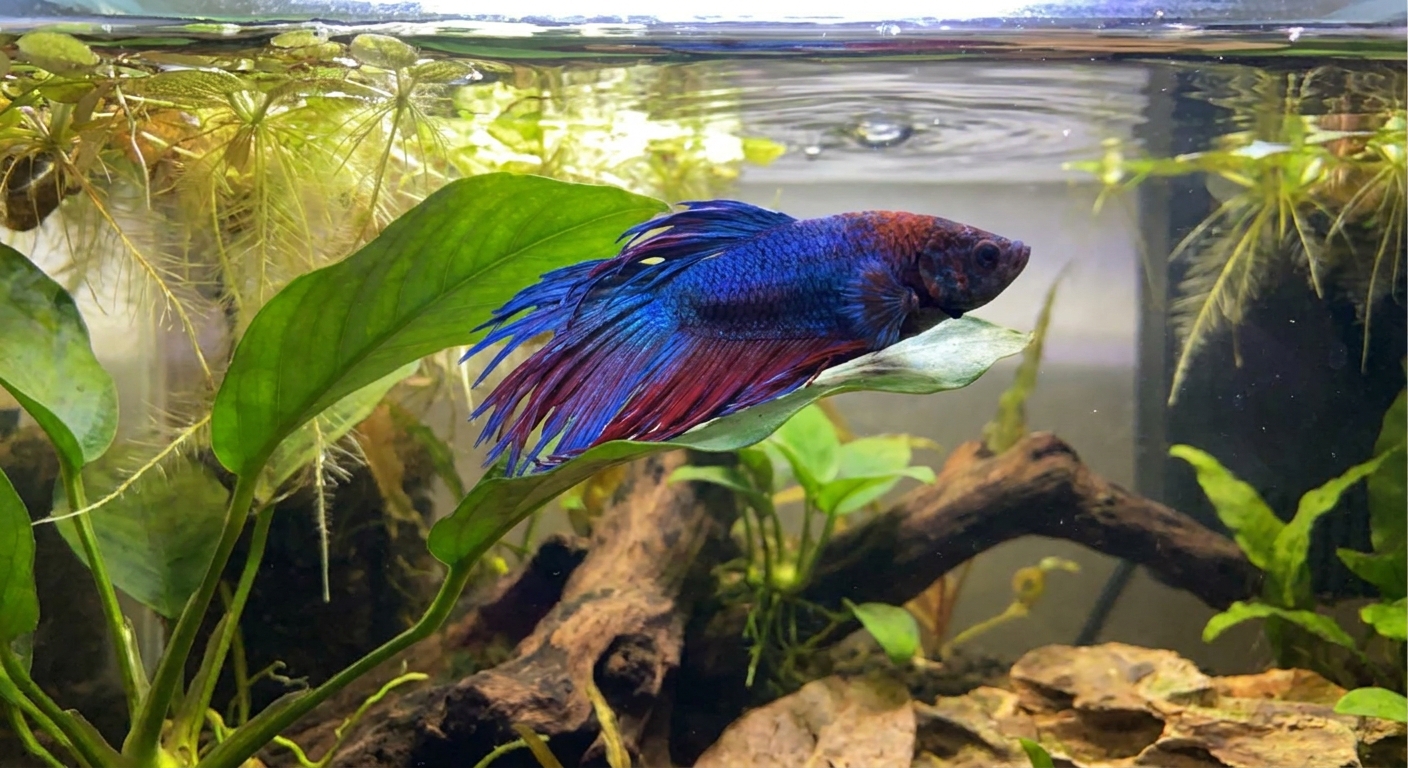
Happy bettas rest. They are not supposed to be “on” all day. A comfortable betta will pick favorite nap spots like a broad leaf, a flat rock, a cave entrance, or the calmer side of the tank and just hover or perch.
What relaxed rest looks like
- Perching on decor or plants without tipping over
- Slow fin movement, steady breathing
- Settling into a predictable evening routine
If you are not sure what is normal, this guide helps: how betta fish sleep.
6) Fins held open and comfortable body language
While fin shape varies by type, content bettas often carry their fins in a relaxed, open way when cruising and exploring. You may also notice smooth, controlled turns rather than jittery darting.
Positive body language cues
- Fins generally held open during normal swimming (not tightly clamped)
- Curious pauses to look at things
- Occasional brief flares that end quickly
Flaring can be normal in small bursts. It is part of how bettas communicate and “show off.” If you want to tell normal from too-much, visit betta fish flaring explained.
Quick checklist: happy betta vs stressed betta
If you only have 30 seconds, use this mini check.
- Happy: explores, forages, responds to you, eats well, rests calmly, uses different tank zones
- Possibly stressed: constant glass surfing, hiding all day, clamped fins, rapid breathing at the surface, refusing food, frequent frantic darting
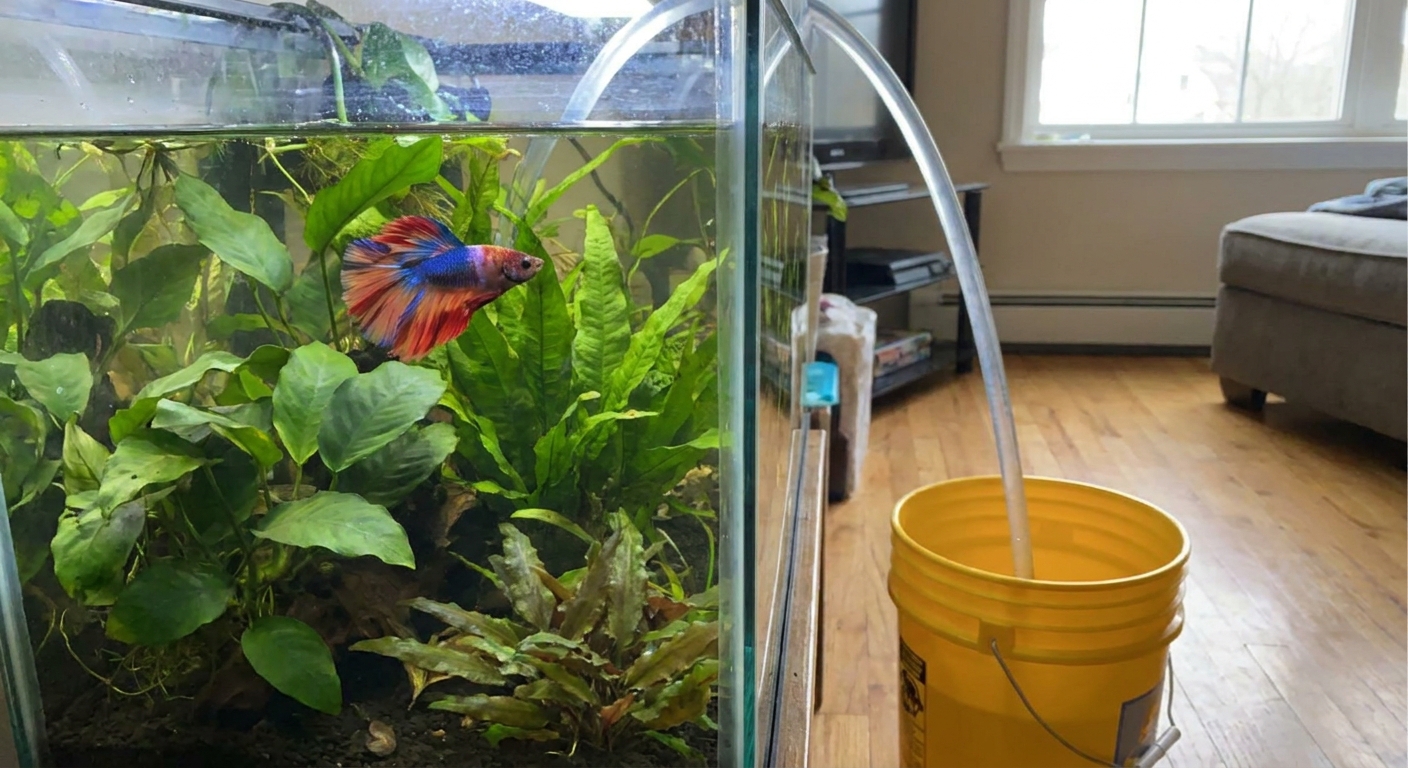
When behavior changes suddenly, check the basics first: temperature, ammonia and nitrite, and recent changes (new decor, strong light, loud vibrations, new tank mates, missed water changes). A steady routine goes a long way. If you need one, here is a solid baseline: betta tank cleaning routine and water change schedule.
When to treat it as urgent
- Persistent surface gasping or very rapid breathing
- Sudden severe lethargy (lying on the bottom and not responding)
- New buoyancy problems (rolling, floating uncontrollably)
- Sudden bloating with raised scales
- Fast-developing sores, fuzzy patches, or a sudden “dusty” look
If you are seeing any of the above, it is worth checking for common illnesses right away, including dropsy, ich, velvet, fin rot, and popeye.
How to encourage a happier betta today
- Add cover and resting spots: plants, caves, and safe decor reduce “always on guard” stress. Start with these enrichment ideas.
- Keep flow gentle: too much current can turn swimming into constant work. Use filter guidance to calm things down.
- Dial in warmth: stable, appropriate heat helps your betta stay comfortable and digest food well. See heater placement tips.
- Make feeding interesting: rotate quality pellets with frozen or live treats. Try the options in this food list.
- Give a predictable light schedule: bright all day and all night can be exhausting. Use betta lighting basics.
FAQ
Do bubble nests mean my betta is happy?
Bubble nests can be a positive sign, but they are not a perfect happiness meter. Some bettas build them often, some rarely. Think of it as one clue, not a guarantee. Here is the full scoop: betta bubble nests and what they mean.
My betta flares at me. Is that bad?
Brief flaring can be normal excitement or a response to reflections. If it is constant, it can become stressful. Reduce reflections (adjust lighting, add plants, darken the background) and read betta fish flaring explained for what is normal and what to fix.
How long does it take for a betta to seem happy in a new tank?
Some bettas settle in within a few days, while others take a few weeks, especially if they came from cold water, strong currents, or a stressful setup. Stable water parameters and a properly cycled tank matter most. If the tank is new, make sure cycling is handled correctly: how to cycle a new betta fish tank.
A gentle reminder from Bloop
Happiness is usually a pattern, not a single moment. When you see several of these signs together, especially confident exploration, relaxed rest, and curious foraging, you are doing something wonderfully right. Keep the water steady, keep the environment interesting, and your betta will keep showing you those bright, confident “I feel good here” behaviors.