Let’s make your tank the happiest little splash in the house, even when something scary like popeye shows up. “Popeye” is the common name for an eye that looks swollen, bulging, or pushed outward. It is not one single disease. It is a symptom, and the safest treatment plan depends on why the eye is swelling in the first place.
This guide will help you spot the difference between unilateral and bilateral popeye, track down the likely root cause, and choose a careful, betta-friendly treatment path.
What popeye is
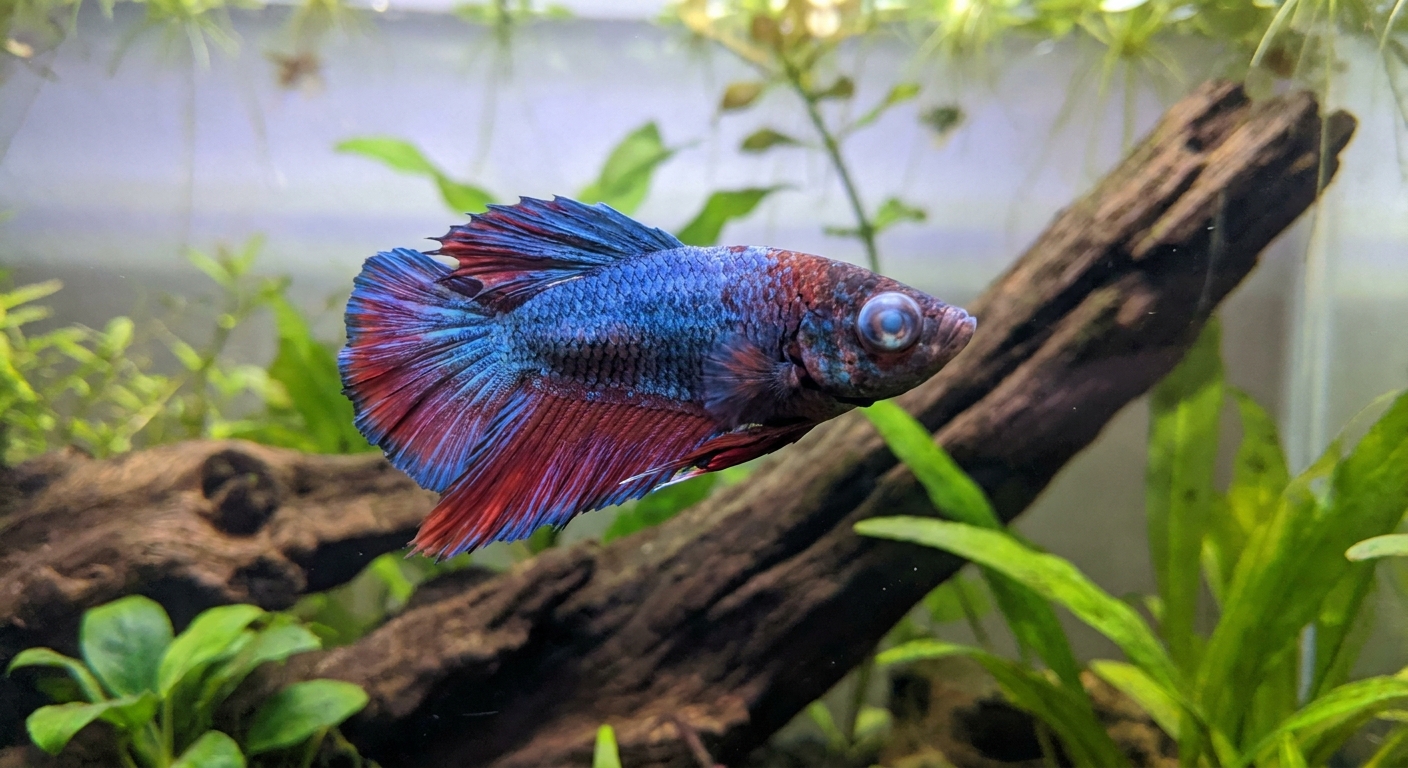
Popeye happens when fluid builds up behind the eye or when tissues around the eye become inflamed. In bettas, it often looks like:
- One or both eyes protruding more than normal
- A cloudy eye surface or whitish film
- Redness around the eye
- Eye looks “bigger” rather than just cloudy
- Sometimes: lethargy, clamped fins, reduced appetite
Because popeye is a symptom, treatment is a mix of supportive care (water quality and stress reduction) and targeted medication when infection is likely.
One eye vs both
Unilateral popeye (one eye)
If only one eye is affected, the most common causes are:
- Injury or trauma (bumping decor, rough tank mates, net damage)
- Localized infection that started at an injury site
- Foreign body or irritation (rare, but possible)
Unilateral popeye is often more straightforward and has a better outlook, especially when caught early and paired with excellent water quality.
Bilateral popeye (both eyes)
If both eyes swell, it is more likely to be a systemic problem, such as:
- Persistent poor water quality leading to bacterial infection
- Internal infection that has spread beyond a single injury
- Organ issues or fluid imbalance (less common, but possible)
Bilateral popeye is your sign to widen the investigation and act quickly.
Popeye look-alikes
Before you treat, take a second look. Not every eye issue is true popeye.
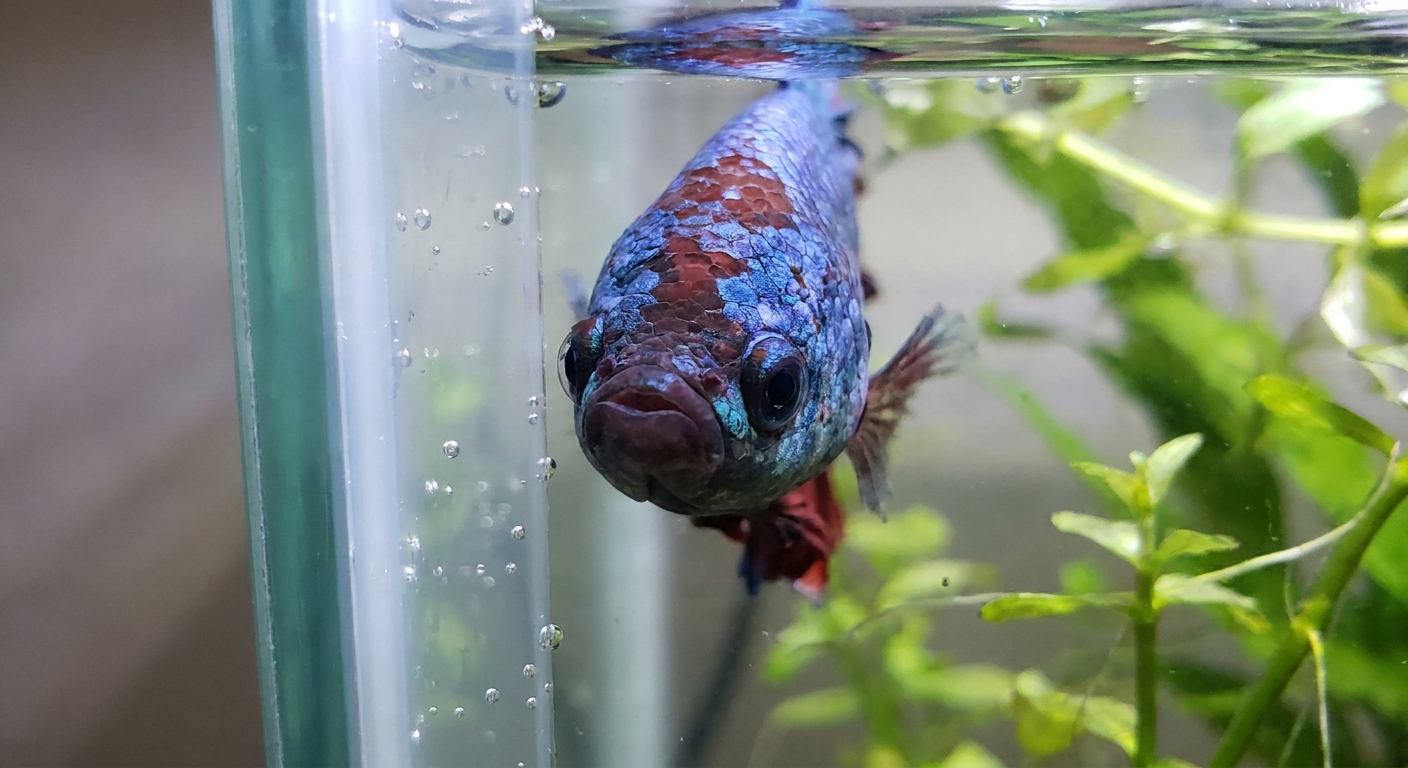
- Cloudy eye without bulging: often irritation, minor injury, or water quality stress. Start with clean water and observation, and escalate only if it worsens or spreads.
- Cataract-like cloudiness: a whitish lens can be age-related or injury-related and may not respond to antibiotics.
- “Diamond eye” (scale overgrowth): in some bettas, a scale can grow over the eye, creating a shiny or plated look rather than swelling.
- Normal asymmetry: some bettas have slightly uneven eyes. Popeye usually looks like a noticeable change from your fish’s baseline, often paired with inflammation or haze.
Common causes
1) Water quality problems
Ammonia and nitrite are irritating and damaging, and chronic nitrate stress weakens the immune system. Dirty substrate, overfeeding, and skipped water changes can set the stage for infections that present as popeye.
If you want a steady routine that prevents these flare-ups, keep a consistent cleaning plan like the one in Betta tank cleaning routine and water change schedule.
2) Physical injury
Scrapes and bumps can happen from:
- Sharp plastic plants or rough decor
- Small holes or jagged edges in caves
- Aggressive tank mates or nipping
- Fast suction or strong filter flow pushing the fish around
Swap sharp items for betta-safe options. Soft decor ideas live in essential tank decorations for hiding spots and enrichment and plant guidance in live vs silk plants for bettas.
3) Bacterial infection
Many cases of popeye involve bacteria taking advantage of stress, injury, or poor water. In these cases, popeye may appear alongside other issues like frayed fins, redness, or sores. If fin damage is also present, skim fin rot in betta fish: identify and treat it since the same root causes often apply.
4) Parasites or fungal issues
These are not the classic popeye cause, but they can contribute to eye irritation or secondary infection. If you also see white spots or “salt grains,” check ich signs, treatment, and tank cleanup.
5) Chronic stress
Stress does not cause popeye directly, but it lowers defenses so small problems become big ones. If your betta is glass surfing, hiding constantly, or clamping fins, visit signs of stress in betta fish and how to fix their environment.
6) Gas supersaturation (rare)
This is uncommon in home betta tanks, but gas supersaturation and “gas bubble” problems can contribute to odd swelling and eye issues. It is more likely when equipment causes microbubbles or when water is added under conditions that trap excess gas. If your tank suddenly looks full of tiny bubbles that stick to glass and decor, treat it as a serious environment issue and prioritize stable, well-aerated, conditioned water.
Same-day steps
Before reaching for meds, set your betta up for recovery with the basics. This alone can resolve mild unilateral cases caused by irritation or a small injury.
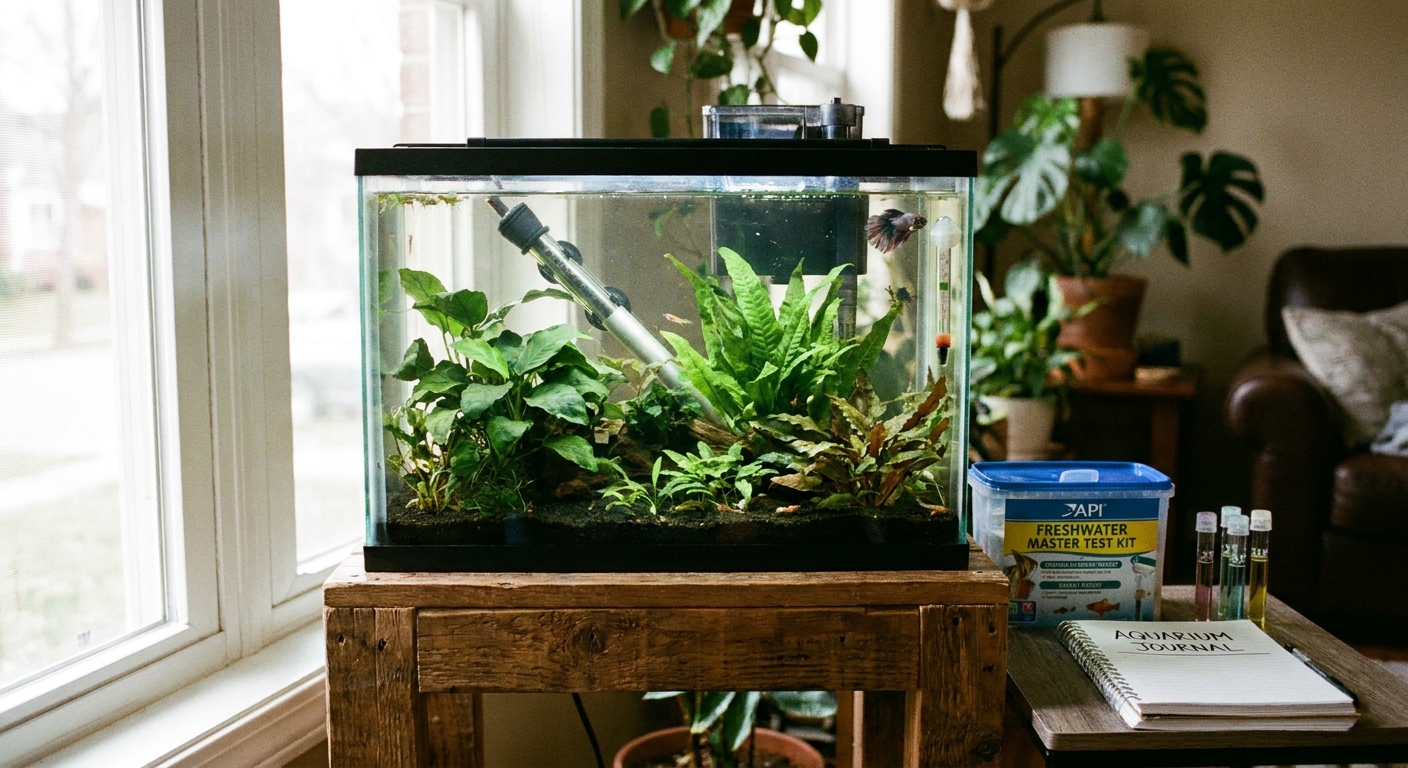
Step 1: Check water parameters
- Ammonia: 0
- Nitrite: 0
- Nitrate: aim for under 20 ppm if possible, and try to keep it under 40 ppm
- Temperature: stable and appropriate for bettas
If you are unsure about heater placement and stability, see betta tank temperature and heater placement.
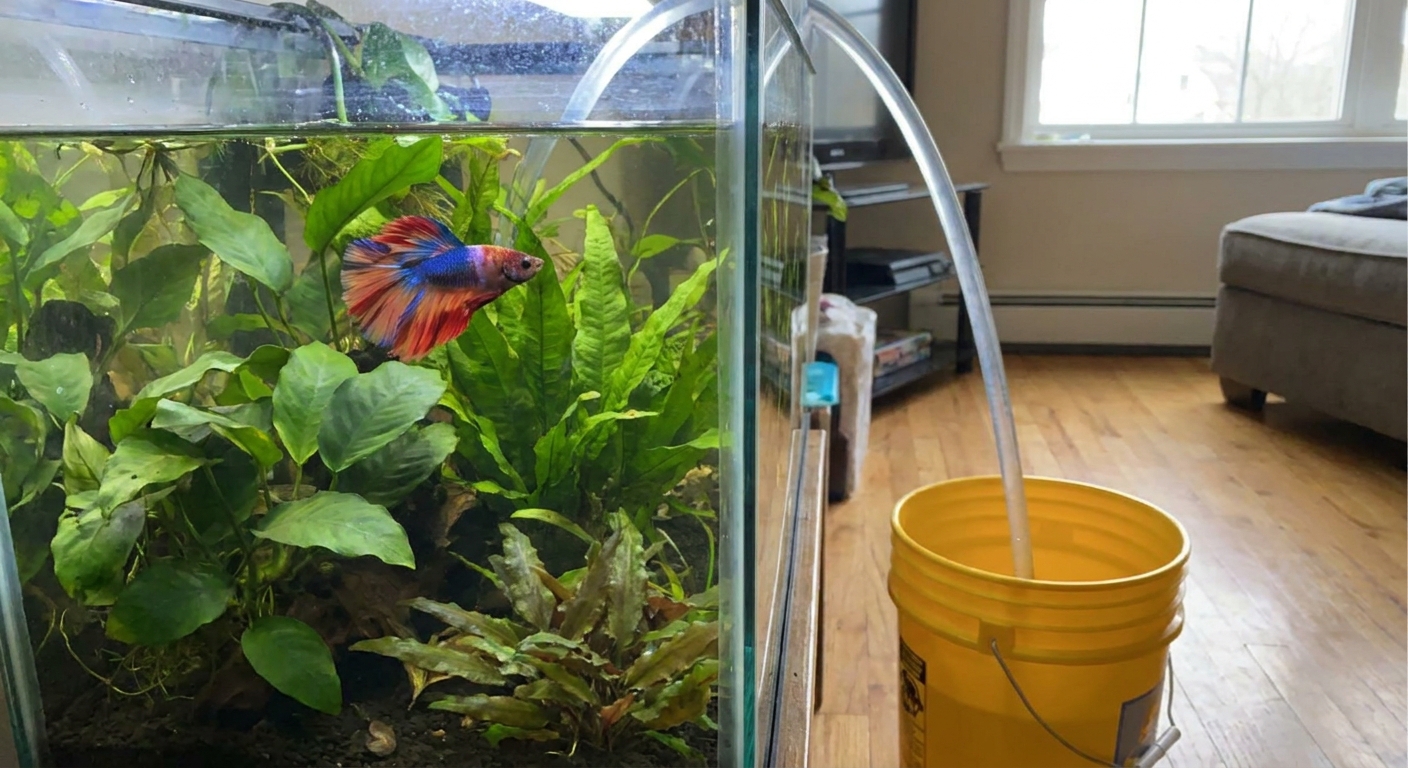
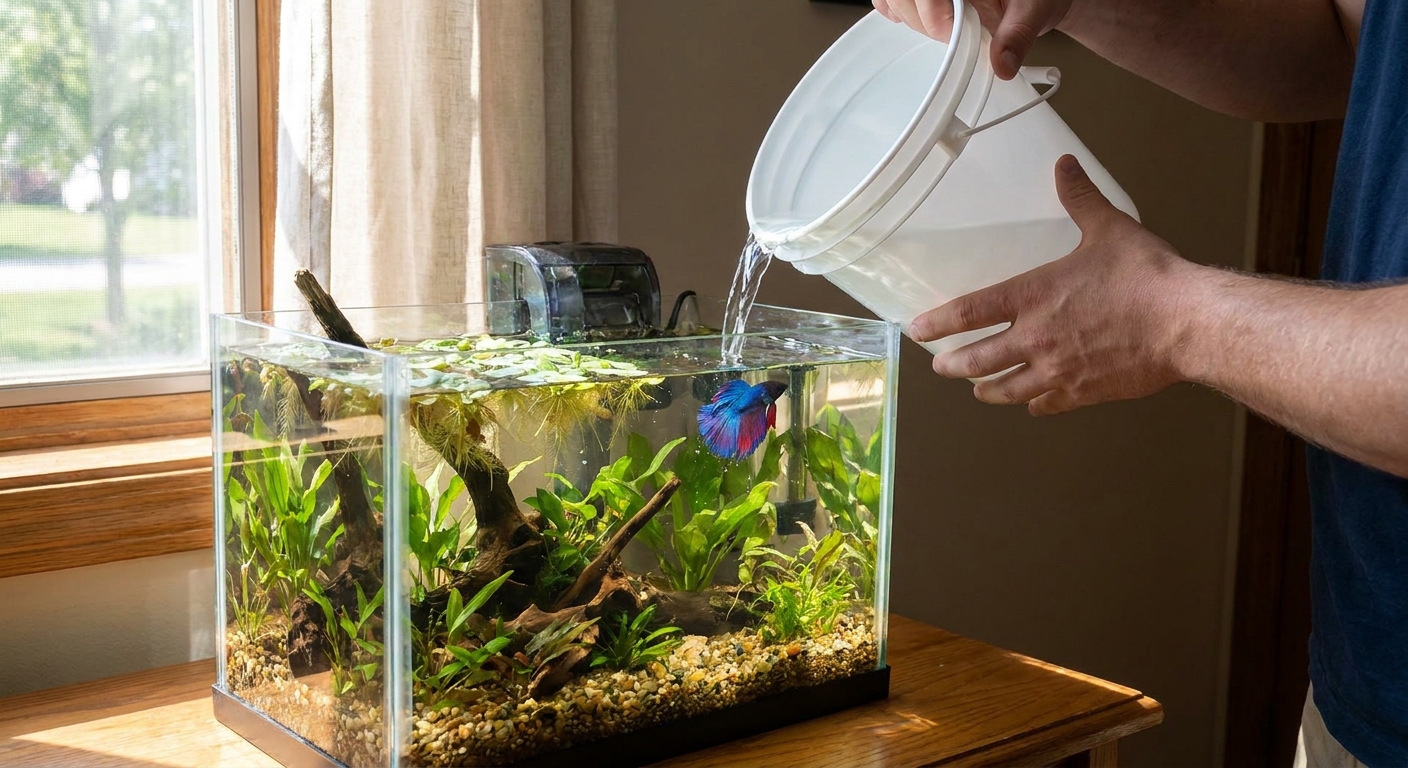
Step 2: Do a partial water change if anything is off
Use dechlorinated, temperature-matched water. If you need help making tap water safe, use how to prepare tap water for a betta tank.
Step 3: Reduce stressors
- Dim the lights
- Ensure gentle flow (bettas should not be pinned by current)
- Remove sharp decor
- If tank mates are involved, separate the betta
Filter flow and choice matter more than many people expect. Helpful notes are in choosing the right filter for a betta tank.
Step 4: Consider a hospital tank
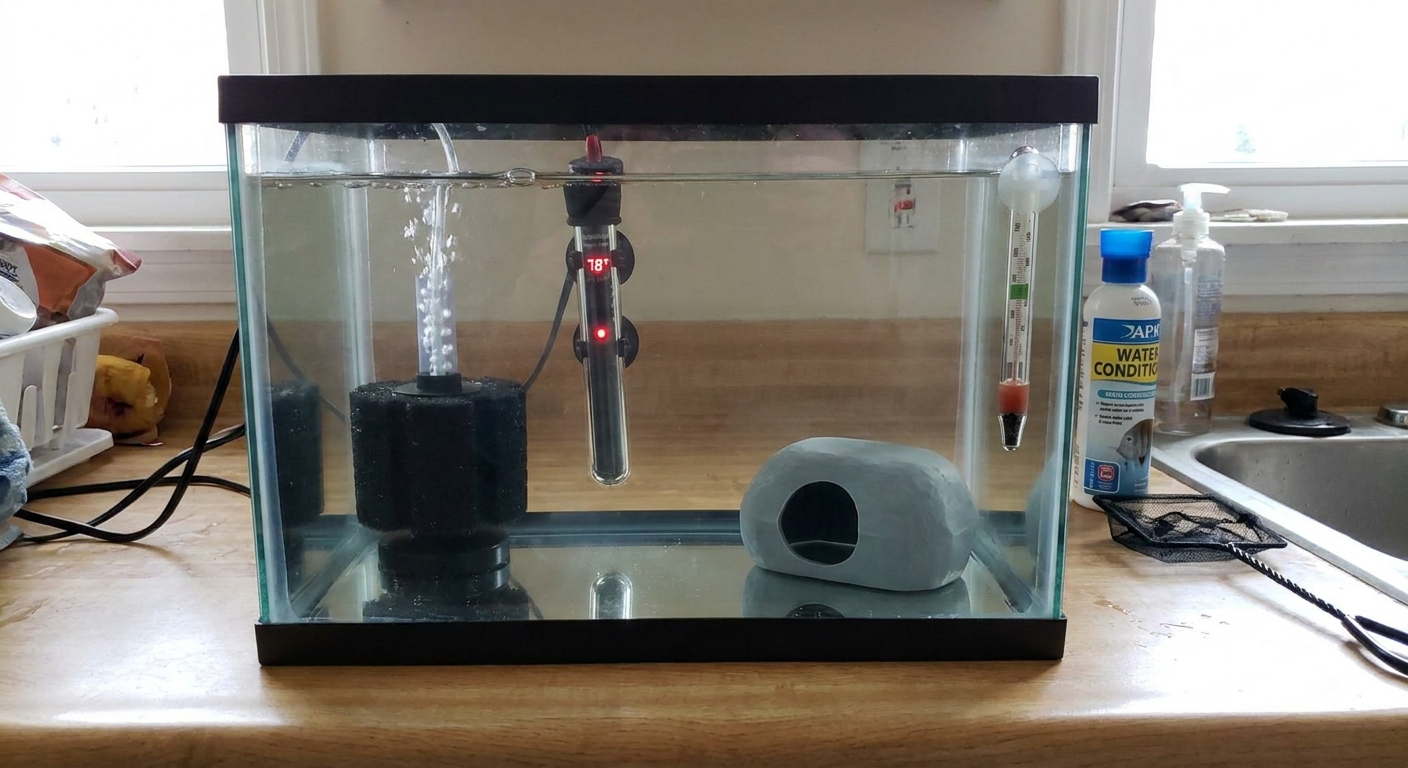
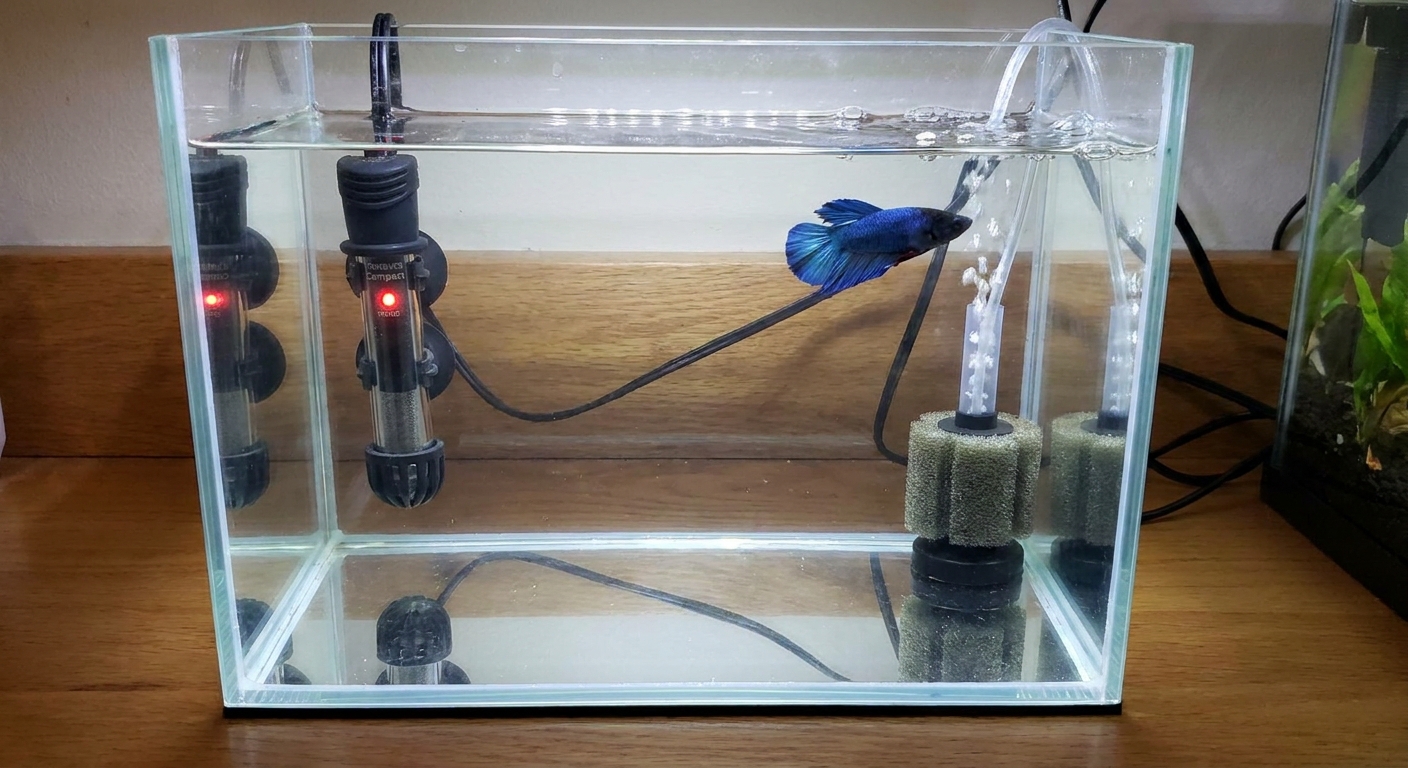
A simple, heated hospital tank makes treatment safer and easier to control. Keep it boring on purpose:
- Bare bottom for easy cleaning
- Heater for stable temperature
- Gentle aeration or a sponge filter (seeded if you can)
- A simple hide so your betta feels secure
- Match temperature before moving your fish to avoid shock
Quick diagnosis checklist
Use this to decide whether you are looking at an injury problem, an infection problem, or a tank problem.
- One eye only, otherwise active: likely injury or localized irritation. Prioritize pristine water and safety.
- Both eyes, lethargy, appetite drop: more likely systemic infection or chronic water quality stress. Prepare to medicate and correct environment.
- Cloudy eye without bulging: start with water quality and stress reduction first. Consider injury. Escalate to treatment if it worsens, reddens, or spreads.
- Red streaking, open sores, pineconing, bloating: more serious systemic illness. Seek aquatic vet guidance if available.
- New decor, sharp items, recent netting: suspect trauma.
- Recent cycle crash, new tank, missed maintenance: suspect water quality. If your tank is new or recently changed, review how to cycle a new betta fish tank.
Safe treatment plan
Supportive care (always)
- Keep water extremely clean: small, frequent water changes beat one huge change if the fish is stressed.
- Maintain stable warmth: avoid temperature swings.
- Feed lightly: high-quality, easy-to-digest foods. Overfeeding adds waste and stress. See signs you are overfeeding and how to correct it and how much and how often to feed.
- Keep lighting calm: bright, long photoperiods can add stress. See betta fish lighting requirements.
When to use antibacterial medication
Consider antibacterial treatment when:
- Popeye is bilateral
- Swelling worsens over 24 to 48 hours despite clean water
- There are other infection signs (fin rot, sores, redness)
- The eye looks inflamed with persistent cloudiness
Choosing meds safely
For popeye that appears bacterial, hobbyists often reach for broad-spectrum antibacterial medications labeled for aquarium fish. Some products are antibiotic-style treatments, while others are antiseptic-style treatments. What matters most is choosing something appropriate for fish, then using it correctly and gently.
- Follow the product label exactly for dosing and duration
- Remove activated carbon from the filter during treatment, since it can absorb medication
- Increase aeration if the medication reduces oxygen
- Do not mix multiple medications unless a veterinarian or trusted aquatic professional has directed it
- Monitor ammonia and nitrite during treatment. Not every medication harms beneficial bacteria, but it is smart to watch for spikes.
A quick caution from your finned friend Bloop: “Natural” does not automatically mean safe, and stronger is not better. Overdosing or stacking treatments can burn gills and add stress, especially in a small tank.
Epsom salt baths
Epsom salt (magnesium sulfate) is sometimes used in short baths to help reduce swelling in certain situations. It is not an antibiotic, so it will not fix bacterial infection by itself.
I keep Epsom salt advice non-prescriptive on purpose. Bath dosing depends heavily on container volume, time, fish condition, and observation, and it is easy to make a stressed fish feel worse by guessing. Also, short baths and adding salt to a main tank are not the same thing. If you choose to use Epsom salt, measure carefully, watch your betta the whole time, and stop if you see distress.
Treatment timeline
Days 1 to 2
- Test water and correct any issues
- Partial water change with conditioned, temperature-matched water
- Reduce stress and remove sharp decor
- If one eye only and your betta is otherwise well, monitor closely
Days 3 to 7
- Begin antibacterial medication per label if bilateral, worsening, or paired with other infection signs
- Keep water quality high throughout treatment
- Feed lightly and remove uneaten food
After treatment
- Continue stable temperature and gentle flow
- Resume normal maintenance schedule
- Fix the original trigger: cycling, filtration, decor safety, tank mate stress
When it is urgent
Seek veterinary help for fish if available in your area, or consult an experienced aquatic professional, when you see:
- Both eyes severely protruding with rapid decline
- Pineconing (raised scales) or major swelling
- Bleeding, deep ulcers, or severe redness
- Inability to swim, rolling, gasping
- No improvement after a full, correctly followed treatment course
These signs can point to systemic illness that needs more than basic home care.
How to prevent popeye
- Keep the tank cycled and stable: see cycling a new betta tank
- Follow a steady cleaning rhythm: see cleaning routine and water changes
- Choose gentle filtration: see choosing the right filter
- Avoid sharp decor: see safe decor ideas
- Feed appropriately: see feeding schedule basics
And if you are still deciding on tank size, remember that more water volume is usually more stable. This can mean fewer stress spikes that invite illness. Helpful comparison: 5 gallon vs 10 gallon tank for bettas.
Popeye FAQ
Can popeye heal on its own?
Mild unilateral popeye caused by a small injury sometimes improves with pristine water, reduced stress, and time. If swelling increases, becomes bilateral, or the fish acts ill, treat it as a likely infection and respond more aggressively.
Is popeye contagious?
The bulging eye itself is not “catching,” but the underlying cause can affect other fish. Poor water quality affects everyone, and infectious bacteria can spread, especially in stressed tanks.
Main tank or hospital tank?
A hospital tank is often safer for medication control and reduces risk to plants, beneficial bacteria, and sensitive tank mates. If moving the fish causes major stress, treating in place can be reasonable, but monitor ammonia and nitrite during treatment and be ready to adjust with water changes.
Do salt products fix popeye?
Salt can reduce swelling in some cases and may help with supportive care, but it does not replace antibiotics when bacteria are involved. Use it carefully and never as a guess-and-hope shortcut.
One last calming splash
Popeye looks dramatic, but many bettas bounce back beautifully once the tank is stable and the real cause is addressed. Clean water, gentle conditions, and the right medication only when needed is the safest recipe. Your betta is lucky to have you watching closely.