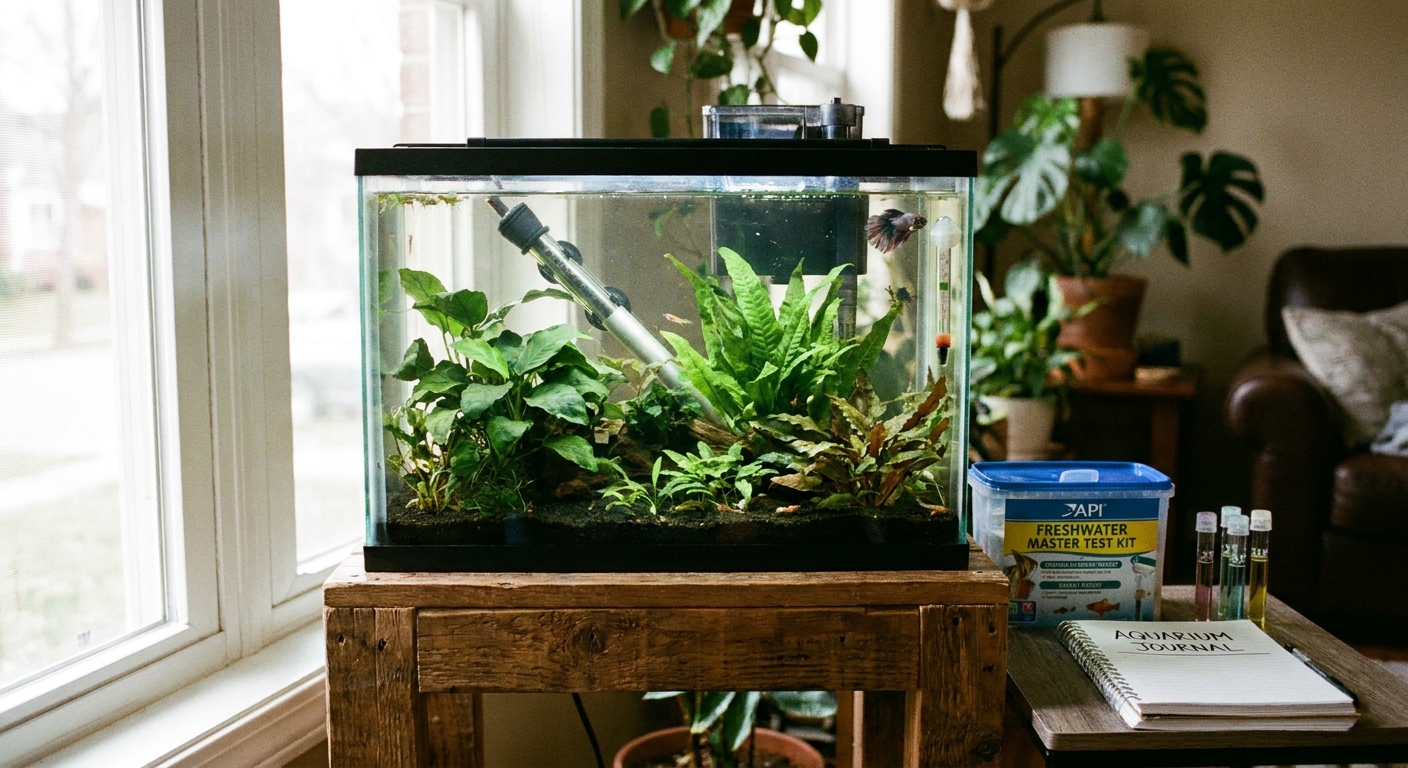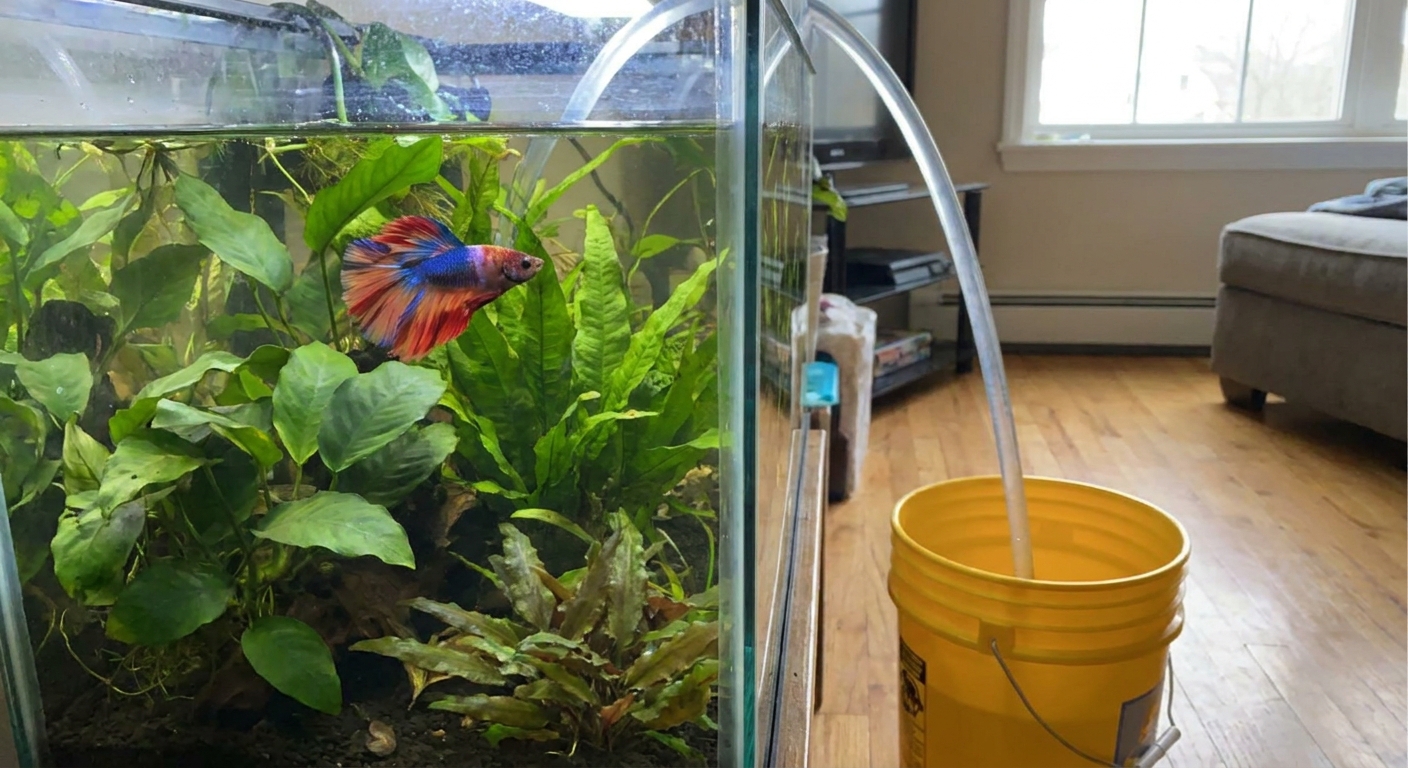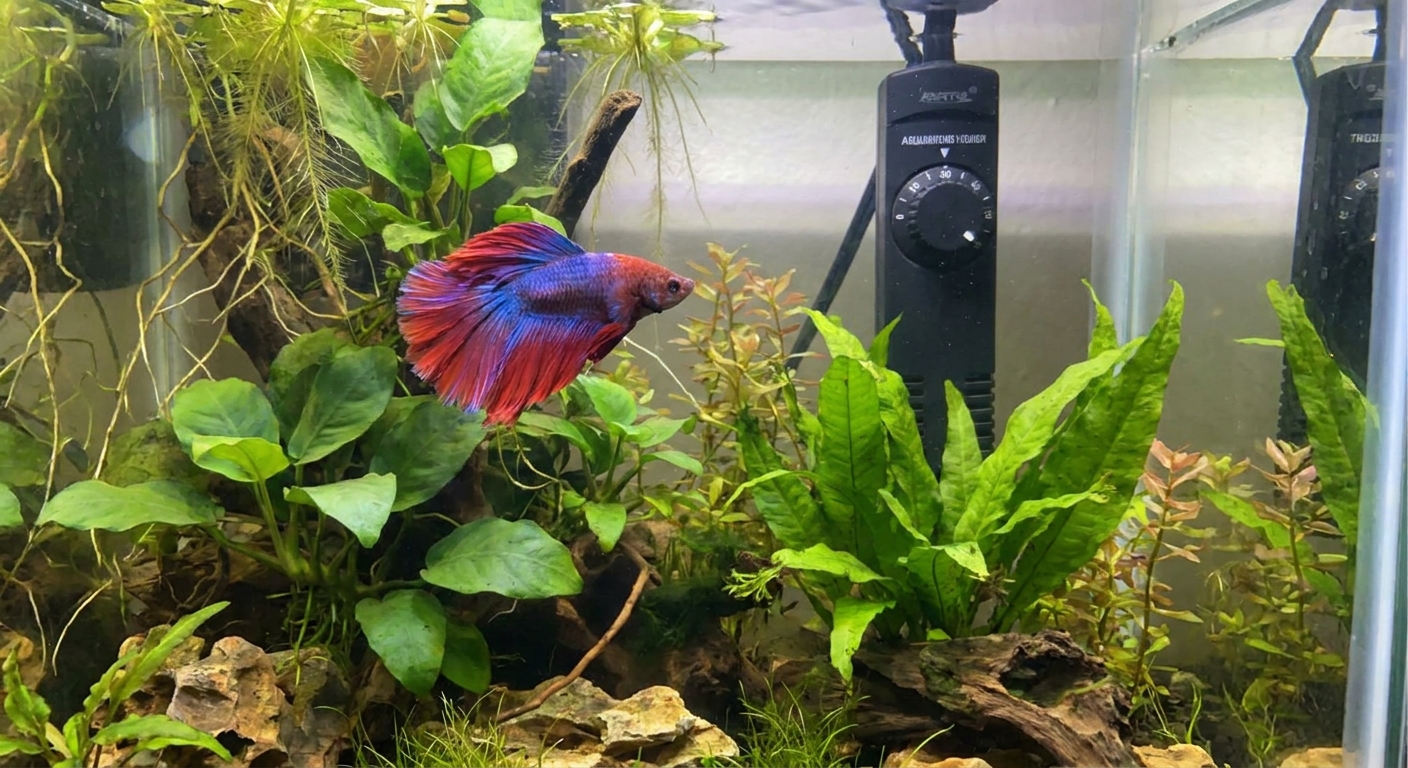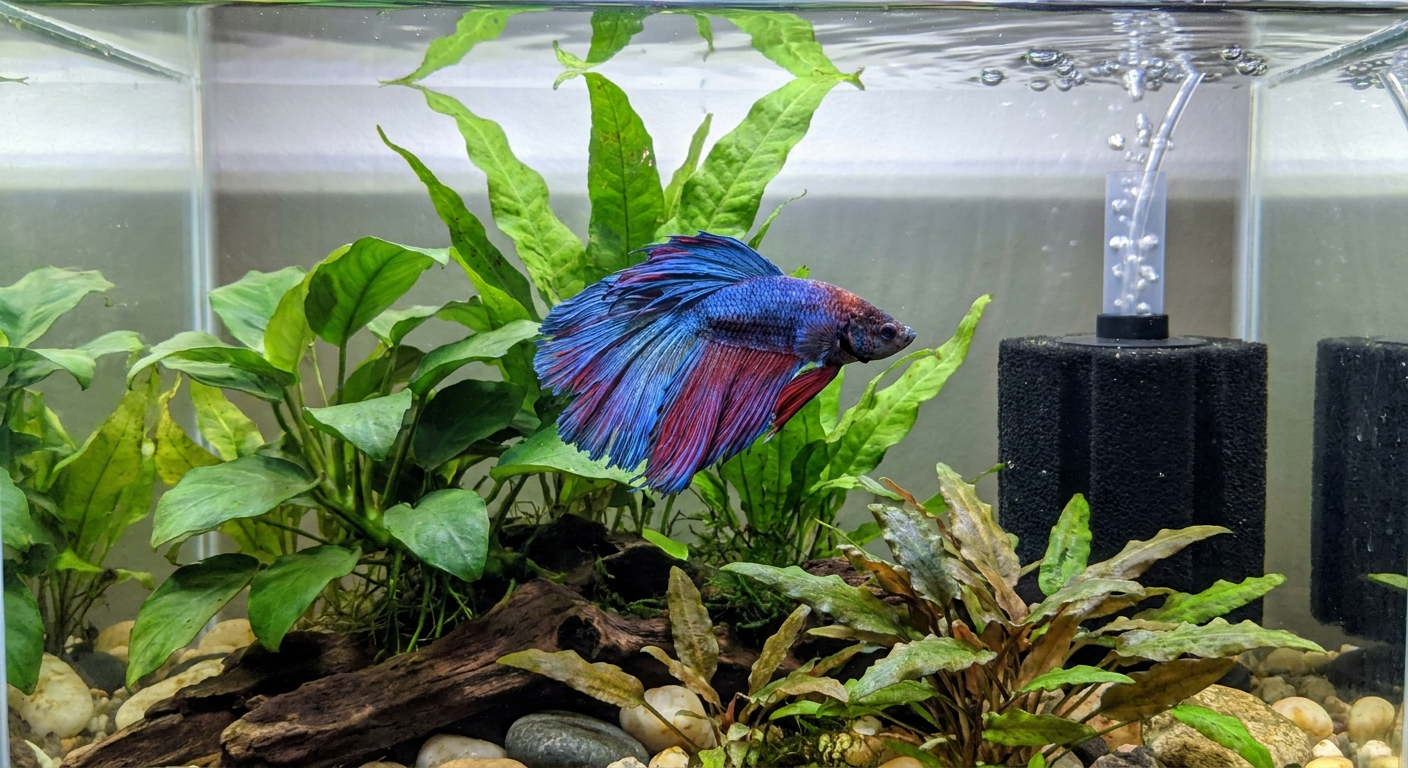

Let’s make your tank the happiest little splash in the house! If you’re choosing between a 5 gallon and a 10 gallon aquarium for a betta fish, you’re already on a wonderful track. Both sizes can work beautifully, but they feel very different in day-to-day care, especially when it comes to water stability and how much room you have for plants, hides, and enrichment.
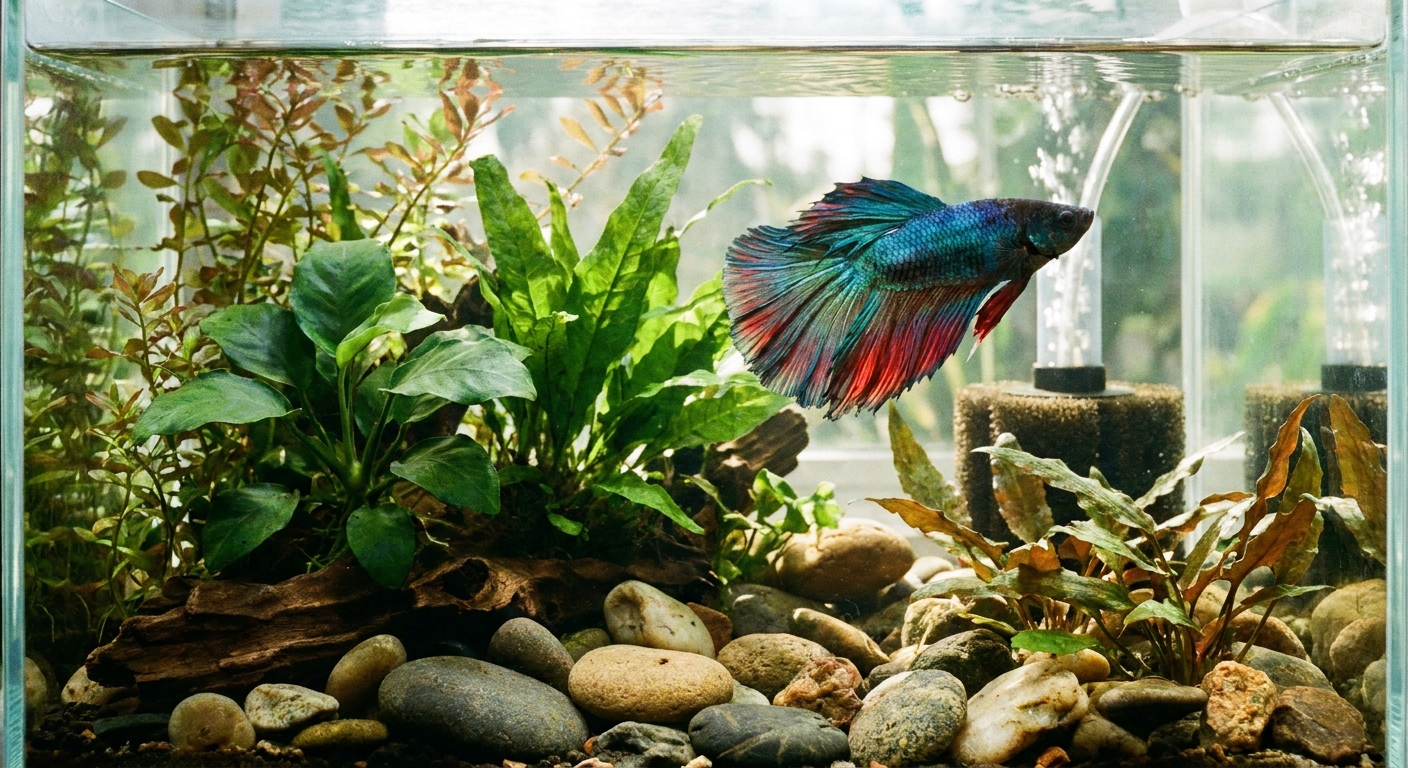
Below, I’ll compare 5 gallon vs. 10 gallon tanks in the ways that matter most for betta comfort, clean water, and your own maintenance routine.
The quick answer
If you can fit and maintain it, a 10 gallon tank is usually the best choice for most bettas because it offers more stable water parameters, more room for plants and enrichment, and a larger safety buffer when something goes a little off.
A 5 gallon tank can still be a great betta home when it’s fully heated (when needed), filtered (or otherwise well-managed), cycled, and thoughtfully decorated. It just needs a bit more attention to consistency since smaller volumes change faster.
Water stability
When betta keepers talk about “stability,” they usually mean how quickly things like ammonia, nitrite, nitrate, temperature, and pH can shift.
Why 10 gallons tends to be steadier
- Waste is diluted more. A small amount of extra food or a missed maintenance day typically has less impact.
- Temperature swings are slower. With a good heater, a 10 gallon tank often holds temperature more evenly.
- Spikes can be less dramatic. Cycling still takes time and depends on a healthy biofilter, but a larger water volume can dilute sudden ammonia increases while the tank matures.
5 gallons can be stable too
A 5 gallon tank is not “too small” by default, but it is less forgiving. Overfeeding, filter issues, or evaporation can shift water conditions faster.
If you’re building your first betta setup, you may want to explore more tank planning basics in Tank Setup & Environment.
Maintenance
Here’s a helpful surprise: bigger tanks often feel easier once they are set up, even though they use more water during changes.
In a 5 gallon tank
- You will usually do more frequent or more careful partial water changes to keep nitrates and dissolved waste low.
- Small problems show up sooner, so testing and consistency matter a lot.
- Evaporation can be more noticeable, which can concentrate minerals over time if top-offs are not handled thoughtfully.
In a 10 gallon tank
- Water changes can feel less urgent because the tank resists sudden swings.
- You get more flexibility with planting and filtration, which can support steadier water quality.
- It can be simpler to keep a stable temperature and flow pattern.
A practical baseline: many betta keepers land around a 20 to 30 percent weekly water change once a tank is cycled and settled, adjusting based on test results, planting level, and how messy the tank runs. Smaller tanks often need that schedule more strictly.
No matter the size, gentle consistency is the goal. If you ever need help spotting health stress signs that can be tied to water quality, visit Health & Wellness.
Swimming space and enrichment
Bettas are not marathon swimmers like danios, but they absolutely enjoy exploring. They also benefit from a tank that supports natural behaviors: resting near the surface, weaving through plants, and investigating hides.
5 gallons
- Enough room for a betta to live comfortably with smart decorating.
- Best results come from using vertical space with tall plants and a betta hammock or broad-leaf plant near the surface.
- You will want to avoid cluttering the center with bulky decor that steals swim room.
10 gallons
- More room for a “plant jungle” without turning the tank into an obstacle course.
- Easier to create separate zones, like a calm resting area, a feeding area, and a hiding area.
- More space for enrichment such as varied textures (silk plants, smooth wood, rounded stones) and gentle current gradients.
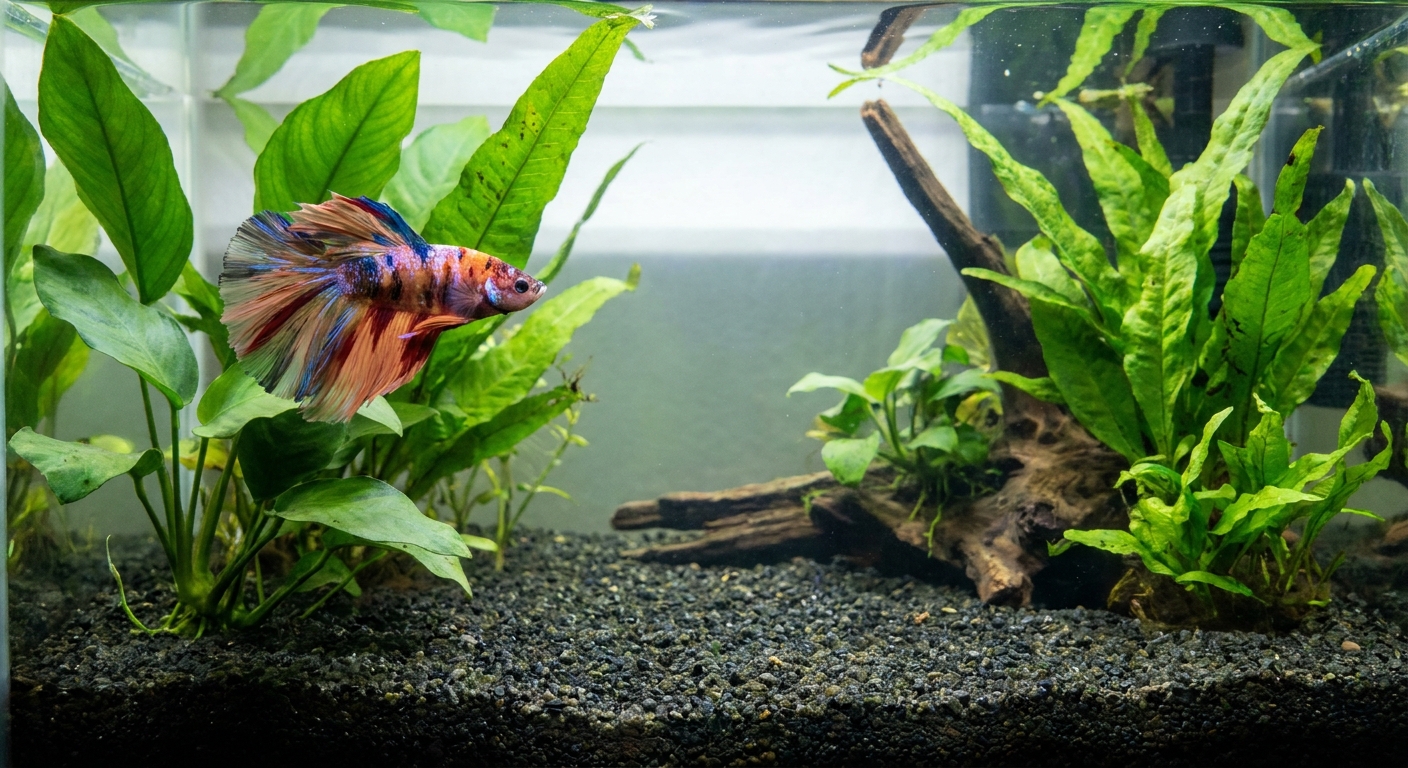
For fun enrichment ideas that do not stress your betta, visit Behavior & Enrichment.
Heating and filtration
Bettas thrive in warm, stable water with low to moderate flow. In most homes, you will use a heater and some form of filtration, especially for beginners.
Heaters
- Temperature target: many bettas do best around 78 to 80°F, with stability being just as important as the exact number.
- 5 gallon: Heaters can heat quickly, and cheap or poorly calibrated heaters can overshoot. Choose a reliable heater and verify temperature with a thermometer.
- 10 gallon: Temperature tends to hold more steadily once dialed in, especially in drafty rooms.
Filters and flow
- 5 gallon: Many small filters can create strong flow in a tight space. Look for gentle output, adjustable flow, or a sponge filter setup.
- 10 gallon: More room to position the filter, add baffles, and create calm areas so your betta can rest.
About filterless setups: some experienced keepers do run heavily planted, low-bioload tanks without a powered filter. It can work, but it is less forgiving. For most people, a gentle filter is the easiest path to steady, clean water.
In either size, aim for a tank where your betta can choose calm water near the surface without being pushed around.
Plants and aquascaping
Live plants are a betta’s best friend for cover and comfort, and they can support water quality by taking up nitrogen compounds as they grow. In many tanks, plants primarily use ammonium when available, and they can also help reduce nitrate over time. Either way, plants are helpful, but they are not a substitute for cycling and regular maintenance.
In a 5 gallon
- Choose plants that do not demand constant trimming to avoid crowding.
- Focus on a few anchors: one larger focal plant, some floaters, and a soft resting leaf near the surface.
- Leave a clear lane for swimming and feeding.
In a 10 gallon
- You can mix plant heights and create denser “jungle” areas plus open space.
- More substrate footprint helps with root feeders and more stable layouts.
- Hardscape like smooth wood or rounded stone fits more naturally without taking over the whole tank.
Tank mates
This is where tank size decisions become extra important. Bettas are individuals, and their tolerance for neighbors varies. Even when a betta is peaceful, tank mates add bioload and complexity.
5 gallons
- Best as a betta-only tank in most cases.
- Some keepers add invertebrates, but compatibility is never guaranteed, and extra feeding can affect water quality.
10 gallons
- Offers a little more flexibility, but it is still very limited for fish tank mates in most situations.
- In many 10 gallon setups, the most realistic “mates” are still snails or shrimp with caveats, plus lots of plants and hiding cover.
- More room to break lines of sight with plants and decor, which can reduce stress.
If you are considering any companions, please read through Tank Mates & Compatibility first. It can save a lot of trouble later.
Cost and practicality
Your best tank is the one you can keep warm, clean, and consistent.
- Space: A 10 gallon needs a sturdier stand and a larger footprint. Measure first.
- Weight: Water is heavy. A 10 gallon setup weighs significantly more than a 5 gallon once you add substrate and decor.
- Equipment: A 10 gallon may need a slightly stronger heater and filter, but the difference is often small compared to the benefit in stability.
- Time: A 10 gallon can feel more forgiving between maintenance days, which many keepers appreciate.
Do not skip the lid
Bettas can jump, and smaller tanks also lose water faster to evaporation. A simple cover helps with both safety and stability.
Which should you choose?
Pick a 5 gallon if
- You have limited space but can still provide stable warmth, clean water, and a fully cycled tank.
- You want a simpler footprint and are ready to stay consistent with maintenance.
- You plan a betta-only setup with a cozy planted layout.
Pick a 10 gallon if
- You want the easiest path to stable water conditions.
- You love the idea of more plants, more swim room, and more enrichment options.
- You want extra margin for error in temperature and water quality.
Either way, your betta will thank you for stable warmth, gentle flow, clean water, and lots of soft, leafy places to rest.
FAQ
Is 5 gallons big enough for one betta?
Yes, a properly heated (when needed), filtered or well-managed, and cycled 5 gallon tank can be an appropriate home for a single betta. The key is consistency: smaller tanks change faster, so maintenance and monitoring matter.
Will my betta be happier in a 10 gallon?
Many bettas show more relaxed exploration in larger, well-planted tanks, and keepers often find 10 gallons easier to keep stable. Happier also depends on gentle flow, hiding spots, and a stress-free environment.
Do I need a filter in a 5 or 10 gallon betta tank?
A filter is strongly recommended for most setups, especially for beginners. It supports the nitrogen cycle and helps keep water cleaner. The goal is a gentle filter that does not push your betta around. Some advanced, heavily planted tanks can be managed without a powered filter, but they require careful balancing.
Do I need a heater in both sizes?
In most homes, yes. Bettas typically do best around 78 to 80°F, and room temperatures can fluctuate, especially at night. If your room is reliably warm in that range 24/7, a heater may be unnecessary, but most keepers still use one for stability.
What does “cycled” actually mean?
A cycled tank has an established biofilter that can process waste. In simple terms, you want 0 ammonia, 0 nitrite, and some nitrate showing up on your test results as the tank matures.
Is a 10 gallon harder to clean than a 5 gallon?
Not necessarily. While you change more water by volume, the tank can stay stable more easily and may feel simpler week to week once established.
A calm finishing splash
If your goal is the smoothest path to steady water and lots of enrichment room, the 10 gallon tank is a star. If a 5 gallon is what fits your space and you can keep it warm, clean, and consistently maintained, it can still be a cozy, beautiful betta home.
When you’re ready for the next setup step, explore more care notes in Tank Setup & Environment. Your betta’s sparkling little world is coming together!