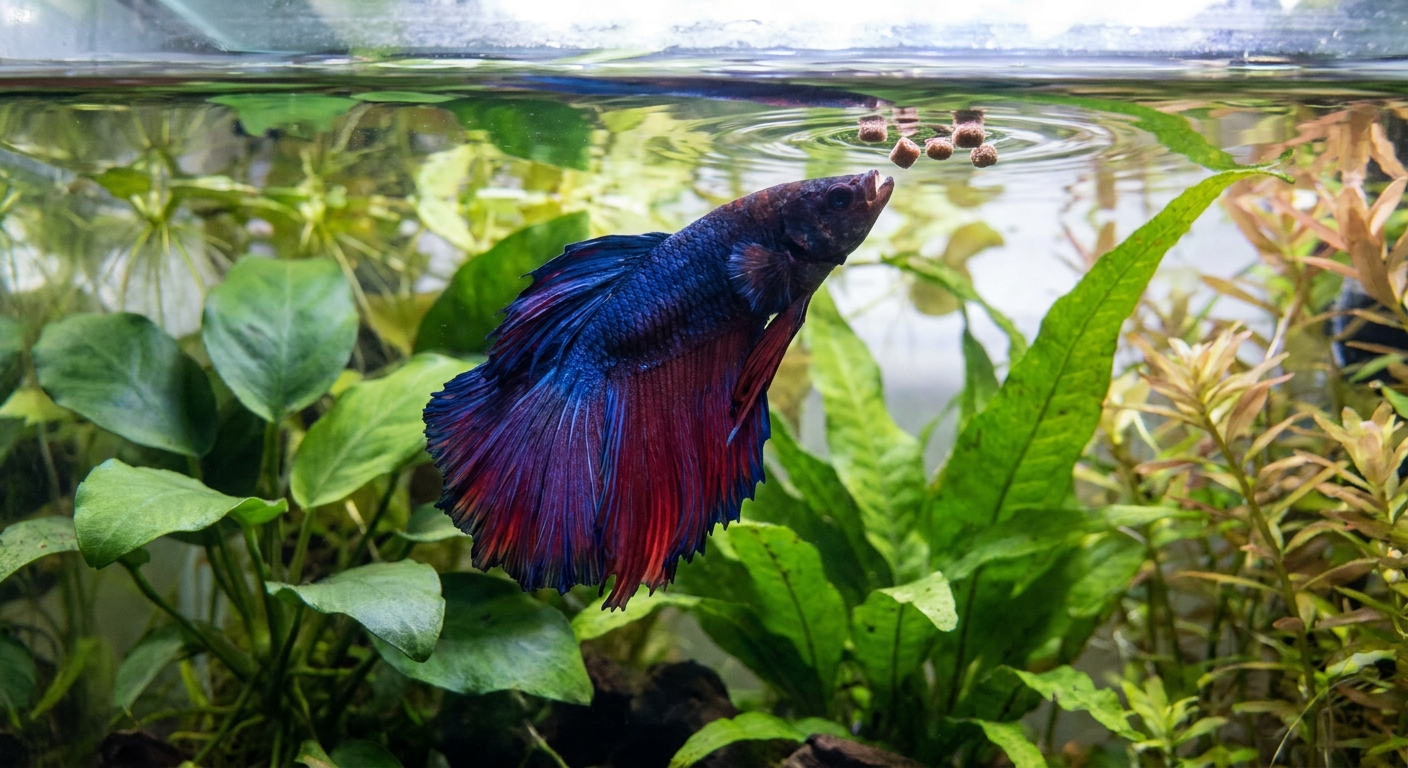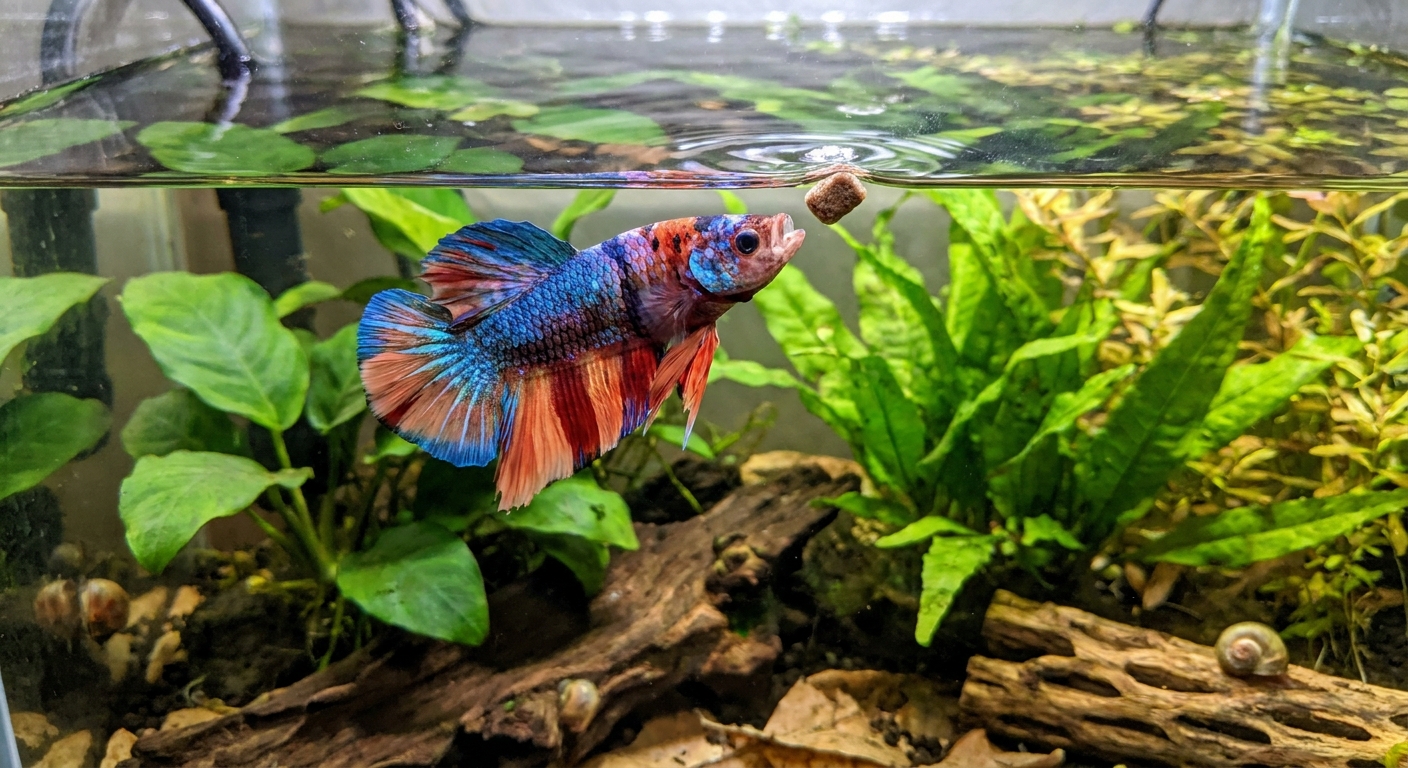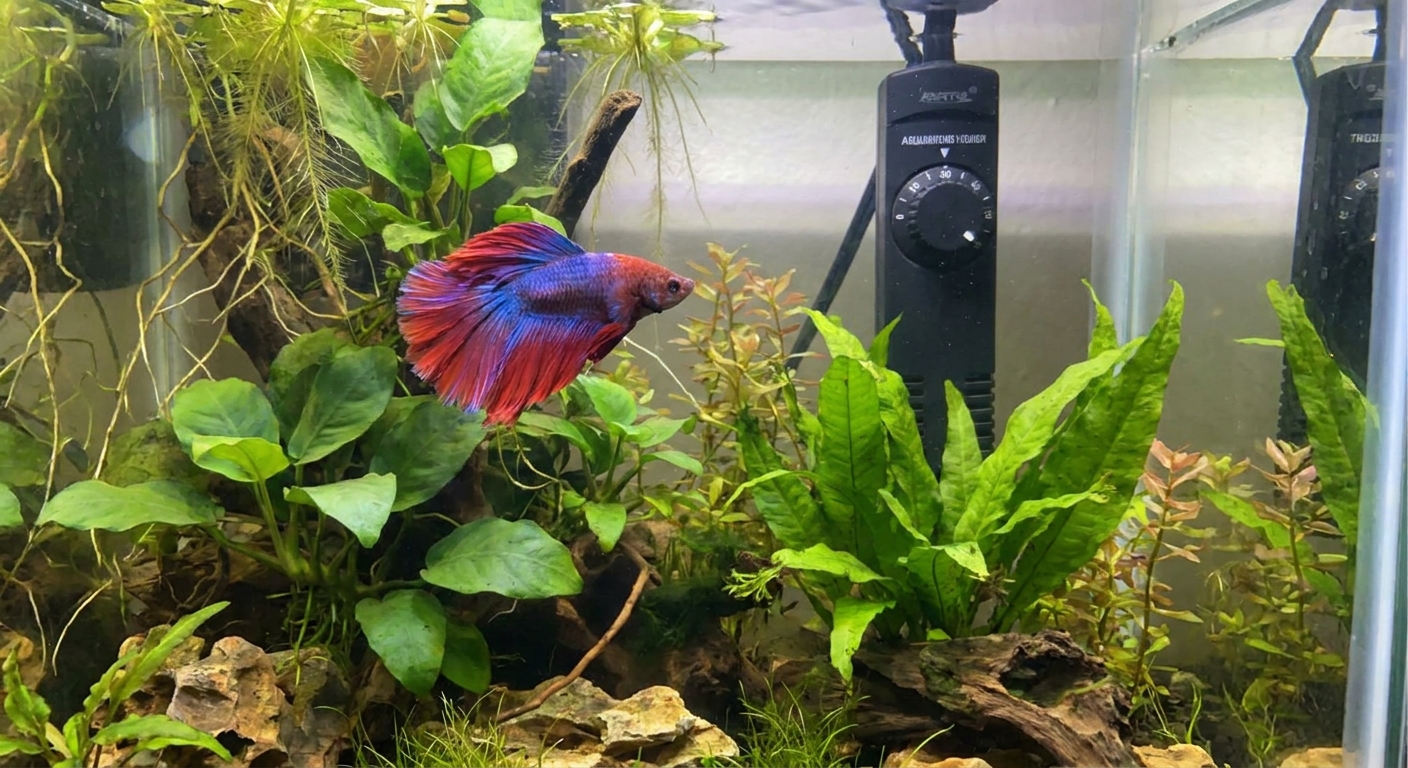
Let’s make your tank the happiest little splash in the house! If you want richer color, better energy, and that confident “look at me” betta sparkle, frozen and live foods can be a wonderful upgrade to a high-quality pellet staple. Think of them as powerful, protein-rich treats that add variety and enrichment.
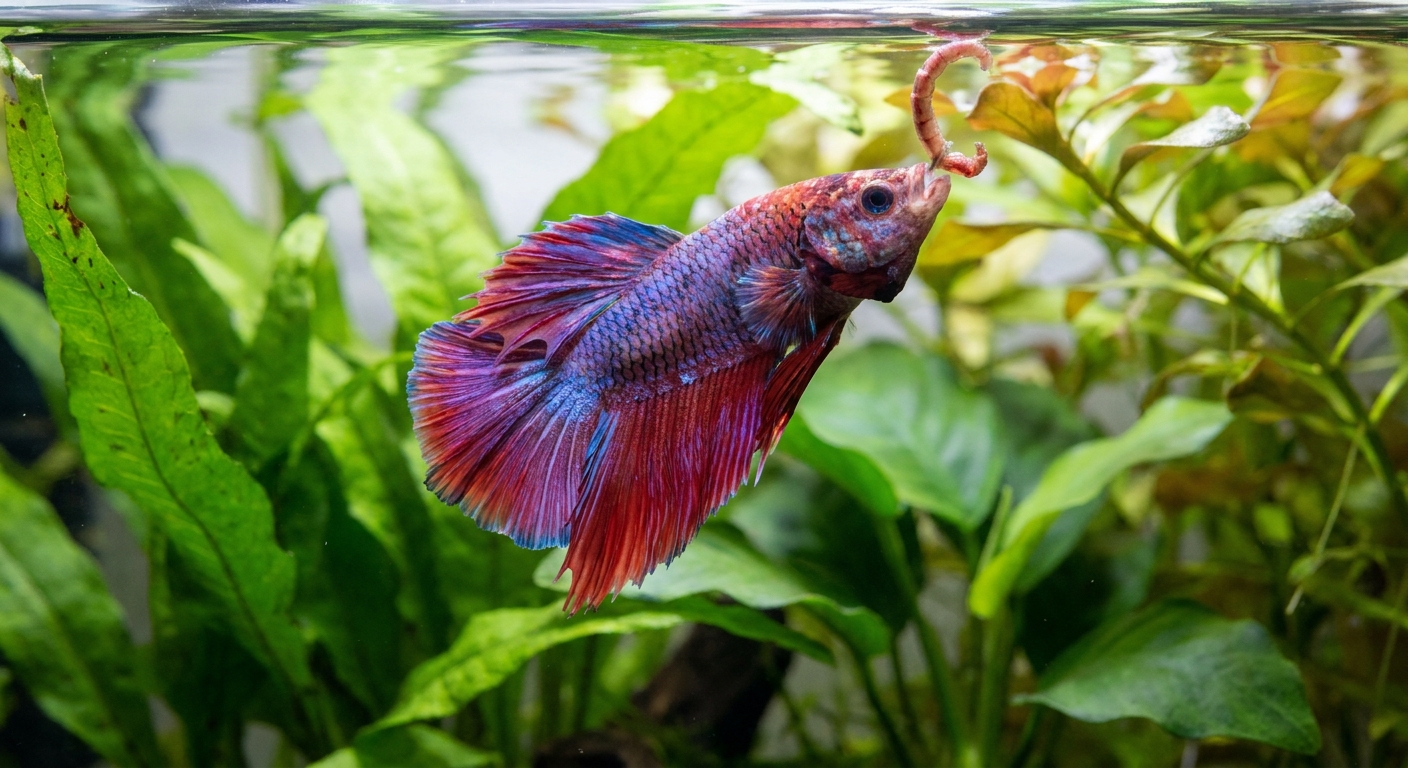
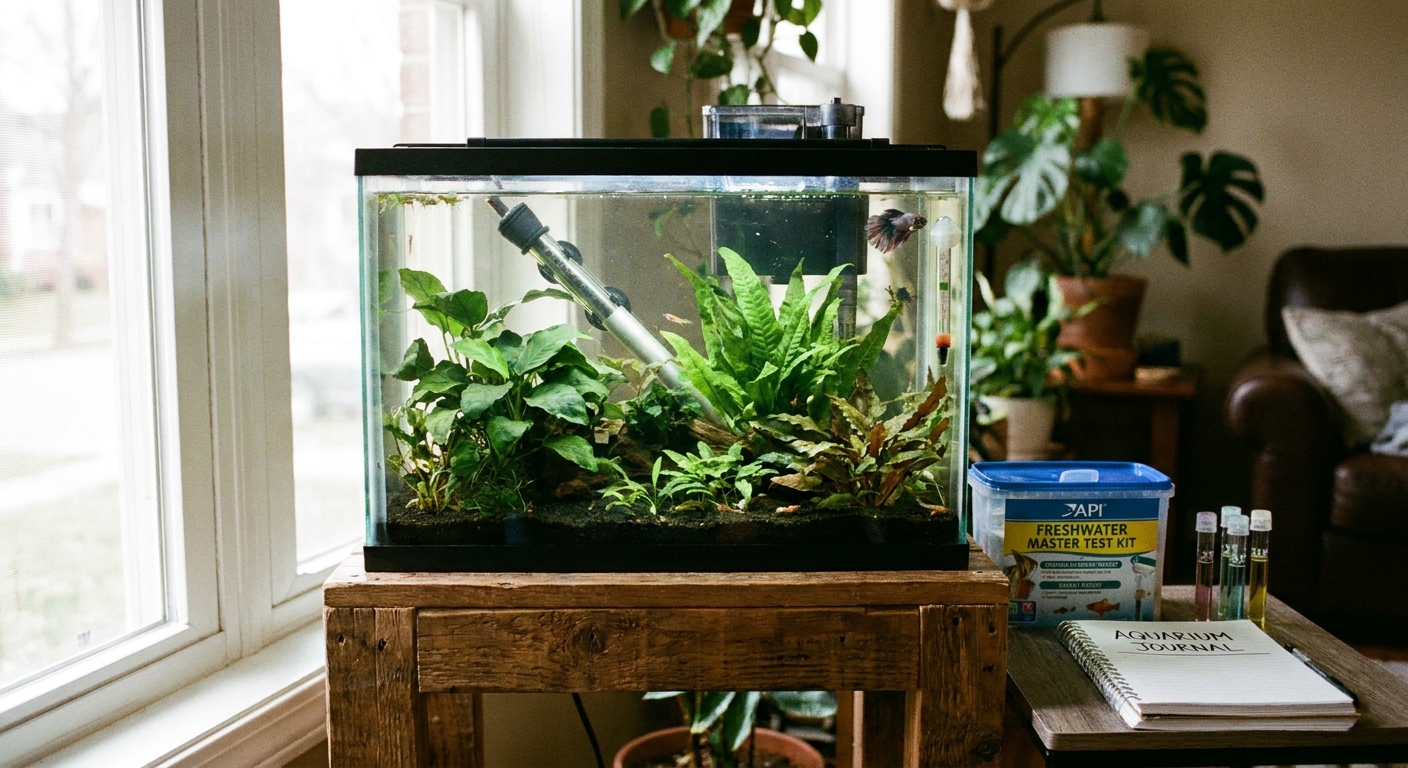
Quick fin-friendly reminder: food alone cannot “paint” a betta. The brightest colors show up when nutrition, warm stable water, low stress, and a clean cycled tank all work together. Also, pigments matter. Many quality betta pellets are formulated with carotenoids and other color-supporting ingredients, and treats work best as variety on top of that strong staple. If you are still building your setup, peek at how to cycle a new betta fish tank and keep temperatures steady with help from betta tank temperature and heater placement.
Before you feed: 5 safety rules
- Frozen foods must be thawed. Never drop in frozen cubes. Thaw a small portion in a clean cup with tank water, then feed a little at a time.
- Small portions win. Bettas have tiny stomachs. Overfeeding can foul water and increase stress, and that can make even a gorgeous fish look less vibrant over time.
- Remove leftovers. If food hits the bottom, scoop it out so it does not rot and spike ammonia.
- Quarantine live foods when possible. Live foods can carry hitchhikers. Use reputable cultures and rinse when appropriate.
- Use treats like seasoning, not the whole meal. Aim for variety across the week, anchored by a quality pellet as the main diet.
If you want a clean, gentle current that helps keep uneaten bits from settling everywhere, your filter choice matters too. This pairs nicely with choosing the right filter for a betta tank.
Handling and storage basics
Frozen and live foods are awesome, but only when they stay clean.
- Keep frozen foods frozen. Cut off a sliver of a frozen cube if you need a tiny portion, then return the rest to the freezer promptly.
- Do not refreeze thawed food. Thaw only what you will use.
- Use tank-dedicated tools. A small cup, pipette, and tweezers used only for the aquarium help prevent cross-contamination with soaps or kitchen residues.
- Rinse if it is messy. If a thawed food is very “juicy,” you can pour it through a fine net and rinse with dechlorinated water before feeding to reduce clouding.
1) Bloodworms (frozen)
Bloodworms are a classic betta treat because they are protein-rich and extremely enticing. Used sparingly, they can support body condition and help picky eaters stay interested in meals.
Why they help
- Strong scent and movement in water, great for appetite stimulation
- High protein supports muscle maintenance and general vitality
How to feed
- Thaw and offer 1 to 3 worms per treat feeding, depending on worm size and your betta’s body condition.
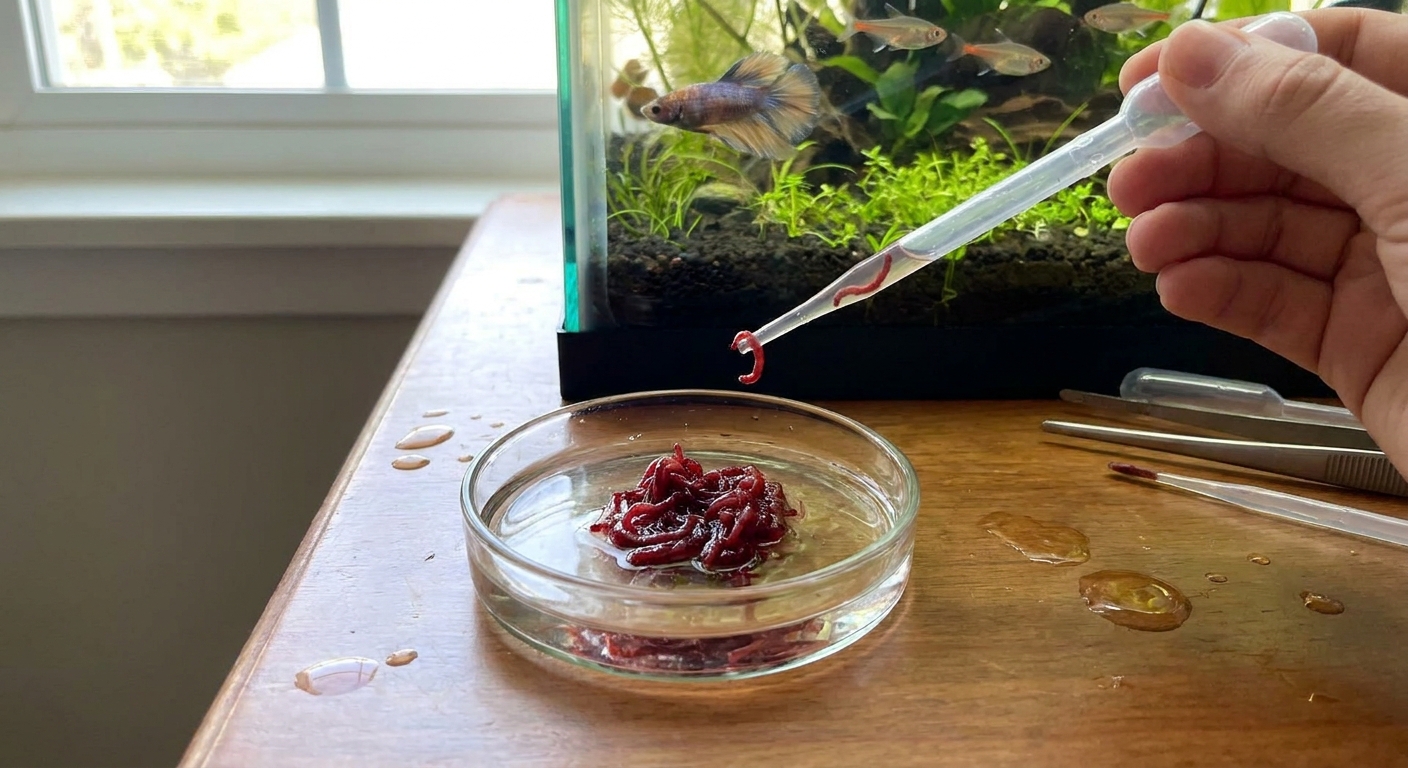
- Feed with tweezers or a pipette so you can control portions.
- Limit to 1 to 2 times per week. Too much can contribute to bloating in some bettas, and leftovers can quickly dirty the water.
2) Brine shrimp (frozen or live)
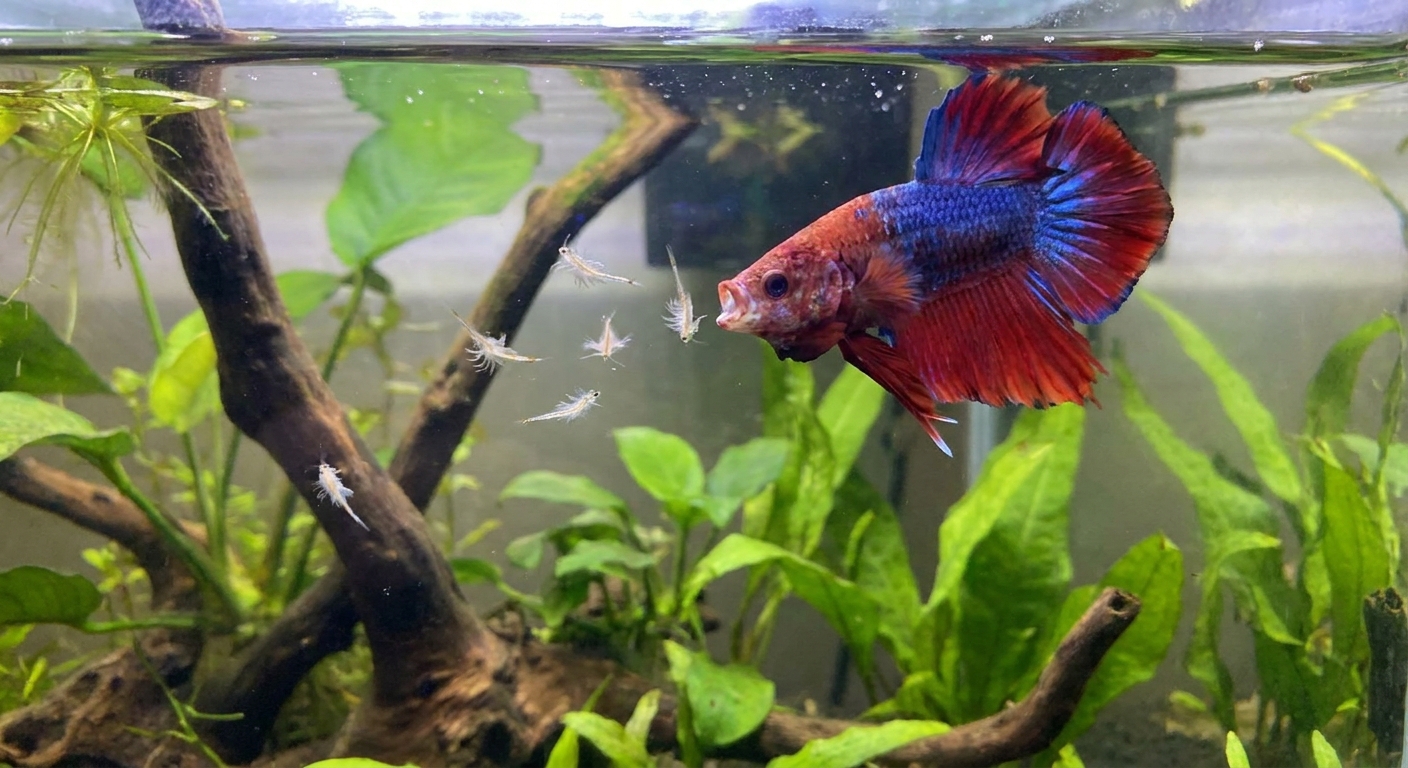
Brine shrimp are a fantastic all-around option. They are often easier on digestion than heavier treats and add great variety for appetite and activity. Color-wise, they can help by improving overall nutrition, but your staple pellet (often with added carotenoids) usually plays the biggest role.
Why they help
- Excellent protein variety compared with pellets alone
- Encourages natural hunting behavior, which supports enrichment
How to feed
- Frozen: thaw, then offer a few shrimp at a time.
- Live: for most keepers, “live brine shrimp” means newly hatched nauplii (raised in saltwater and rinsed before feeding). If that sounds like a hassle, frozen is a great, simple choice.
- A great treat frequency is 2 to 3 times per week in small servings.
3) Daphnia (frozen or live)
Daphnia are tiny freshwater crustaceans that many keepers love for a very practical reason: they are often used as a lighter, fiber-ish (chitin-containing) option in a varied diet. They are not a proven “cure” for bloat, but they can be a helpful choice when you want something less rich than worms.
Why they help
- Often used by keepers as a lighter treat in a rotation
- Small size makes portion control easier
How to feed
- Thaw frozen daphnia and feed a small amount, watching how much your betta actually eats in 1 to 2 minutes.
- Many people like daphnia the day after richer foods, simply to vary texture and richness.
- 1 to 2 times per week is plenty.
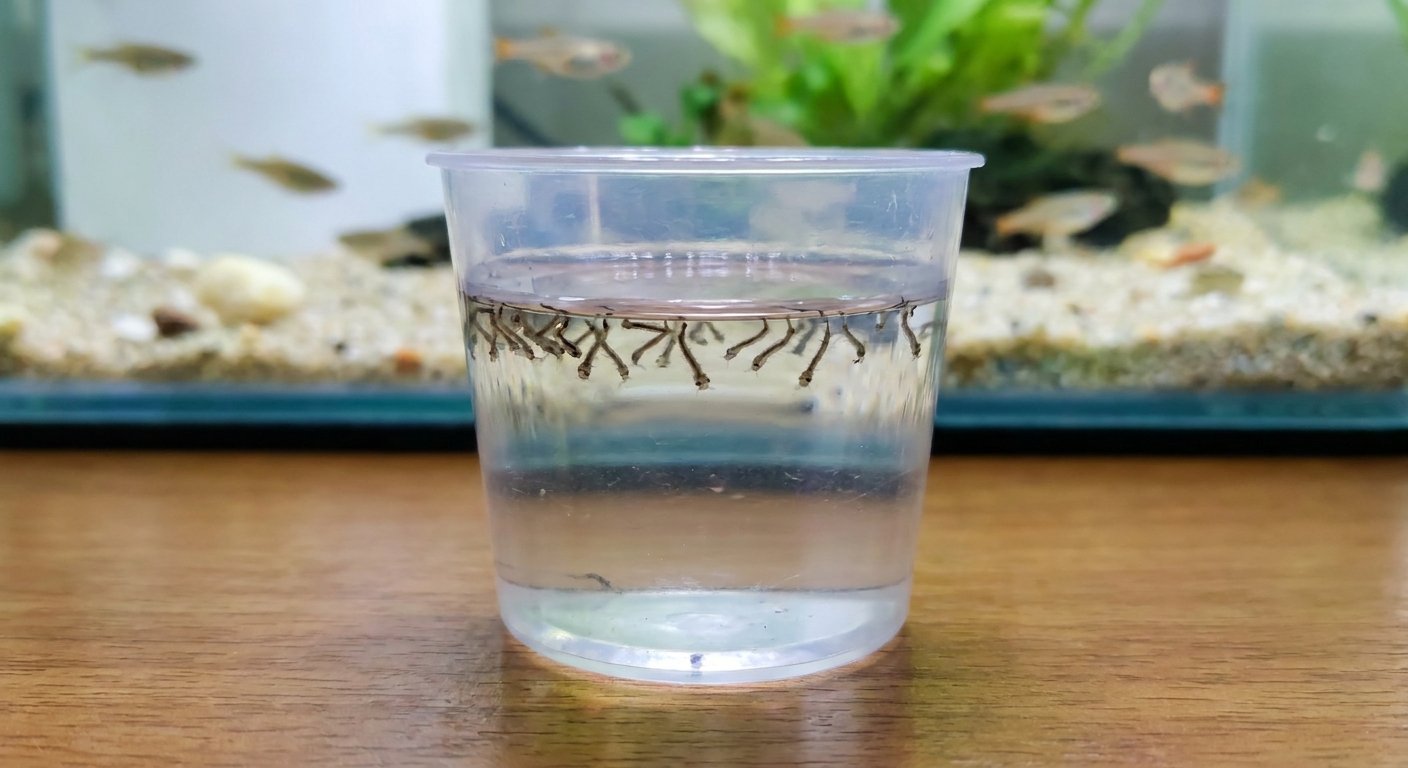
4) Mosquito larvae (live or frozen)
If you want to see your betta flip into true hunter mode, mosquito larvae can be a big hit. They are naturally on the menu for wild bettas and many related species.
Why they help
- Highly stimulating prey item that supports activity and enrichment
- Protein-rich option that can help maintain strong body condition
How to feed safely
- Source matters. Avoid larvae collected from unknown outdoor water where pesticides or parasites could be present.
- Do not let them pupate. Only feed what your betta will eat promptly, and remove any survivors right away. Never intentionally culture or release mosquitoes.
- 1 to 2 times per week in small portions is a good target.
5) Mysis shrimp (frozen)
Mysis shrimp are a chunky, satisfying frozen food that can be useful when you want a nutrient-dense treat with a different texture than worms. Some shrimp-based foods can also contain carotenoids, but amounts vary by product and processing, so think of mysis as a conditioning treat more than a guaranteed “color booster.”
Why they help
- Meaty texture can support conditioning for thin bettas
- Nice variety to keep feeding time interesting
How to feed
- Thaw first, then offer one small piece at a time. Many mysis pieces are bigger than a betta’s mouth.
- If pieces are large, chop a portion into smaller bits before feeding.
- 1 time per week is often enough as a richer treat.
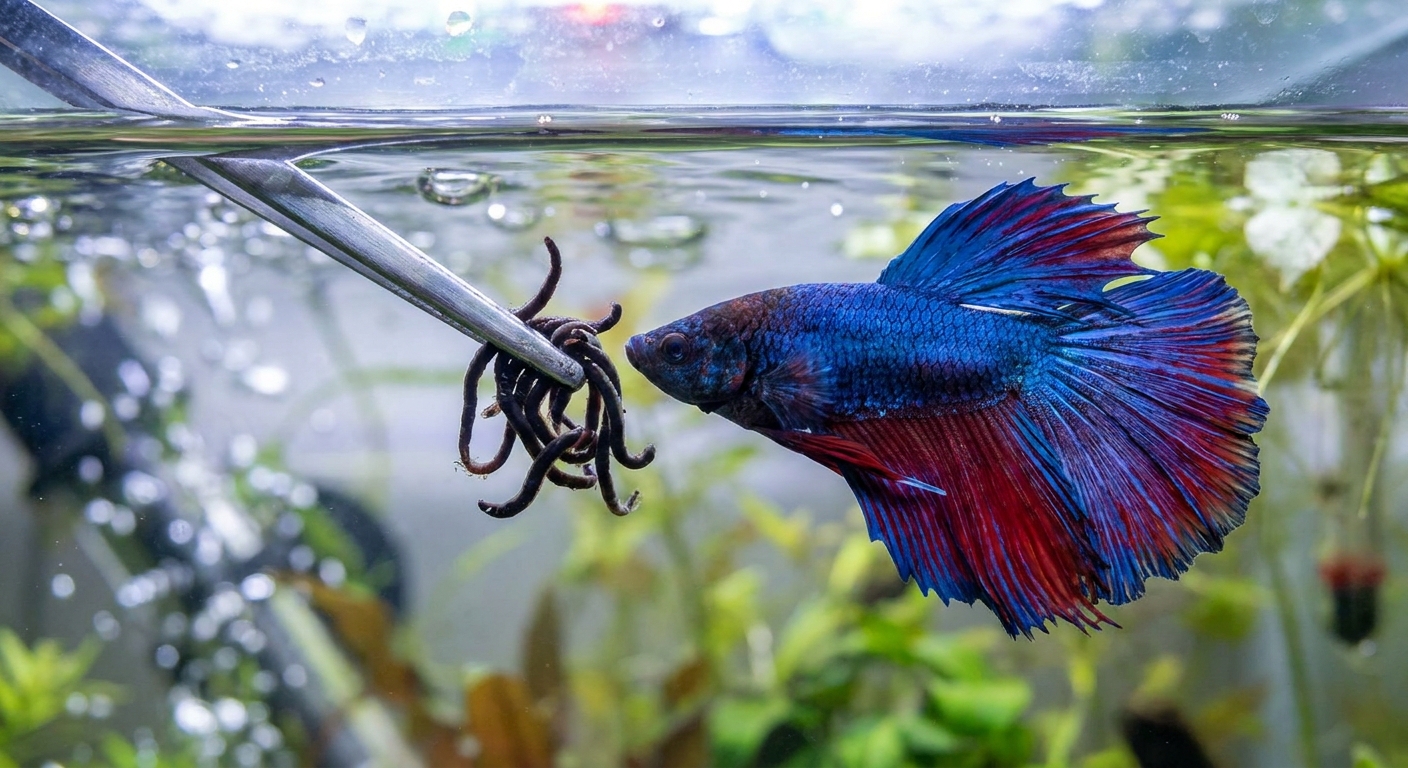
6) Blackworms (live)
Live blackworms are wriggly, irresistible, and they can be a strong appetite booster. Because they are so tempting, portion control is extra important.
Why they help
- Excellent for picky eaters who ignore pellets
- Encourages natural stalking and striking behaviors
How to feed safely
- Buy from reputable sources and keep them clean, cool, and well-rinsed per supplier instructions.
- Feed a very small pinch and remove uneaten worms.
- Use as an occasional treat, about 1 time per week.
7) Micro worms or grindal worms (live)
These tiny live worms are especially handy if you want a small, wiggly food that is easy for bettas to catch without turning feeding time into a messy snowstorm of leftovers.
Why they help
- Small size makes them easy to eat and portion
- Live movement adds enrichment and feeding response
How to feed
- Harvest a small amount and offer sparingly. A little goes a long way.
- Great as a mini treat on days you are not feeding heavier frozen foods.
- 1 to 2 times per week is a good rhythm.
A simple weekly schedule
Here is a gentle, variety-rich example for an adult betta in good condition. Keep your main meals as high-quality pellets, then sprinkle in treats.
- Mon: Pellets only
- Tue: Brine shrimp (small portion)
- Wed: Pellets only
- Thu: Daphnia (small portion)
- Fri: Pellets only
- Sat: Bloodworms or mosquito larvae (tiny portion)
- Sun: Pellets only, or a light day if your betta looks bloated
Juveniles: Young, fast-growing bettas often do better with slightly more frequent meals (still tiny portions) and fewer heavy treats. If you are unsure, keep treats minimal until you see steady growth and a stable, smooth body shape.
Adjust based on age, activity level, and body shape. A betta should look smoothly filled out, not pinched behind the head and not round like a marble.
Portions without overfeeding
Use the 1 to 2 minute rule
Offer a little, wait, and stop when your betta slows down. Most treat portions should be eaten within about 1 to 2 minutes. If pieces drift away or hit the bottom, you are feeding too much at once.
Feed smaller, not fewer
Instead of a big chunk of food, give multiple tiny bites. It keeps water cleaner and is easier on your betta’s digestion.
Watch the belly and the poop
- Normal: active, interested in food, belly not swollen, poop is generally short and dark (often brownish) and not persistently white or stringy
- Too rich or too much: bloating, long stringy waste (especially if it stays pale over multiple poops), lethargy, refusal to eat
If anything seems “off,” pause treats and stick to a conservative pellet routine while you check water parameters and temperature stability. For overall wellness guidance, browse Health & Wellness.
Frozen vs live: color support
Both can help, mostly by improving overall nutrition and condition compared to a one-food diet. But if your goal is color, remember the direct link is often pigments (like carotenoids) plus low stress and great water quality.
- Frozen foods are convenient, consistent, and often safer than unknown live sources when thawed correctly.
- Live foods add exercise and enrichment because your betta has to hunt, which can support vigor and appetite.
The best choice is the one you can feed cleanly and consistently without stressing your tank’s water quality.
Foods to be cautious with
- Freeze-dried treats: not “bad,” but they are easy to overfeed and can float and stay dry if you toss them in straight. Soaking briefly can help them sink, soften, and make portioning easier.
- Tubifex from unreliable sources: these are commonly flagged in the hobby for contamination and parasite risk when poorly sourced. If you use them, be extra picky about where they come from, and consider safer alternatives like frozen foods.
- Large insects or big chunks: choking and constipation risks go up when pieces are oversized.
- Random outdoor live foods: pesticide and parasite risks are real. Source responsibly.
FAQ
Will these foods make my betta more colorful?
They can support brighter color by improving overall nutrition and encouraging strong appetite and activity. For best results, pair good food with stable warm water, low stress, and a clean cycled tank. Also consider that a quality pellet with added pigments can matter more than treats alone.
How often should I feed frozen or live foods?
Most adult bettas do well with treats 2 to 4 times per week total, divided into small portions, with pellets as the staple.
What is the best single choice if I only pick one?
Brine shrimp are a great all-purpose option: widely available (especially frozen), easy to portion, and a nice protein change-up from pellets.
Keep it vibrant and clean
Color and vitality come from the whole picture: a stable warm tank, clean water, and a menu that stays interesting. Add one new food at a time, keep portions tiny, and enjoy those little hunting bursts and fin-flashing moments.
Want more nutrition guidance? Swim over to Diet & Nutrition for more tasty care notes.