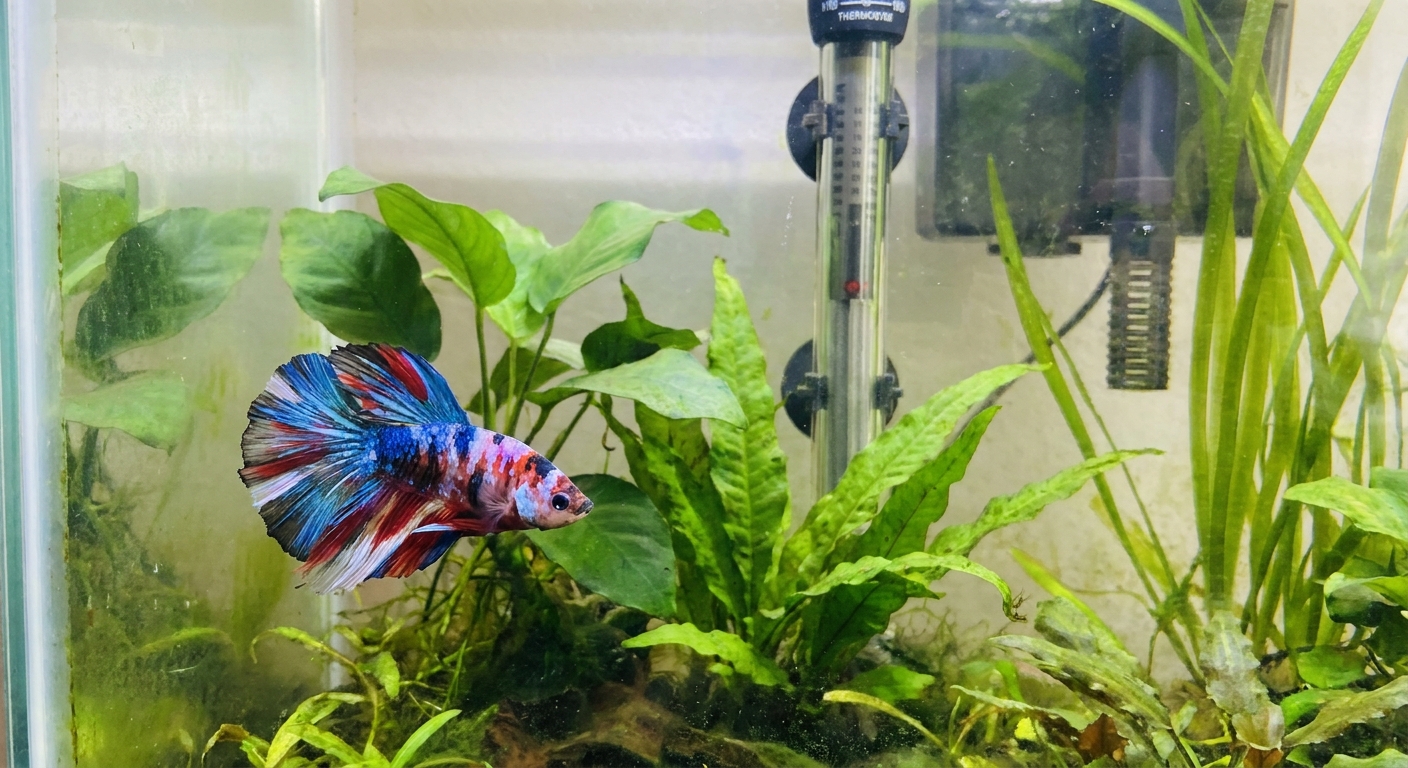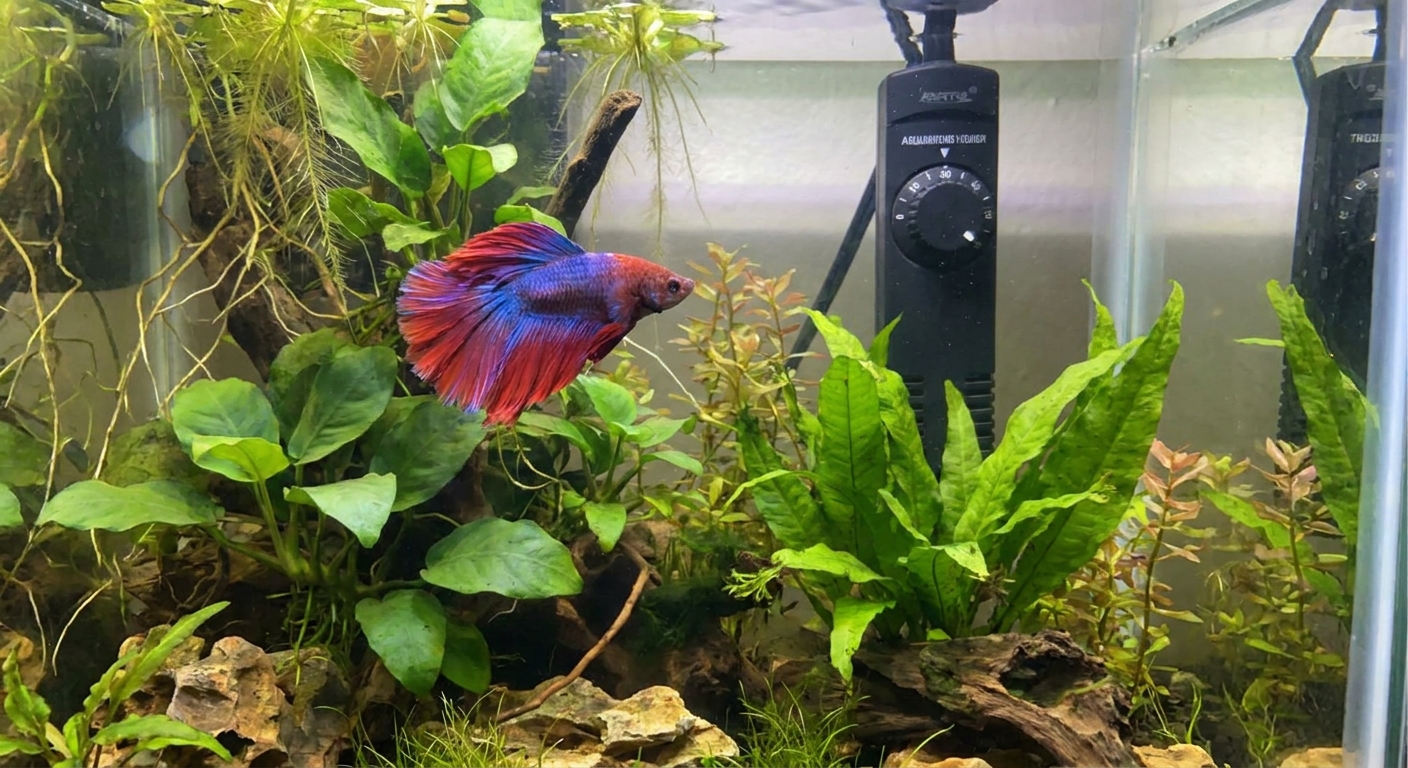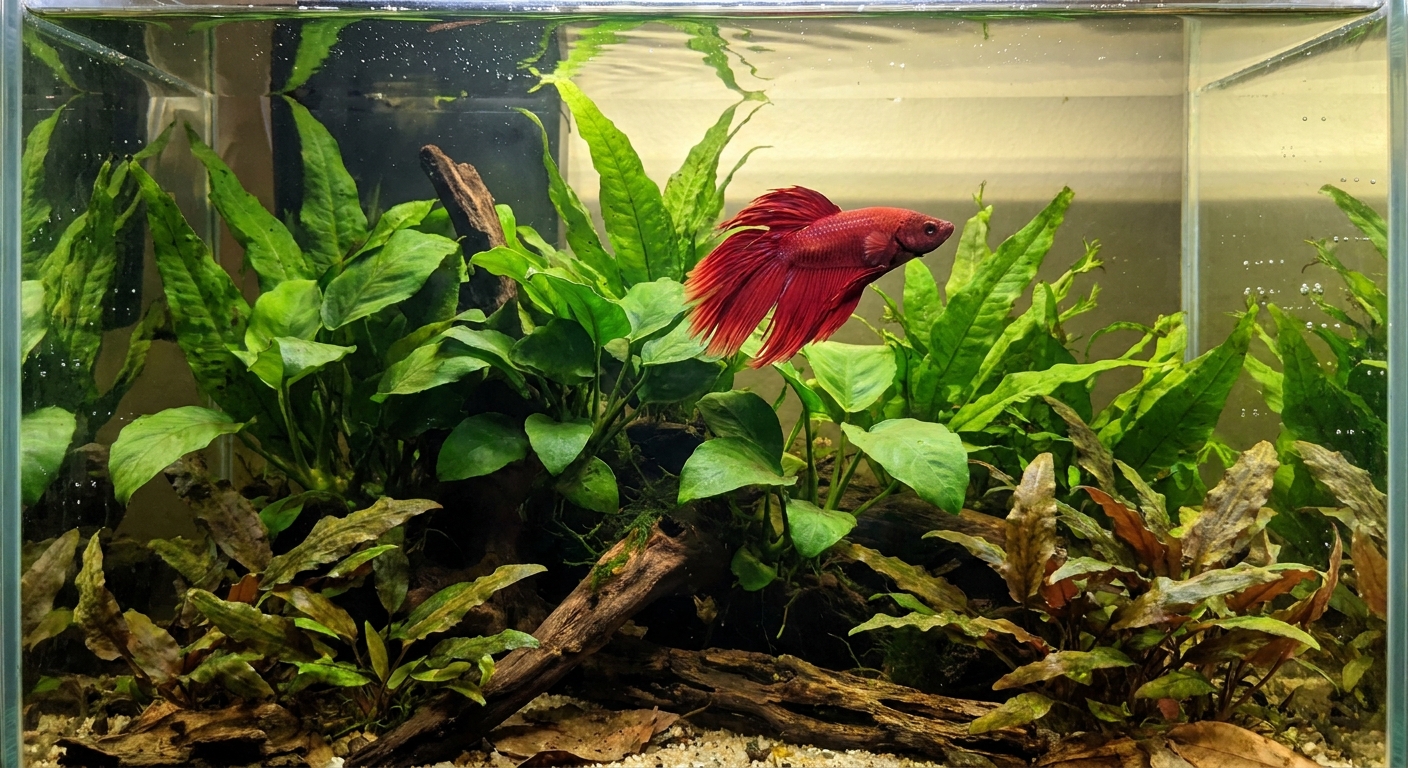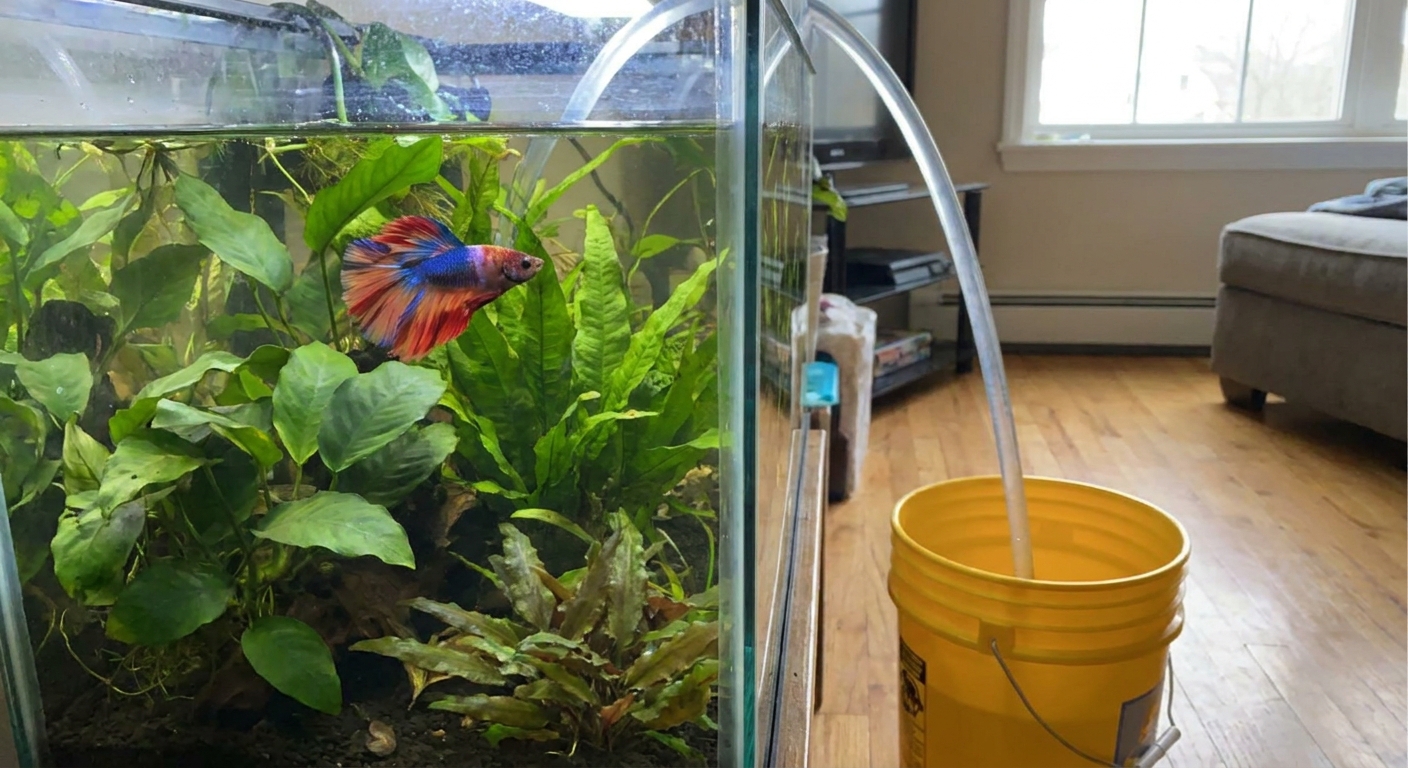

Let’s make your tank the happiest little splash in the house. And yes, that includes nap time. Betta fish have some truly goofy resting styles, from hovering like a tiny submarine to flopping on a leaf like a sleepy pancake. The trick is learning what normal betta sleep looks like, and what “sleepy” behaviors are actually red flags.
Do betta fish sleep?
They do. Bettas rest and enter low-activity periods, often at night when the tank is dark and quiet, but many also take short naps during the day. They do not sleep the exact way humans do, but you’ll notice:
- Less movement and slower fin motion
- A favorite “parking spot” they return to
- Slower responses to you walking by
- More rest after lots of activity, big meals, or stressful changes
Because bettas can breathe air with their labyrinth organ, some choose rest spots near the surface so surfacing takes less effort. Others will sleep lower in the tank, tucked into plants or on the substrate, especially if the water is warm, clean, and calm.
Normal betta sleeping positions
Healthy bettas can sleep in positions that look alarming at first glance. Here are common “normal” rest styles and what they usually mean.
1) Leaf napping or hammock resting
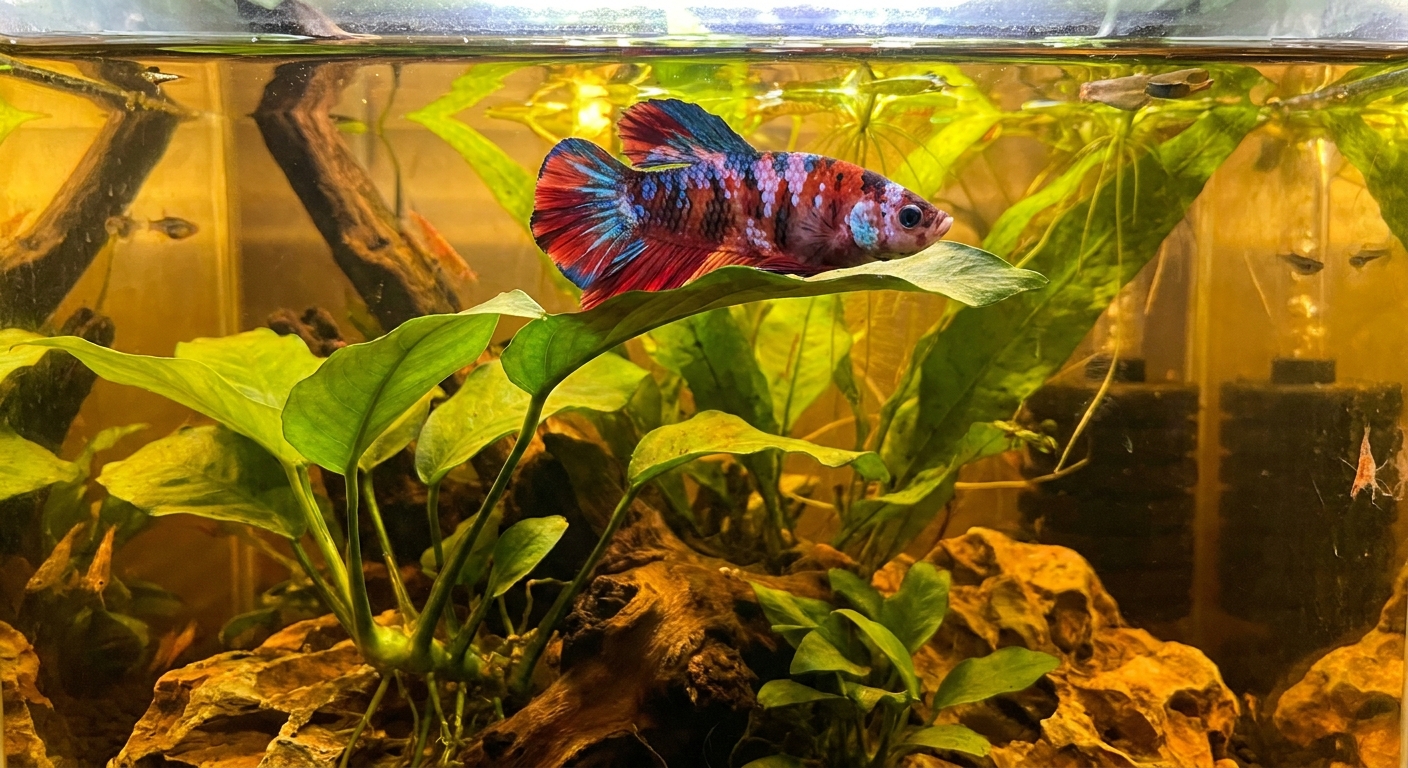
Many bettas rest their belly on a plant leaf, a betta hammock, or a broad decoration ledge. This is one of the most classic, healthy sleep poses, especially if the fish perks up after lights come on.
2) Hovering in place
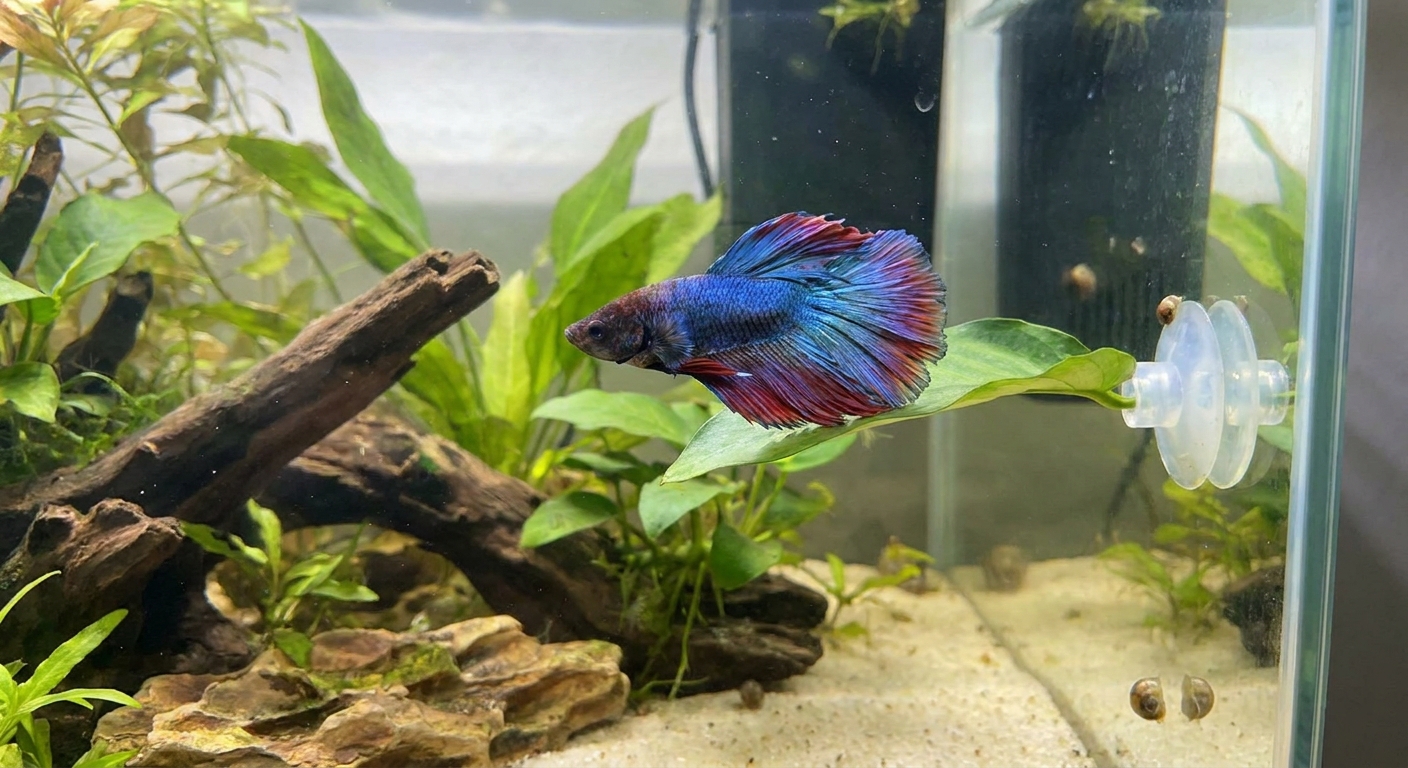
Your betta might sleep while hovering, barely moving fins to stay steady. This is common in gentle flow or in a cozy corner of the tank.
If your betta is getting pushed around while trying to rest, check filter flow and consider adjusting it. A calm current helps sleep look like sleep, not struggle.
3) Floating near the surface
Some bettas rest at the surface, tilted slightly upward so they can surface for air with less effort. This can be normal, especially if the tank is warm, the surface is calm, and the fish acts normal during the day.
If floating comes with gulping, frantic hovering at the surface, or lethargy all day, treat it like a possible problem and review the warning-sign section below.
4) Resting on the substrate
Bettas can sleep on the bottom, leaning against sand, gravel, a plant base, or decor. This is more common in older bettas, long-finned varieties, or fish that simply found a “safe cave” feeling spot.
Bottom-resting can be normal if:
- Your betta has normal appetite and activity when awake
- Breathing looks steady and not strained
- Color looks normal, not pale or gray
- They move away if gently disturbed
If bottom-resting is new and paired with other symptoms, take it seriously.
5) Wedging into plants or decor
Bettas love feeling tucked in. A fish that sleeps “snuggled” between stems or beside a hide can be completely fine. This is one reason enrichment matters. Betta-friendly hides and plants give them safe places to power down.
For cozy, safe rest zones, see 7 essential tank decorations for betta hiding spots and enrichment.
When sleeping is a warning sign
Some illnesses and environmental problems can look like sleep, especially in the early stages. Use the clues below to sort out a normal nap from a fish that needs help.
Red flags that are not typical sleep
- Lethargy all day, not just at night or after lights-out
- Heavy or rapid breathing
- Breathing that looks uneven, like one gill working harder than the other
- Clamped fins (fins held tight to the body)
- Loss of appetite or spitting out food
- Pale color, horizontal stress striping (more common in females), or a dull, gray look
- Hiding constantly and not coming out even for food
- Balance problems like rolling, listing, or uncontrolled floating
- Sitting on the bottom and refusing to move even when the room is bright and active
- Gasping at the surface, especially if the gills look like they are working hard
If you’re seeing multiple red flags at once, assume it is not simple sleep.
Quick checks to do first
Many “sleepy” bettas are reacting to stress. Before guessing a disease, check the basics that most often cause sudden lethargy.
- Test the water: If you can, test ammonia, nitrite, and nitrate right away. Ammonia or nitrite exposure can cause lethargy and surface distress. If your tank is new or recently changed, revisit how to cycle a new betta fish tank.
- Temperature: Bettas do best in stable warmth. Chilly water can make a betta slow and inactive. Double-check your thermometer is accurate and review setup tips in betta tank temperature and heater placement.
- Filter flow: Too much current can exhaust a betta, especially long-finned types. A tired fish may “rest” awkwardly because it cannot hold position comfortably.
- Lighting: Constant bright light can keep a betta stressed and restless, and disrupt normal day-night rhythm. See betta fish lighting requirements.
If stress seems likely, compare what you’re seeing with 7 signs of stress in betta fish and how to fix their environment.
Sleeping vs sick checklist
If you find your betta in a dramatic pose, use this calm little checklist before you panic-splash.
- Is it the usual rest time? Many bettas rest after lights-out, but short daytime naps can be normal too.
- Does your betta rouse within a minute or two? A sleeping betta will usually respond to gentle room movement or you approaching the tank.
- Is breathing steady? Watch the gill area for smooth, regular movement.
- Are fins relaxed, not clamped? Sleeping fins may droop slightly, but clamped fins look tightly pinned.
- How does your betta act after wake-up? Normal bettas return to typical swimming and curiosity.
- Any new physical symptoms? Spots, fuzz, pineconing scales, swelling, or torn fins shift the situation from “sleep” to “health check.”
If your betta looks unwell once awake, consider moving to a dedicated care setup. This guide can help: how to set up a hospital tank for a sick betta fish.
Common problems that mimic sleep
These issues can mimic sleep because they reduce energy or change buoyancy. This is not a diagnosis, but it can help you decide what to look for next.
Stress and exhaustion
Causes can include strong flow, no hiding spots, sudden changes, aggressive tank mates, or constant light. A stressed betta may hide and stay still, especially in corners or behind equipment.
If tank mates are involved, compatibility matters a lot. Start with introducing tank mates to a territorial betta and avoid these risky picks: 10 worst tank mates for betta fish.
Constipation and bloating
A constipated betta can become lethargic, bottom-sit, or hover oddly because their buoyancy feels off. Look for a swollen belly, reduced poop, or trouble staying level.
Feeding adjustments help most. See how much and how often to feed a betta fish and the deeper digestion guide betta constipation: daphnia vs. the pea myth.
Buoyancy issues
Buoyancy trouble can make a fish look like it is “sleeping wrong,” especially if it is stuck at the top or tipping sideways. Often, these issues trace back to constipation, stress, or water temperature rather than permanent swim bladder damage.
Prioritize warm, clean water and gentle feeding. If symptoms worsen or the fish cannot right itself when awake, it is time for a closer health response.
Parasitic or bacterial illness
Illness often comes with additional signs beyond rest, like flashing, sores, fuzz, rapid breathing, or fin deterioration. If you suspect disease, these condition guides may help you recognize patterns:
How to support healthy betta sleep
Good sleep is really just good husbandry with a day-night rhythm. Here’s how to set your betta up for comfy, normal resting behaviors.
Use a consistent light schedule
A predictable “day” and “night” helps your betta settle into regular rest. A common target is 8 to 10 hours of aquarium light daily, with darkness at night. Avoid leaving aquarium lights on late into the night. If algae is a concern, adjust light duration and intensity rather than running the tank like a stadium.
Add easy rest spots near the surface
Long fins can make it tiring to swim up for air repeatedly. Offer broad-leaf plants, silk plants, or a betta hammock so resting near the top is effortless.
Plant choices matter. For a gentle guide, visit live vs. silk plants for bettas.
Make the current betta-friendly
If your betta always sleeps plastered against the intake area or looks like it is battling the flow, the filter may be too strong. Adjust flow, add a baffle, or choose a gentler option. More here: choosing the right filter for a betta tank.
Keep water clean and steady
Poor water quality can turn normal rest into dangerous lethargy fast. A steady cleaning routine supports energy, appetite, and peaceful sleep. See betta tank cleaning routine and water change schedule.
Reduce stress with cover and enrichment
Bettas rest best when they feel safe. Add hides, plants, and calm zones. If your fish is constantly spooked, stressed sleep can look like “freezing.”
Enrichment ideas live here: Behavior & Enrichment.
FAQ
Why does my betta sleep sideways?
Side-sleeping can be normal, especially if your betta is propped on a leaf, tucked into plants, or resting against decor. It becomes concerning if the fish cannot right itself when awake, shows buoyancy problems, or is lethargic all day.
Why does my betta sleep at the top of the tank?
Often it is convenience. Bettas breathe air, so resting near the surface can feel safe and easy. If top-hanging comes with gasping, rapid breathing, or low activity during the day, check temperature, water quality, and flow.
Can a betta sleep with its eyes open?
Yes. Fish do not have eyelids, so betta “sleep face” still looks wide-eyed. Use body posture, breathing, and responsiveness to judge rest versus illness.
How long do bettas sleep?
It varies. Many bettas rest in blocks through the night and may take short daytime breaks. The most important clue is consistency. Normal sleep looks similar from day to day in a stable tank.
My betta is sleeping more than usual. What should I do first?
Start with the basics: test ammonia and nitrite, confirm heater stability with a reliable thermometer, and double-check recent tank changes. Then look for stressors like high flow or aggressive tank mates. If your betta is also not eating, clamping fins, or breathing hard, move quickly into a health-focused response and consider a hospital tank.
Takeaway
A betta draped over a leaf, floating in a corner, or snoozing on the substrate can be perfectly normal. What matters is the whole picture: energy when awake, breathing, appetite, and whether this is your betta’s usual routine.
When in doubt, stabilize the environment, reduce stress, and watch for changes over the next day. Most bettas will pop right back into their bright, curious selves once their tank feels safe and steady.