Let’s make your tank the happiest little splash in the house, starting with those beautiful fins. Fin rot can look scary fast, but the good news is this: most bettas improve quickly when you clean up the water, remove stressors, and use the right treatment for the severity.
What fin rot is (and what it is not)
Fin rot is fin tissue breaking down, most often tied to an infection that takes advantage of stress and poor water quality. That said, fin damage can start as something non-infectious (a snag on decor, fin nipping, or self-biting) and then become infected secondarily. Either way, clean water and removing the source of damage are the foundation.
The most common culprits are bacteria (often) and fungus (less often). Also note: “fuzzy” or cottony-looking patches are not always fungus. Sometimes they are bacterial issues (or fungus growing on already-damaged tissue), which is why you want to treat based on the overall picture, not just one symptom.
It is easy to confuse fin rot with:
- Tail biting: chunks missing that appear suddenly, often with clean-looking “bites.”
- Fin nipping (from tank mates): ragged tears that keep reappearing.
- Mechanical tears: splits or snags from plastic plants, rough rocks, or tight decorations.
- New fin growth: thin, clear or pale edges that look delicate but are actually healing tissue.
- Chemical irritation (like ammonia burn): fins may look ragged, but you will usually see other stress signs too. Testing the water tells the truth.
Early signs to catch fast
Fin rot is easiest to treat when it is mild. Watch for these early clues:
- Ragged fin edges that look fuzzy or uneven, especially if it gets worse over days.
- Discoloration at the fin edge, often black, brown, gray, or red.
- Fins clamped more often or your betta resting more than usual.
- Small holes developing in fins (not just one clean tear).
- Inflamed fin base where the fin meets the body.
If you see the rot marching inward toward the body, or your betta seems unwell overall, treat it as urgent.
Common causes (the real root of the problem)
Medication can help, but fin rot usually starts with conditions that weaken your betta’s immune system. The big causes:
- Uncycled or unstable tanks leading to ammonia or nitrite exposure. If your tank is new, follow How to Cycle a New Betta Fish Tank.
- Infrequent or inconsistent water changes, dirty gravel, or decaying food. A steady schedule matters, see Betta Tank Cleaning Routine and Water Change Schedule.
- Wrong temperature (too cool, fluctuating) which slows immunity. Use Betta Tank Temperature and Heater Placement as your guide.
- Stress from strong flow, no hiding spots, constant flaring at reflections, or incompatible tank mates.
- Injuries from rough decor or plastic plants. Soft plant options are covered in Live vs Silk Plants for Bettas.
Quick reality check: fin rot often shows up after a water quality slip, even a brief one. A single missed water change plus overfeeding can be enough to start trouble.
Step-by-step: How to treat fin rot safely
This plan moves from gentle to stronger treatment based on severity. If your betta is struggling to breathe, is severely lethargic, has body sores, or the rot is at the fin base, skip to When fin rot is severe or not improving and consider contacting an aquatic vet.
Step 1: Test water and fix the environment first
Before any meds, clean water is your number one “medicine.”
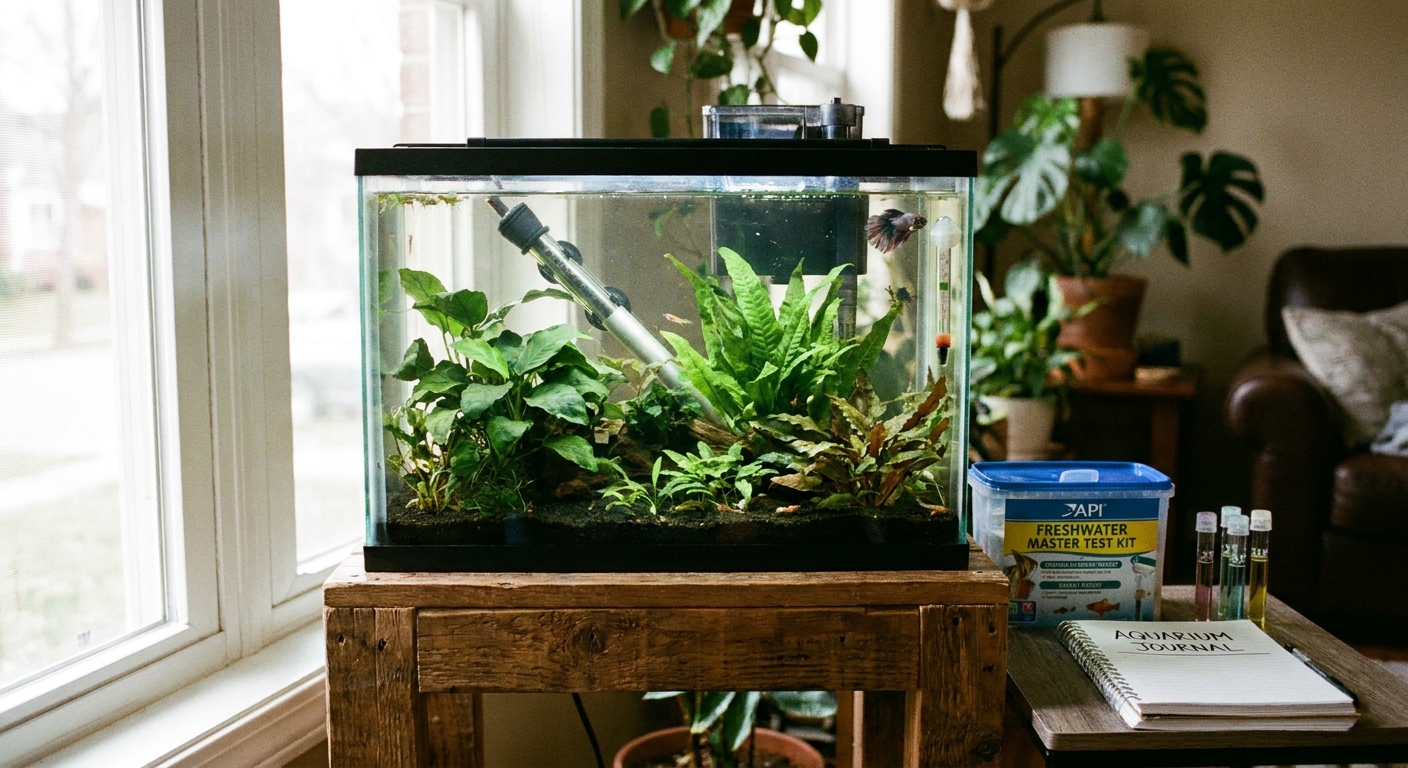
- Test ammonia, nitrite, nitrate with a reliable liquid test kit.
- Target readings: ammonia 0, nitrite 0. For nitrate, aim for under 20 ppm when possible, and remember that lower is generally better. Avoid chronically high nitrates.
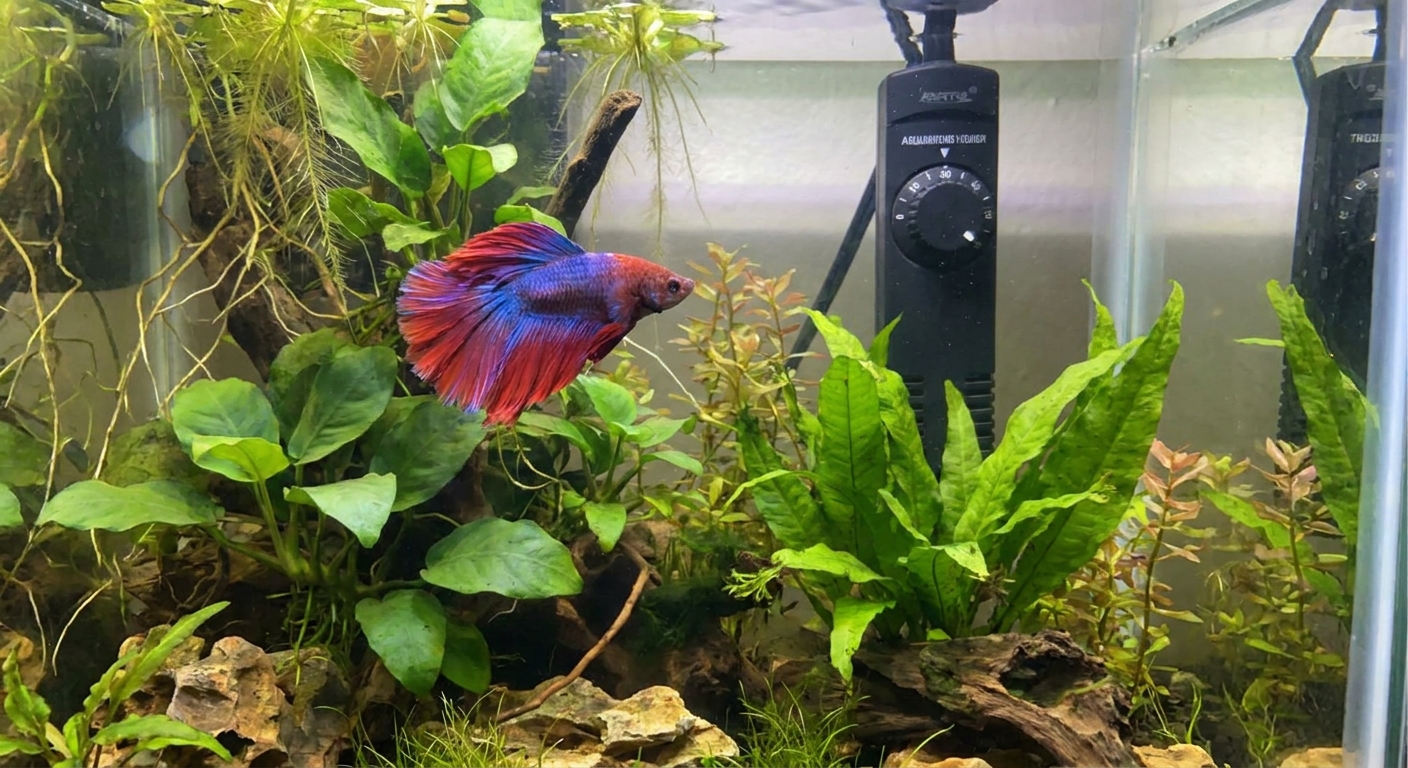
- Check temperature: steady warmth, with many bettas thriving around 78 to 80°F.
- Check flow: if the filter is blasting your betta, baffle it or adjust it. See Choosing the Right Filter for a Betta Tank.
If you use tap water, always dechlorinate it. Here’s the safe method: How to Prepare Tap Water for a Betta Tank.
Avoid “crashing the cycle” while cleaning: do not replace all filter media at once, and do not rinse filter media in untreated tap water. Gentle, partial cleaning keeps your beneficial bacteria working for you.
Step 2: Do a “healing” water change routine (mild to moderate fin rot)
For mild fin rot, clean water alone can stop the infection and allow regrowth.
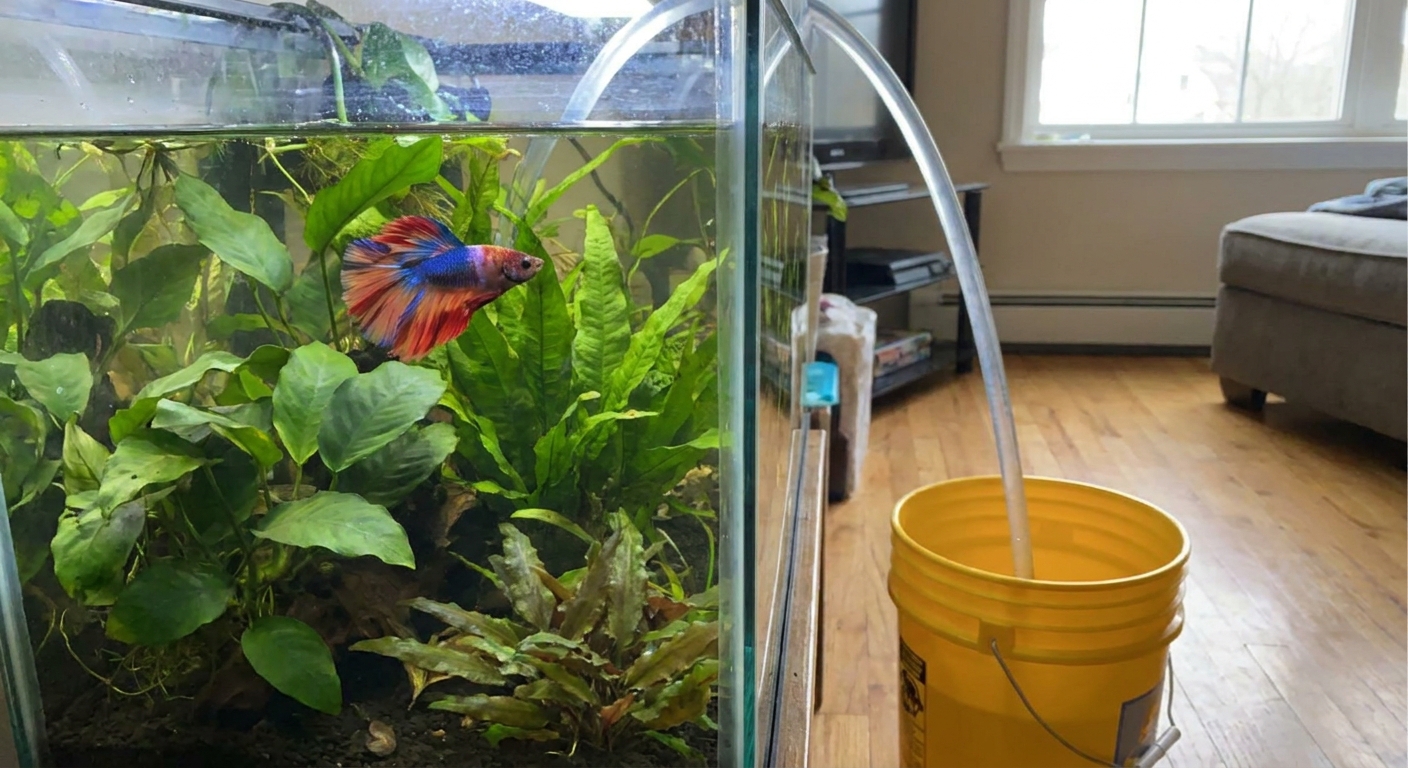
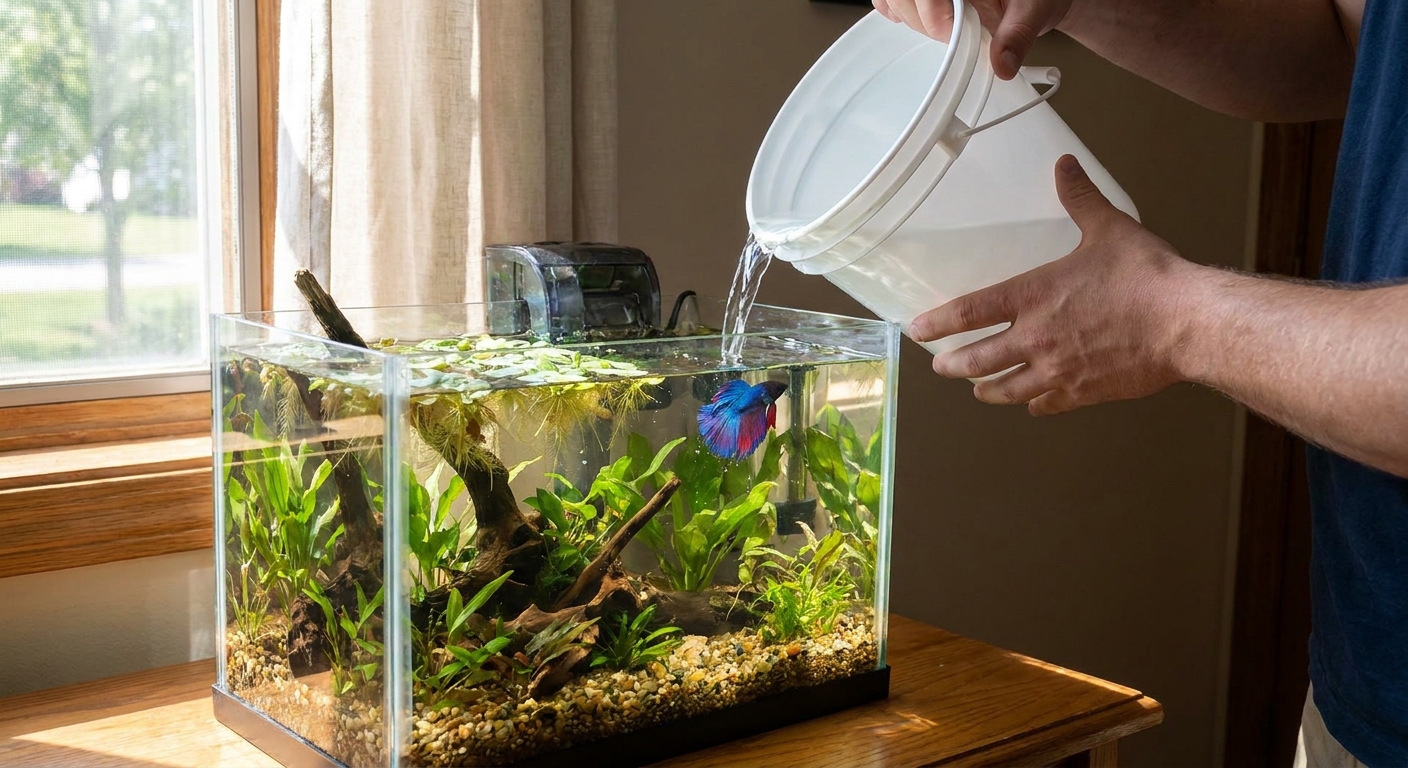
- Water change size: 25 to 40 percent.
- Frequency: every day or every other day for 7 to 10 days, then reassess.
- Gravel vacuum: lightly remove waste from the substrate during changes.
- Match temperature: new water should be close to tank temperature to avoid stress.
If the tank is not cycled or you detect ammonia or nitrite, you may need daily changes until readings stabilize.
Step 3: Remove fin-damaging stressors
- Swap sharp decor for smooth hides and soft plants. Bettas love cozy cover, see 7 Essential Tank Decorations for Betta Hiding Spots and Enrichment.
- Separate bullies if tank mates are nipping. Compatibility matters, visit Tank Mates & Compatibility.
- Dial in feeding to avoid water fouling. Use How Much and How Often to Feed a Betta Fish and check Signs You Are Overfeeding Your Betta Fish.
Step 4: Decide if you need medication
Use this simple severity guide:
- Mild: slightly frayed edges, minimal discoloration, your betta is acting normal. Start with water changes and stress reduction.
- Moderate: fraying is clearly advancing over several days, discoloration is spreading, small holes appear, mild clamping or low energy. Add targeted treatment.
- Severe: rot is racing toward the body, fin base looks inflamed, bloody edges, body symptoms (swelling, sores), your betta is very lethargic or off food. Treat aggressively and fast.
Step 5 (moderate cases): Consider aquarium salt carefully
Aquarium salt can reduce stress and help with minor external issues, but it is not ideal for long-term use and is not safe for every setup (many live plants and some tank mates are salt-sensitive).
- Best use: short-term support in a bare hospital tank when you can control dosing.
- Avoid: routine “salt in the main tank forever.”
- Never use: table salt.
Because salt dosing depends heavily on tank size, species in the tank, and plant sensitivity, follow the directions on your specific aquarium salt product and stop if your betta shows worsening stress.
Step 6 (moderate to severe): Use the right medication for the likely cause
Fin rot is most often bacterial. True fungal infections are less common, but fungus can show up secondarily on damaged tissue. “Cottony” patches can be fungal, but can also be bacterial, so choose a medication that fits what you are seeing and what it is labeled to treat.
- For bacterial fin rot: choose a medication labeled for bacterial infections in freshwater fish and fin rot. Follow the package directions exactly.
- For suspected fungal involvement: choose an antifungal or combo medication labeled for fungus and fin rot.
Important medication safety tips:
- Remove activated carbon from your filter during treatment (carbon can adsorb meds).
- Add extra aeration as a safety step. Some medications can reduce oxygenation or increase a fish’s oxygen demand, and extra surface movement helps.
- Do not mix medications unless the label specifically says it is safe.
- Finish the full course even if fins look better halfway through.
Step 7: Consider a simple hospital tank setup
A hospital tank can make treatment safer and cleaner, especially if the main tank has plants, invertebrates, or other fish.
- Tank: a small, heated container works.
- Filtration: a seasoned sponge filter is ideal. If the hospital tank is uncycled (very common), plan on frequent testing and water changes, since medications can complicate biological filtration.
- Bottom: bare bottom for easy waste removal.
- Decor: one smooth hide and a silk plant for comfort.
- Water: freshly conditioned, matched temperature.
If the main tank is the cause, treating only the fish without fixing the main tank usually leads to fin rot returning.
What not to do
- Do not dump in random “natural cures” like essential oils or mystery additives.
- Do not add salt routinely to a planted or community tank as a default habit.
- Do not combine multiple medications blindly.
- Do not do 100% water changes as your normal plan. Save that for true emergencies, and only if you can match temperature and conditioner properly.
How to tell it’s healing
Healing fins often look a little different at first. Good signs include:
- Fraying stops progressing within a few days of improved water and treatment.
- New fin growth appears as a thin, clear, white, or pale edge.
- Energy improves and your betta is more active and curious.
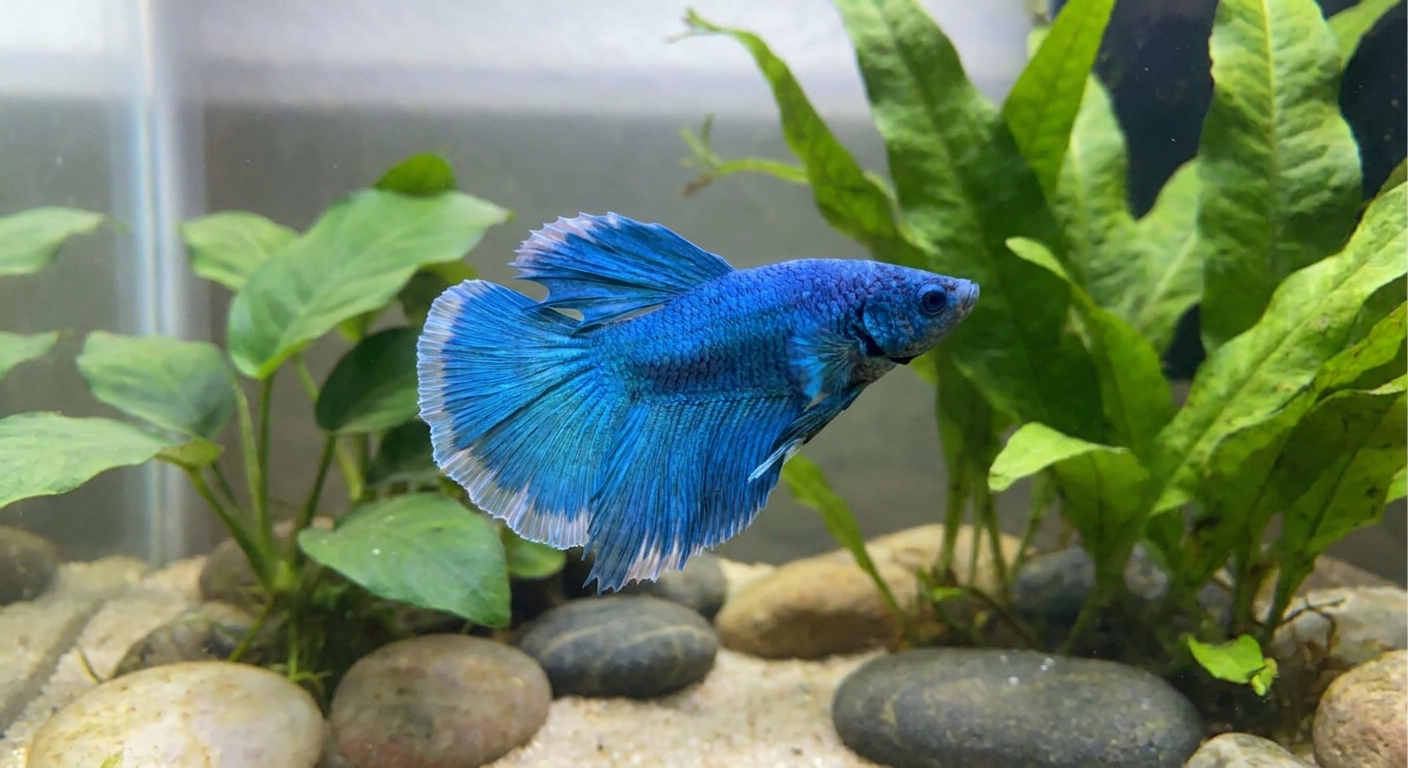
Fin regrowth takes time. You may see improvement quickly, but full regrowth can take weeks depending on how much tissue was lost and how stable the tank stays.
When fin rot is severe or not improving
If you have done frequent water changes and a correct medication course and the rot still advances, treat this as urgent.
- Recheck water parameters immediately. Hidden ammonia spikes are common during illness.
- Look for ongoing injury from decor, suction intakes, or nipping that keeps the wound open.
- Confirm temperature stability and reduce stress (dim lights, add cover).
- Consider an aquatic veterinarian for guidance if the fin base is infected, there are body sores, or your betta is declining.
If your betta stops eating during this time, review Why Is My Betta Fish Not Eating? 8 Common Causes and Solutions and keep the focus on clean, warm, stable water while you troubleshoot.
Preventing fin rot (the long-term win)
Once fins are on the mend, prevention is all about consistency and comfort.
- Keep a steady cleaning routine and avoid “oops weeks.” Use this cleaning schedule as your baseline.
- Cycle the tank and protect the beneficial bacteria during maintenance. Reference cycling basics.
- Use a heater and keep temps stable. See heater placement tips.
- Choose safe decor and soft plants. Start with enrichment essentials and plant options.
- Feed cleanly so food does not rot in the substrate. See feeding amounts.
A calm betta in clean water is a fin-rot-fighting champion. Keep things steady, and those fins can stay bright, full, and fabulous.
Fin rot FAQ
Is fin rot contagious?
The bacteria involved are often already present in aquariums, but fin rot is more about opportunity than exposure. Poor water quality, stress, and injuries create the opening. In community tanks, multiple fish may develop issues if the environment is the problem.
Should I quarantine my betta?
If you have other fish, invertebrates, or sensitive plants, a hospital tank is often the safest way to treat. If your betta is alone, treating in the main tank can work well, as long as you remove carbon from the filter when medicating.
Can fin rot heal without medication?
Mild fin rot often improves with frequent water changes, stable heat, and stress reduction. If you see progression after a few days, step up treatment.
Why do the fin tips look clear after fin rot?
That thin clear edge is often new fin growth. Keep water pristine so it can thicken and color up over time.