Let’s keep things calm and clear, fin-friends. Dropsy can feel scary because it often shows up fast, and the most famous sign, that spiky “pinecone” look, can mean your betta’s body is struggling to manage fluids. While dropsy is sometimes treatable early, it is often a sign of a serious underlying problem. The kindest goal is quick action, gentle support, and keeping your betta comfortable.
What dropsy actually is
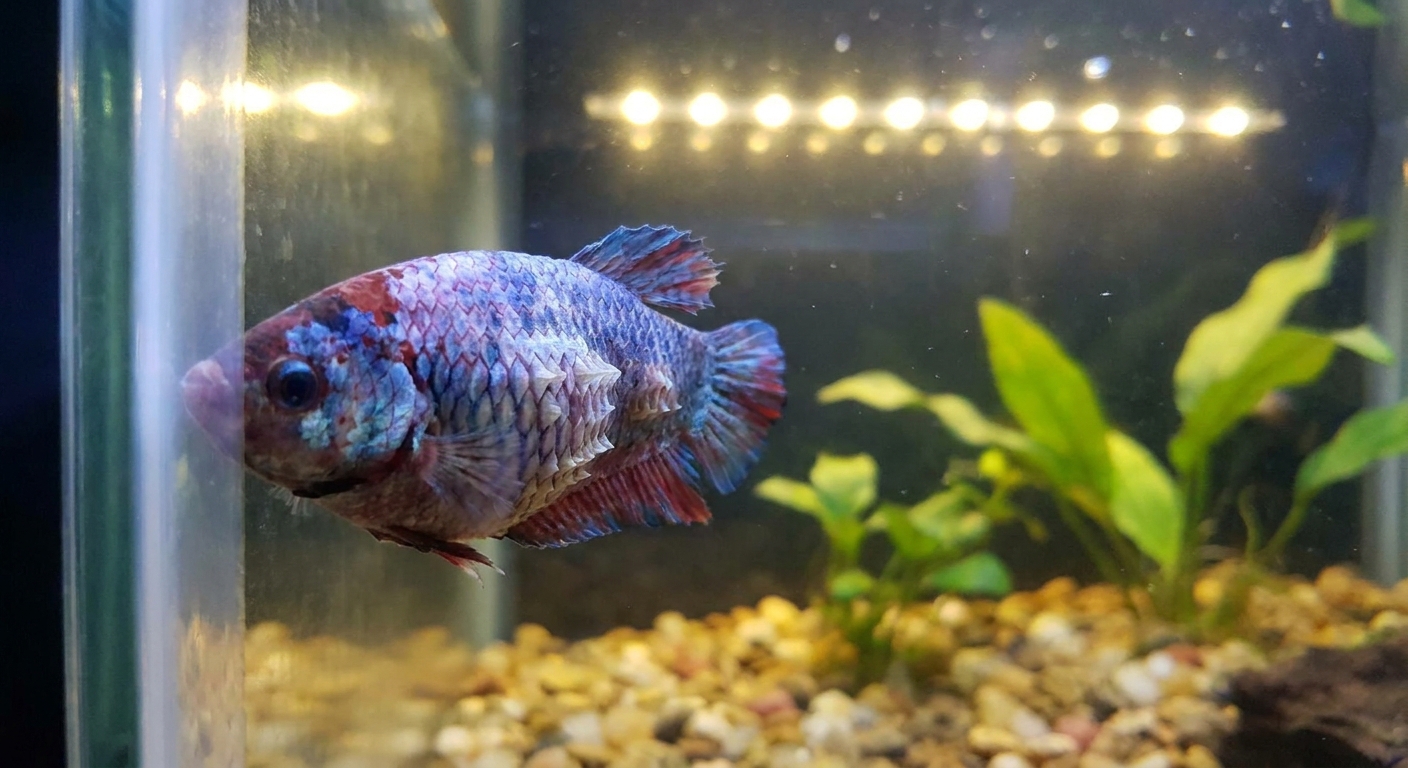
“Dropsy” is not one single disease. It is a symptom that means your betta is retaining fluid and swelling, often because organs like the kidneys, liver, or heart are not functioning well. That fluid buildup can happen in the body cavity (ascites), which can look like bloating, and it can also spread into tissues and push the scales outward.
Because dropsy has many possible causes, there is no one guaranteed home cure. What helps most is catching it early, correcting environmental stressors, and using supportive care while you seek expert help.
Common underlying causes
Dropsy usually has a root problem underneath it. These are common contributors in bettas:
- Bacterial infection (often internal), sometimes triggered by chronic stress or poor water conditions
- Long-term poor water quality (ammonia or nitrite exposure, high nitrate, unstable parameters)
- Temperature stress (too cold can slow digestion and immune function)
- Organ failure related to age, genetics, or chronic conditions
- Parasites or other systemic illness that damages organs over time
- Constipation and severe bloat that can look similar at first, but is not the same problem
- Tumors or internal masses that distort the body and interfere with normal fluid balance
If water quality has been shaky, that is one of the first things to fix because it affects everything else. If you need a reset on the basics, these guides help a ton: How to cycle a new betta tank and a betta tank cleaning routine and water change schedule.
Early warning signs
Early dropsy can be sneaky. The sooner you notice something is off, the better your odds of helping.
Body and posture changes
- Swollen belly that seems to worsen over 24 to 72 hours
- Uneven swelling (one side looks puffier), which can also suggest an internal mass
- Clamped fins and a generally tense posture
- Curved spine or difficulty keeping the body straight
Behavior changes
- Lethargy, resting more than usual, reduced exploration
- Hiding constantly or acting unusually skittish
- Labored breathing or hanging near the surface
- Loss of appetite or chewing and spitting food
Appearance changes
- Paler color or a dull look to the scales
- Bulging eyes (can happen with fluid issues)
- Redness at the base of fins or on the body (inflammation)
If eating has suddenly changed, this can help you sort possibilities: Why is my betta fish not eating?
Pineconing and what it means
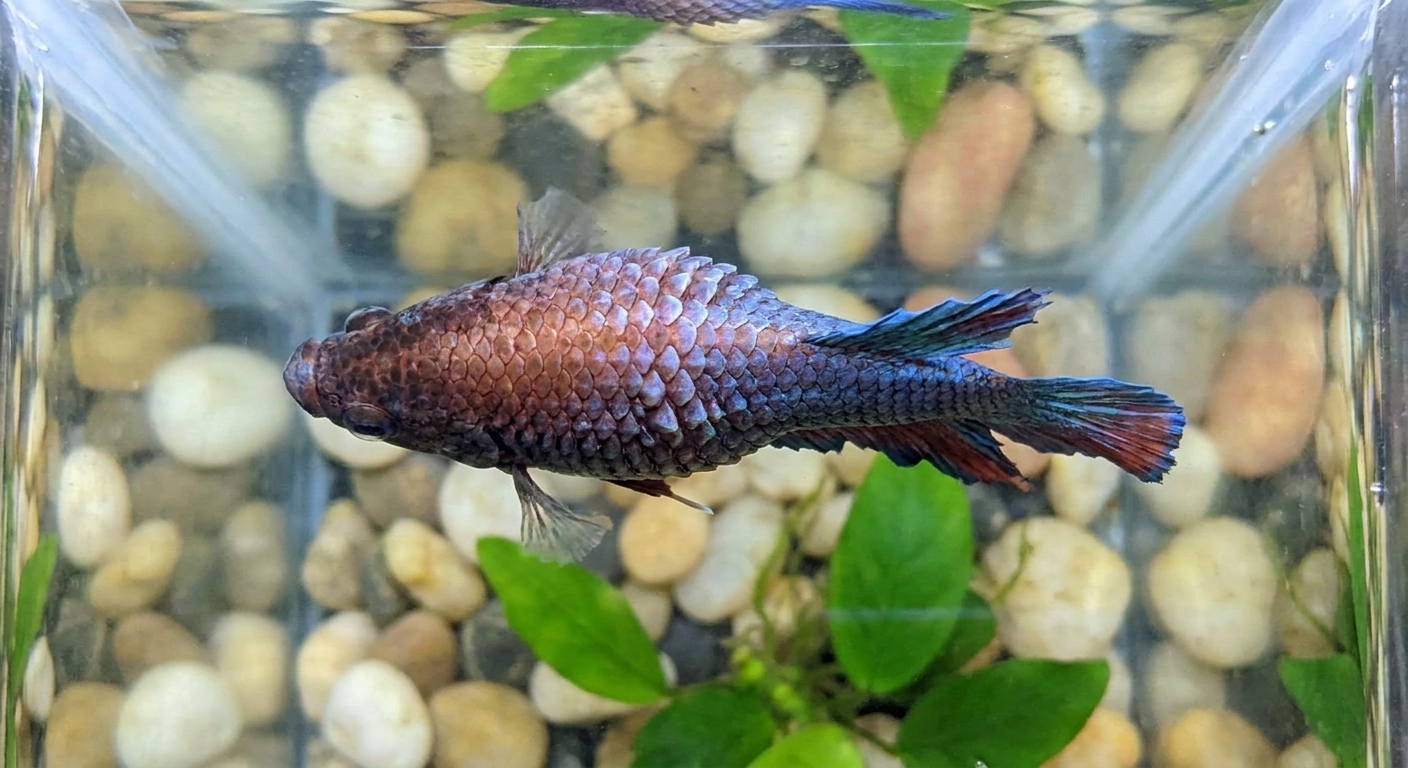
“Pineconing” means the scales are lifted outward so the fish looks spiky, especially when viewed from above. This typically happens when internal swelling and fluid pressure forces the scales away from the body.
Important: Pineconing is often a late-stage sign, but not always, and it can show up with several severe internal problems. No matter the cause, pineconing is always serious and time-sensitive.
First steps to take
When dropsy is suspected, the best immediate moves are the ones that reduce stress and improve oxygen and water quality.
1) Check and stabilize the environment
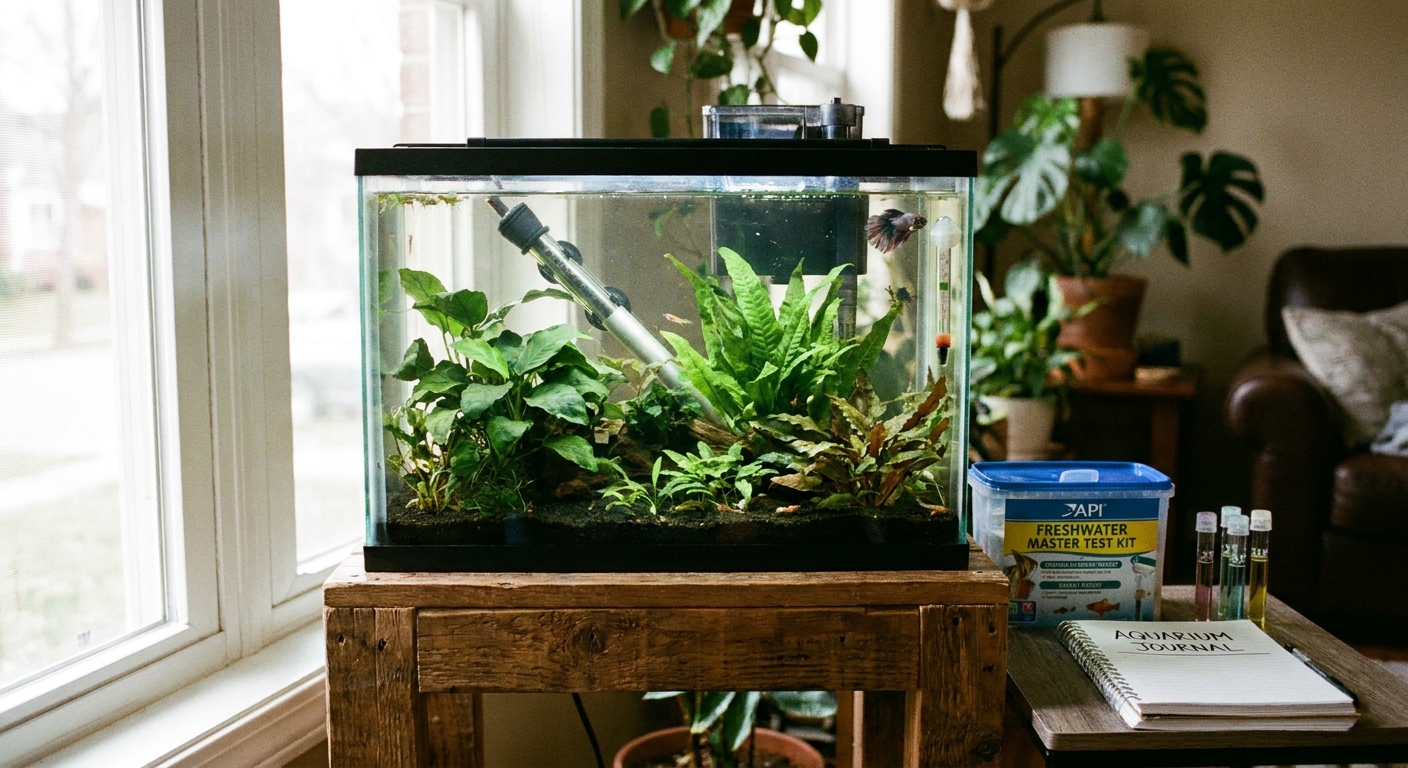
- Test water for ammonia, nitrite, and nitrate if you can.
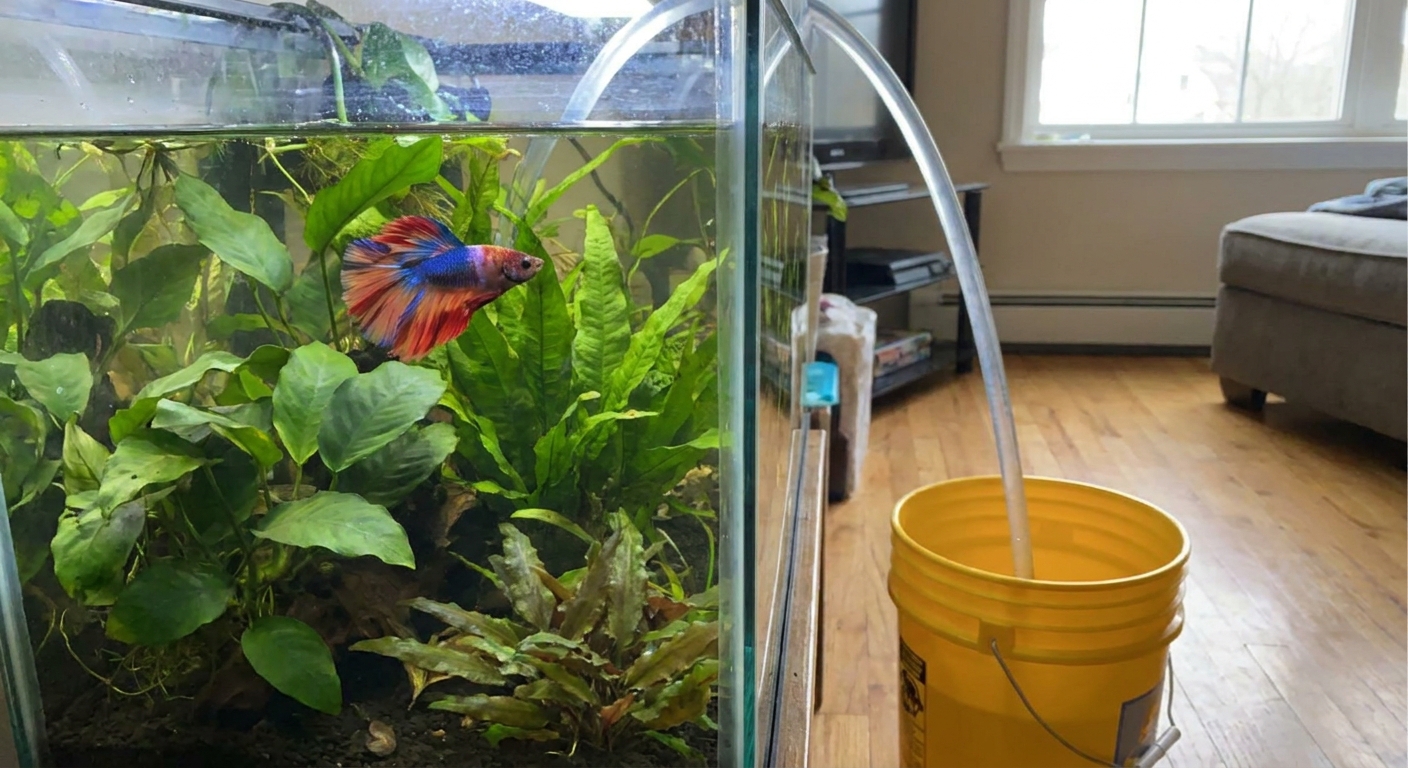
- Do a partial water change with properly conditioned, temperature-matched water.
- Keep temperature steady. Many bettas do well in the upper 70s°F, and a common target range is around 78 to 80°F.
- Increase gentle aeration if breathing seems difficult (without creating a strong current).
Helpful reads for dialing in comfort basics: Betta tank temperature and heater placement, how to prepare tap water, and choosing the right filter.
2) Consider a quiet hospital tank
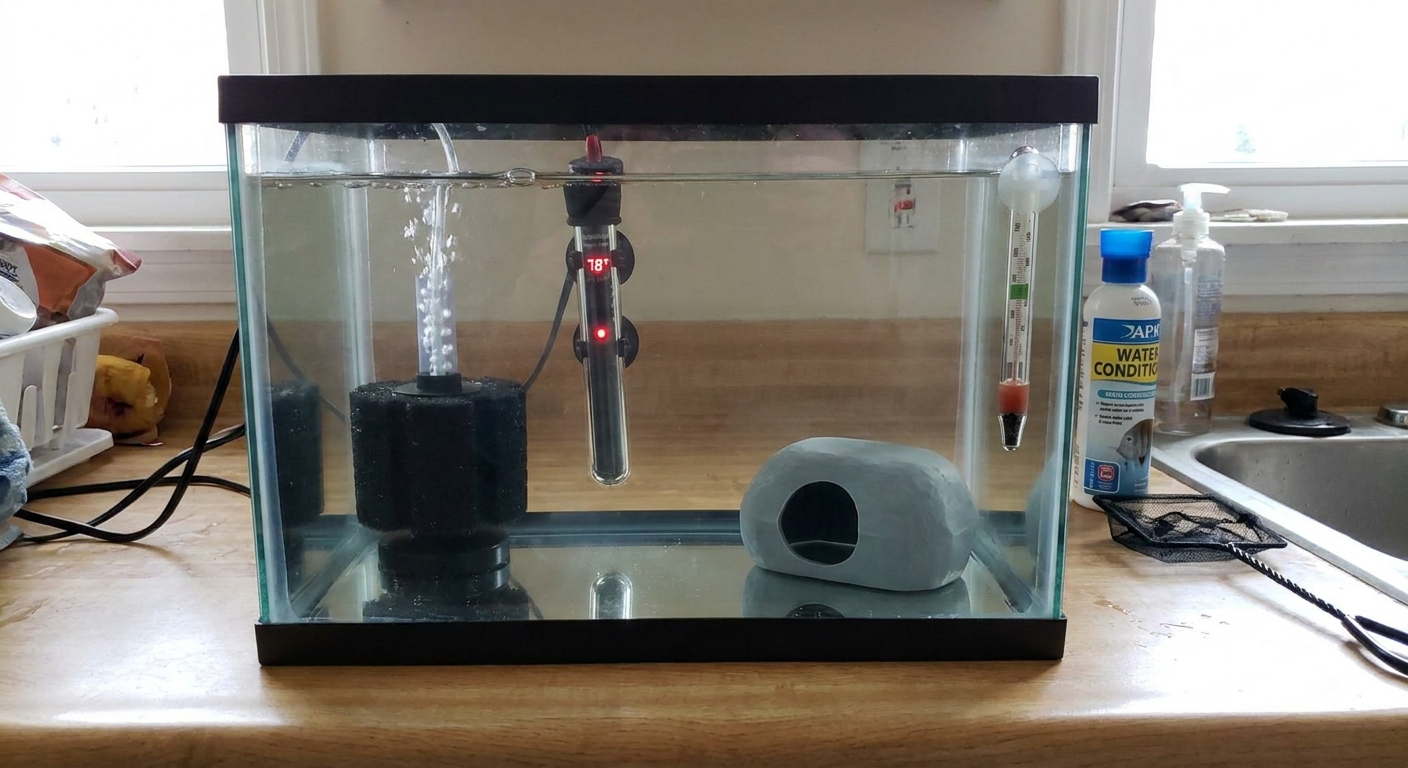
A simple hospital setup can make supportive care easier and keep the main tank stable. It should be:
- Heated and stable
- Very clean with frequent small water changes
- Low current
- Easy to rest in with a silk plant or smooth hide
If the hospital tank is not cycled, assume ammonia can rise quickly. Using a seeded sponge filter from an established tank can help, but if you do not have that, plan on daily testing and small, frequent water changes to keep ammonia and nitrite at zero.
If you are still building your setup confidence, this is a gentle walkthrough: Setting up a betta tank for the first time.
Comfort care
If dropsy is advanced, supportive care is about comfort, dignity, and minimizing distress. Even while you pursue treatment options, these steps help your betta feel safer.
Make the tank easy to live in
- Dim the lights and keep the area calm.
- Provide resting spots near the surface so your betta does not have to work hard to breathe.
- Remove sharp decor that could snag fins if your fish is weak.
- Keep current gentle. A struggling betta can get exhausted quickly.
Need cozy ideas that are betta-friendly? Start here: tank decorations for hiding spots and enrichment and live vs silk plants.
Feeding for comfort
- If your betta is still interested in food, offer tiny, high-quality meals.
- If there is significant swelling or your fish is refusing food, it can be kinder to pause feeding briefly and focus on water quality and stability.
- Prioritize portion size and easy digestion. If you use dry foods, pre-softening them can help some fish take them more comfortably, but the biggest win is simply feeding less and keeping the diet consistent.
For safe feeding structure, see how much and how often to feed a betta and signs you are overfeeding. For constipation lookalikes, this is an important myth-buster: daphnia vs the pea myth.
Treatment at home
Dropsy can involve infection, organ dysfunction, or both. That is why treatment success varies so much. A fish veterinarian or aquatic vet is the best bet for targeted antibiotics and a clear plan, and many general vets do not treat fish, so you may need a clinic that specifically lists exotics or aquatics.
At home, the most responsible focus is:
- Pristine water and stable temperature
- Low stress and gentle handling
- Close observation of swelling, breathing, and activity
Be cautious with random medication stacking. Mixing multiple meds can increase stress and make water harder to manage. If you do use any medication, follow the product directions exactly and monitor for worsening lethargy or respiratory distress.
What not to do
- Do not make big, sudden temperature changes to “shock” the problem away.
- Do not stop filtration and aeration completely, unless a specific medication requires temporary changes and you have a plan to keep oxygen up.
- Do not throw in multiple meds at once just to cover everything.
- Do not use aggressive salt dosing without clear guidance and careful measuring, especially in small volumes.
- Do not chase perfect numbers with constant major water changes. Aim for stable, clean, and gentle.
Lookalikes and clues
Several issues can mimic early dropsy. Here is a simple sorting guide.
| What you see | More likely | Helpful next step |
|---|---|---|
| Mild belly bulge, still active and hungry, no raised scales | Constipation or temporary bloat | Review feeding, offer smaller meals, check water temperature and quality |
| One-sided swelling, otherwise normal scales | Tumor or internal mass | Supportive care and consult a fish vet if possible |
| Swelling plus lethargy, appetite loss, possible redness | Systemic illness that can progress into fluid retention | Hospital tank, pristine water, seek targeted treatment advice |
| Raised scales (pineconing), rapid decline | Severe internal fluid retention (dropsy-like syndrome) | Comfort-focused care and urgent fish-vet guidance if available |
One important note: pineconing is a clue that edema is happening, but the underlying cause can vary. The response is still the same at home: stabilize water, reduce stress, and treat the situation as urgent.
When it is an emergency
Please treat these as urgent red flags:
- Pineconing that is obvious from above
- Severe swelling that worsens quickly
- Labored breathing, gasping, or inability to stay upright
- Not eating plus hiding, sinking, or extreme lethargy
If a fish veterinarian is available in your area, reaching out quickly can give you the clearest options. If a vet is not accessible, continuing comfort care and excellent water quality is still meaningful support.
Hard choices
If your betta is pineconing severely, cannot stay upright, is gasping even in clean, warm water, or seems to be declining hour by hour, it is fair to ask a fish vet about quality of life and whether euthanasia is the kindest option. It is a painful conversation, but it can also prevent prolonged suffering when the prognosis is poor.
Gentle prevention habits
Even though dropsy is not always preventable, a stable, low-stress routine can reduce the chances of the common triggers.
- Keep the nitrogen cycle stable and do consistent water changes.
- Maintain steady heat and avoid temperature swings.
- Feed carefully with appropriate portions and variety.
- Choose a low-current filter and provide resting places and hides.
Two simple foundations that help almost everything: a reliable cleaning schedule and a properly cycled tank.
Quick FAQ
Is dropsy always fatal?
Not always, especially if caught early, before obvious pineconing, and if the underlying cause is treatable. Unfortunately, once pineconing is pronounced, outcomes are often poor. In that stage, comfort care becomes especially important.
Can I just do a bigger water change to fix it?
Clean water helps a lot, but dropsy usually reflects a deeper internal problem. Think of pristine water as the supportive foundation, not the full cure.
Should I fast my betta?
If your betta is swollen and refusing food, a short pause from feeding can reduce strain. If your betta is still eating, offer small portions and avoid overfeeding. This guide can help you keep fasting safe and structured: the betta fasting day.