
Let’s make your tank the happiest little splash in the house, even when pesky white spots try to crash the party. Ich (often called white spot disease) is common, stressful, and very treatable when you move quickly and carefully.
What ich is (and why it shows up)
Ich is caused by a tiny parasite most often listed as Ichthyophthirius multifiliis. It has a life cycle with stages that live on the fish, drop into the substrate, and then release free-swimming parasites that look for a new host.
That life cycle is the key to treatment: the “white dots” you see are not the stage most medications kill. Treatments work best when the parasite is in its free-swimming stage, so you treat the whole tank for long enough to catch multiple cycles.
Common triggers
- New fish or plants brought in without quarantine
- Temperature swings or a tank that runs too cool
- Stress from poor water quality, overcrowding, or bullying
- Uncycled or unstable tanks, especially with detectable ammonia or nitrite
If your tank is new or parameters are fluctuating, take a peek at How to Cycle a New Betta Fish Tank. Stable water is one of the best long-term defenses.
How to recognize ich in bettas
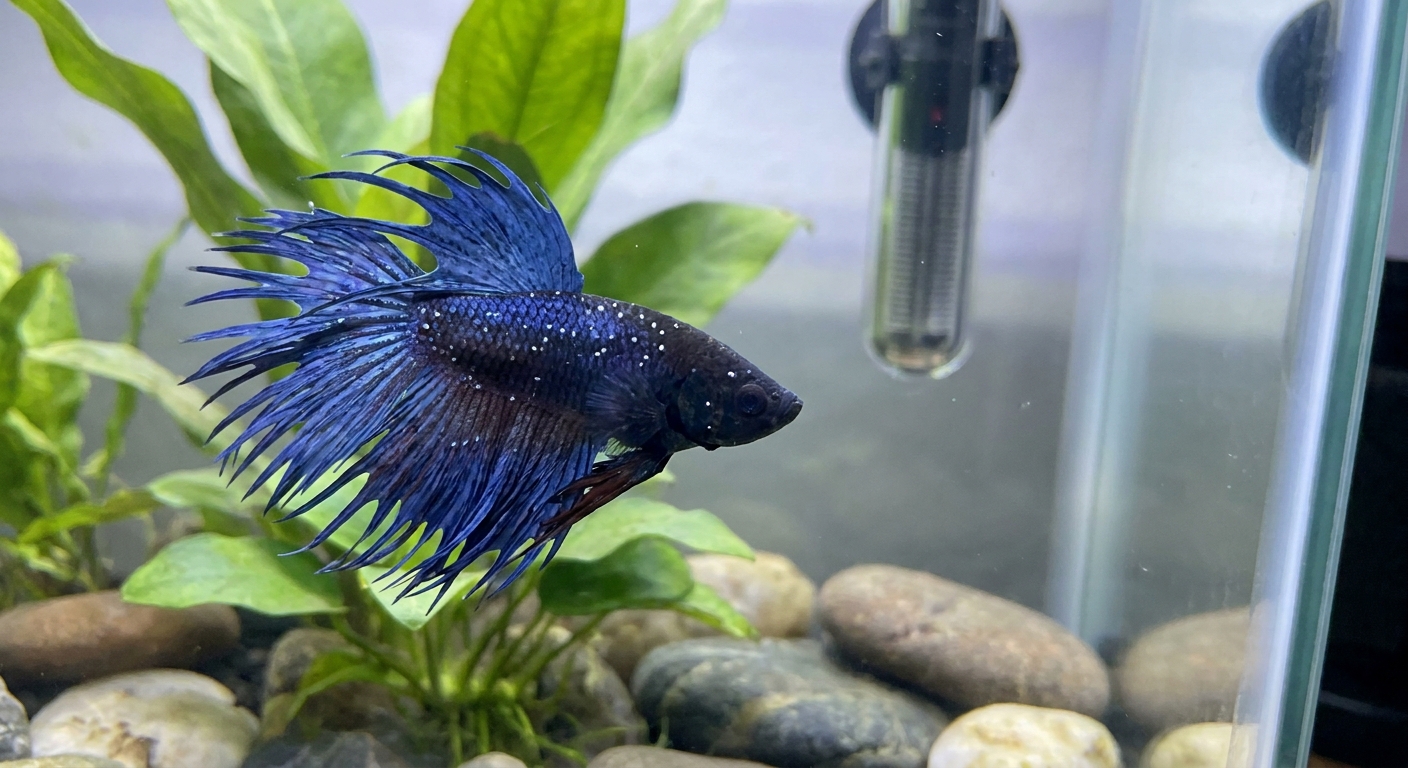
Ich can look a little different depending on the betta’s color and fin type, but the classic clue is tiny white grains that resemble salt.
Classic signs
- White spots on fins, body, gill covers, or tail (often pinhead sized)
- Flashing (rubbing or scraping against decor, substrate, or glass)
- Clamped fins and reduced activity
- Rapid breathing or hanging near the surface (especially if gills are affected)
- Loss of appetite
Ich or something else?
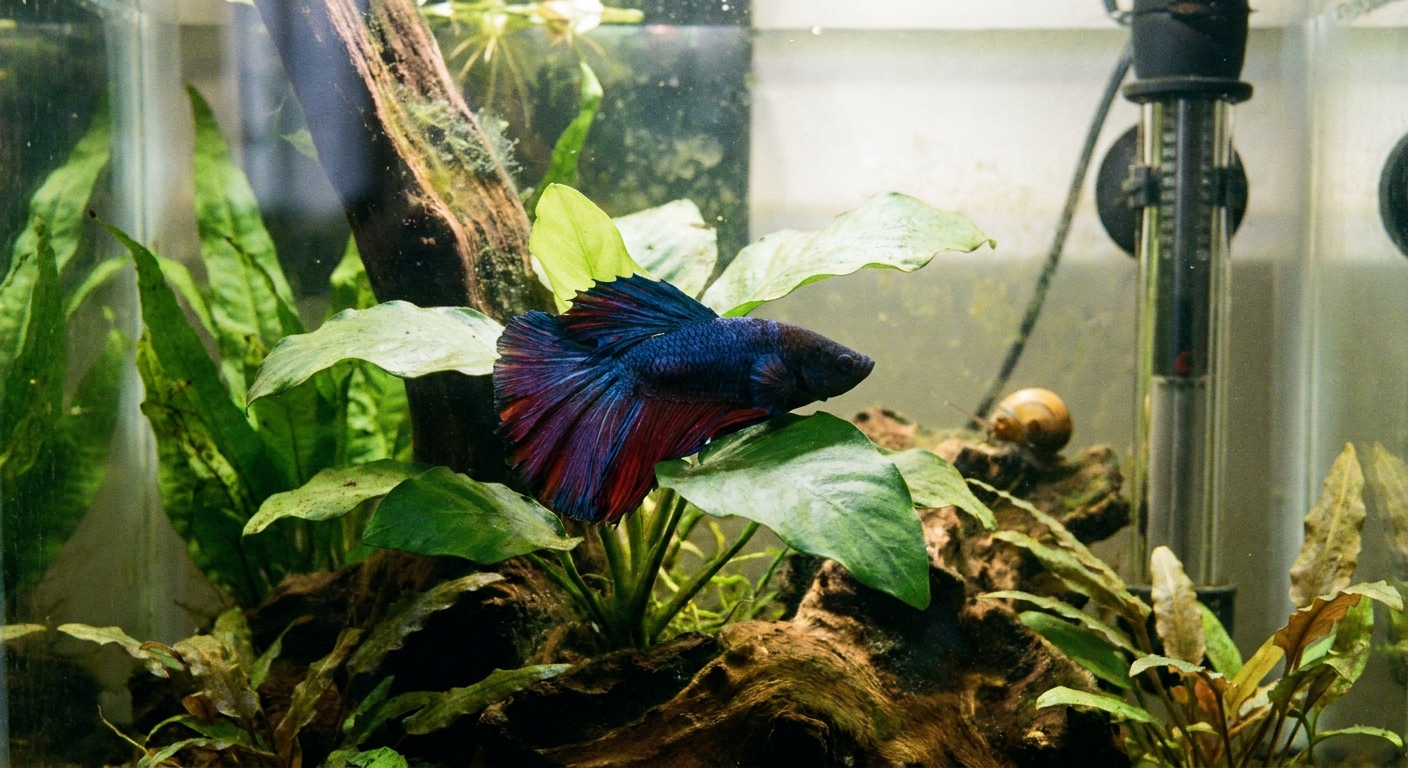
Not every spot is ich. Here are a few common mix-ups:
- Epistylis: can look like white dots, but it often appears more raised, irregular, or tuft-like than neat “salt grains,” and you may see red, inflamed skin underneath. It tends to show up alongside high bacterial load or chronic water issues. Visual clues can help you make an educated guess, but a microscope is the only true confirmation.
- Fungal growth: usually looks like cottony patches, not tidy dots.
- Velvet: looks like fine gold or rust dusting, often with very lethargic behavior and light sensitivity.
- Fin damage: tears can heal with pale edges that are not parasites.
If you are unsure, focus first on water quality and stress reduction. When a betta stops eating, this guide can help you sort out causes while you treat: Why Is My Betta Fish Not Eating? 8 Common Causes and Solutions.
Do this first
Before adding anything to the water, take a breath and lock in the basics. This helps your betta immediately and prevents treatment mistakes.
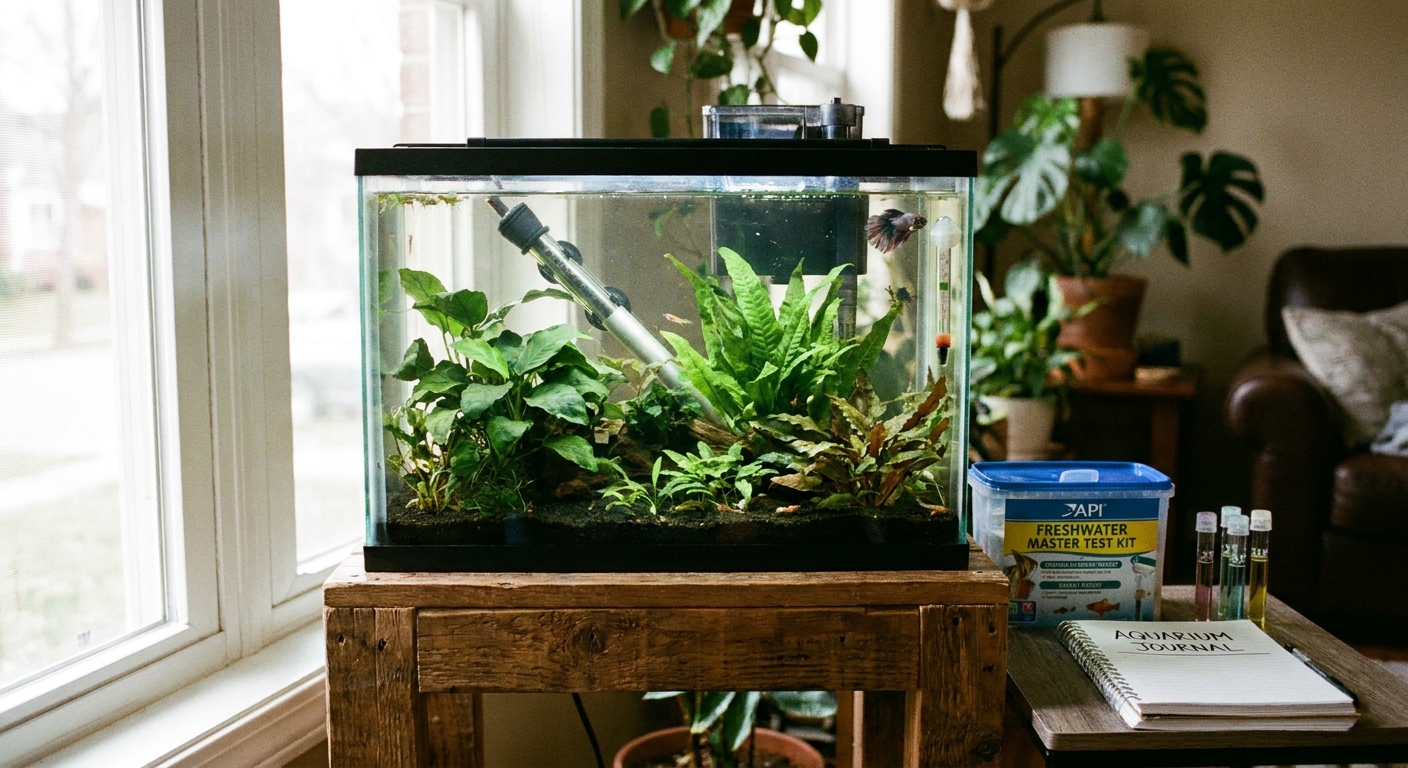
- Test water for ammonia, nitrite, and nitrate. If ammonia or nitrite are above 0, follow your medication’s water-change directions. If the medication does not specify, many keepers use 10 to 20 percent daily until parameters are back to safe.
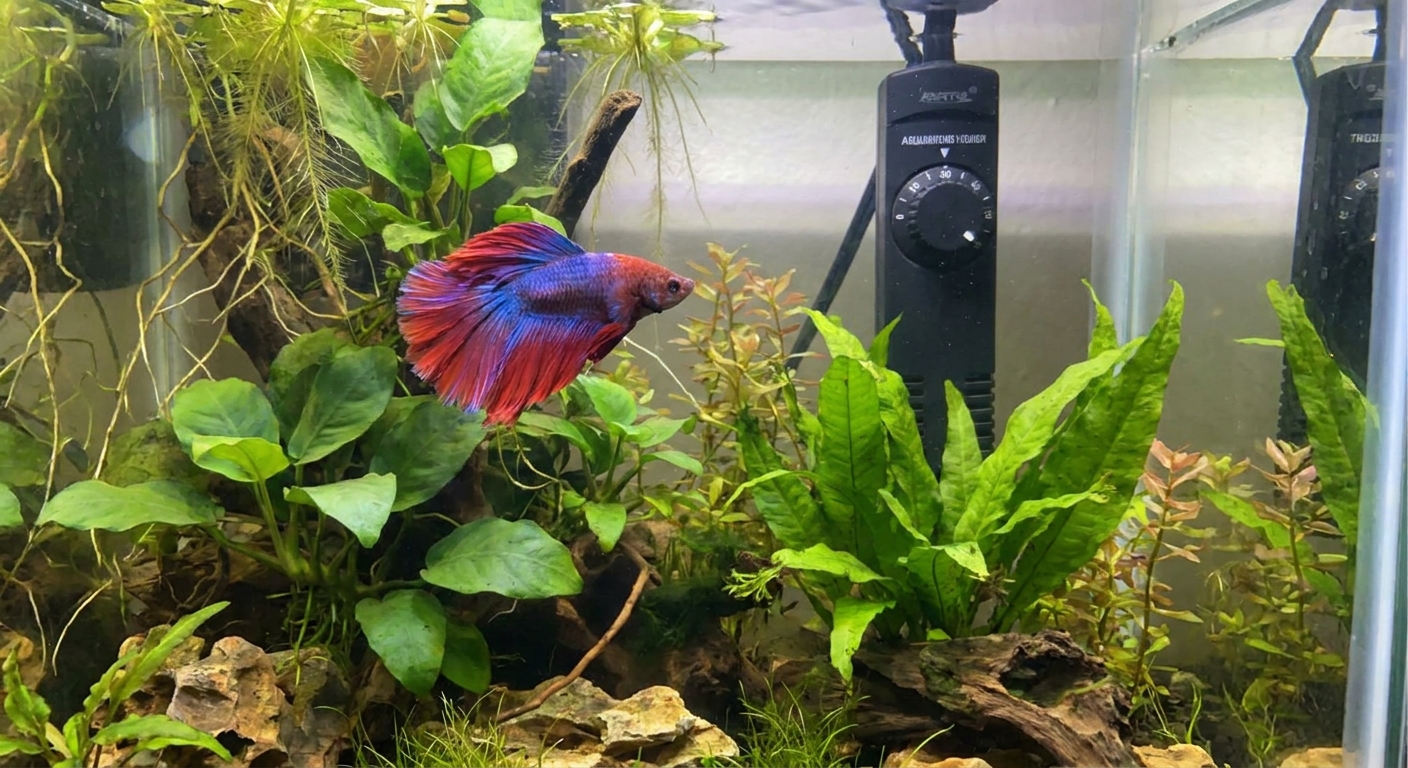
- Check temperature and confirm your heater is working steadily. Bettas do best with stable warmth. See Betta Tank Temperature and Heater Placement.
- Increase aeration gently, especially if you will raise temperature or medicate. Warmer water holds less oxygen, and some meds can reduce oxygen too.
- Remove chemical media like activated carbon from the filter during medication, because it can pull meds out of the water.
- Skip big, stressful cleanouts like deep-vacuuming the entire substrate in one go, unless your medication instructions specifically tell you otherwise. Keep changes steady and gentle.
If you need a refresher on safe, consistent water changes, swim over to Betta Tank Cleaning Routine and Water Change Schedule.
Ich treatment plan
Ich is easiest to beat when you combine steady warmth with a proven ich medication used exactly as directed. The goal is to speed up the parasite’s life cycle while ensuring the free-swimming stage is exposed to treatment.
Step 1: Raise temperature carefully
Temperature adjustments should be slow and deliberate. Many keepers increase by about 1°F (0.5°C) every 6 to 12 hours, but slower is totally fine if your betta seems stressed or your tank mates are sensitive.
- Typical ich treatment range used by many aquarists is 80 to 82°F (26.5 to 28°C) for bettas.
- Avoid sudden jumps. Rapid changes can stress a betta more than the ich itself.
- Watch breathing. If your betta is gulping or breathing hard, lower the temp slightly and increase aeration.
Important: If you suspect epistylis instead of ich, raising temperature aggressively (or trying to “heat it out” without the right approach) can backfire. When in doubt, aim for stable betta-comfort warmth (upper 70s to around 80°F), improve water quality, and choose medication carefully.
Step 2: Choose a betta-safe medication
Read labels and follow dosing instructions for your exact water volume. Many effective ich treatments use one of these actives:
- Malachite green (sometimes combined with formalin in certain products). Note that malachite green can stain silicone and some decor, and formalin-based products can reduce oxygen, so aeration matters.
- Copper-based medications (effective, but can be difficult to dose accurately without a copper test kit and is typically not compatible with most invertebrates).
- Acriflavine in some formulations.
Extra caution notes:
- Scaleless fish and invertebrates can be sensitive to certain ich meds. If your betta lives with snails or shrimp, check compatibility carefully, or treat in a separate hospital tank.
- Do not mix medications unless the product specifically says it is safe. Mixing can create dangerous interactions.
- Remove carbon while treating, and keep the filter running for circulation.
- Turn off UV sterilizers if you use one, unless your medication label says otherwise. UV can interfere with some treatments and is not meant to run during every medication course.
Step 3: Keep treating long enough
Ich treatment is not a one-and-done splash. Continue treatment for the full recommended course and often several days past the last visible spot, because parasites can still be cycling in the tank.
A common rule of thumb is to treat for at least 7 to 14 days total depending on temperature and product instructions. Always prioritize the medication label directions, then add a small buffer after symptoms disappear if the label allows it.
Step 4: Water changes during treatment
Many ich medications require periodic water changes and re-dosing. The cleanest approach is:
- Perform the water change size recommended by the medication directions.
- Dechlorinate replacement water (see How to Prepare Tap Water for a Betta Tank).
- Re-dose based on the amount of water replaced, if the label instructs that method.
What not to do
- Do not “wing it” with dose math. Overdosing is a real risk in small tanks.
- Do not crank heat to extremes. Very high temperatures can stress bettas and reduce oxygen.
- Do not stop early. Spots disappearing does not mean the parasite is gone from the tank.
- Do not rely on salt alone. Aquarium salt is sometimes used in fishkeeping, but bettas vary in tolerance and salt does not replace a true ich medication. If you choose to use salt, do it only with conservative dosing, verify your tank mates can handle it, and do not combine it with medications unless the medication label says it is safe.
- Do not pile on “natural remedies.” Things like extra botanicals, teas, or multiple additives can complicate dosing, stress the fish, and muddy the diagnosis. Keep the plan simple and proven.
- Do not forget aeration. Heat and meds can lower oxygen availability.
Reduce stress during treatment
When a betta feels crummy, the goal is clean water, steady conditions, and a calm environment.
- Dim the lights for a few days if your betta is skittish or flashing a lot.
- Keep a normal day and night rhythm, but avoid very bright, long photoperiods during treatment.
- If you suspect velvet, lower lighting can help because velvet is often more noticeable and more irritating under bright light. For a deeper dive, see Betta Fish Lighting Requirements.
Tank cleanup so ich does not return
While medication and warmth do the heavy lifting, good housekeeping makes it much harder for ich to linger.
During treatment
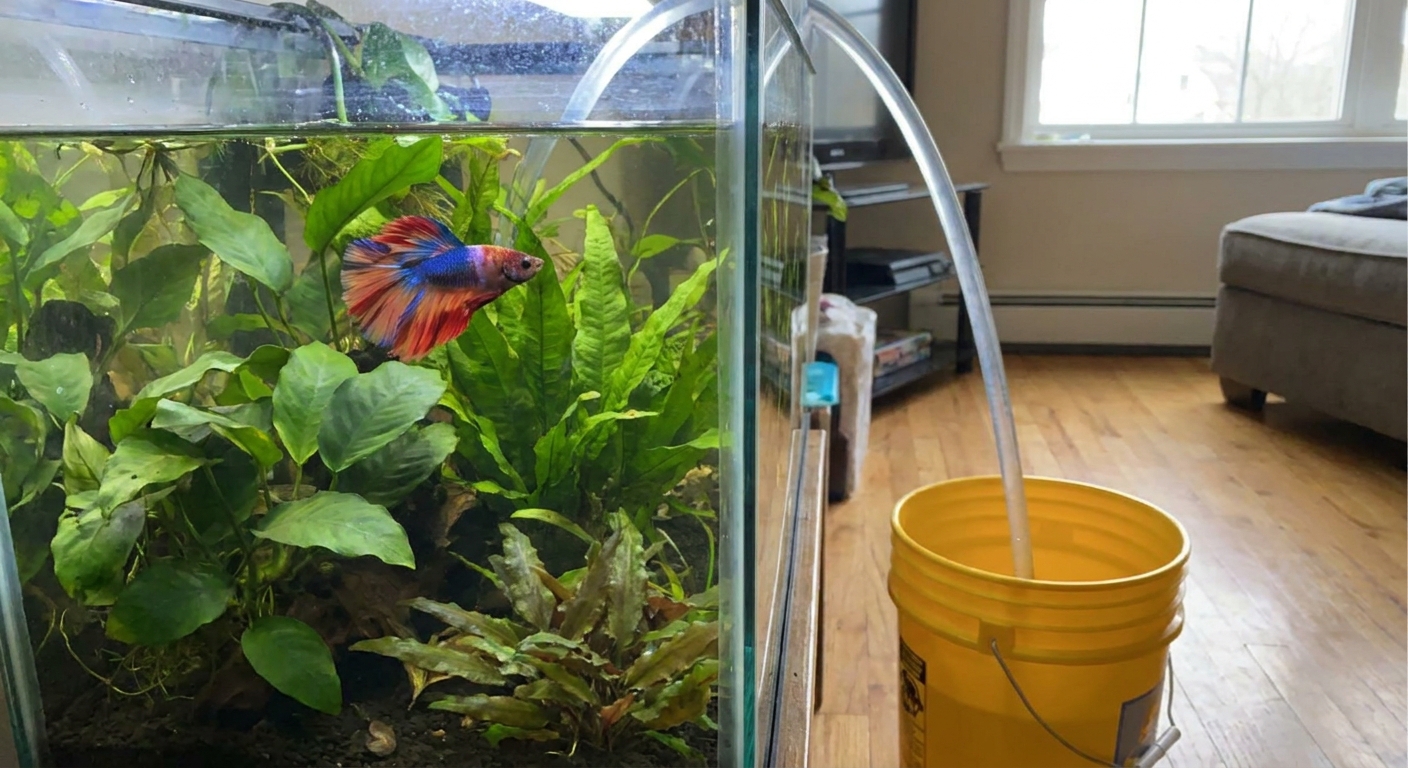
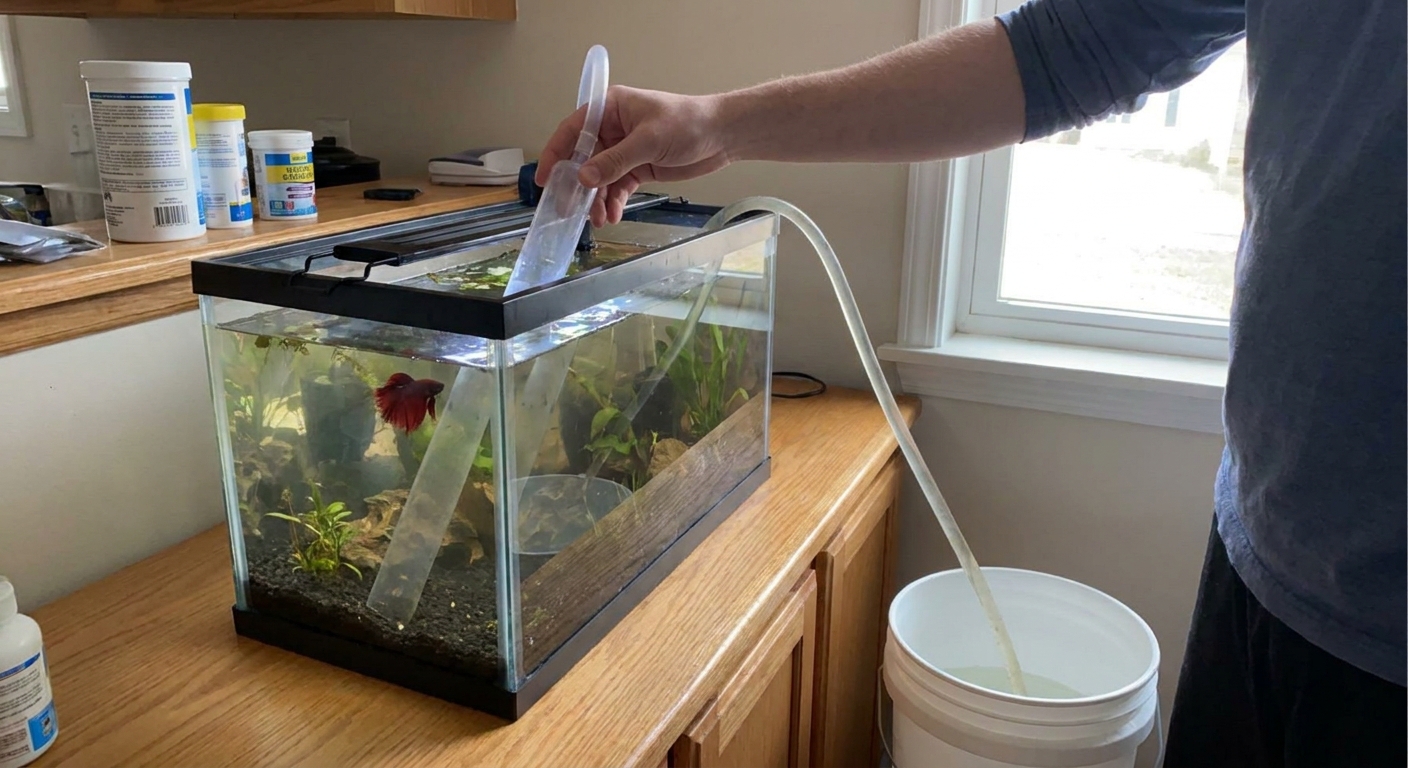
- Lightly vacuum the substrate during scheduled water changes to remove debris where cyst stages can settle.
- Wipe the inside glass gently if biofilm is heavy, but avoid major overhauls that disrupt beneficial bacteria.
- Keep the filter running for circulation, and clean it only if flow is clogged. If you must rinse media, use removed tank water, not tap water.
After treatment
- Return temperature slowly to your normal set point over a day or two.
- Do a couple of extra partial water changes over the next week to reduce medication residues, following your product guidance.
- Replace carbon only after treatment is complete if you normally run it.
Hospital tank basics
A hospital tank can be a lifesaver if your main tank has shrimp or snails, if you need ultra-precise dosing, or if you want to keep treatment mess away from plants and decor.
- Bare bottom (easy to clean and observe)
- Heater and thermometer for steady temperature
- Sponge filter or air stone for gentle filtration and oxygen
- Matched parameters (dechlorinated water, same temp, and as close as possible to the main tank)
- A hiding spot like a smooth cave or silk plant to reduce stress
If your betta is easily stressed by moves, treating the main tank can be simpler, as long as all inhabitants can safely handle the medication.
How to prevent next time
Ich often enters a tank through new additions or flares up when a fish is stressed. These habits help keep your betta’s world sparkly and stable.
- Quarantine new fish and plants whenever possible.
- Keep temperature stable with a reliable heater and thermometer. More on that here: Betta Tank Temperature and Heater Placement.
- Avoid overcrowding and choose tank mates carefully. Visit Tank Mates & Compatibility.
- Maintain a consistent cleaning routine instead of big, stressful cleanouts: Betta Tank Cleaning Routine and Water Change Schedule.
- Feed lightly during illness. Sick fish often eat less, and extra food can spike water quality problems. If you need portion guidance, see How Much and How Often to Feed a Betta Fish.
When to get extra help
If symptoms are severe or not improving after several days of correct treatment, it is time to slow down and reassess. Consider reaching out to an aquatic veterinarian if you can.
- Urgent red flags: extreme lethargy, very rapid breathing, inability to stay upright, heavy gill involvement, or worsening sores and redness.
- No improvement after a full course can mean misdiagnosis (for example, epistylis), incorrect dosing, or an underlying water quality problem.
Ich FAQ
Can ich live in the tank without fish?
Ich needs a fish host to complete its life cycle. Without fish, it cannot persist forever, but it can linger for a variable amount of time depending on temperature and conditions. In many typical home aquariums, think days to weeks, not hours. Treating the whole tank and completing the full course is the safest route.
Should I move my betta to a hospital tank?
A hospital tank can be helpful if your main tank has shrimp or snails that are sensitive to ich meds, or if you need very controlled dosing. If moving your betta would cause major stress, treating the display tank is often simpler, as long as all inhabitants can handle the medication.
Will raising temperature alone cure ich?
Warmth helps by speeding up the parasite’s cycle, but temperature alone is unreliable and can still leave parasites behind. Combining steady warmth with a proven medication is the most dependable plan.
How long until the spots go away?
Visible spots may begin to reduce within a few days, but full eradication often takes 1 to 2 weeks, sometimes longer. Keep treating according to the product instructions and continue for several days after the last spot disappears if the label allows.