
Let’s get your tank feeling calm and cozy again. If your betta fish suddenly stops eating, it can feel scary, but most cases come down to a handful of fixable issues like temperature, stress, water quality, or food problems. Below are 8 common causes of appetite loss, plus clear steps to get your finned friend back to snack time safely.
First, do a quick safety check
Before troubleshooting the details, look for signs that mean your betta needs urgent help.
Get help fast if you notice
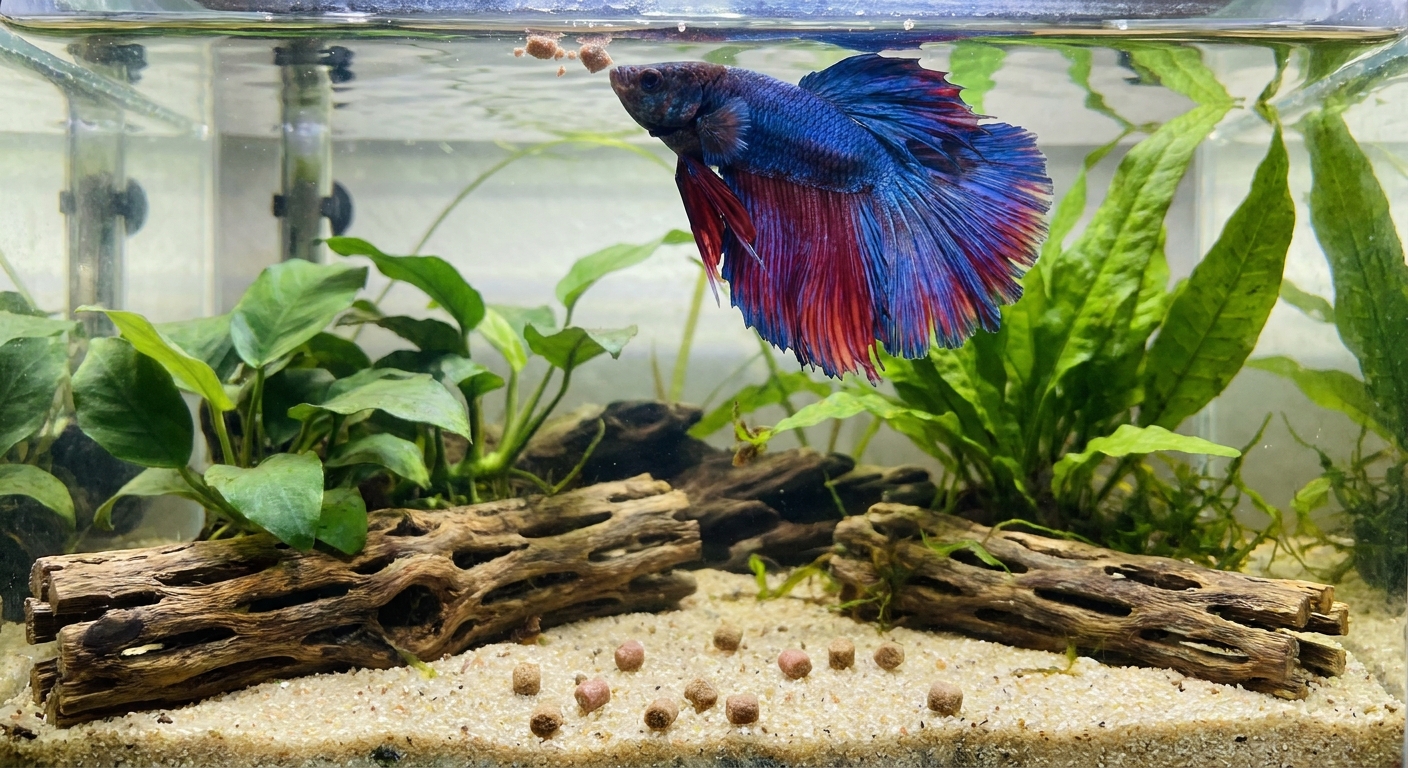
- Severe bloating or a pinecone look to the scales
- Labored breathing, gasping at the surface, or rapid gill movement
- Unable to stay upright or sinking and struggling
- White fuzzy patches, open sores, or significant fin rot
- Not eating for 5 to 7 days (sooner for juveniles, thin fish, or any betta losing weight or acting unwell)
If those aren’t happening, you can usually troubleshoot calmly with the steps below.
1) Water temperature is too low (or swinging)
Cool water slows a betta’s metabolism, making them sluggish and uninterested in food. Temperature swings can also stress them out enough to stop eating.
What you might see
- Hiding more than usual
- Slow movements and “resting” on leaves or the bottom
- Spitting food out or ignoring it completely
What to do
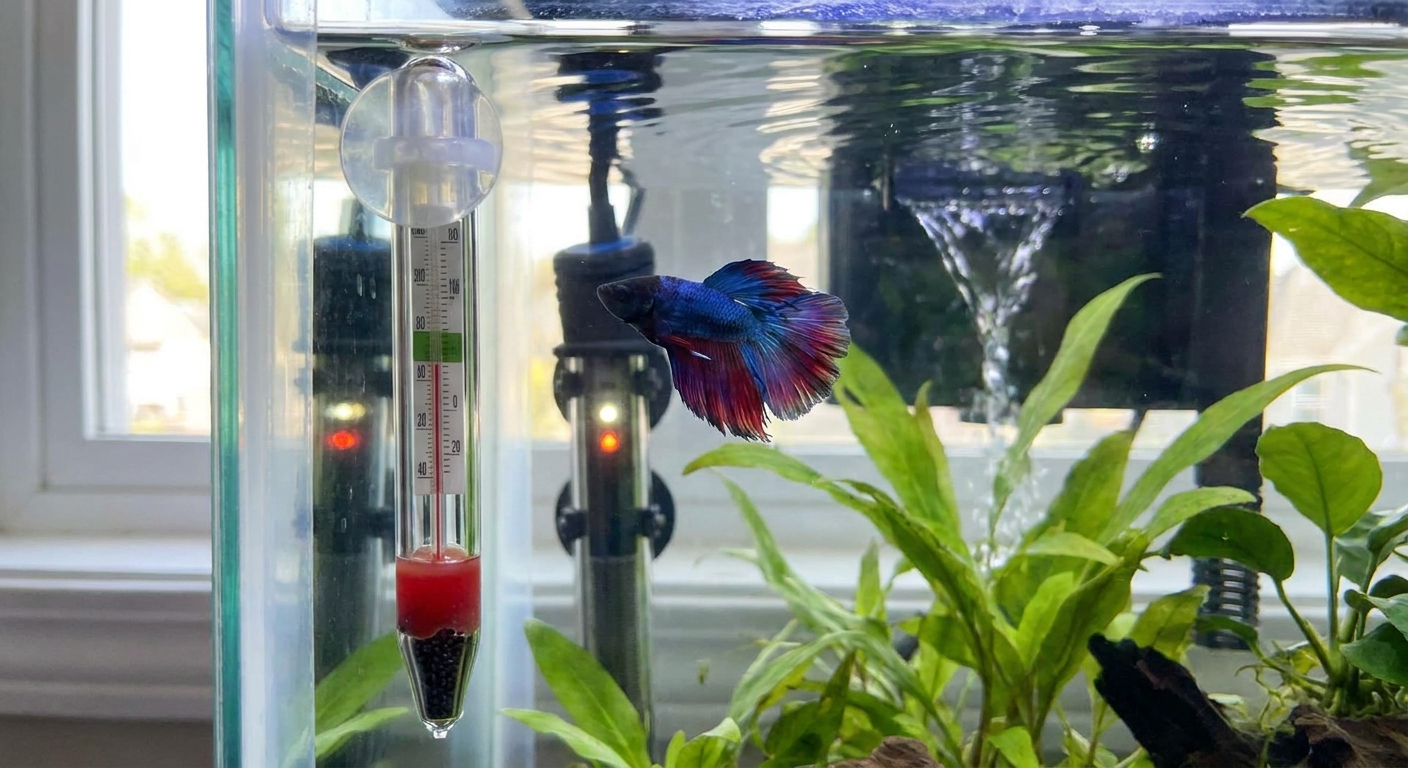
- Check the temperature with a reliable aquarium thermometer.
- Aim for around 78 to 80°F. A stable 76 to 82°F is often acceptable for many bettas, but consistency matters most.
- If you need to raise temperature, do it gradually. Sudden jumps can stress your fish.
- Place the heater where water flow will distribute warmth evenly.
Need help dialing this in? Swim over to betta tank temperature and heater placement.
2) Poor water quality (ammonia, nitrite, high nitrate)
Bettas often lose their appetite when water chemistry irritates their gills and skin. Ammonia and nitrite are especially dangerous, even at low levels.
What you might see
- Clamped fins or dull coloration
- Gasping, hanging near the surface, or avoiding certain areas
- Food ignored and left sitting after 2 to 3 minutes
What to do
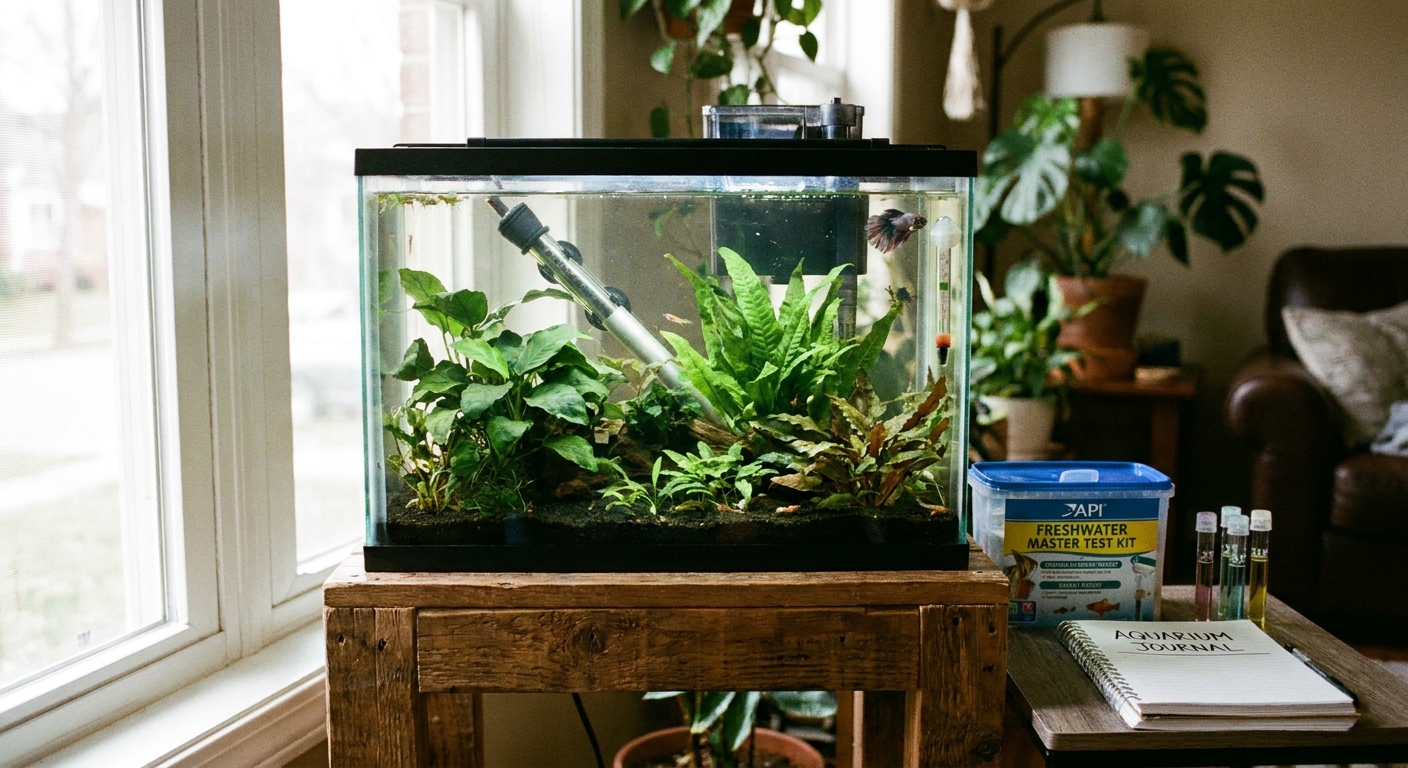
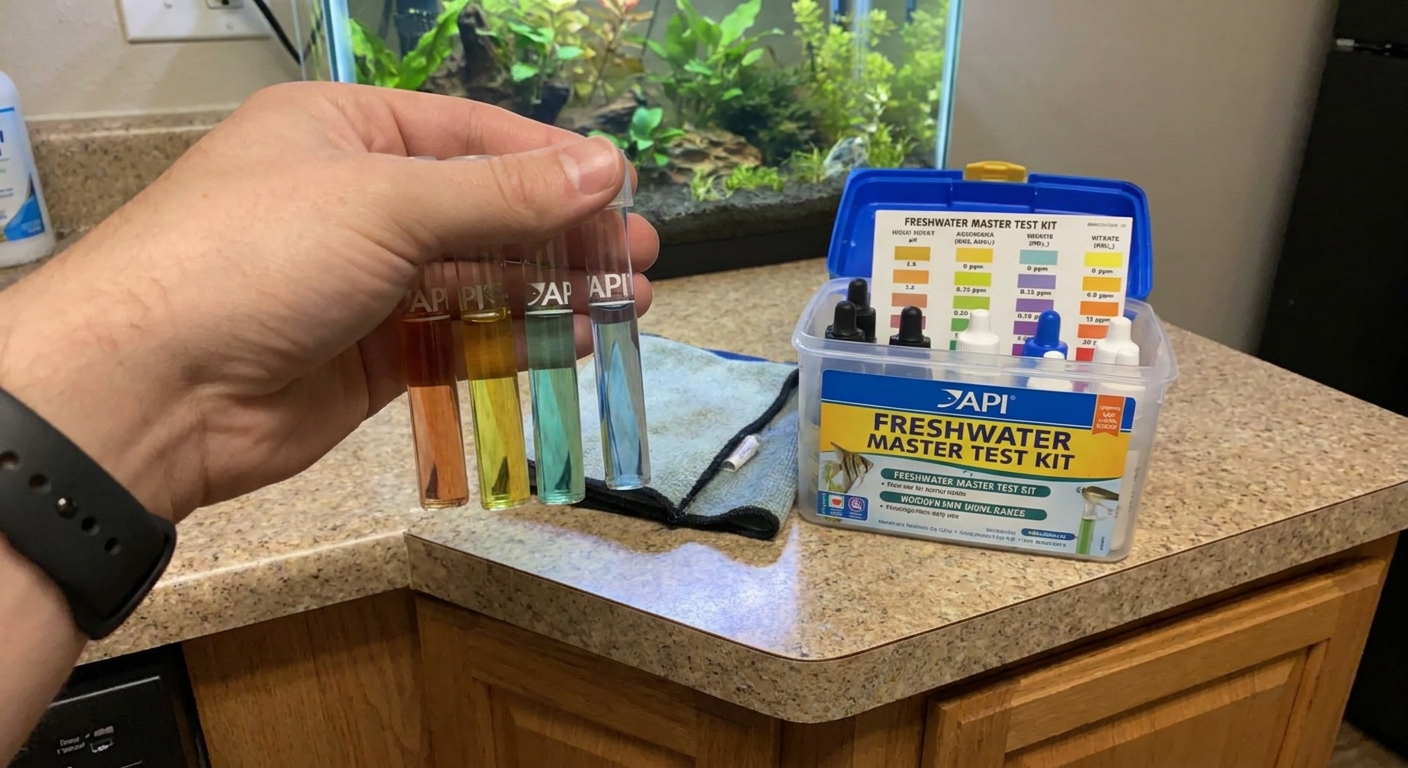
- Test ammonia, nitrite, and nitrate with a liquid test kit if possible.
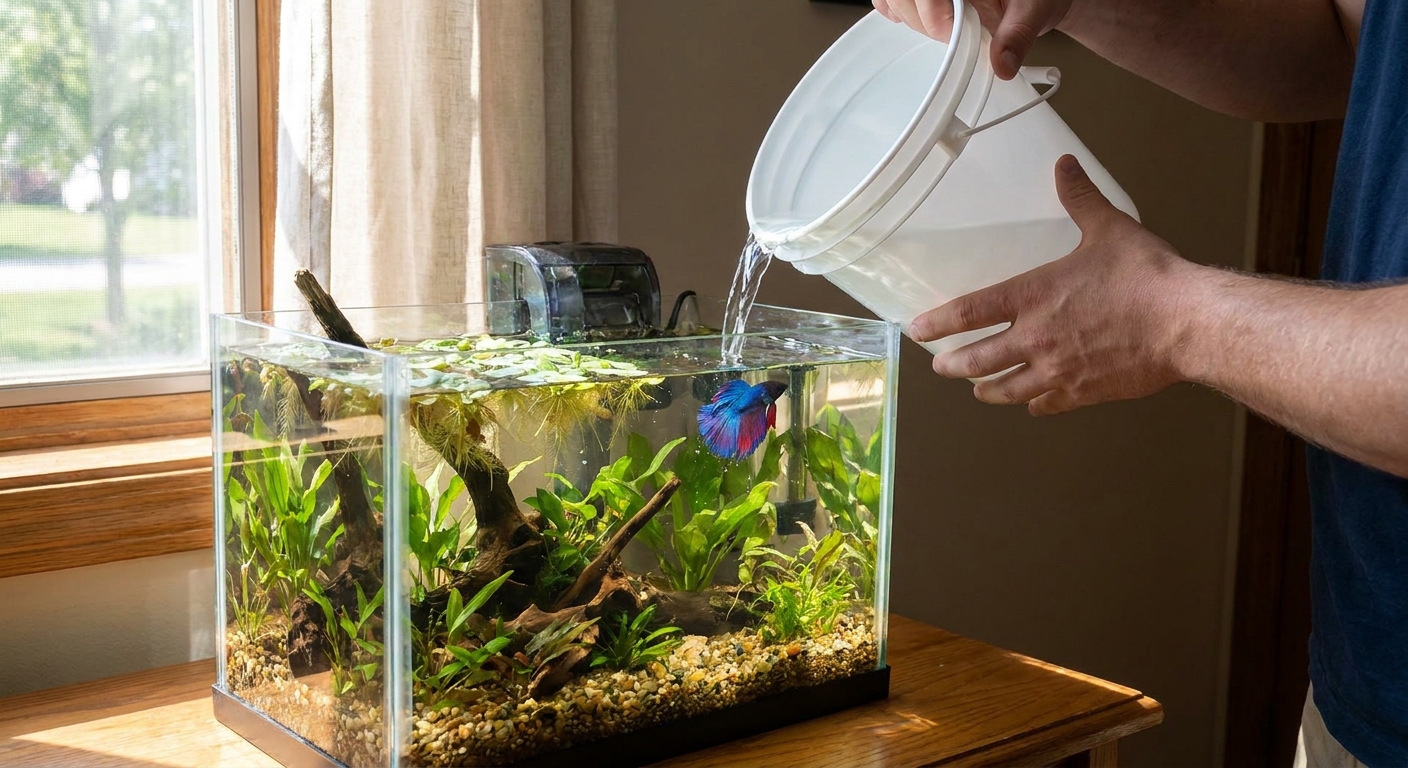
- If ammonia or nitrite is above 0, do a partial water change with conditioned, temperature-matched water. Many keepers start with 25 to 50%, then re-test and repeat as needed.
- Reduce feeding until parameters are stable so extra waste does not pile up.
- Make sure your tank is fully cycled, not just “running.”
If cycling is the missing piece, follow how to cycle a new betta fish tank. For conditioner basics, see how to prepare tap water for a betta tank.
3) Stress from a new home or recent changes
It is very common for a betta to eat poorly for the first few days after moving. Big changes like a new tank, a deep clean, rearranged decor, or lots of activity outside the glass can also suppress appetite.
What you might see
- Glass surfing (pacing the glass)
- Hiding constantly
- Flaring more than usual or acting jumpy
What to do
- Keep lighting gentle and consistent. A bright, long photoperiod can be stressful.
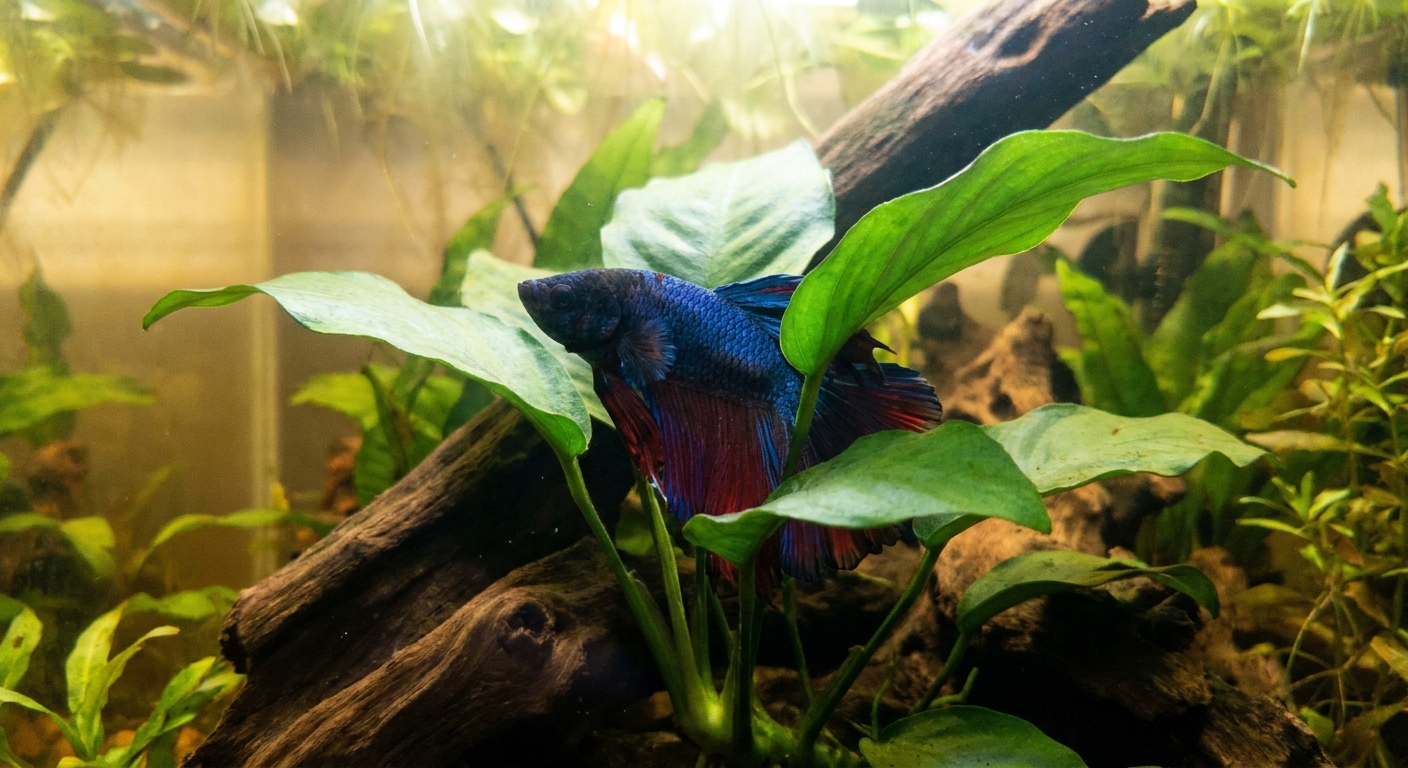
- Add more cover like plants and caves so your betta feels secure.
- Limit tapping, sudden movements, and frequent tank changes.
- Offer tiny meals once daily for a few days, then return to normal feeding.
For a calm setup, explore betta fish lighting requirements and tank decorations for hiding spots and enrichment.
4) The food is too big, too hard, or not appealing
Some bettas are picky, and some foods are simply the wrong size or texture. Pellets that are too large or very dry can get spit out. Old food can lose smell and nutrition, which matters because bettas often “hunt” by scent.
What you might see
- Betta approaches food, then spits it out
- Food sits untouched unless it drifts right in front of the mouth
- Interest in one food but not another
What to do
- Try smaller betta-specific pellets, or pre-soak pellets briefly in tank water so they soften.
- Rotate in high-quality frozen or live options when available (like brine shrimp or bloodworms) as treats, not the whole diet.
- Replace stale food. If it smells “off” or is very old, it is time.
- Feed one piece at a time so you can see what is actually eaten.
Quick baseline: many adult bettas do well starting at 2 to 4 small pellets per meal, once or twice daily, depending on pellet size and your fish’s body condition. Adjust up or down based on energy level, waistline, and leftover food.
More feeding basics live in the Diet & Nutrition section.
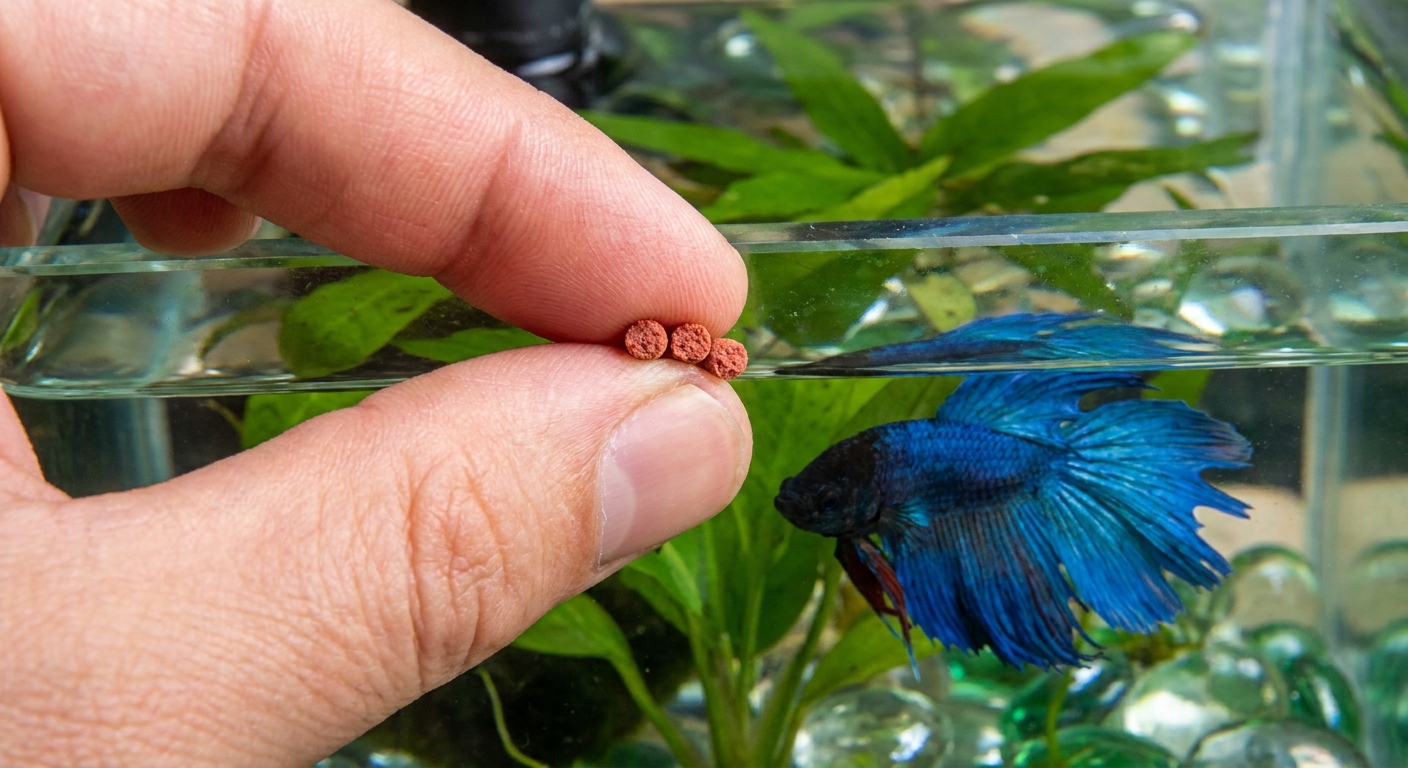
5) Overfeeding earlier led to constipation or bloat
If a betta was getting large meals or lots of treats, they may stop eating because their digestive system is backed up. Bettas have tiny stomachs, and it does not take much to overdo it.
What you might see
- Slight swelling behind the gills or along the belly
- Less poop than usual, or long stringy poop
- Spitting food out and acting uninterested
What to do
- Pause feeding for 24 to 48 hours (healthy adult bettas can handle short fasts).
- After the pause, offer a small, easy-to-eat meal and watch for normal waste.
- Return to smaller portions. Many bettas do best with small meals once or twice daily, adjusted to the individual fish.
You will sometimes see peas suggested for constipation, but peas are not a natural food for insect-eating bettas and can be hard for them to handle. If you need a gentler option, a small portion of daphnia is often used as a fiber-like food that many bettas accept.
If swelling is severe, scales are raised, or your betta worsens, treat it as a health problem, not just constipation.
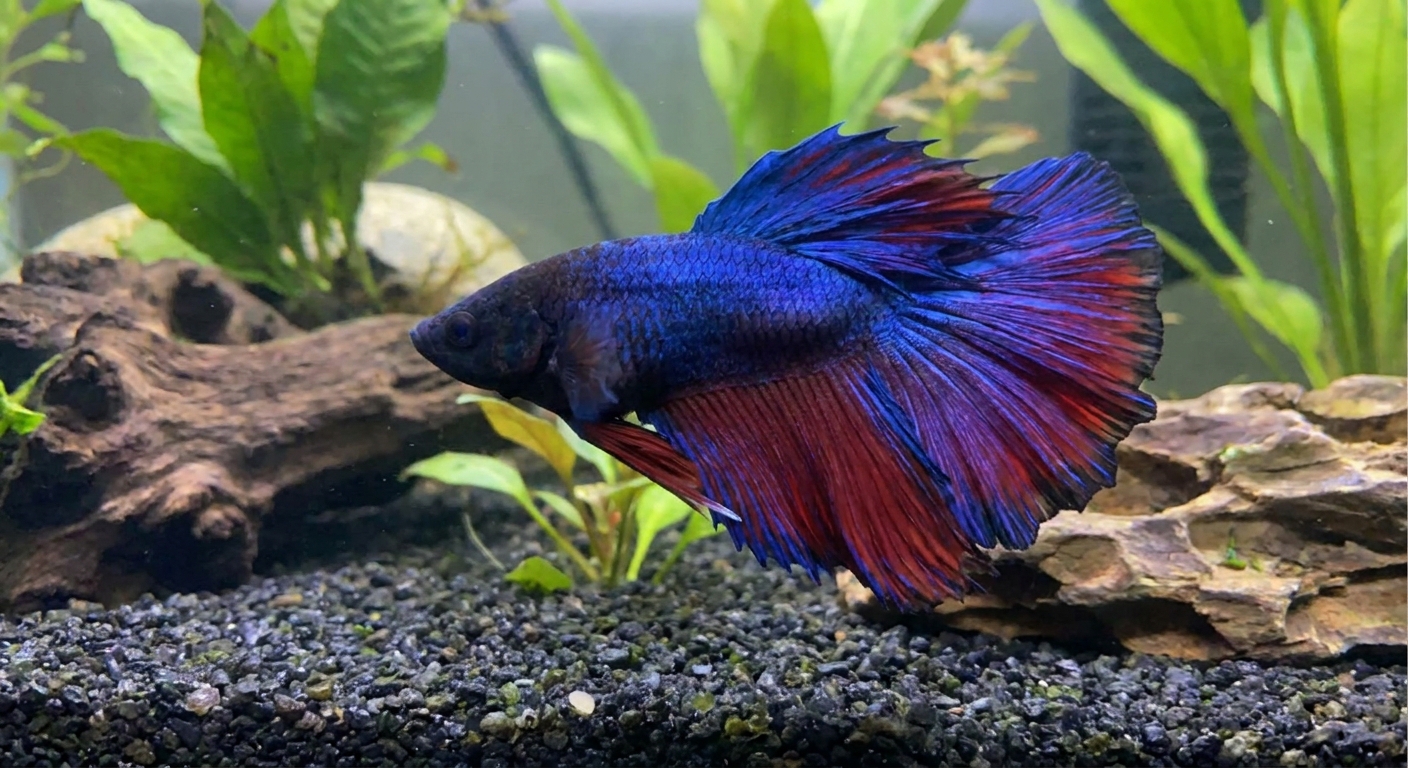
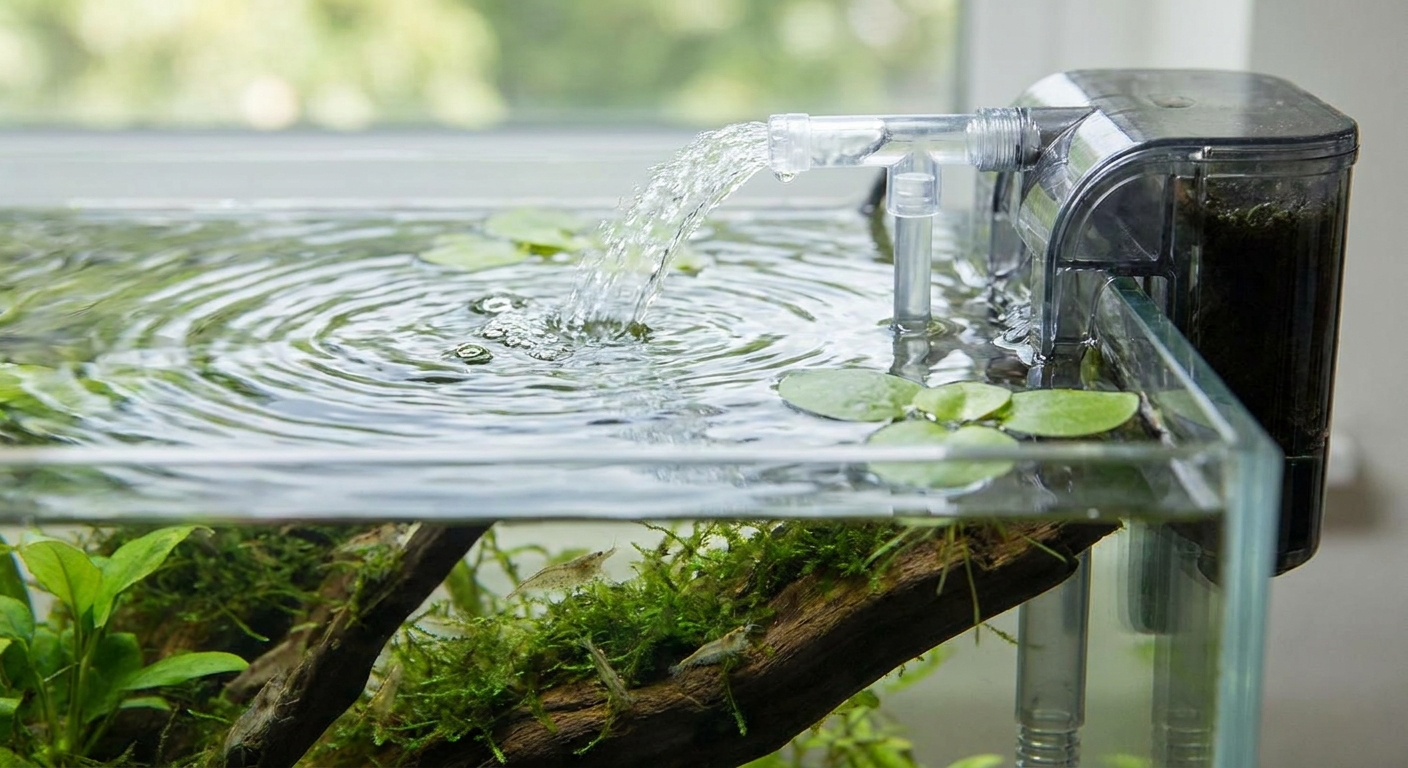
6) Filter flow is too strong (and mealtime becomes a workout)
Bettas are not built for strong currents. If the filter output is pushing them around, they may conserve energy, hide, and skip meals. Food can also get swept away before they can bite it.
What you might see
- Betta pinned to one corner or constantly fighting the current
- Resting on the bottom more often
- Food whipping around the tank too fast to catch
What to do
- Baffle the filter output or adjust to a gentler setting if possible.
- Feed in a calmer zone of the tank, away from the outflow.
- Consider a betta-friendly filter setup designed for low flow.
For choosing and tuning filtration, see choosing the right filter for a betta tank.
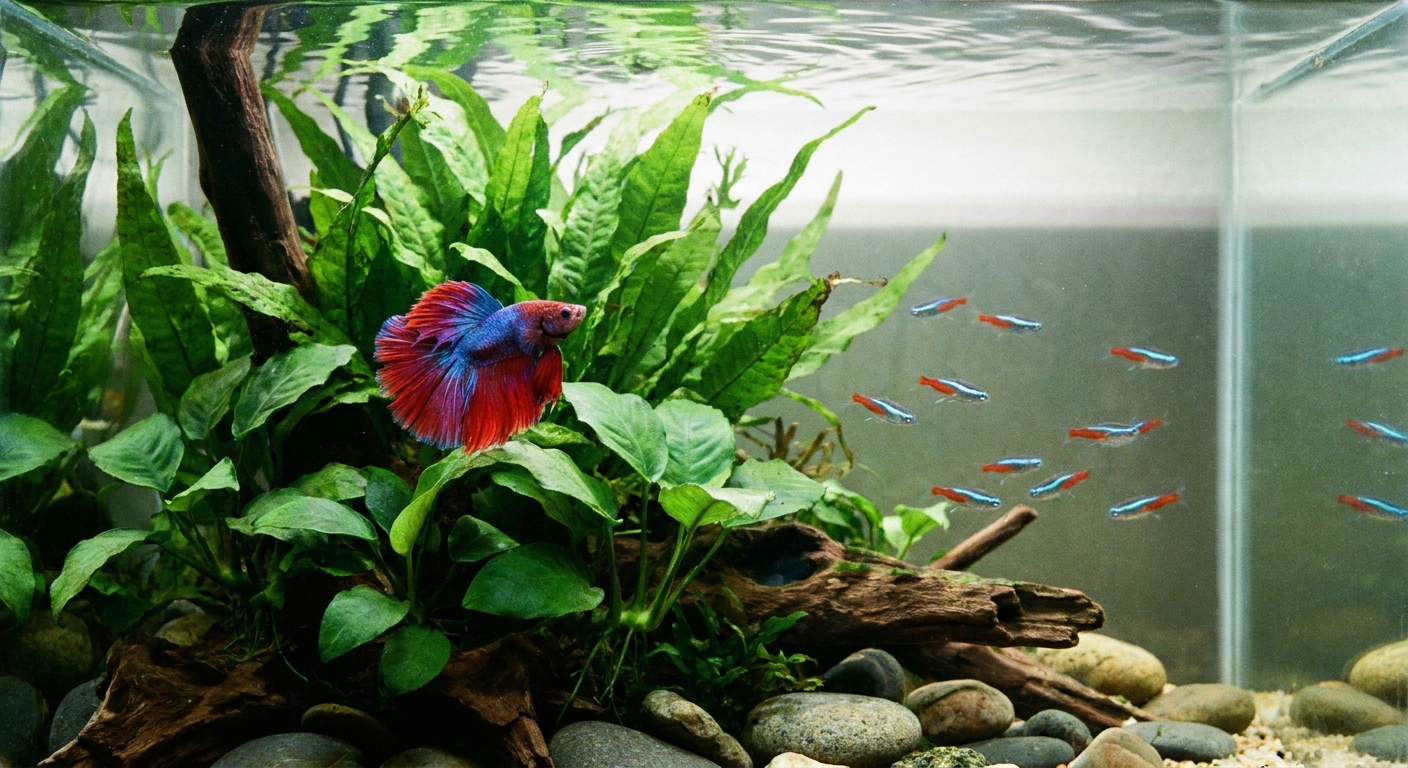
7) Bullying, tank mates, or a stressful neighbor
Even if your betta is not physically injured, tank mate stress can shut down appetite. Fin nippers, fast feeders, or even another betta visible through the glass can make meals feel unsafe.
What you might see
- Betta hides during feeding time
- Other fish rush the food first
- Torn fins, frequent flaring, or chasing
What to do
- Observe the tank during feeding and for 10 minutes after. Look for chasing, nipping, blocking the betta from food, or your betta retreating to hide.
- If tank mates are stealing food, try target-feeding your betta in a quiet corner.
- If there is aggression, separate. Chronic stress is not worth forcing “compatibility.”
Check your stocking choices with tank mates and compatibility.
8) Illness or parasites
Loss of appetite is a common early sign that something is off. The trick is noticing the other clues so you can respond quickly and avoid guessing treatments.
What you might see
- White stringy poop that continues for more than a day or two
- Flashing (rubbing on objects), clamped fins, lethargy
- Visible spots (like ich grains), fuzzy patches, red sores, or worsening fin edges
- Weight loss even when food is offered
Note: white stringy poop is not a diagnosis by itself. It can show up with stress, fasting, and several different internal issues, so it matters most when paired with weight loss, poor appetite, and behavior changes.
What to do
- Test water first. Many “illness” cases start with stress from poor parameters.
- Quarantine if possible so you can observe closely and treat without impacting other animals.
- Keep temperature stable and water very clean during recovery.
- Avoid stacking medications unless you are confident in the diagnosis. If you must treat, match the treatment to the symptom pattern (for example ich vs fungal-looking fuzz vs bacterial sores) and follow one product’s directions carefully.
If you are seeing multiple symptoms, head to Health & Wellness for more support on what signs mean and when to escalate care.
Also check: tank size and setup stress
Sometimes the problem is not a single parameter, it is the overall setup. Tiny tanks, overcrowding, or a bare environment can keep a betta on edge, and stressed fish often skip meals.
- If your betta is in a very small tank, upgrading can make a big difference in stability and comfort.
- Add enrichment like plants, hides, and gentle flow so your betta feels secure enough to eat.
If you are debating an upgrade, 5 gallon vs 10 gallon tank for bettas can help you choose a size that is easier to keep warm and stable.
A simple plan to get your betta eating again
If you are not sure which cause fits best, this order helps you fix the biggest problems first.
- Check temperature and stabilize it.
- Test water and correct ammonia or nitrite immediately.
- Reduce stress with hiding spots and calmer lighting.
- Offer a tiny portion of a highly palatable food and remove leftovers after a few minutes.
- Watch behavior and poop for 48 hours to look for patterns.
FAQ
How long can a betta go without eating?
A healthy adult betta can often go several days without food, but that does not mean it is normal. If your betta refuses food for more than 3 days, start troubleshooting water, temperature, and stress right away. If it reaches 5 to 7 days (or sooner for juveniles, thin fish, or any fish that looks worse), treat it as urgent.
My betta eats then spits the food out. What does that mean?
Usually the pellet is too big, too hard, or not tasty. Try a smaller pellet, briefly softened in tank water, and feed one piece at a time. Also check water temperature, because chilled bettas often mouth food and reject it.
Should I change the water if my betta is not eating?
If you suspect water quality issues, yes, a partial water change with conditioned, temperature-matched water is often a smart move. If you have detectable ammonia or nitrite, many keepers start with 25 to 50%, then re-test and repeat as needed. Avoid huge, sudden changes unless you have emergency readings or a clear contamination problem.
Will my betta start eating if I turn the light off?
Sometimes. Bright lighting and long photoperiods can stress bettas, especially in newer tanks. A calmer light schedule and more plant cover can help your betta feel safe enough to eat.
One last gentle reminder from Bloop
When a betta stops eating, it is usually the tank asking for a quick checkup: warmth, clean water, low stress, and bite-sized meals. Work from the basics outward, make changes slowly, and you will often see appetite return once your betta feels comfy and secure again.