Let’s make your tank the happiest little splash in the house! If your betta looks a bit puffy, leaves food behind, or starts acting “off,” overfeeding is one of the most common culprits. The good news is that it’s also one of the easiest care hiccups to fix with a calm plan and consistent portions.
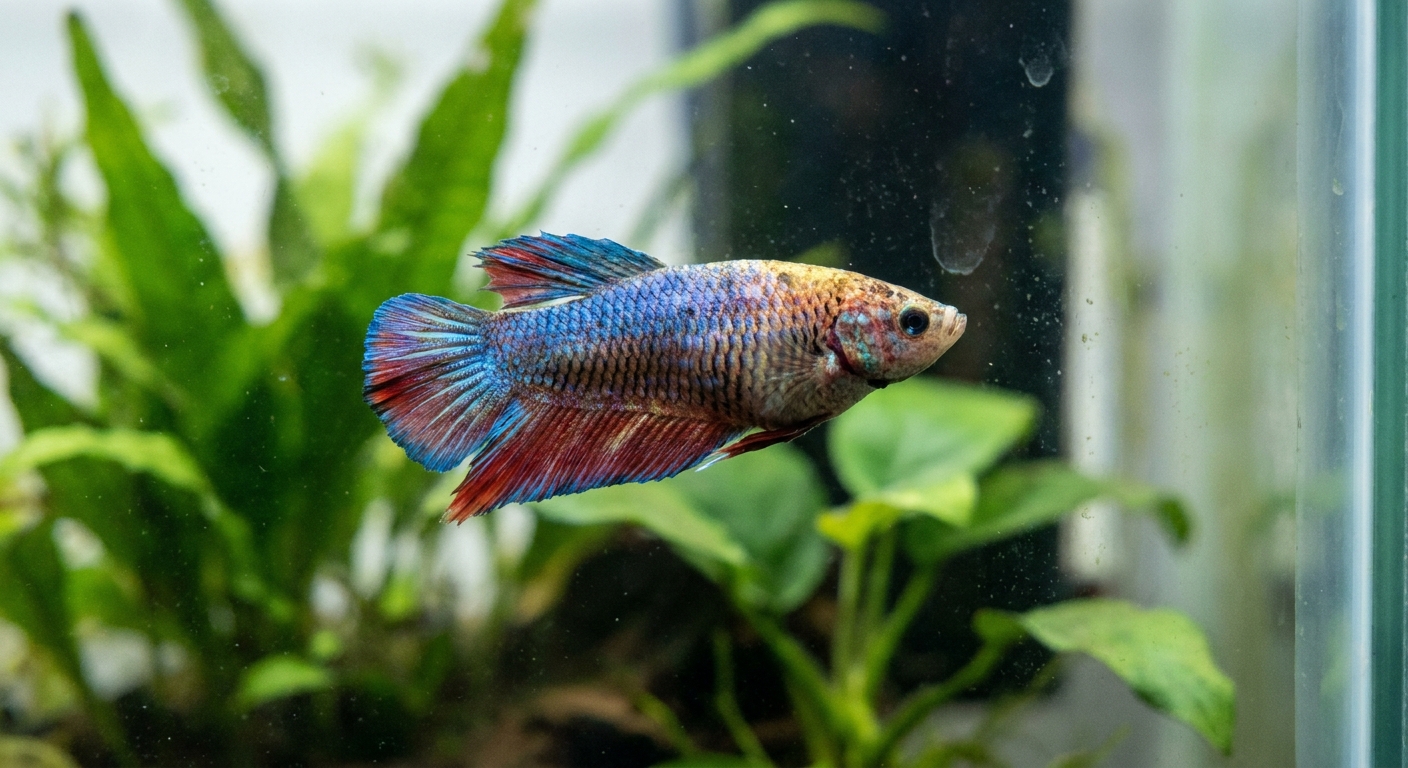
Why overfeeding happens
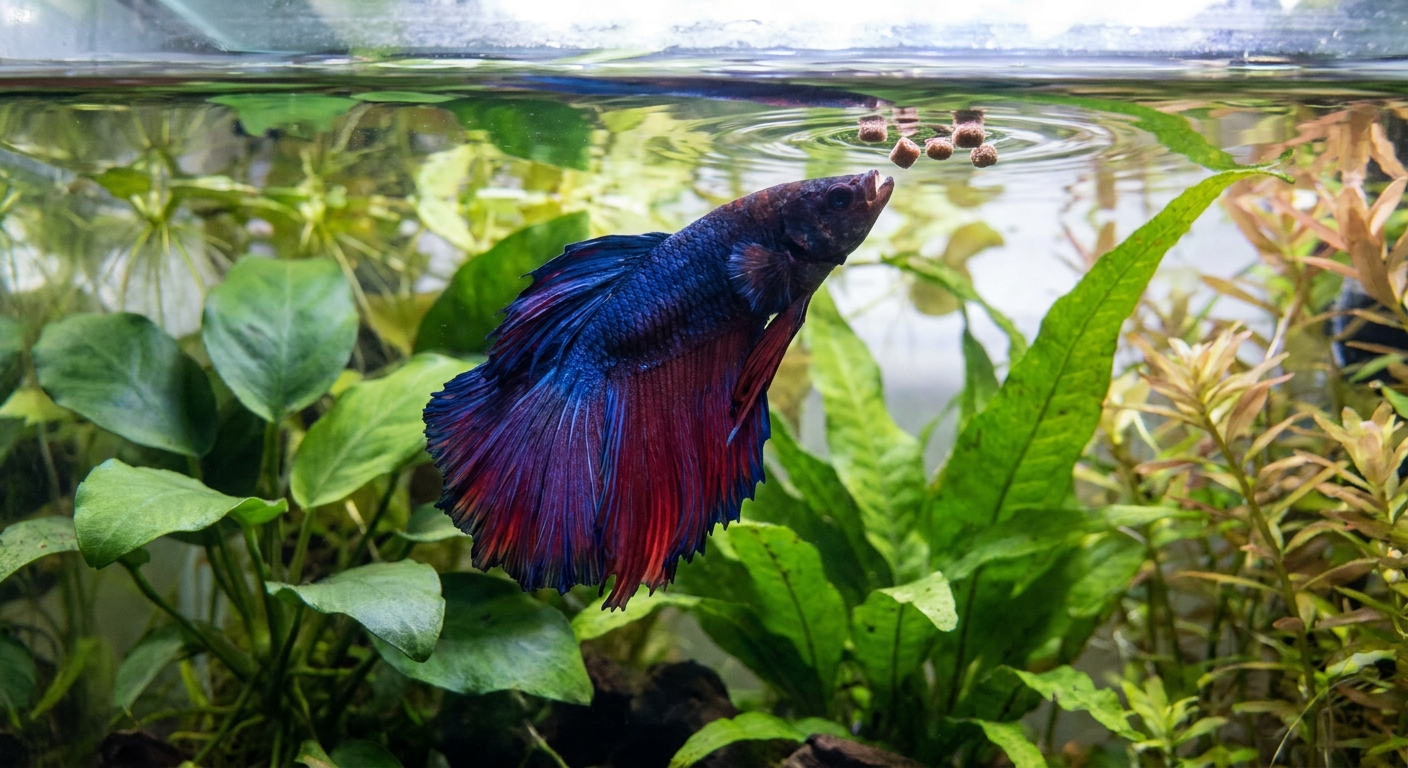
Bettas are enthusiastic eaters. Many will beg, flare, and zip to the surface like they have never been fed in their entire fishy lives. Combine that with a tiny stomach and easy-to-overpour foods, and it’s simple to drift into “a little too much” without meaning to.
- Portions are tiny by design. Betta meals are small, and even a few extra pellets can be a lot.
- Dry pellets expand. Many pellets absorb water and swell after they hit the tank water and after they’re eaten, so “it didn’t look like much” can turn into a heavy meal.
- Begging looks like hunger. Often it’s habit and curiosity, not true need.
- Extra treats add up. Bloodworms and other treats are delicious, but easy to overdo.
If you want a steady baseline to compare against, keep this feeding guide handy: How Much and How Often to Feed a Betta Fish.
Physical signs of overfeeding
These are the body clues that say, “Hey friend, my meals are a bit too big or too frequent.” Some signs overlap with illness, so focus on patterns, not a single moment.
1) A rounded belly that does not go down
A slightly full belly right after eating is normal. A belly that stays rounded for many hours, looks tight, or appears swollen day after day can signal too much food, constipation, or bloat.
2) Stringy poop or long trailing poop
Occasional long poop can happen, but frequent stringy waste can go with constipation or digestion trouble from overeating, low variety, or too many dry foods. If it’s white or прозрачный-looking and keeps happening, consider that internal parasites or infection can look similar and watch closely for other symptoms.
3) Dull color or low sheen
Overfeeding can degrade water quality through extra waste and uneaten food, which stresses fish. Stress can show up as muted colors, clamped fins, or a general “blah” look.
4) Weight gain and a “football” body shape
Bettas vary by genetics and fin type, but a consistently thickened body behind the head with less definition can suggest excess weight over time. This is especially common when feeding treats frequently or using large portions daily.
5) Buoyancy issues after meals
If your betta struggles to stay level, floats up, or seems uncomfortable soon after eating, the meal may be too large or too dry. Swim bladder problems have many causes, but overfeeding and constipation are a common contributing factor.
Behavior signs (yes, even if they beg)
Bettas are dramatic little swimmers, so behavior changes can be the earliest hint that something in the routine needs adjusting.
1) Spitting food out
Some bettas spit and re-grab food as a normal habit, but repeated spitting or chewing-and-dropping can mean pellets are too large, too many are offered at once, or the fish is simply already full.
2) Leaving food to sink
Uneaten food is one of the clearest signs your portions are bigger than your betta needs. It can also lead to cloudy water and ammonia issues, especially in smaller or newer tanks.
3) Sluggishness and frequent resting
After a big meal, a betta may rest more. If your betta becomes regularly less active or seems “heavy,” scale back portions and double-check tank temperature and water quality.
4) Gulping at the surface more often
Bettas naturally breathe air sometimes, but if surface-gulping increases alongside overfeeding, treat it as a water-quality and comfort check. Extra waste can contribute indirectly, but also look for more direct triggers like ammonia or nitrite, warmer water, or low oxygen. Make sure your filter provides gentle surface movement without blasting your betta around.
Clean water supports good digestion. If you suspect extra food has been building up, use this routine to stabilize things: Betta Tank Cleaning Routine and Water Change Schedule.
Quick checks to do today
If you suspect overfeeding, a few fast checks can tell you whether this is just “too much dinner” or a bigger tank issue.
- Test water: ammonia, nitrite, nitrate (ammonia and nitrite should be 0).
- Check temperature: stable warmth supports digestion.
- Watch the belly: does it return closer to normal within 2 to 4 hours after a modest meal?
- Remove leftovers: anything uneaten is a portion clue and a water-quality risk.
Overfeeding vs illness
Not every round belly is “too many pellets.” Use these gentle checkpoints to decide what to do next.
- Overfeeding is more likely if the belly gets bigger after meals, poop looks abnormal, food is left behind, and the problem improves when you reduce portions.
- Illness is more likely if swelling is severe or sudden, the scales start to lift outward (pineconing), the fish stops eating completely for days, or you see rapid breathing, sores, fuzz, or extreme lethargy.
If you see pineconing, severe swelling, or rapid decline, treat it as urgent. Overfeeding fixes are helpful, but they are not a substitute for prompt health-focused care. You can browse the health hub here: Health & Wellness.
How to correct it safely
Big, sudden changes can stress fish, so the goal is steady and boring. Boring is beautiful in betta care.
Step 1: Remove uneaten food right away
If food hits the substrate, scoop it out with a turkey baster, siphon, or small net. Less decay means better water quality and less stress.
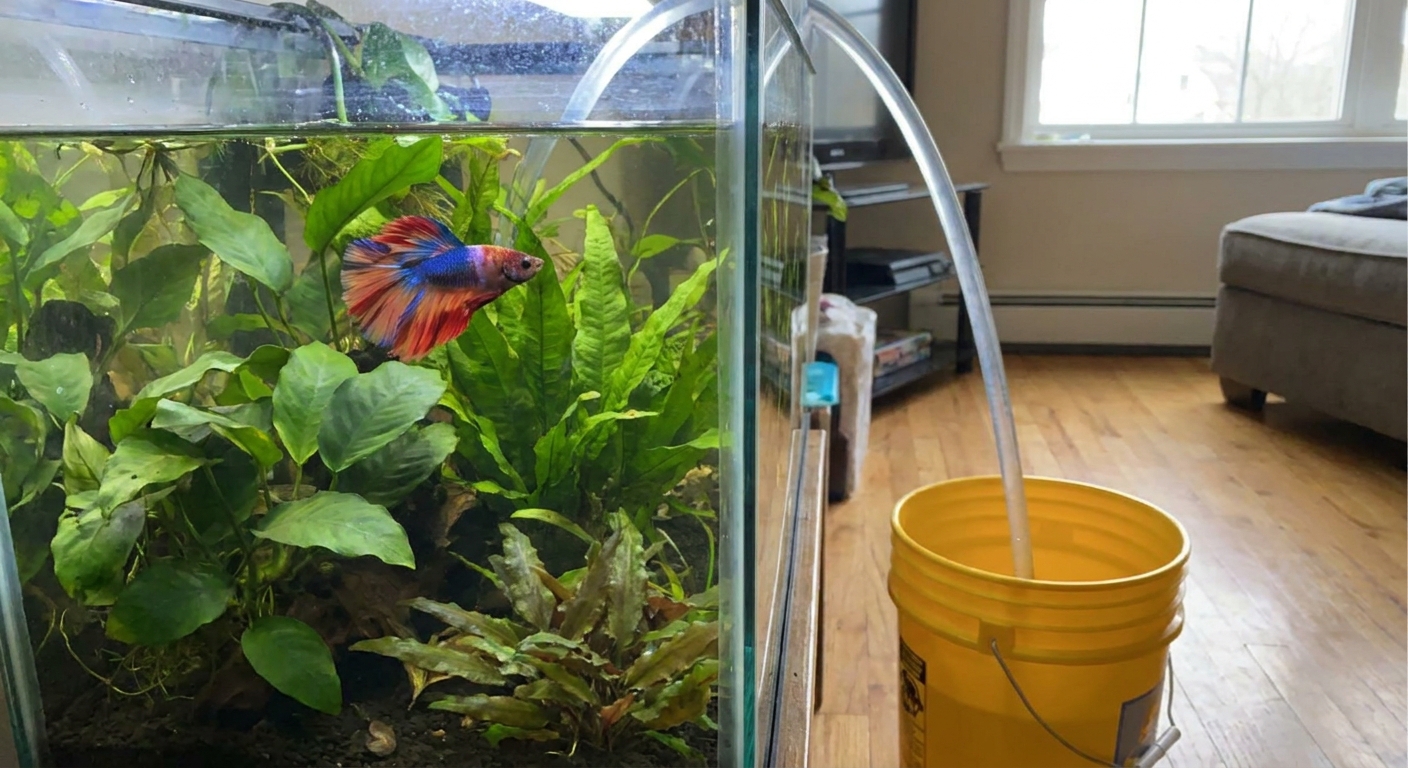
Step 2: Do a small water change if the tank has been getting extra food
If you have been overfeeding for more than a day or two, assume the tank has extra waste. A partial water change helps immediately. If you use tap water, make sure it is treated properly: How to Prepare Tap Water for a Betta Tank.
Step 3: Pause feeding briefly only when appropriate
For an adult, otherwise healthy betta that is bloated or constipated, a short fast can help reset digestion. Skipping one day is often enough to see improvement, but some fish need 24 to 72 hours plus a cleaner routine and smaller meals.
- Do not fast fry or very young bettas.
- Be cautious with underweight bettas. If your fish is thin but acting hungry, focus on portion control and food quality instead of fasting.
Step 4: Restart with smaller, measured meals
Instead of one big meal once daily, many bettas do better with smaller meals split into two feedings. This reduces gulping and helps digestion.
A simple starting point: begin with 2 to 3 small pellets per feeding, twice daily, then adjust based on your betta’s body shape and whether any food is left behind. If your pellets are large, feed fewer. If your betta is smaller or less active, feed less. The best “portion gauge” is a belly that looks gently full after eating and returns closer to normal within a few hours.
If you need a clear baseline for portions and schedule, follow: How Much and How Often to Feed a Betta Fish.
Step 5: Adjust the food itself if needed
- Pellet size: If pellets look large for your betta’s mouth, switch to a smaller pellet or feed fewer at a time.
- Soak dry foods briefly: A quick soak in tank water can reduce rapid swelling in the gut and slow frantic gulping.
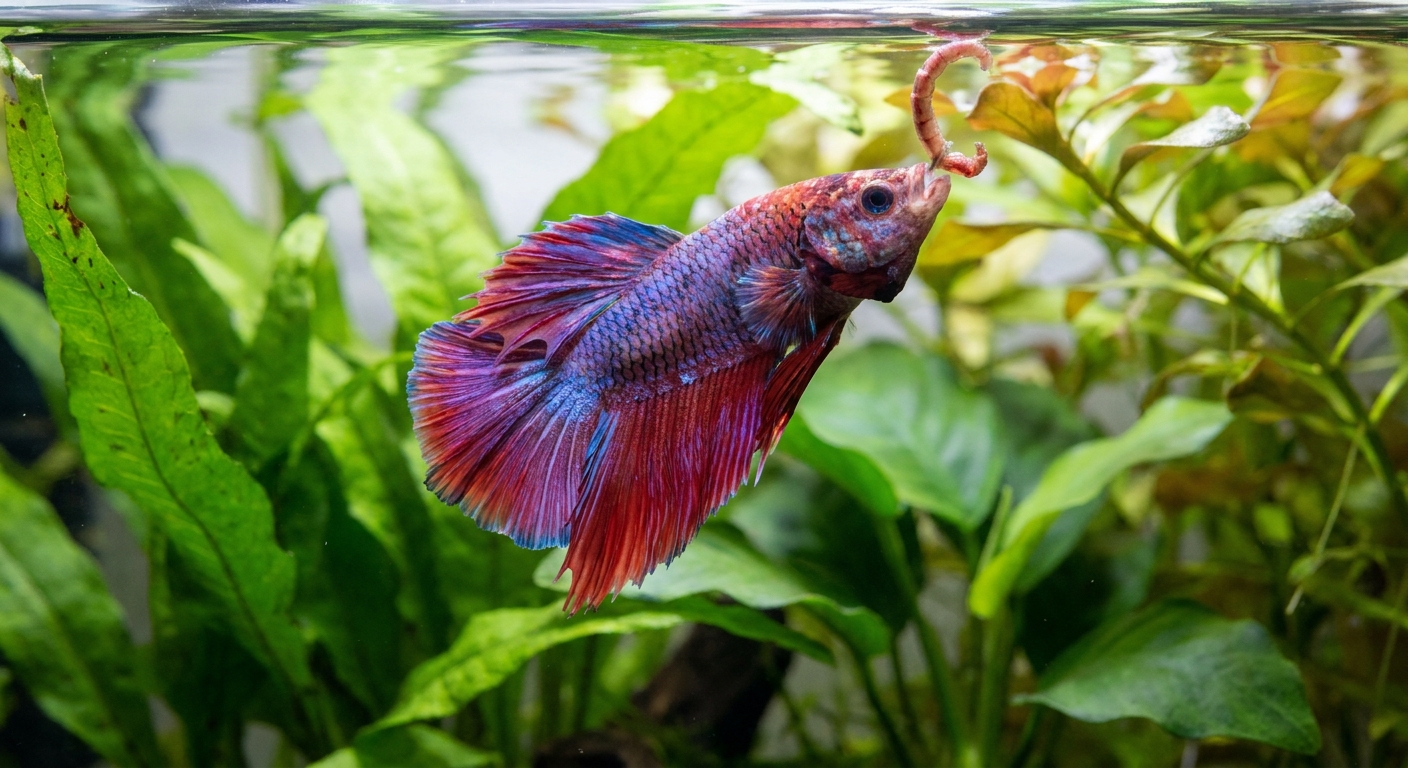
- Bring in high-quality variety: Rotate between a staple pellet and occasional frozen or live options for enrichment and digestion support.
For safe treat ideas and how to use them wisely, visit: 7 Best Frozen and Live Foods for Betta Color and Vitality.
Step 6: Keep the tank warm and stable
Cold water slows digestion. A stable, appropriate temperature helps your betta process meals normally. If you are troubleshooting recurring bloat or constipation, temperature is a must-check: Betta Tank Temperature and Heater Placement.
A simple 7-day reset
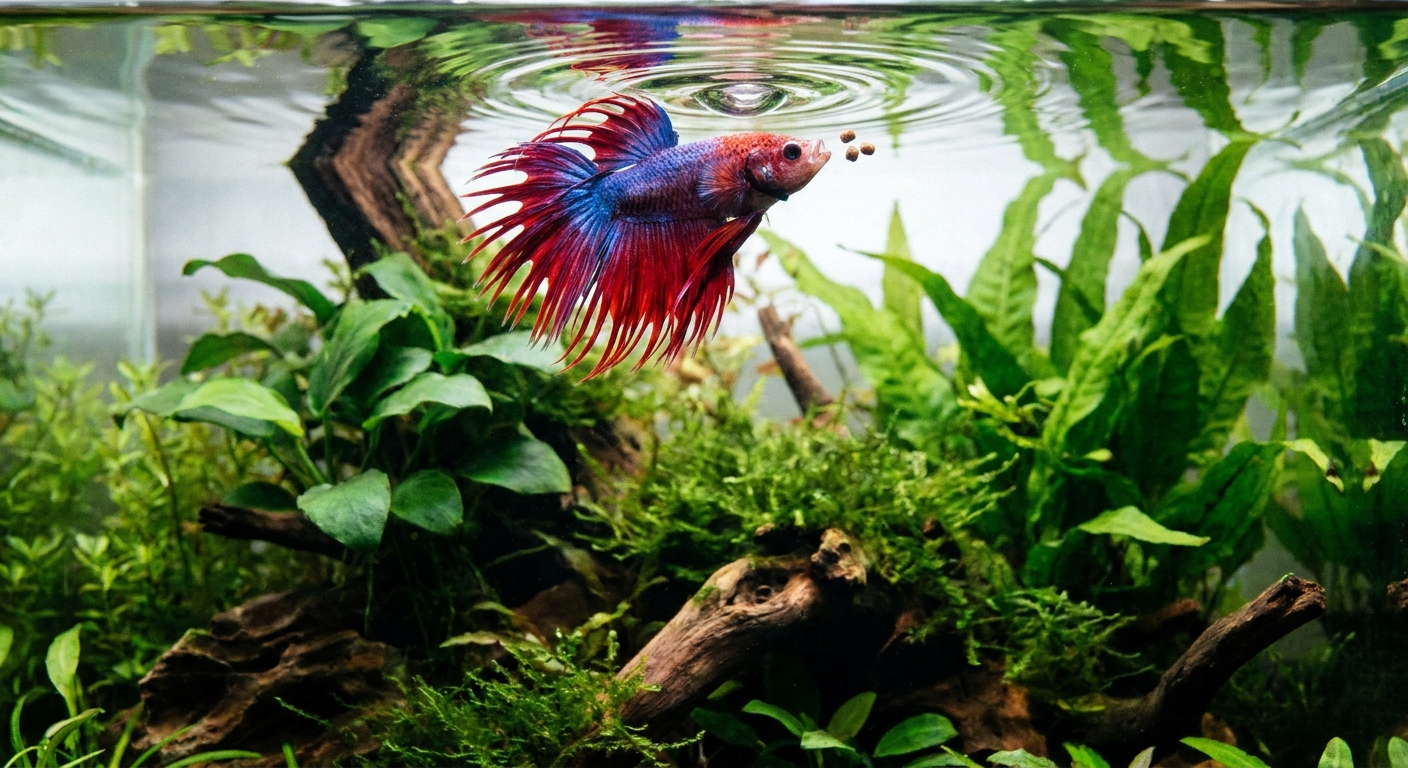
If you are not sure how to transition from “oops” to “on track,” this gentle one-week reset can help.
- Day 1: If your betta is an adult and otherwise healthy and looks bloated, skip feeding for the day. If not bloated, offer a very small meal. Remove leftovers immediately.
- Day 2: Small meal, then observe belly shape and energy for the next few hours.
- Days 3 to 5: Two small feedings per day, with a total daily amount smaller than before. Keep it consistent.
- Day 6: Optional light day (slightly reduced portion), especially if you are still seeing a round belly.
- Day 7: Settle into your long-term schedule and stop adding extra “bonus bites.”
During the reset, keep the environment calm and enriching so your betta is not “bored begging.” Plants and hiding places help reduce pacing and stress. If you need ideas: 7 Essential Tank Decorations for Betta Hiding Spots and Enrichment.
Mistakes that keep it going
- Feeding by vibes, not portions. Bettas are convincing. Stick to a plan.
- Dropping in extra food “just in case.” If food sinks uneaten, it is too much.
- Too many treats. Treats should be occasional, not the main course.
- Assuming cloudy water means “hungry fish.” Cloudiness often means excess waste or a disrupted cycle.
- Skipping maintenance after overfeeding. Extra food usually means extra cleanup.
If your tank is new or you suspect the cycle is unstable, it is worth reviewing the basics: How to Cycle a New Betta Fish Tank.
FAQ
How do I know if my betta is truly hungry?
A betta that is on a consistent schedule will often still beg. True hunger is better judged over time: steady energy, healthy body shape, and finishing an appropriately sized meal without leftovers. Begging alone is not proof.
My betta only eats when I add more and more. What’s going on?
Try offering fewer pellets at a time so your betta can target each piece, and consider smaller pellets. Also check that the current food is fresh and appropriate for bettas. If you want help choosing between common options, see: Pellets vs Flakes for Betta Fish.
Can overfeeding cause ammonia spikes?
Yes. Uneaten food decays and adds to the bioload, and extra waste from overeating piles on. Spikes are more likely in small tanks, newer setups, or tanks with an immature biofilter. If your fish seems stressed after a period of heavy feeding, prioritize cleanup and stable parameters.
Should I use peas for constipation?
Peas are often suggested for fish constipation, but they are usually not ideal for bettas because bettas are insect-eaters, not plant-focused grazers. A better approach is smaller meals, stable warm water, and appropriate high-quality foods with sensible variety. Many keepers choose a small serving of daphnia instead of peas when they want a gentler, betta-appropriate “reset” food.
Keep it steady and sparkling
Overfeeding is a super common wobble, and it does not mean you are doing a bad job. With smaller measured meals, fewer leftovers, and a clean, warm tank, most bettas bounce back beautifully. Your finned friend will thank you with brighter color, smoother swimming, and that confident little “I run this aquarium” attitude.