
Let’s make your tank the happiest little splash in the house! Many bettas do best with two things at once: a safe place to tuck into and something interesting to explore. The best decorations do both, without snagging delicate fins or stealing precious swim space.
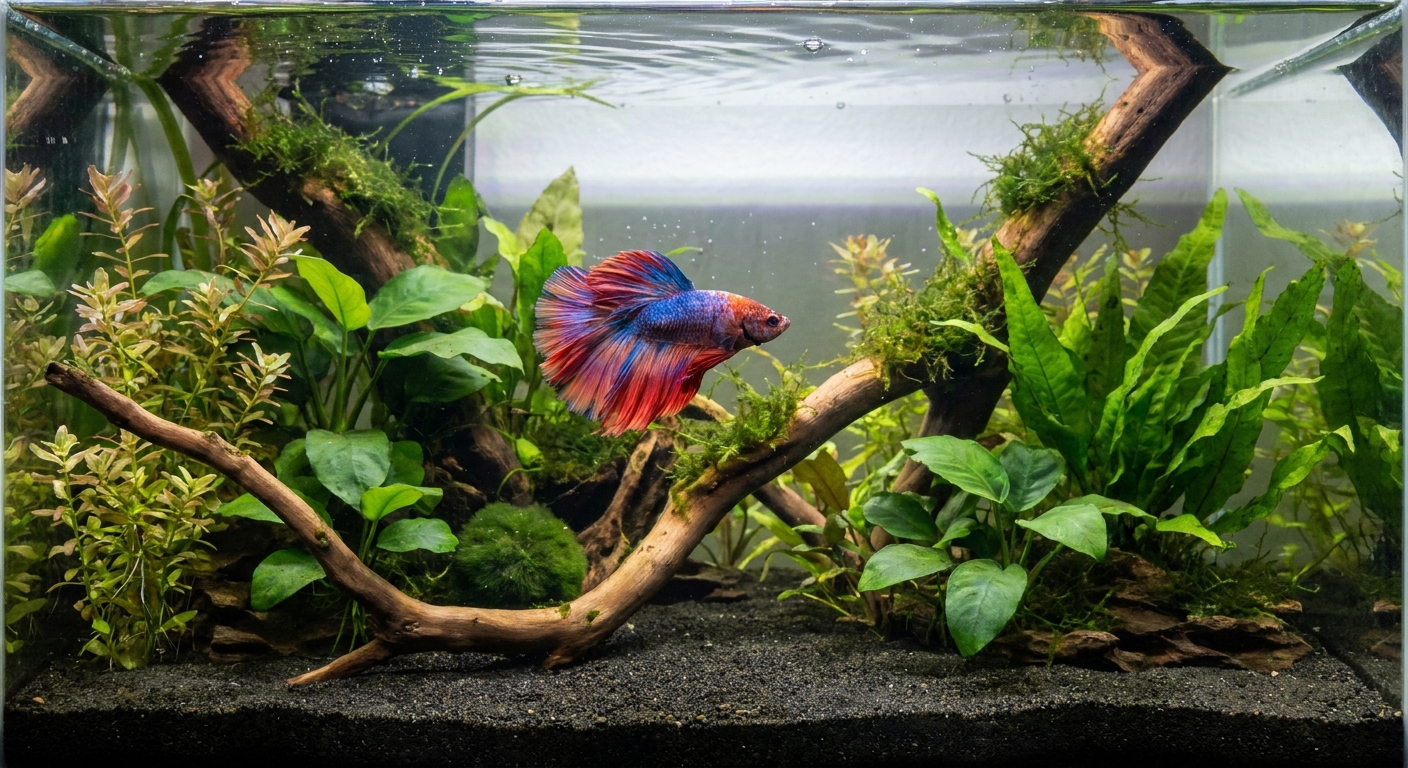
Below are seven betta-friendly decorations that create hiding spots, encourage natural behavior, and help your finned friend feel secure.
Before you decorate: the betta-safe checklist
Any decoration can be enriching, as long as it passes a few simple safety tests.
- No sharp edges: If it can snag nylon stockings, it can snag fins. Sand rough spots or skip the item.
- Easy to clean: Decorations collect biofilm and debris. Choose pieces you can lift out and rinse in removed tank water.
- Stable placement: Bettas squeeze into nooks. Make sure caves and wood cannot shift or topple.
- Safe materials: Stick to aquarium-safe resin, inert rock, aquarium-safe ceramic, or well-prepared driftwood.
- Avoid mystery paints and metals: Skip decor with flaking paint, exposed metal parts, or unknown coatings that could chip or leach into the water.
- Leave swim lanes: A betta still needs open water to patrol. Aim for cozy cover plus clear routes from one end to the other.
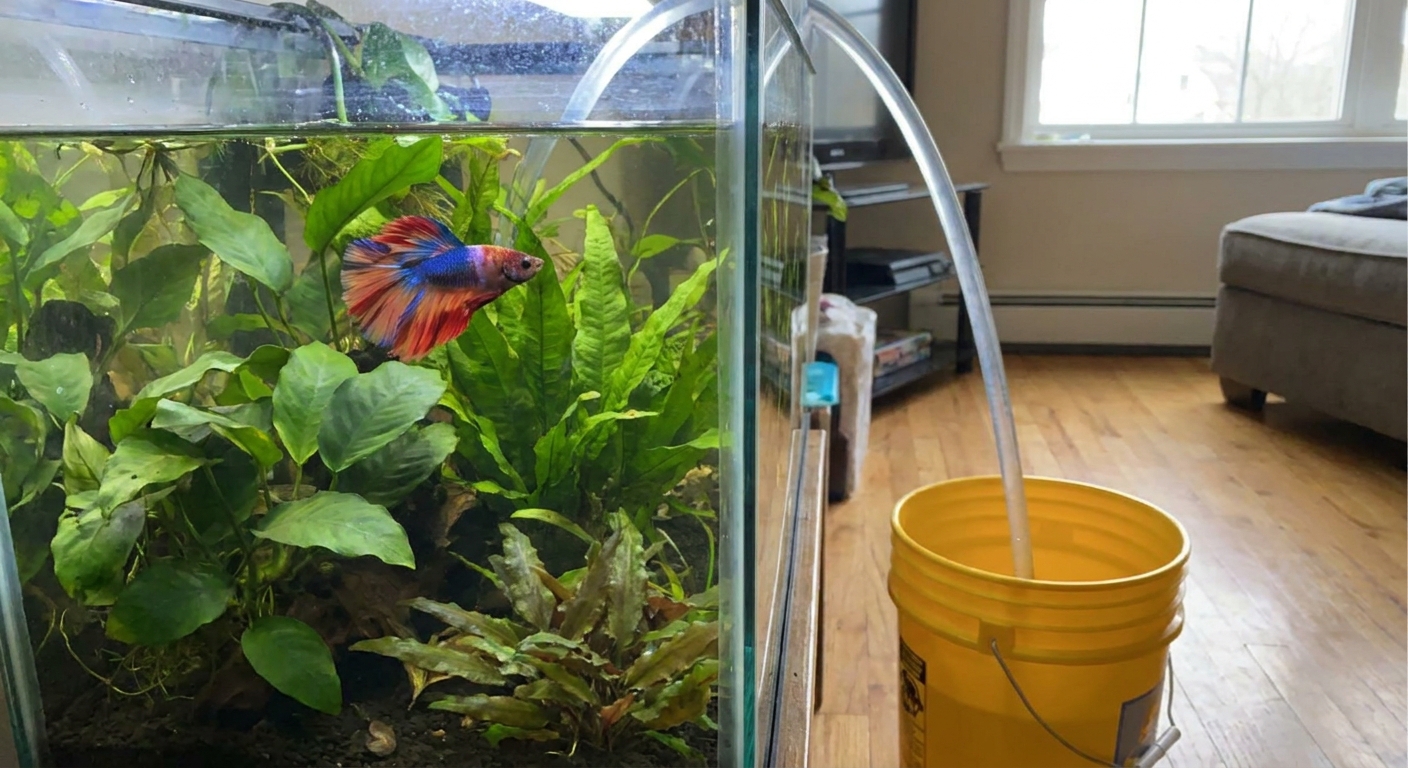
Cleaning note: Avoid soap or household cleaners. A quick scrub and rinse in removed tank water is usually all you need.
If you are setting up a brand-new tank, cycle it first so your betta can enjoy all those new hiding spots in healthy water. Here’s the step-by-step: How to cycle a new betta fish tank.
1) Broad-leaf live plants
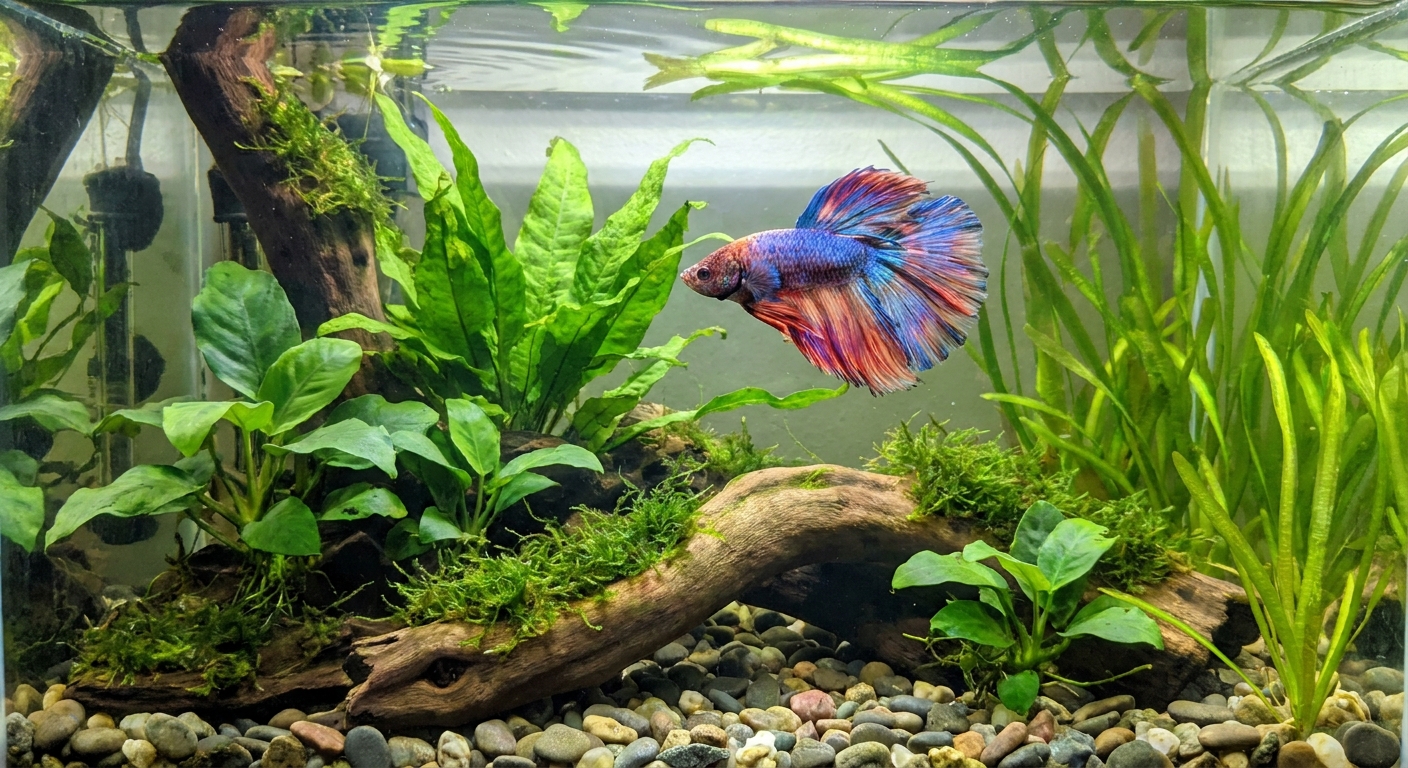
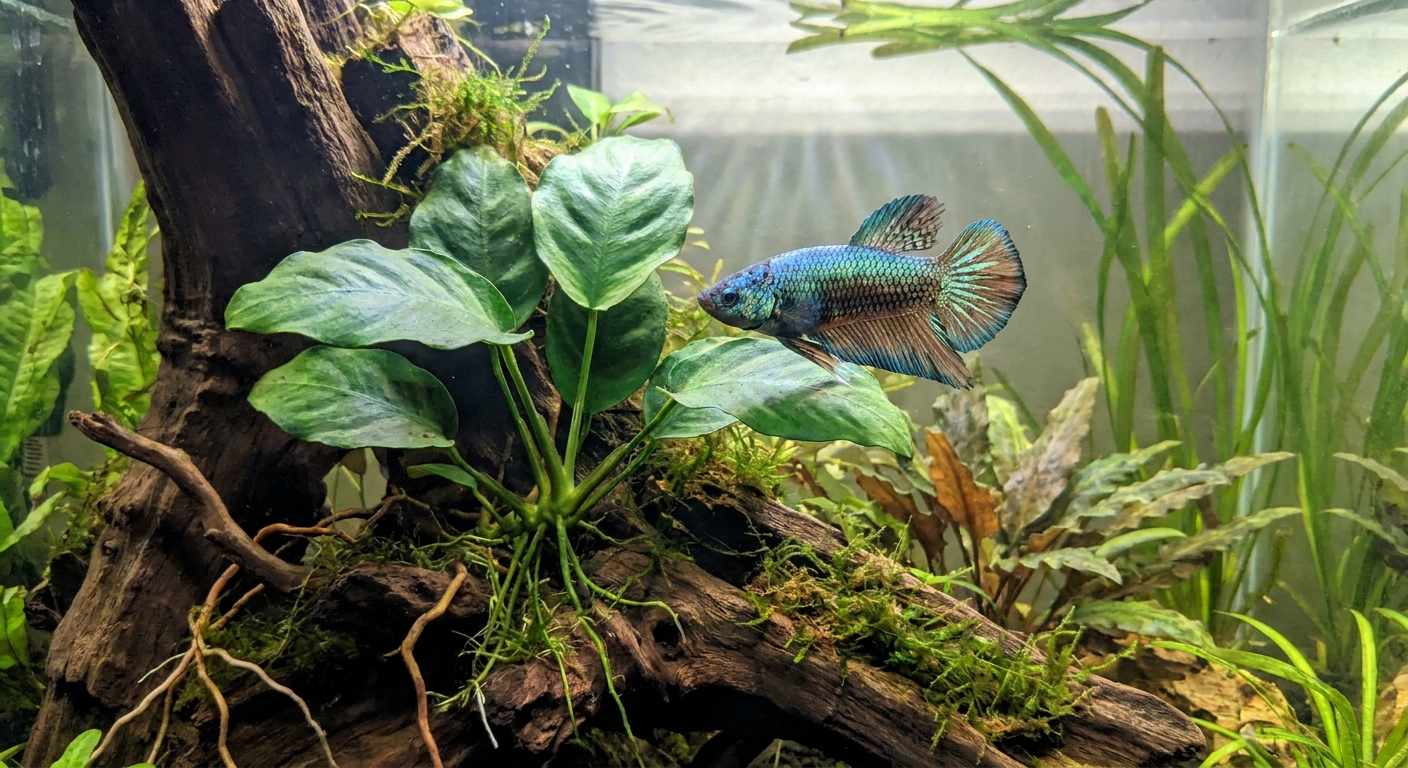
Live plants create gentle cover, break up sightlines, and give a betta a place to hover, nap, and explore. Big, soft leaves are especially useful near the top and mid-levels of the tank.
Great choices
- Anubias (broad leaves, slow growing, hardy)
- Java fern (leafy clumps, easy care)
- Cryptocoryne (plant thickets for shy fish)
- Water sprite (lush cover, can be floated)
Bloop tip: Create a “plant corner” that is dense enough to hide a betta’s whole body. That becomes a comfort zone during bright room lights or busy household moments.
Want more environment ideas beyond decor? Swim over to Tank Setup & Environment.
2) Silk plants
If live plants are not in the plan right now, silk plants are a wonderful middle ground. They provide hiding structure without the fin-tearing risk of rigid plastic.
How to choose silk plants safely
- Pick plants labeled silk (soft fabric leaves) rather than stiff plastic fronds.
- Look for wide leaves and flexible stems.
- Check the base for rough seams or sharp points.
Arrange silk plants in clusters so your betta can weave in and out, instead of a single lonely stem in the middle.
3) Floating betta log
A floating log is a favorite style of enrichment because it creates a covered tunnel near the surface. Bettas naturally spend a lot of time in the upper water column, and they appreciate a spot that feels sheltered while still letting them breathe easily at the top.
Placement tips
- Keep it in a calm area away from strong filter output so it does not bump the glass all day.
- Leave enough clearance above it so your betta can reach the surface comfortably.
- Rinse well before adding, and check interior edges for roughness.
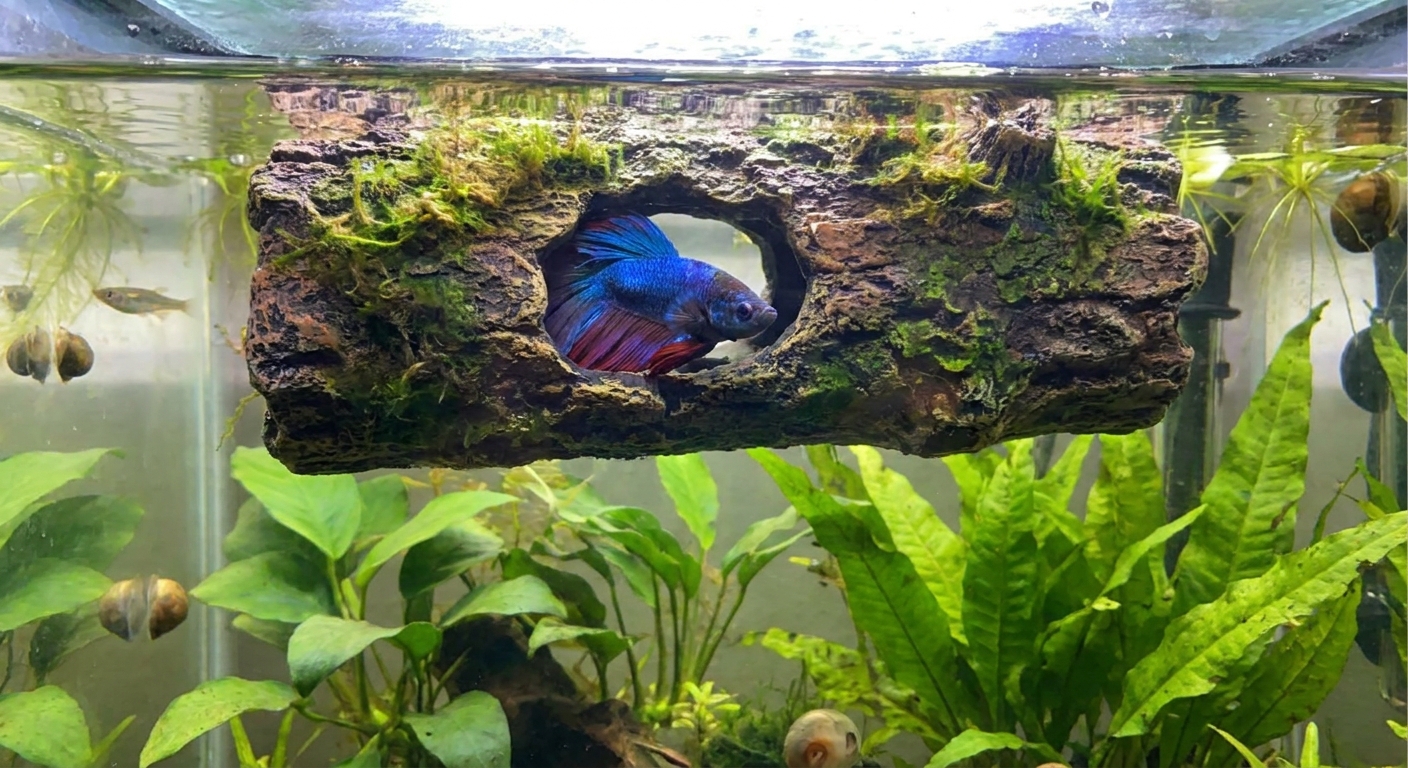
Extra enrichment idea: Place a plant cluster beneath the floating log so your betta can cruise between “ceiling cover” and “leaf cover” like a tiny underwater explorer.
4) Betta hammock or perch
Bettas love to rest near the surface, and a hammock gives them a dedicated “lounging ledge.” This is enrichment and stress relief in one, especially for fish that like to keep watch from above.
Best setup
- Attach it about 1 to 2 inches below the surface, or simply close enough that your betta can gulp air comfortably.
- Position it in a low-flow zone.
- Check suction cups regularly so it does not slide down unexpectedly.
If your betta ignores it at first, do not worry. Many fish discover their new “favorite chair” after a few days of settling in.
5) Smooth cave or tunnel
A cave provides the deepest kind of security: a place where your betta can disappear completely. This is especially helpful in community rooms with lots of movement, or for naturally cautious bettas.
What makes a cave betta-safe
- Wide entrance: Avoid tight squeezes that can scrape fins.
- Smooth interior: No gritty texture, sharp seams, or jagged holes.
- Stable base: It should not wobble if nudged.
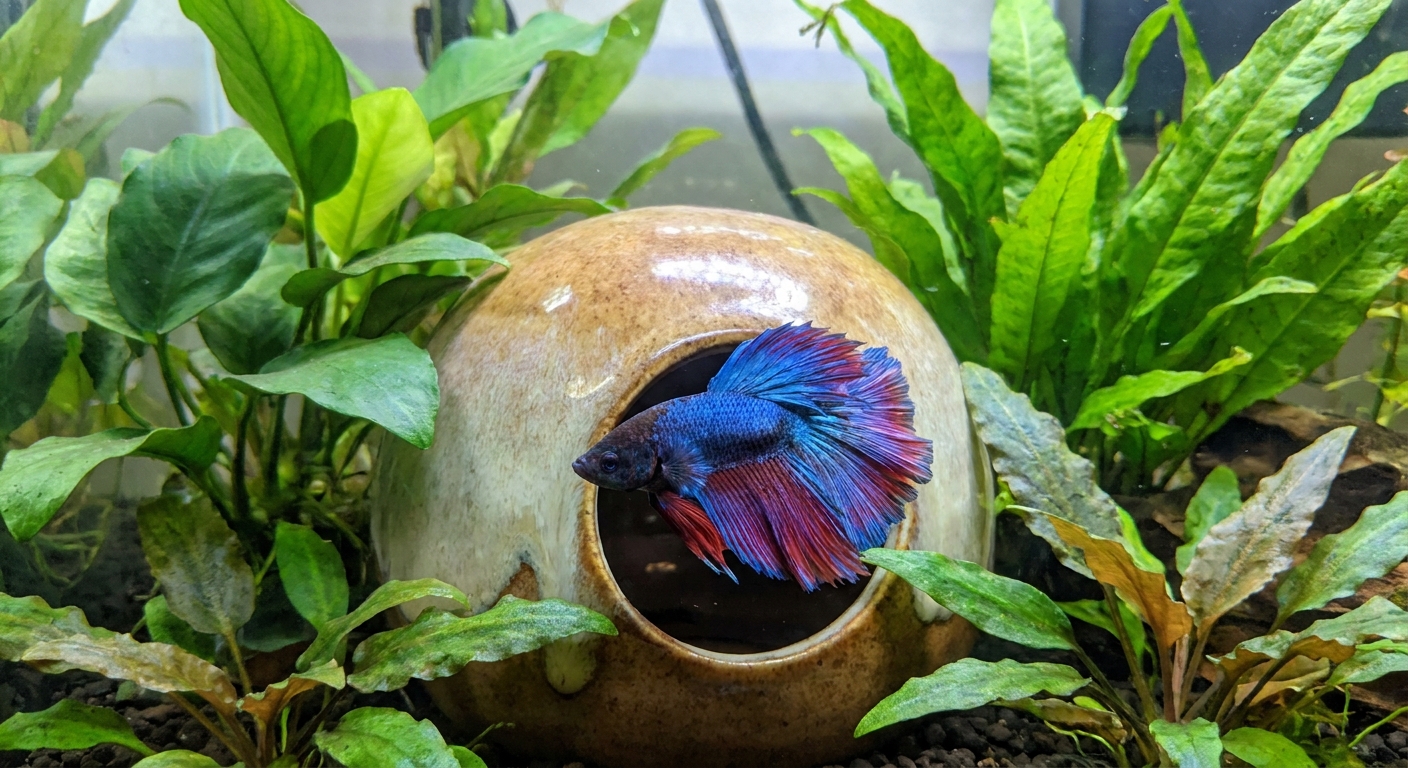
Gentle warning: Decorations with many tiny holes can trap curious fish. Choose one or two roomy entrances instead of a “spiky castle” full of little windows.
6) Driftwood with gentle curves
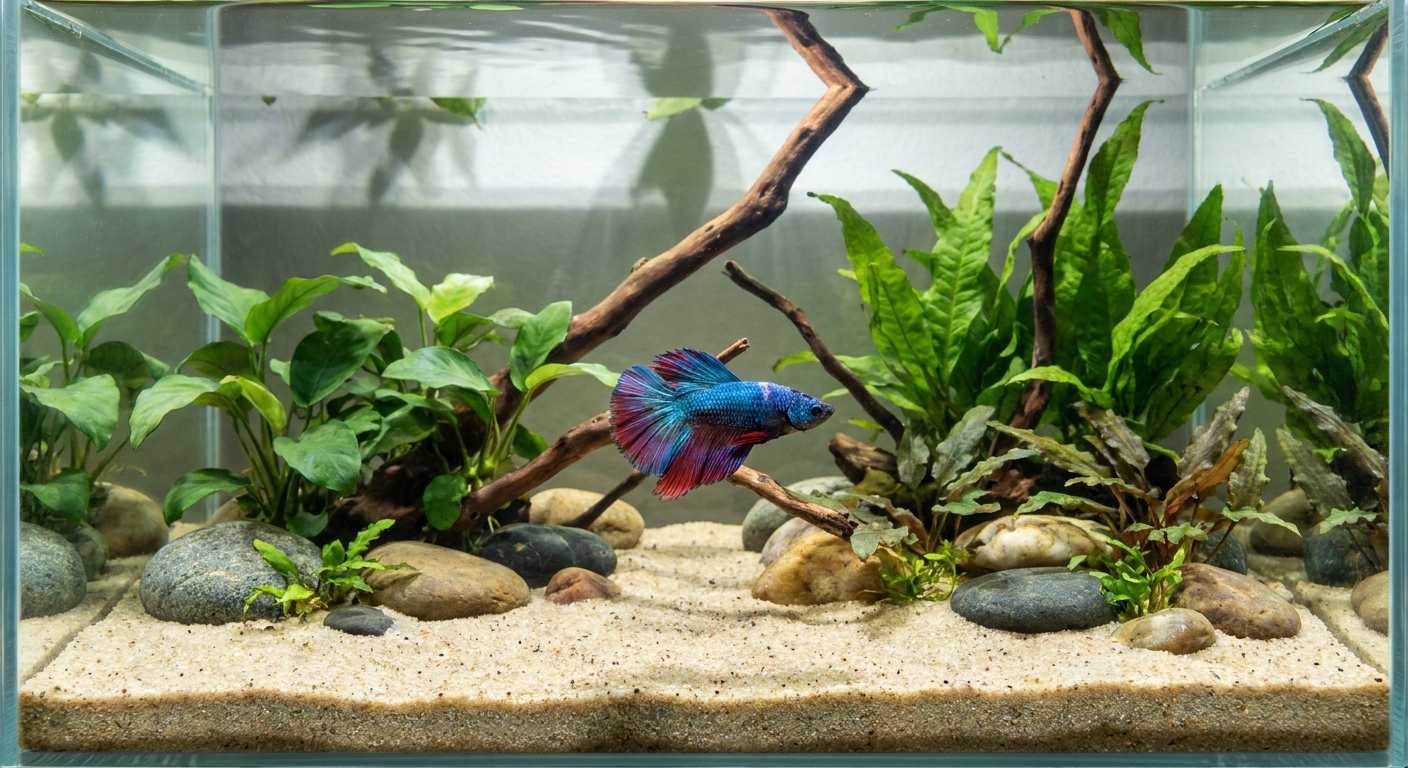
Driftwood turns an open tank into a natural-looking habitat with shade lines, arches, and little passageways. Bettas often enjoy patrolling around wood like it is a mini territory map.
Driftwood notes to keep water happy
- Some wood releases tannins, which can tint water tea-colored. This is often well-tolerated and can help mimic tannin-rich natural habitats.
- Soaking driftwood helps it sink and can reduce tannins. Boiling can work for smaller, aquarium-safe pieces, but it is not practical for all sizes and should be done with care.
- Make sure there are no sharp splinters. Sand if needed.
Pair driftwood with anubias or java fern for an instant “jungle branch” effect.
7) Natural leaf litter
Leaf litter adds a gentle, natural feel and gives bettas something to investigate. As leaves soften, they create subtle cover at the bottom and encourage curious “sniff and search” behavior.
How to use leaf litter safely
- Use aquarium-appropriate leaves (often sold as Indian almond leaves or catappa).
- Add one leaf at a time and monitor water parameters.
- In softer, low-buffer water, tannins can nudge pH downward. This is not always a problem, but it is worth keeping an eye on.
- Replace as it breaks down, and siphon debris during maintenance.
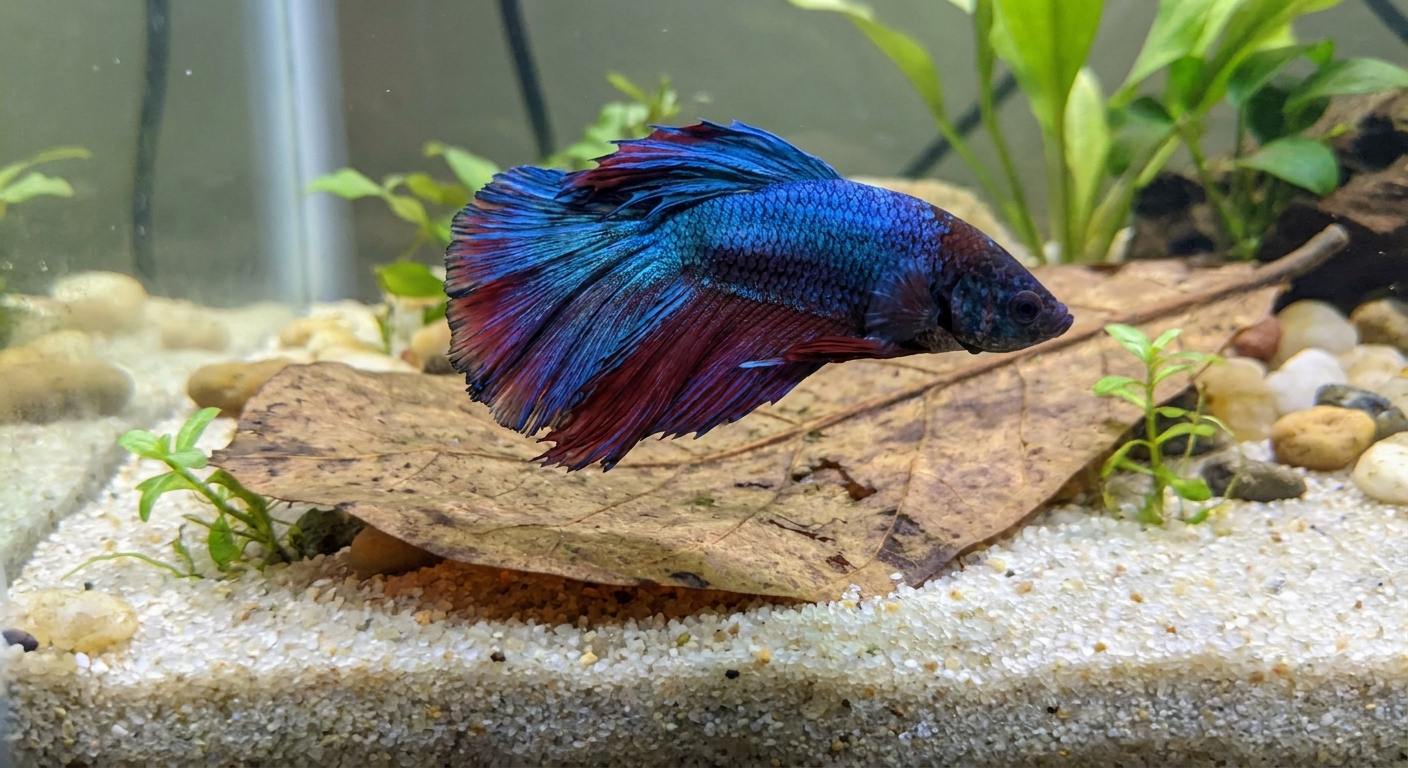
If you keep tank mates, leaf litter can also create extra line-of-sight breaks. For compatibility guidance, visit Tank Mates & Compatibility.
How to arrange decorations
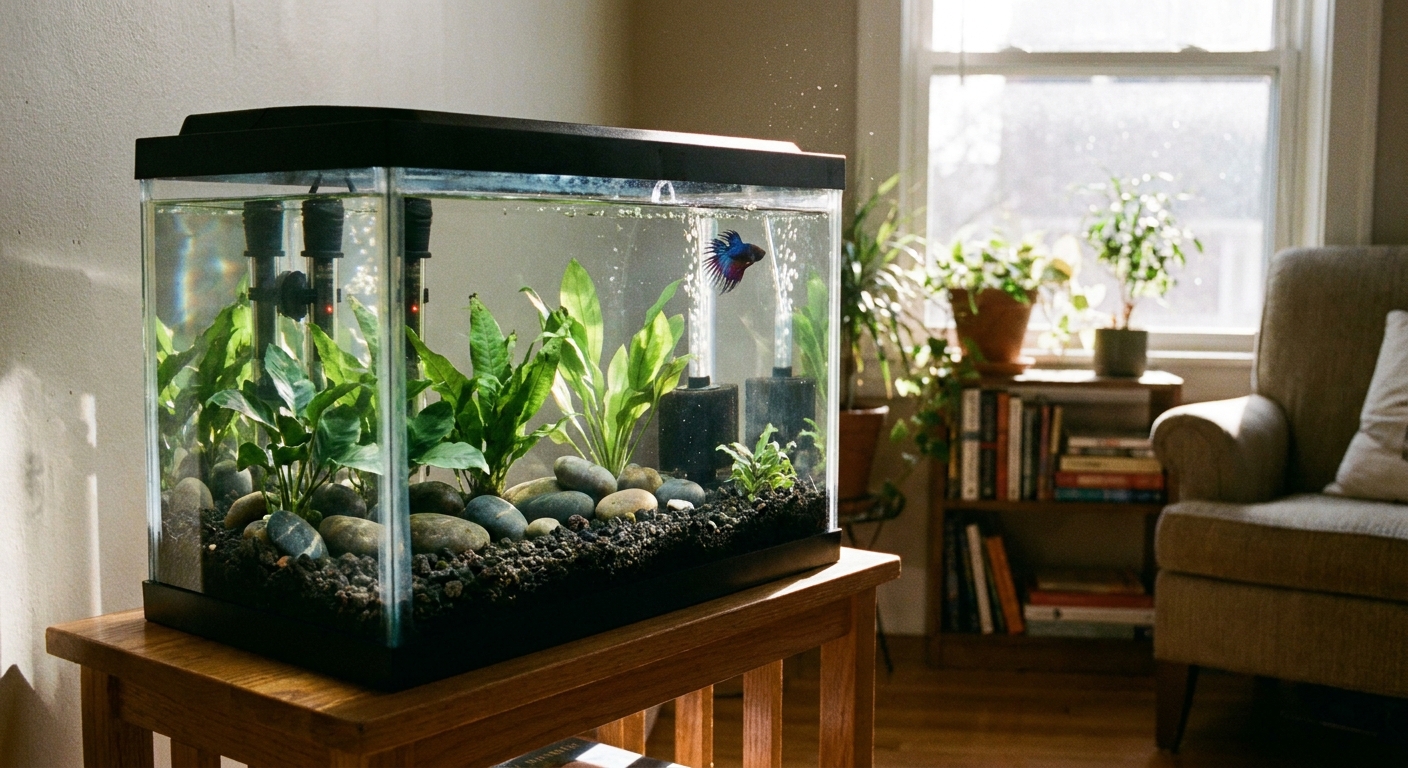
Instead of scattering one of each item, try building a few “zones” that match betta behavior.
- Surface zone: floating log or hammock, plus a plant that reaches the top.
- Midwater zone: broad leaves and gentle branches for weaving through.
- Bottom zone: a cave or shaded nook, plus leaf litter or low plants.
Keep one clear path from one side of the tank to the other. Bettas love to cruise like tiny water dragons on patrol.
Tank size matters for enrichment, too. More space makes it easier to add cover without crowding. If you are deciding between common setups, this comparison helps: 5-gallon vs 10-gallon tank for bettas.
Quick FAQ
Can I use plastic plants?
Some are fine, but many are stiff and can tear fins. If a plant feels pokey or sharp, skip it and choose silk or live plants instead.
How many hiding spots does a betta need?
A good goal is at least two true hides (where your betta can fully tuck away) plus resting cover near the surface like a hammock or broad-leaf plant.
Will too many decorations stress my betta out?
Too much clutter can reduce swimming space and trap debris. Aim for a balance: cozy cover around the edges, open water through the middle, and decorations you can clean easily.
What if my betta wedges into a decoration?
Remove that item right away and replace it with a smoother, roomier cave or plant cover. Bettas squeeze into surprisingly small gaps, so “spacious” is always safer than “snug.”
Are betta mirrors good enrichment?
Mirrors can encourage short bursts of exercise, but they can also wind some bettas up. If you use one, keep sessions brief and occasional, and stop if your fish seems stressed or starts obsessing over it.
One last sparkle from Bloop
Enrichment is not about fancy stuff. It is about creating a tank that feels safe, interesting, and easy to navigate. With a few soft plants, a cozy hide, and a comfy surface perch, your betta gets the best of both worlds: a calm home base and a playful little kingdom to explore.
For more ways to keep your betta busy and confident, swim over to Behavior & Enrichment.