
Let’s make your tank the happiest little splash in the house!
Now, about that big, curiosity-bubbling question: do betta fish recognize their owners? Bettas are smart, observant little swimmers, and many will act like they know you. Most of the time, what looks like “recognition” is a mix of learning routines, noticing your shape and movement, and remembering that you are the reliable source of food and safety.
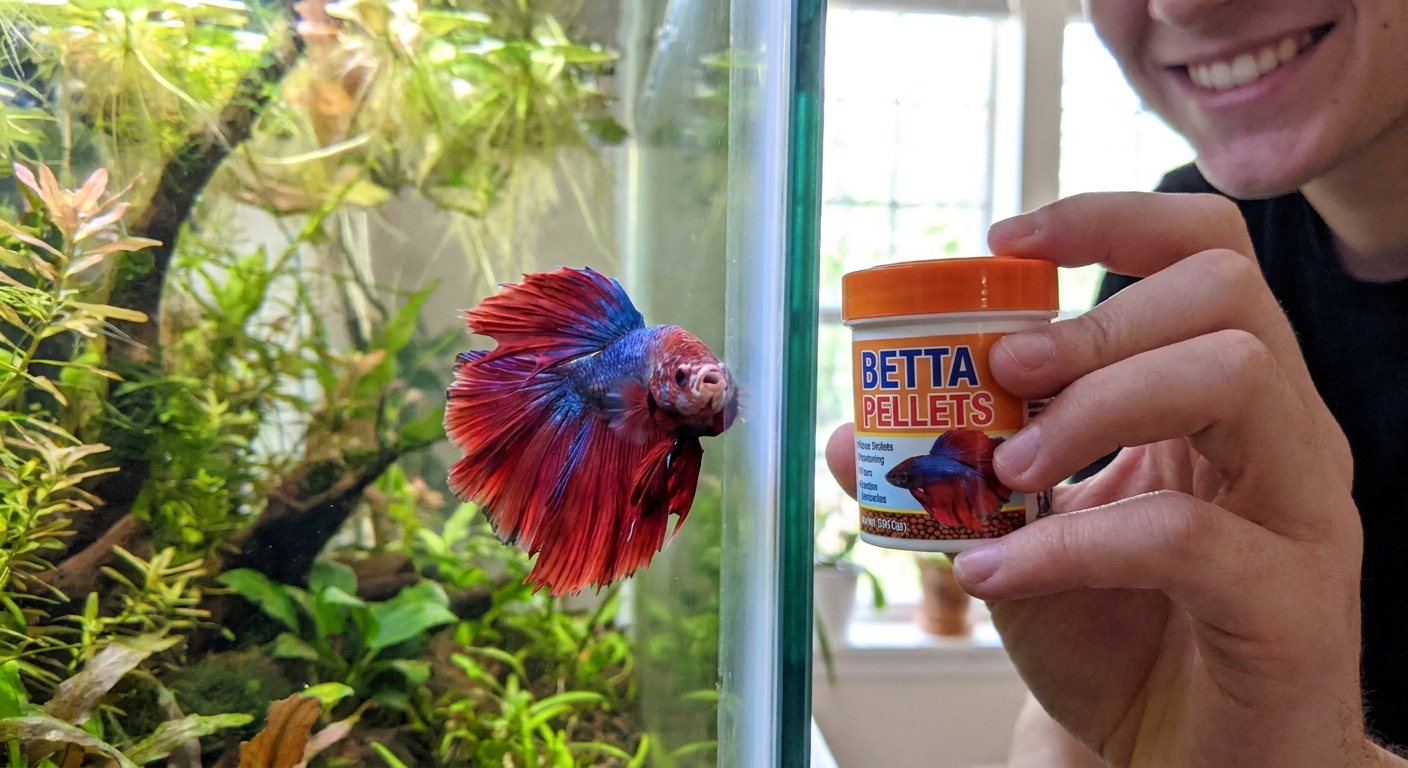
What “recognize” means
Bettas do not recognize people the same way humans recognize each other. But they can learn to associate specific cues with outcomes, and they can remember patterns over time.
So when someone says, “My betta knows me,” what they usually mean is:
- The betta reacts differently to one familiar person than to strangers.
- The betta anticipates routines like feeding time or tank maintenance.
- The betta approaches, follows, or watches one particular person more consistently.
This is real behavior and real learning. It is just not human-style bonding with human-style signals.
How bettas sense you
Betta fish rely on a few key senses to navigate daily life:
- Vision: Bettas rely heavily on vision at close range and are tuned in to movement. They notice when something approaches the glass, especially from their usual “viewing side.”
- Vibration: Like other fish, bettas pick up vibrations in the water with their lateral line. Heavy footsteps, tapping, and sudden movements can feel huge and startling.
- Smell and taste: Bettas use chemical cues, especially around food. In most home tanks, smell is more likely helping them recognize “food is happening” rather than identifying a specific person.
So your betta is usually responding to your consistent presence, movement patterns, and timing, plus the fact that you control the most exciting event of the day: meals.
Signs your betta knows you
Every betta has their own personality, but these behaviors often show up when a betta has learned your routine and associates you with good things:
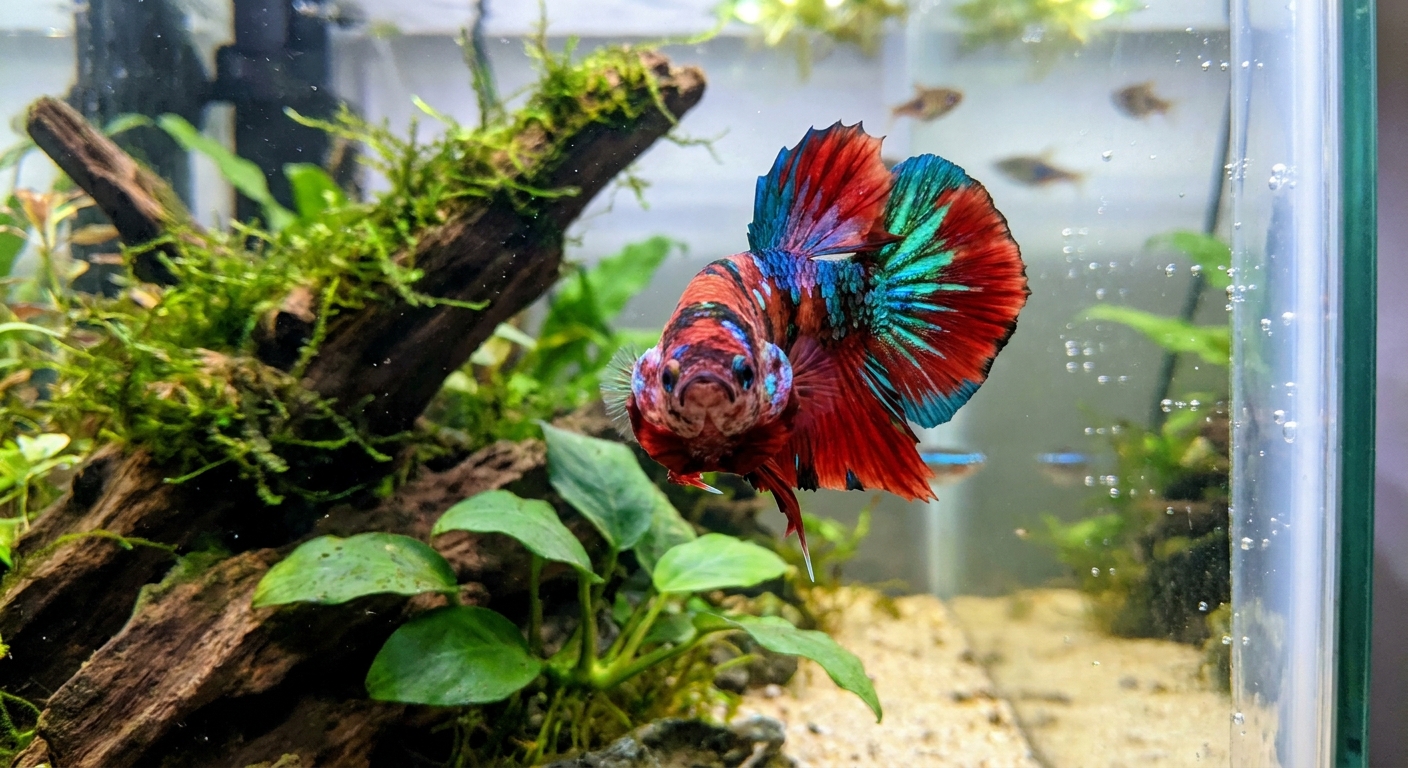
They come to the glass
A betta that swims to the front, especially to a specific corner where feeding happens, is showing strong association learning.
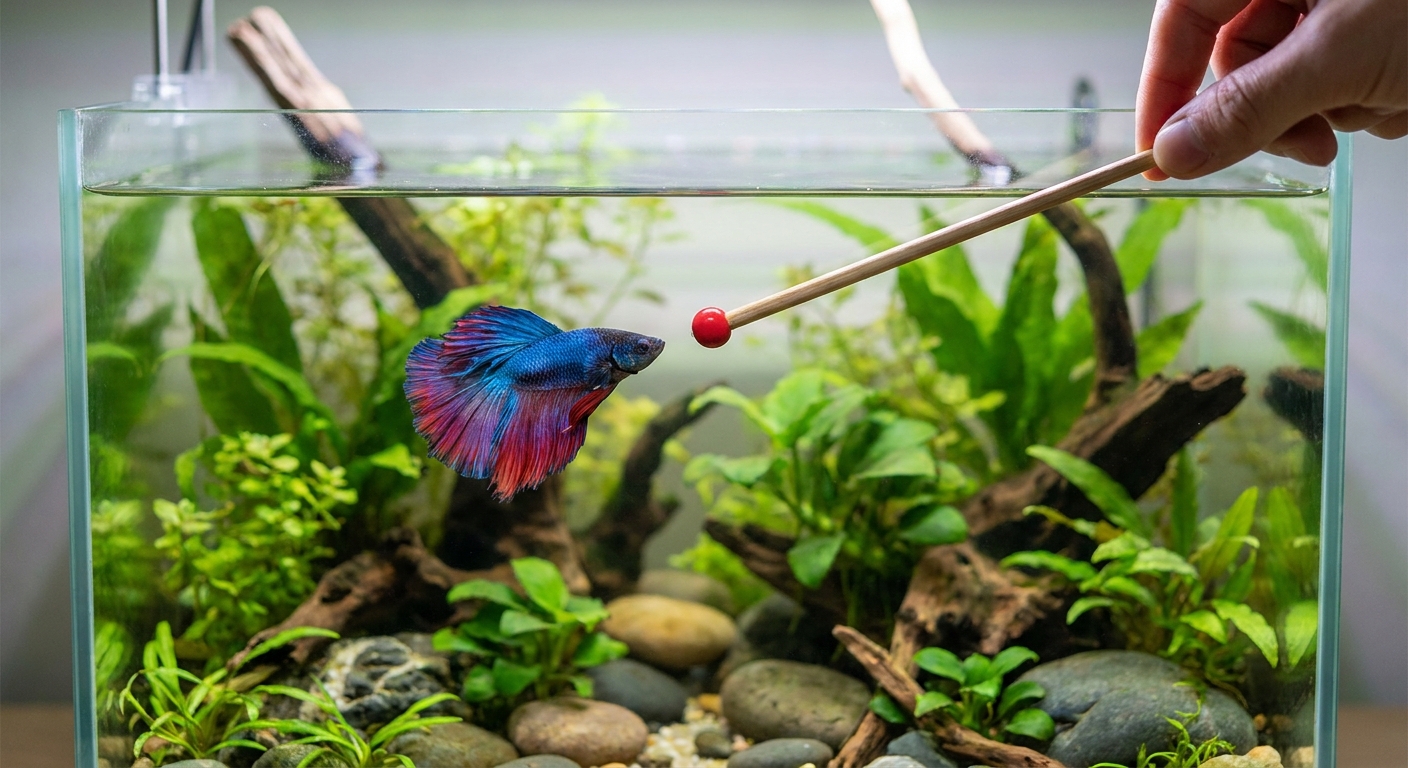
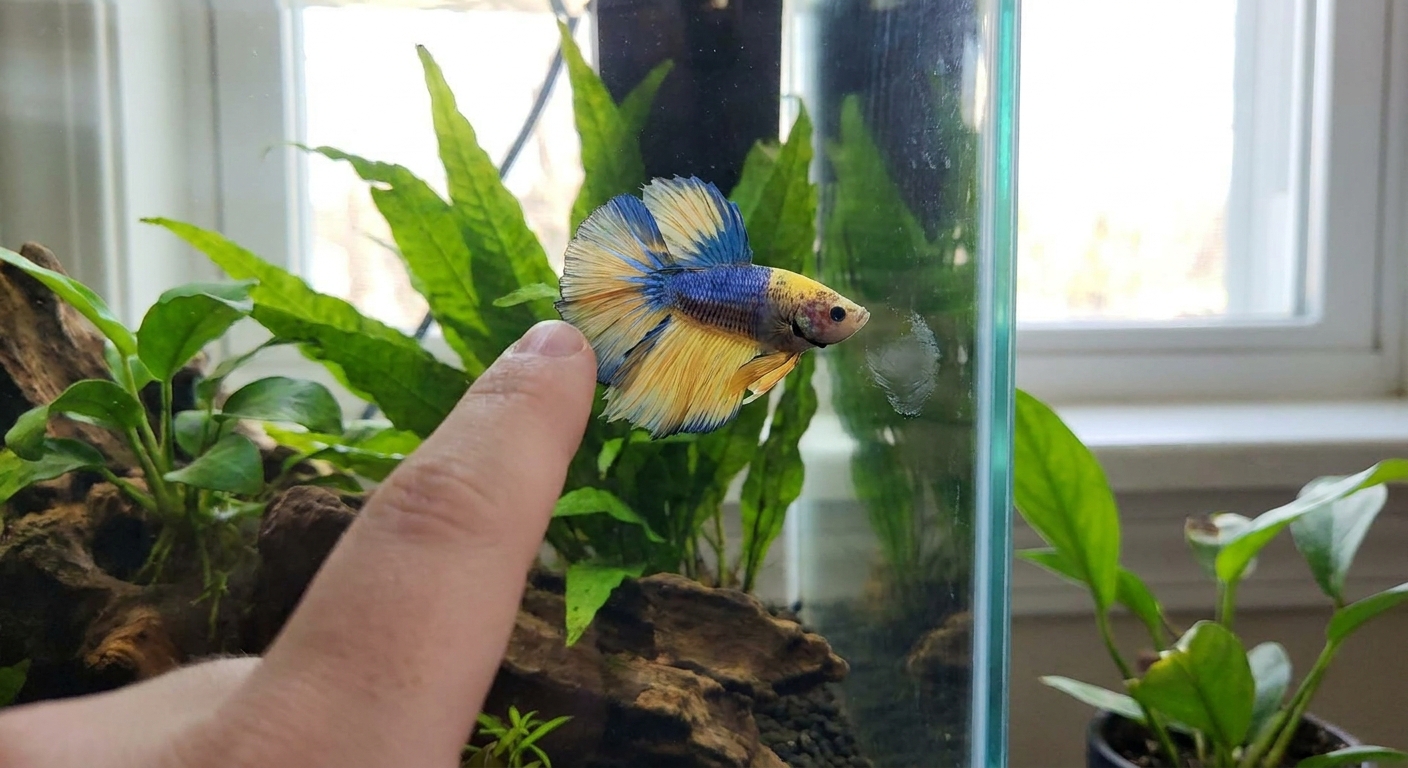
They follow your finger
Some bettas will track a slow-moving finger along the glass. That can be curiosity, expectation, or both. (Slow is key. Fast movements can look scary.)
They “beg” at predictable times
If your betta becomes active at the same time each day, that is a routine response. Keep feeding amounts steady so excitement does not turn into overfeeding. If you want a clear plan, visit How Much and How Often to Feed a Betta Fish.
They stay calmer with you
A betta that hides less, flares less, or startles less around one familiar caretaker may be showing familiarity with that person’s approach style.
They do simple trained behaviors
With patience, some bettas can learn simple “tricks,” like swimming through a hoop or coming to a target spot. It is not because they want to impress anyone. It is because they learn that a behavior can lead to a reward.
What bettas can learn
Bettas are not mindless little decorations. They are curious fish that learn through repetition and rewards. In practical home care terms, bettas commonly learn:
- Feeding location: They learn where food enters the water and will wait there.
- Feeding schedule: They anticipate meals at specific times of day.
- Safe zones: They remember favorite hides and resting spots.
- Tank events: They notice patterns like lights switching on and off, or a lid opening meaning maintenance or food.
- Cause and effect: Simple associations like “lid opens, food appears” form over repeated pairings. (Tapping is not recommended because it can stress them.)
They also show problem-solving behaviors, like exploring new decor and figuring out how to navigate plant clusters. If you want more enrichment ideas that encourage natural exploring, swim over to 7 Essential Tank Decorations for Betta Hiding Spots and Enrichment.
Face vs routine recognition
It is tempting to think a betta recognizes a specific face the way a dog might. Bettas can distinguish visual cues, but in most home setups, the strongest driver is routine learning.
Here is the difference:
- Routine learning: “Big shape approaches, lid opens, food appears.” This is extremely common.
- Individual familiarity: “This particular human usually means good things.” This can happen, especially if one person feeds and interacts consistently, but it is usually based on a bundle of cues, not a single facial feature.
Even if your betta is mostly learning routines, that is still a form of real intelligence. Learning and remembering patterns is exactly what a clever little fish does.
How long it takes
If your betta is new, give them time. Many bettas start acting noticeably more “people-aware” in days to a couple of weeks, especially once they settle in and learn the feeding routine. Shy bettas may take longer, and stressed bettas may not be interested in interacting much at all until their environment feels safe.
How to build trust
If you want your betta to greet you with curiosity instead of stress, focus on consistency and comfort. Familiarity grows best in a calm, stable environment.
1) Keep the tank steady
A stressed betta is less likely to be curious, interactive, or people-focused. Make sure the basics are locked in:
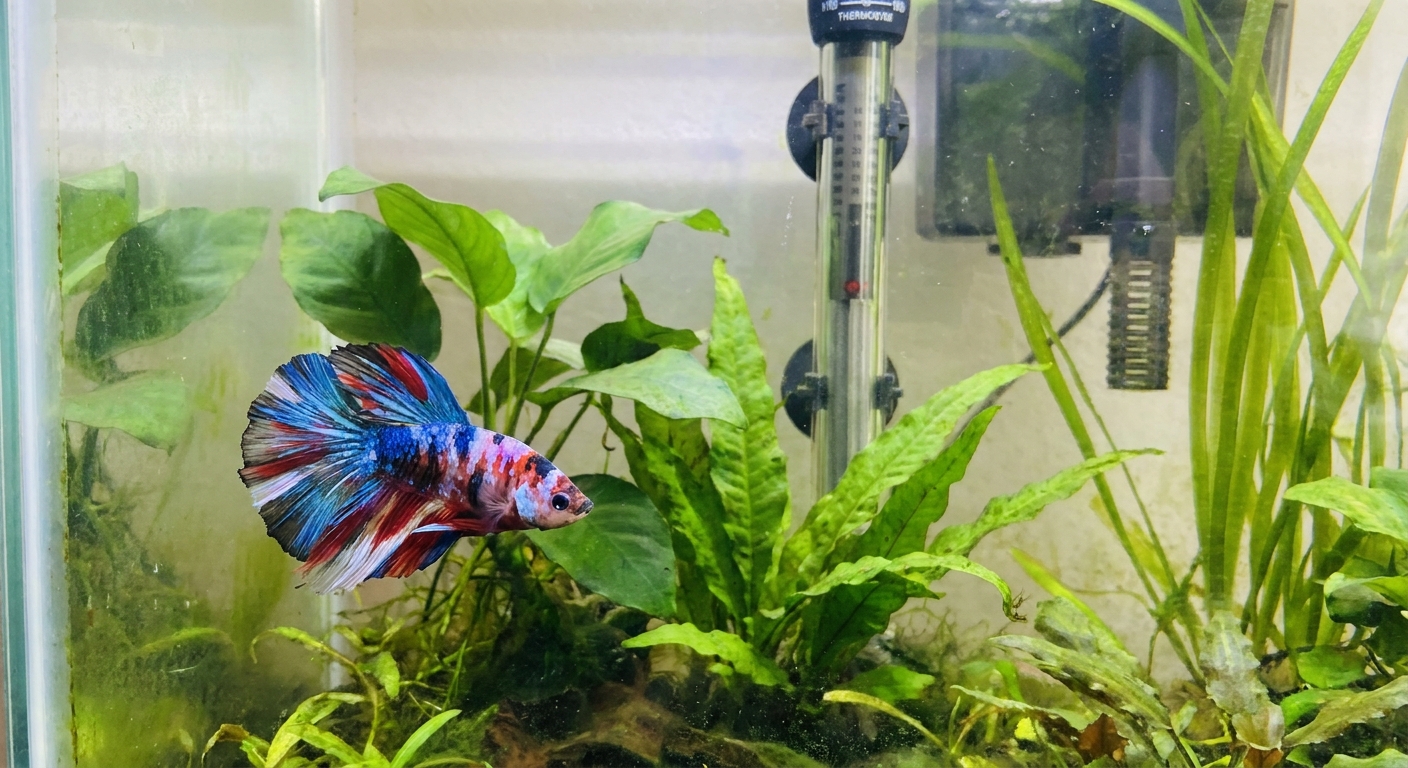
- Stable warm temperature and correct heater placement. See Betta Tank Temperature and Heater Placement.
- Gentle filtration that does not push them around. See Choosing the Right Filter for a Betta Tank.
- Regular water changes and a predictable cleaning routine. See Betta Tank Cleaning Routine and Water Change Schedule.
2) Approach slowly from the same side
Fast movements can look like predators. A slow approach and a pause near the glass gives your betta time to decide you are interesting, not alarming.
3) Use a consistent feeding cue
Instead of tapping the glass, try a gentle cue that does not send strong vibrations through the water, like:
- Turning the tank light on, then feeding after a short delay
- Opening the lid softly
- Feeding in the same corner
4) Reward calm interaction
If your betta swims up calmly, you can offer food. If they are frantic, flaring, or ramming the glass, pause and let them settle before reinforcing that high-stress state.
5) Add cover and enrichment
Secure bettas explore. Insecure bettas hide. Provide plants, hides, and gentle patrol routes so your fish has a world worth investigating. Live or silk plants can both work, and you can choose what fits your tank best: Live vs Silk Plants for Bettas.
Reflection problems
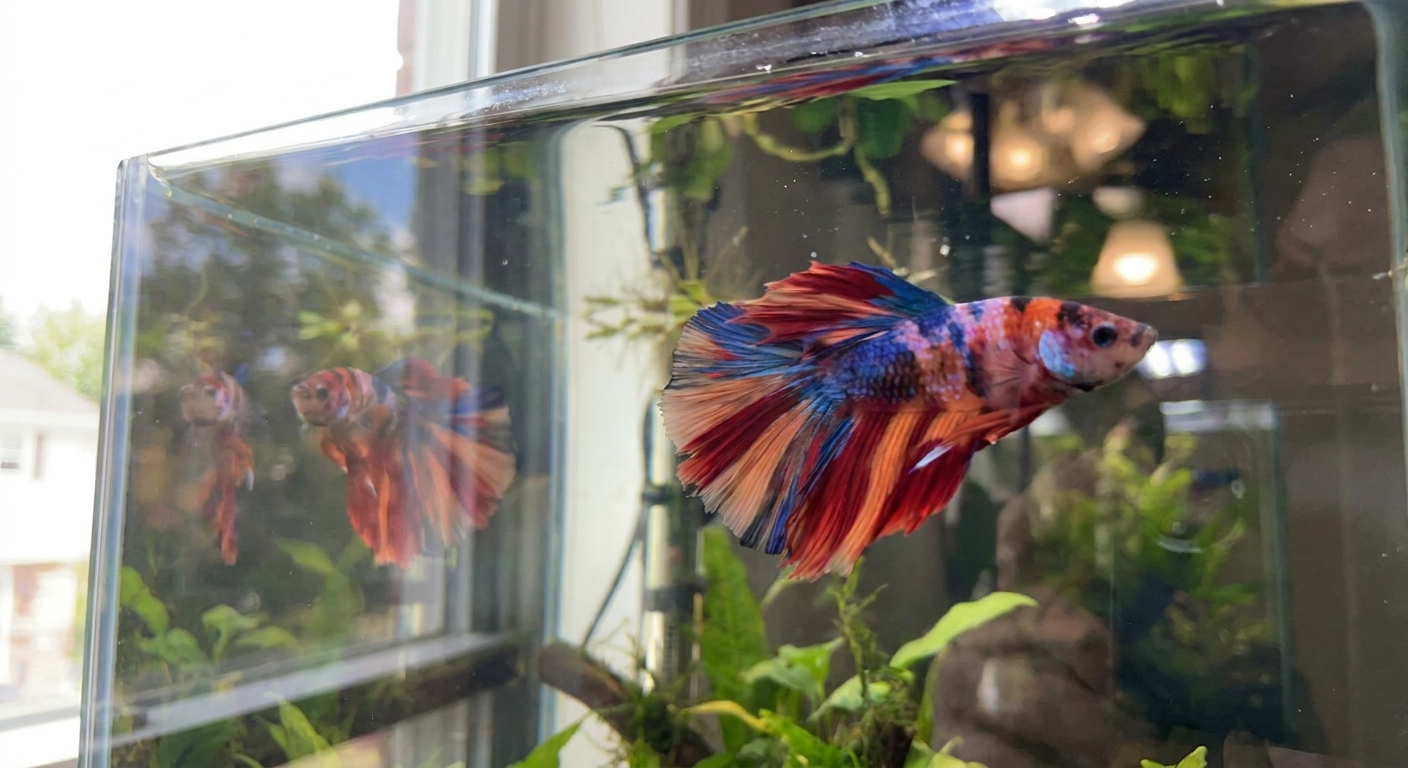
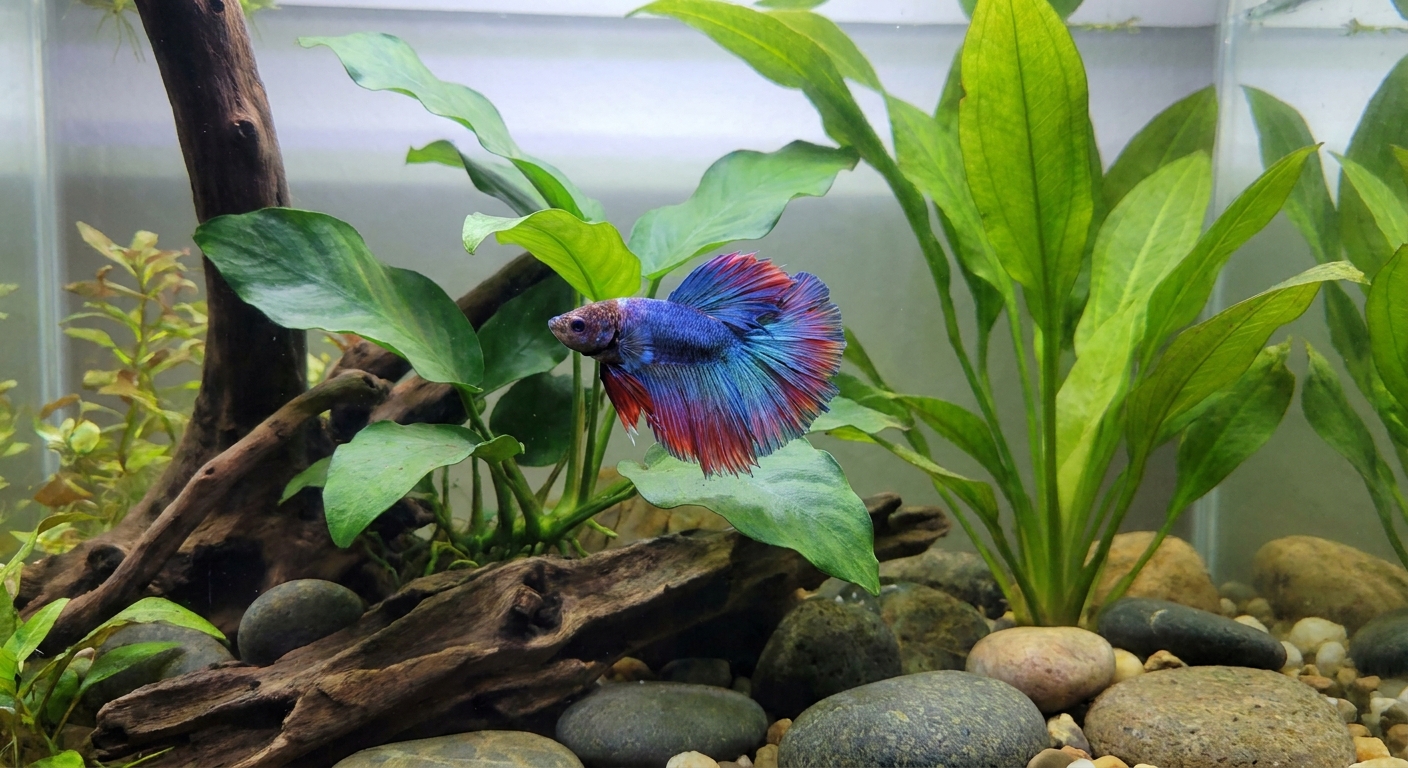
Sometimes a betta is not “recognizing” you at all. They are reacting to their own reflection.
If your betta only seems intense at certain times of day, look for glare and mirror-like glass. Helpful tweaks include:
- Adjusting tank lighting so it is not brighter than the room
- Adding more plants near the front and sides
- Turning on room lights before tank lights
- Changing the tank angle slightly if a window is causing reflections
What can look like recognition
Some betta behaviors look like affection but are really something else. Here are a few common mix-ups:
Flaring at you
Flaring is often a reaction to perceived competition or threat, including reflections or sudden movement near the tank. It is not a greeting. Learn what flaring means and when it is a problem in Betta Fish Flaring Explained.
Glass surfing
Repeated pacing along the glass can happen when a betta is stressed, bored, or responding to reflections. If you see this plus other stress signs, check the environment. Helpful guide: 7 Signs of Stress in Betta Fish and How to Fix Their Environment.
Begging that never turns off
Bettas are enthusiastic eaters. If “greeting you” always turns into constant begging, review portions and frequency. Overfeeding can contribute to constipation and can sometimes contribute to buoyancy trouble in sensitive fish. If you suspect food-related trouble, also see Signs You Are Overfeeding Your Betta Fish.
When to worry
If your betta is always hiding, clamping fins, glass surfing frantically, or refusing food, that is less about recognition and more about stress or a health issue. Start with the basics (temperature, water quality, flow, hiding spots) and use this checklist: 7 Signs of Stress in Betta Fish and How to Fix Their Environment. If appetite is also dropping, this guide can help you narrow it down: Why Is My Betta Fish Not Eating? 8 Common Causes and Solutions.
More than one person
Sometimes, yes, bettas can seem to recognize different people in the same home. If one person consistently feeds, moves slowly, and appears at similar times, the betta may show more calm approach behavior toward that person. If another person only appears occasionally, approaches quickly, or startles the tank, the betta may act wary.
Still, keep expectations realistic. A betta may be reacting to:
- Different silhouettes or clothing colors
- Different movement speed
- Different times of day
- Who is most often paired with feeding
FAQ
Do betta fish get attached to their owners?
Bettas can form strong positive associations with a caregiver and may act excited or calm when that person appears. That can feel like attachment. Think of it as trust plus routine learning rather than a human-style relationship.
Do bettas recognize their name?
They can learn that a particular sound or cue predicts food or attention, but it is more accurate to say they recognize a pattern than a name the way a dog would.
Why does my betta ignore me sometimes?
Normal reasons include resting, digesting after a meal, low water temperature, stress, or simply a personality shift as they mature. If appetite also drops, check Why Is My Betta Fish Not Eating? 8 Common Causes and Solutions.
Will interacting more make my betta friendlier?
Gentle, consistent interaction can help, but the biggest friendliness booster is a stable environment with low stress. If your betta feels secure, curiosity usually follows.
Takeaway
Yes, betta fish can recognize you in the way fish recognize things. They learn routines, remember patterns, and respond to the cues that come with a familiar caregiver. When you combine steady tank conditions with calm, predictable interactions, you give your betta the best chance to be confident, curious, and ready to meet you at the glass.
Keep it consistent, keep it gentle, and keep that water clean. Your betta’s brain will do the rest, one tiny learned routine at a time.