Let’s make your tank the happiest little splash in the house! If your betta looks puffy, is pooping less, or keeps spitting food, it is tempting to reach for the classic “pea fix.” Some keepers do use a tiny, skinned pea, but bettas are carnivores and plant-heavy foods are not a natural match for their digestion. The better, betta-friendly option is usually daphnia, a tiny crustacean that can act like gentle roughage.
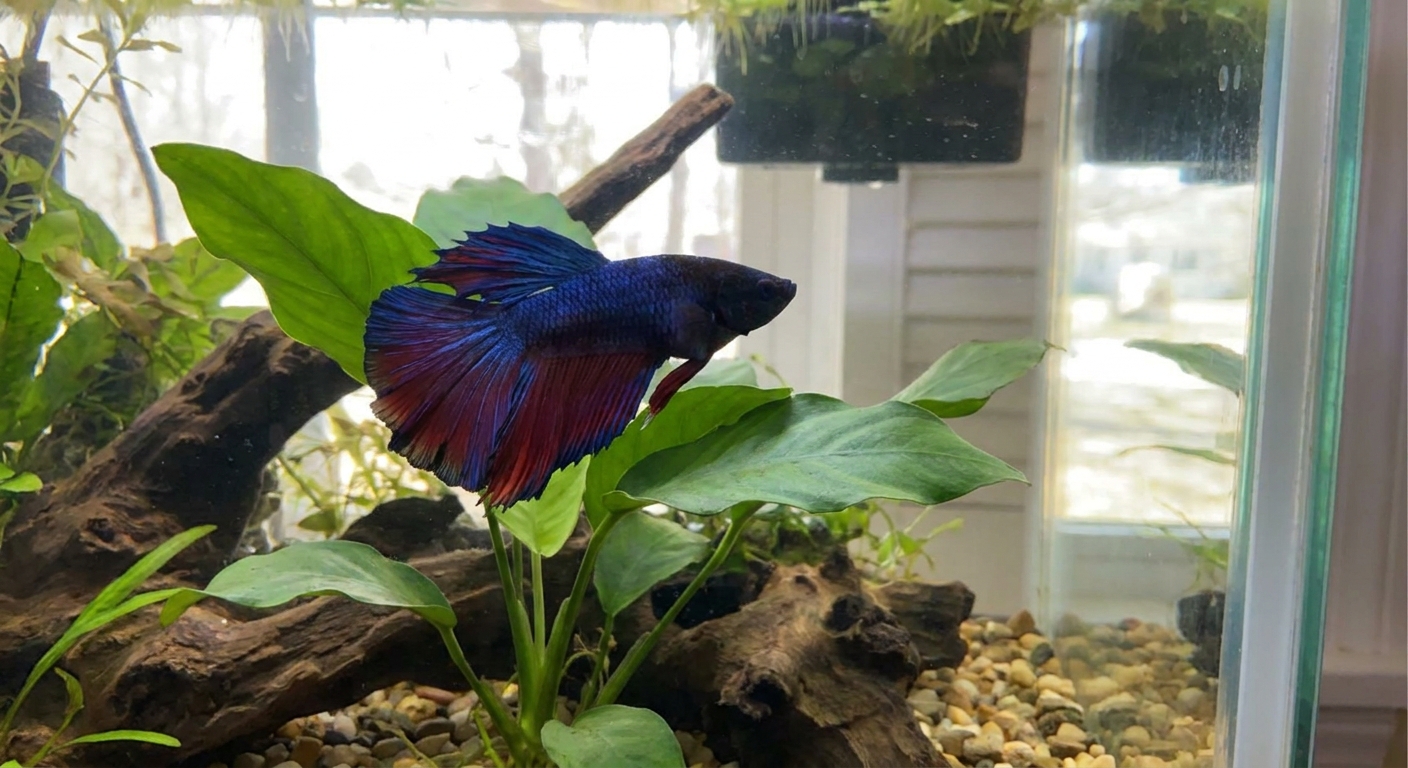
Constipation or something else?
Constipation is common, but “bloated betta” is a symptom that can come from a few different problems. Before feeding anything, do a quick check so you do not accidentally delay urgent care.
Common constipation clues
- Reduced poop or no poop for a day or two, especially after a big meal.
- Mild belly swelling that looks like a rounded tummy (not raised scales).
- Stringy poop that is unusually long or thin, especially paired with a fuller belly. (On its own, stringy poop can also happen with stress or other issues.)
- Mostly normal behavior, or mild sluggishness right after overeating.
Red flags that are not “just constipation”
- Pineconing (scales sticking out): can signal dropsy or severe fluid retention.
- Rapid worsening swelling over hours or a day.
- Struggling to stay upright, sinking, or floating uncontrollably.
- Clamped fins, heavy breathing, or extreme lethargy.
- White, stringy poop plus weight loss: can point to internal parasites or infection.
- Female-specific note: a rounded belly can also be related to eggs or reproductive swelling. If she is still active and eating, it may not be an emergency, but persistent enlargement deserves a closer look at the full symptom picture.
If you see pineconing, labored breathing, or a fast decline, skip home “laxatives” and focus on supportive care and diagnosis. Start with the basics that affect everything: stable temperature and clean water. These guides can help: Betta tank cleaning routine and water change schedule and Betta tank temperature and heater placement.
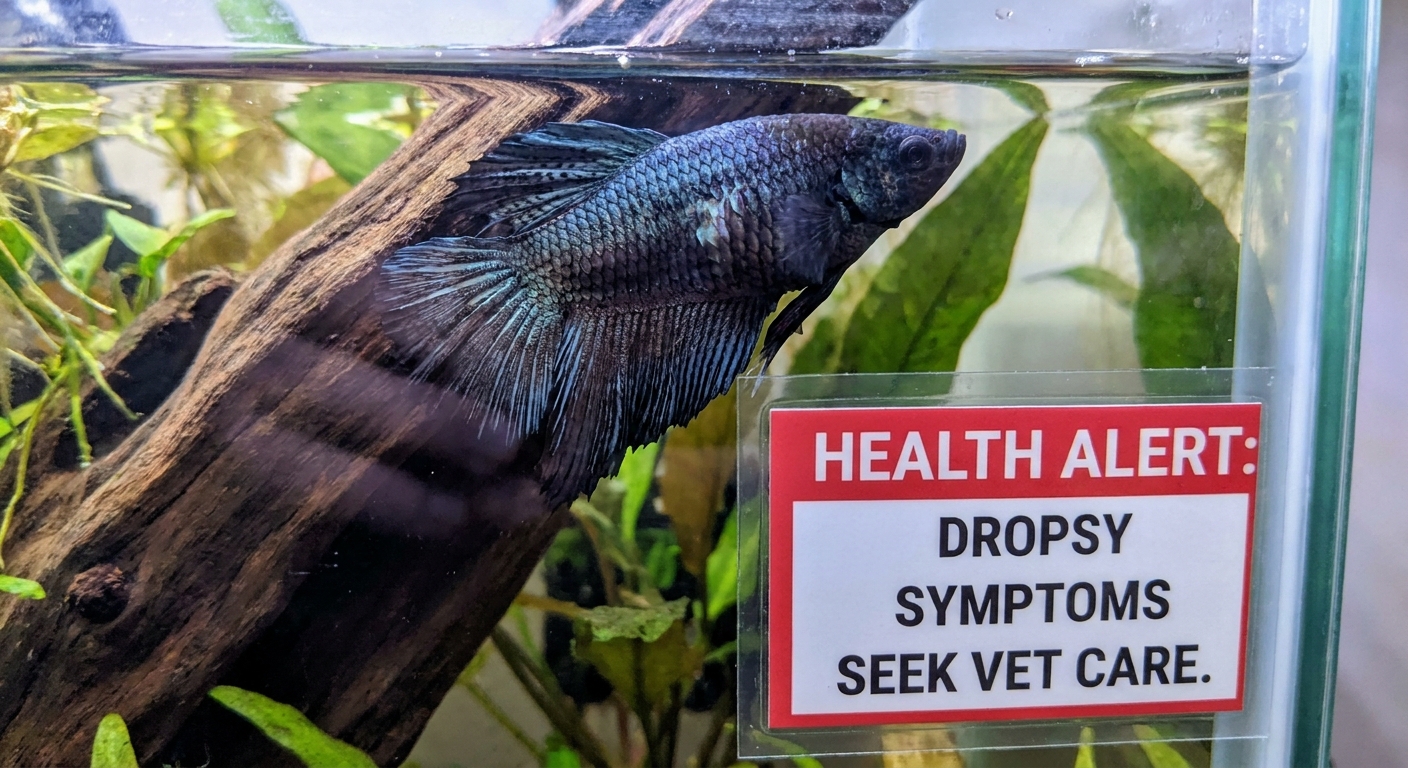
Why bettas get constipated
Most constipation cases come down to diet and digestion speed. Bettas are insect-eaters and do best on animal-based foods, so heavy, dry-only feeding and oversized meals can overwhelm their system.
- Overfeeding (the most common cause).
- Too much dry food without enough variety or moisture-rich options.
- Large meals or pellets that are too big for your fish.
- Dry foods that swell once hydrated can contribute for some bettas, especially when portions are too large.
- Cool water, which can slow digestion.
- Stress, including strong current, poor hiding spots, or sudden changes.
Feeding size and schedule matter a lot. If you are not sure your portions are truly betta-sized, visit How much and how often to feed a betta fish.
Daphnia: the betta-friendly helper
Daphnia are tiny freshwater crustaceans (often sold as frozen cubes, live cultures, or sometimes freeze-dried). Fishkeepers often use them for digestion support because the exoskeleton can provide a gentle roughage effect that may help move things along without switching a carnivore over to starchy vegetables.
Why daphnia is a good fit
- Species-appropriate for a carnivorous betta.
- Natural roughage from the crustacean shell.
- Easy to portion in tiny amounts.
- More hydration when offered live or properly thawed frozen.
Best forms of daphnia
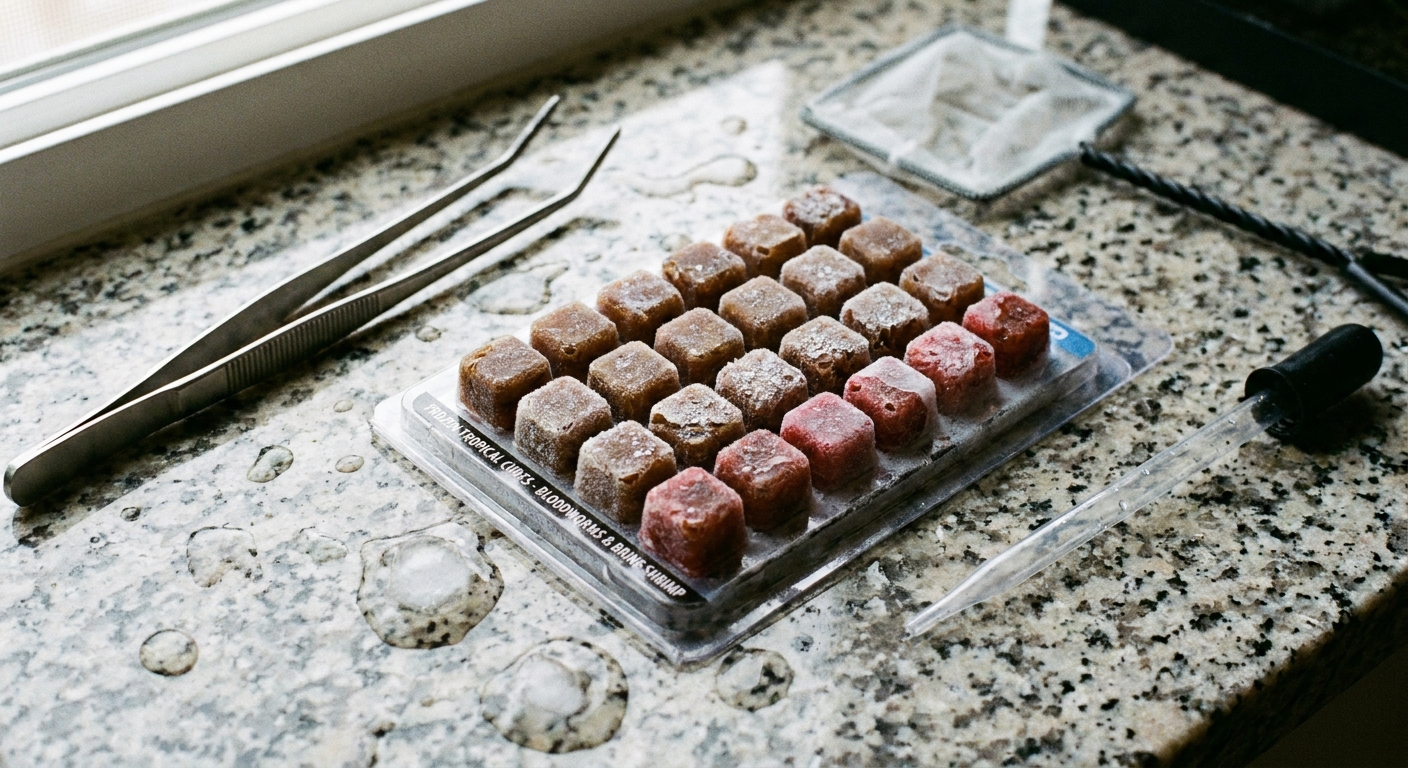
- Frozen daphnia: reliable and easy to store. Thaw a small amount in tank water before feeding.
- Live daphnia: great enrichment and appetite support, but quality depends on the source.
- Freeze-dried daphnia: usable in a pinch, but it is less hydrating and can expand if fed dry. Pre-soak fully and feed sparingly.
Want more options for safe, nutritious variety? Swim over to 7 best frozen and live foods for betta color and vitality.
How to use daphnia
Keep this simple and gentle. The goal is to reduce swelling and encourage a normal bowel movement, not to pile more food on top of the problem.
Step 1: Pause feeding briefly
For mild constipation, a short fast is often enough. In many cases, 24 hours without food helps the gut catch up. Healthy adult bettas usually tolerate this well. Very young, very small, or already thin bettas should not be fasted aggressively.
Step 2: Offer a tiny daphnia serving
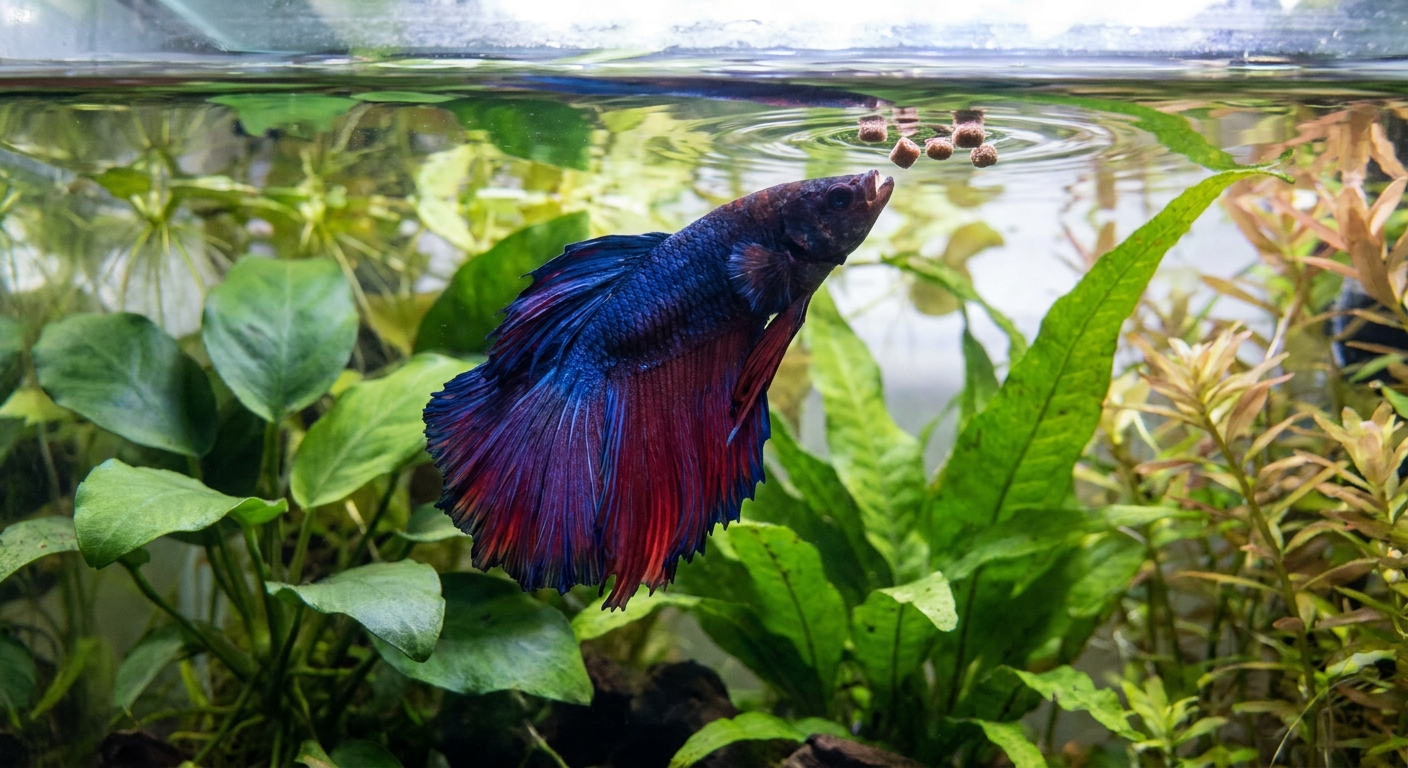
- Frozen: Thaw a tiny pinch (just a few individual daphnia) in a spoonful of tank water. Start smaller than you think. Feed only what your betta can finish in under a minute.
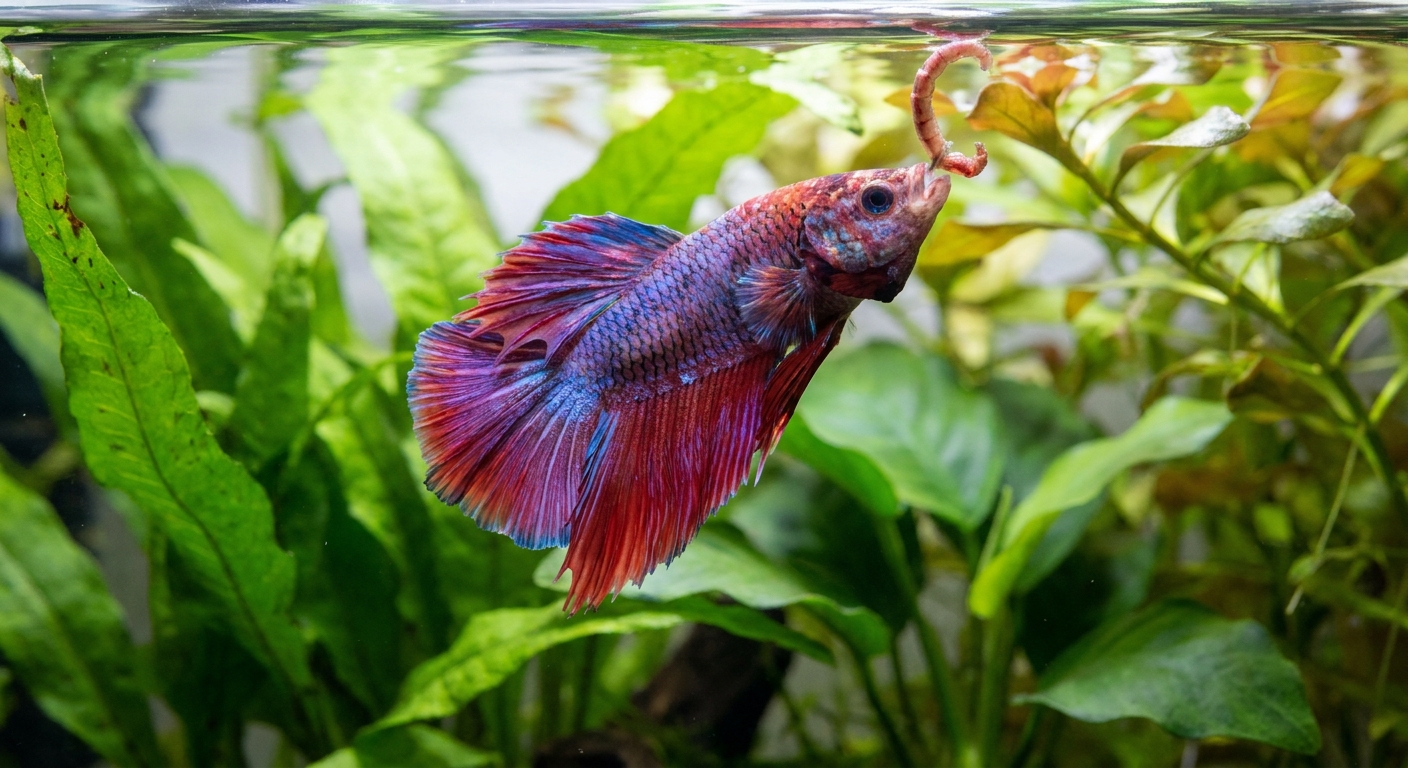
- Live: Add a small amount so your betta can hunt briefly without leaving lots behind. If any linger, remove what you can so water quality stays steady.
- Freeze-dried: Soak until fully soft, then offer a very small portion.
Step 3: Watch for 24 to 48 hours
You are looking for any of these wins: a normal poop, reduced belly roundness, improved comfort, and a return to normal activity.
Step 4: Resume light, high-quality meals
When your betta improves, restart feeding with smaller portions for a few days. If pellets are the main diet, choose an appropriate size and do not overdo it. If you want help choosing staple foods, see Pellets vs. flakes for betta fish.
What not to do
- Do not keep feeding “to get things moving.” Overfeeding is often the cause.
- Do not dump in a big chunk of thawed food. Uneaten food spoils water quickly.
- Do not treat every bloat like constipation. Pineconing is an emergency signal.
The pea myth (with nuance)
The “feed a pea” tip is popular in general fishkeeping, especially for omnivores like goldfish. With bettas, it is not the best first choice.
Why peas are not ideal for bettas
Bettas are carnivores that naturally eat insects and small aquatic creatures. Plant material can be harder for them to process, and in a bloated fish, adding a starchy vegetable may not help the way people hope.
Can peas ever be used?
Some experienced keepers do offer a tiny, skinned piece of pea in rare situations. But results are mixed, and it is easy to overdo it. If you are choosing a food-based constipation helper for a betta, daphnia is typically the safer, more species-appropriate pick.
Why peas can backfire
- Added bulk may worsen the “stuffed” feeling in some fish.
- Digestive mismatch may lead to more discomfort instead of relief.
- False reassurance can delay recognizing infections, parasites, or fluid retention.
Bottom line: If you want a gentle, betta-friendly option, skip peas and reach for daphnia instead.
Supportive care that helps
Food choices help, but comfort and water conditions help even more. These basics can make constipation less likely to return.
Keep temperature steady
Cool water can slow digestion. Stable, betta-appropriate heat supports normal gut movement. If you are troubleshooting temperatures or heater placement, see Betta tank temperature and heater placement.
Protect water quality
Overfeeding and leftover food can spike ammonia quickly. During constipation treatment, feed lightly and remove uneaten food. Stick with a consistent maintenance routine: Betta tank cleaning routine and water change schedule.
Reduce stress
Stress can affect appetite and digestion. Provide resting leaves, gentle flow, and hiding spots. Bettas that feel safe tend to move around more, which can help digestion too. For enrichment ideas, see Behavior & Enrichment and essential tank decorations for hiding spots and enrichment.
About Epsom salt baths
You may hear people suggest Epsom salt (magnesium sulfate) baths for swelling or constipation. Some keepers find them helpful as short-term supportive care, but dosing and timing need to be precise, and it is not a cure for dropsy or infection. If you are seeing pineconing, rapid decline, or severe buoyancy issues, focus on water quality, warmth, and getting a clear diagnosis rather than relying on baths.
When to worry
If your betta does not improve after a short fast and a small daphnia feeding, it is time to zoom out and reassess.
Escalate if:
- Bloating persists longer than 48 hours with no improvement.
- Your betta stops eating completely, or spits everything out.
- You see pineconing, sores, fuzz, or rapid breathing.
- Poop changes are paired with weight loss or stringy white feces for multiple days.
Quick checks that often reveal the real cause
- Test water parameters if possible, and correct any ammonia or nitrite immediately with appropriate water changes.
- Confirm temperature stability across day and night.
- Review diet for portion size and pellet size. Many “constipation” cases are simply too much food at once.
For broader illness warning signs and recovery support, visit Health & Wellness.
FAQ
How fast does daphnia help a constipated betta?
Many bettas improve within 24 to 48 hours after a short fast and a small daphnia feeding. If symptoms worsen or do not improve in that window, treat it as a sign to investigate other causes.
Can I feed daphnia every day?
Daphnia is great as an occasional digestive helper and as part of a varied diet, but it should not replace a balanced staple food. Think of it as a useful tool, not the whole menu.
What if my betta is bloated but still pooping?
Bloating with normal poop can happen after overeating, but it can also point to fluid retention, egg-related swelling in females, organ issues, or infection. If the belly stays enlarged or the fish behaves abnormally, focus on water quality, temperature, and the overall symptom pattern, not laxatives alone.
Is a tiny piece of pea ever okay?
Some keepers use a very small, skinned pea, but it is not ideal for a carnivorous betta and it is easy to overdo. If you need a food-based digestion helper, daphnia is usually the better species-fit.