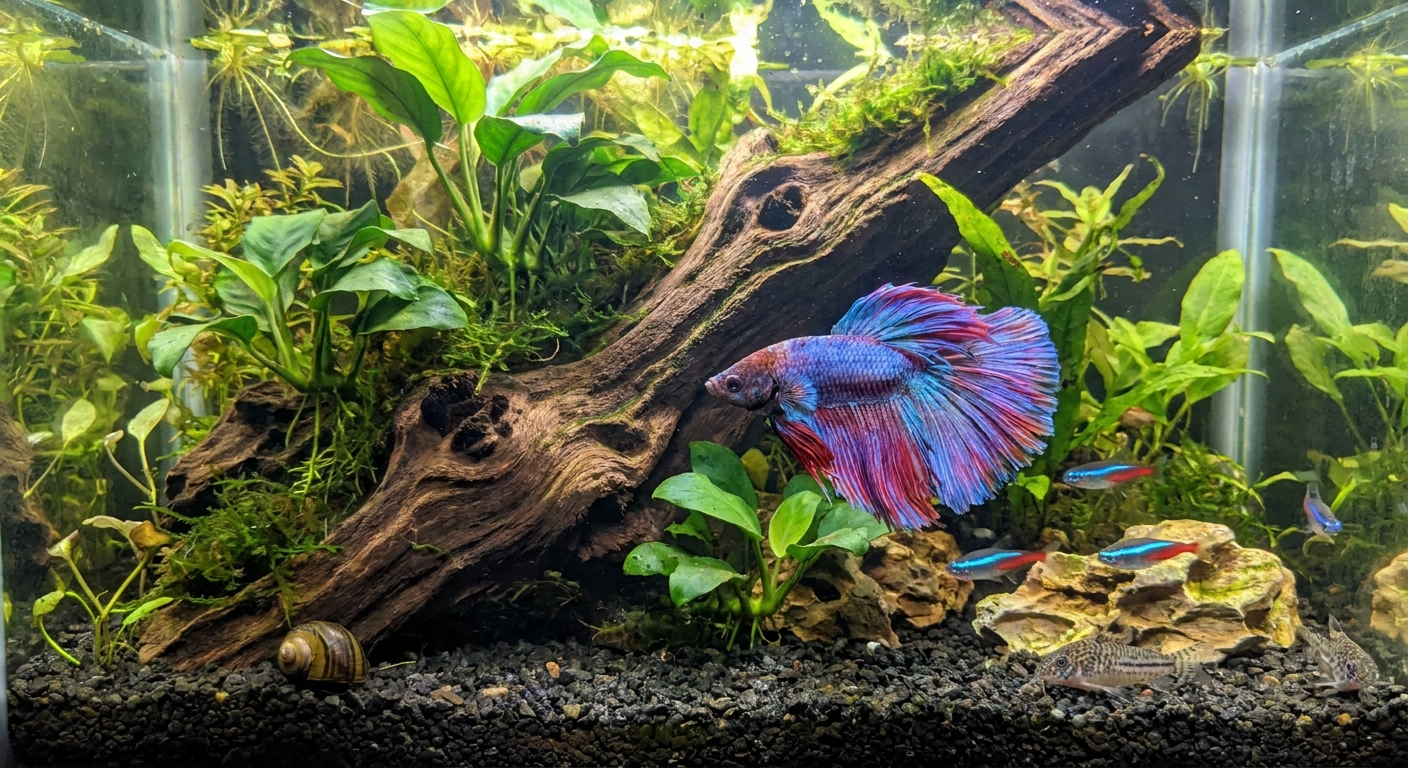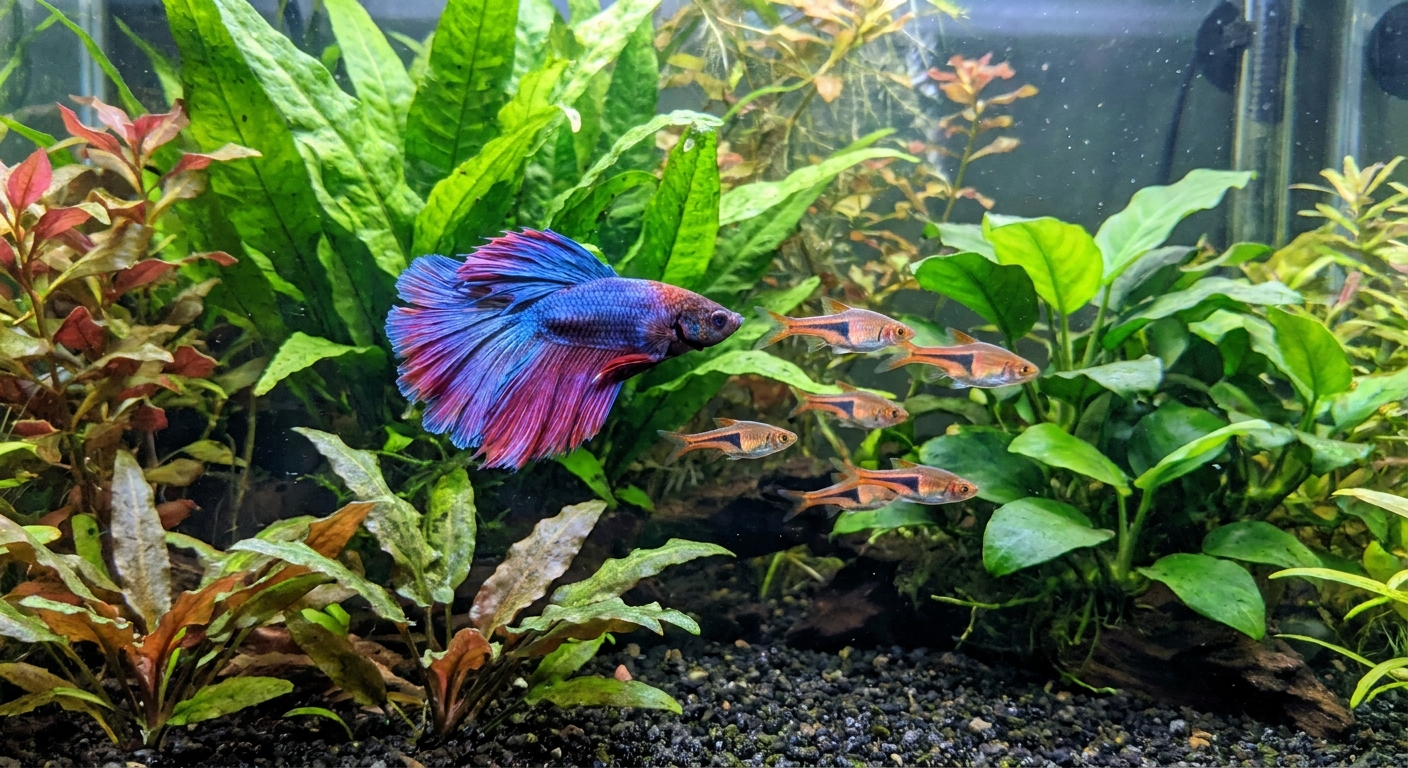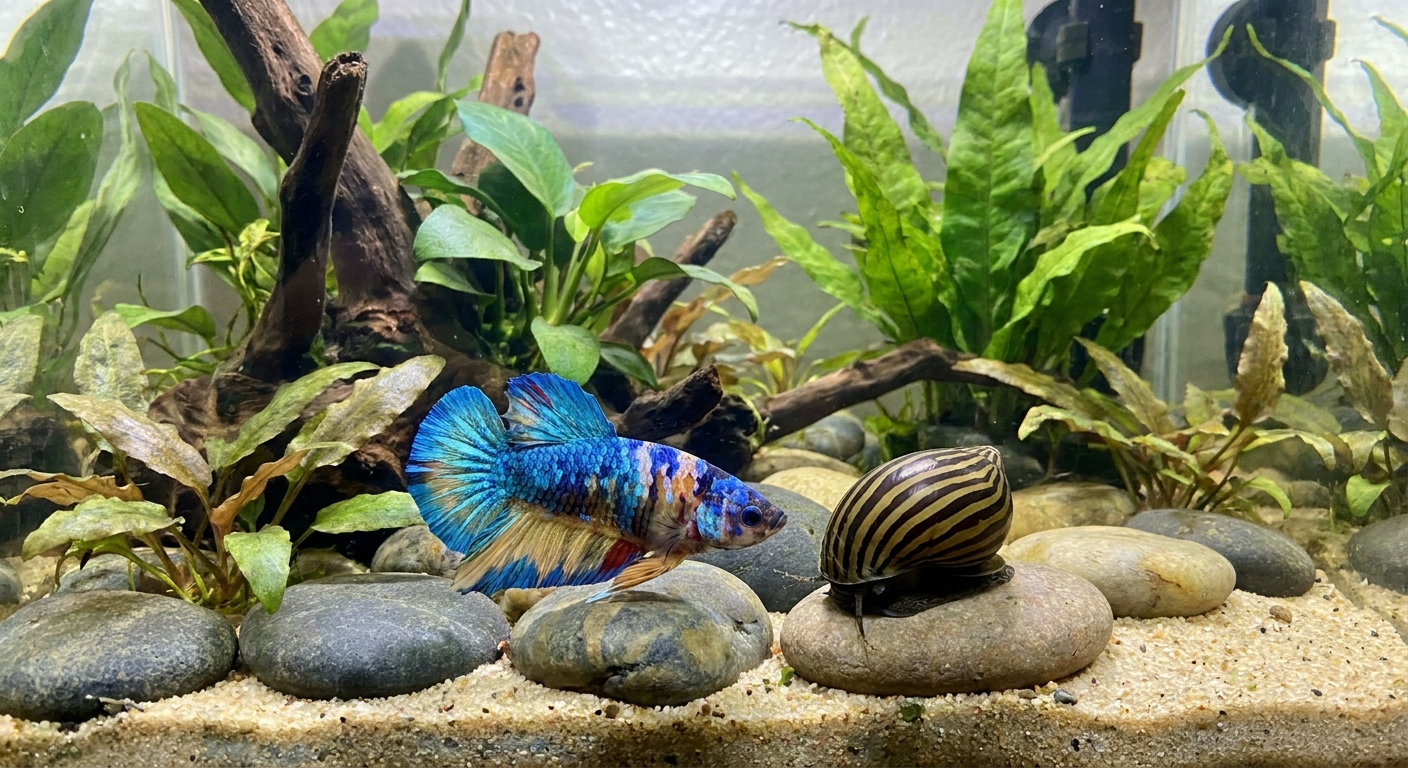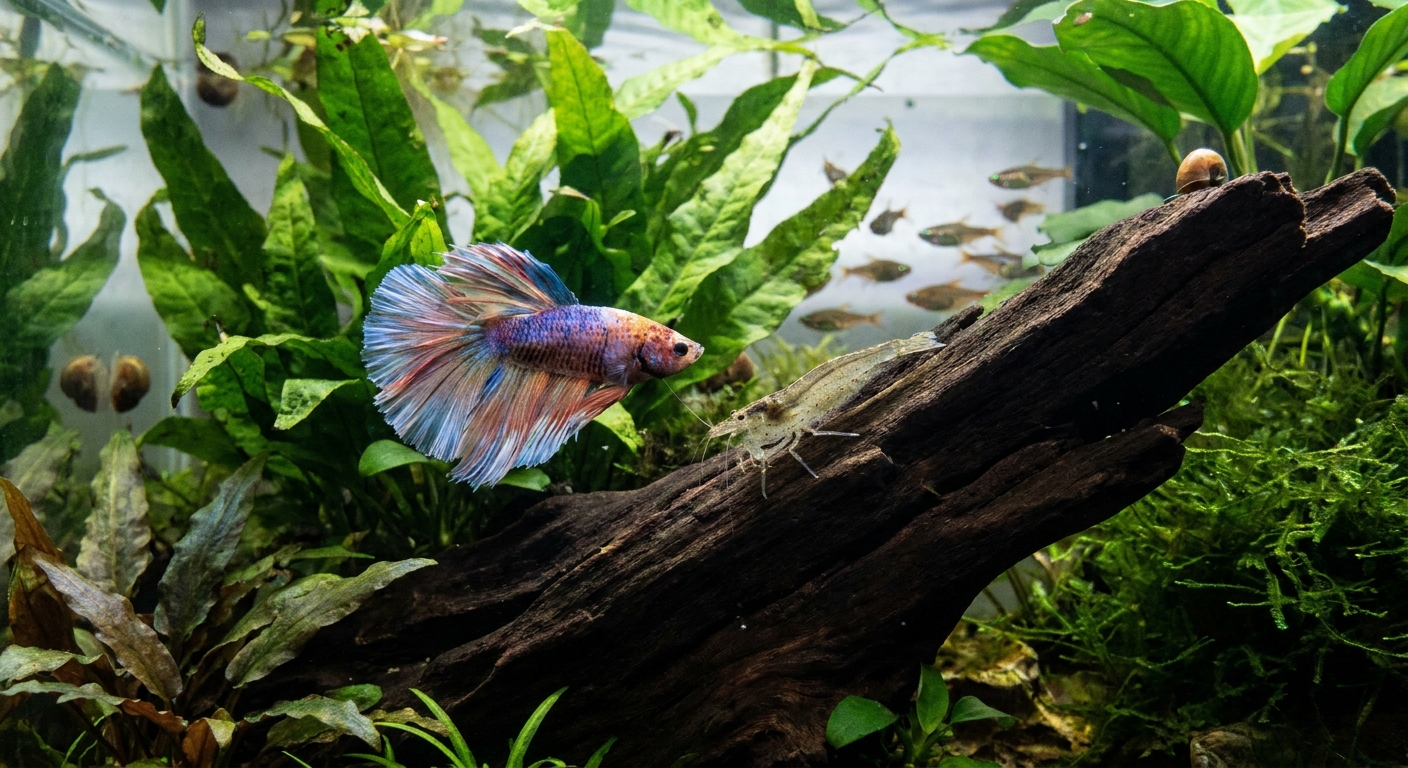
Let’s make your tank the happiest little splash in the house!
Betta fish are curious, bold, and sometimes a bit bossy. That mix can turn a “community tank dream” into a stressful, fin-shredding mess if the roommates are wrong. Below are the 10 worst tank mates for betta fish, with the exact reasons they cause trouble and what to do instead.
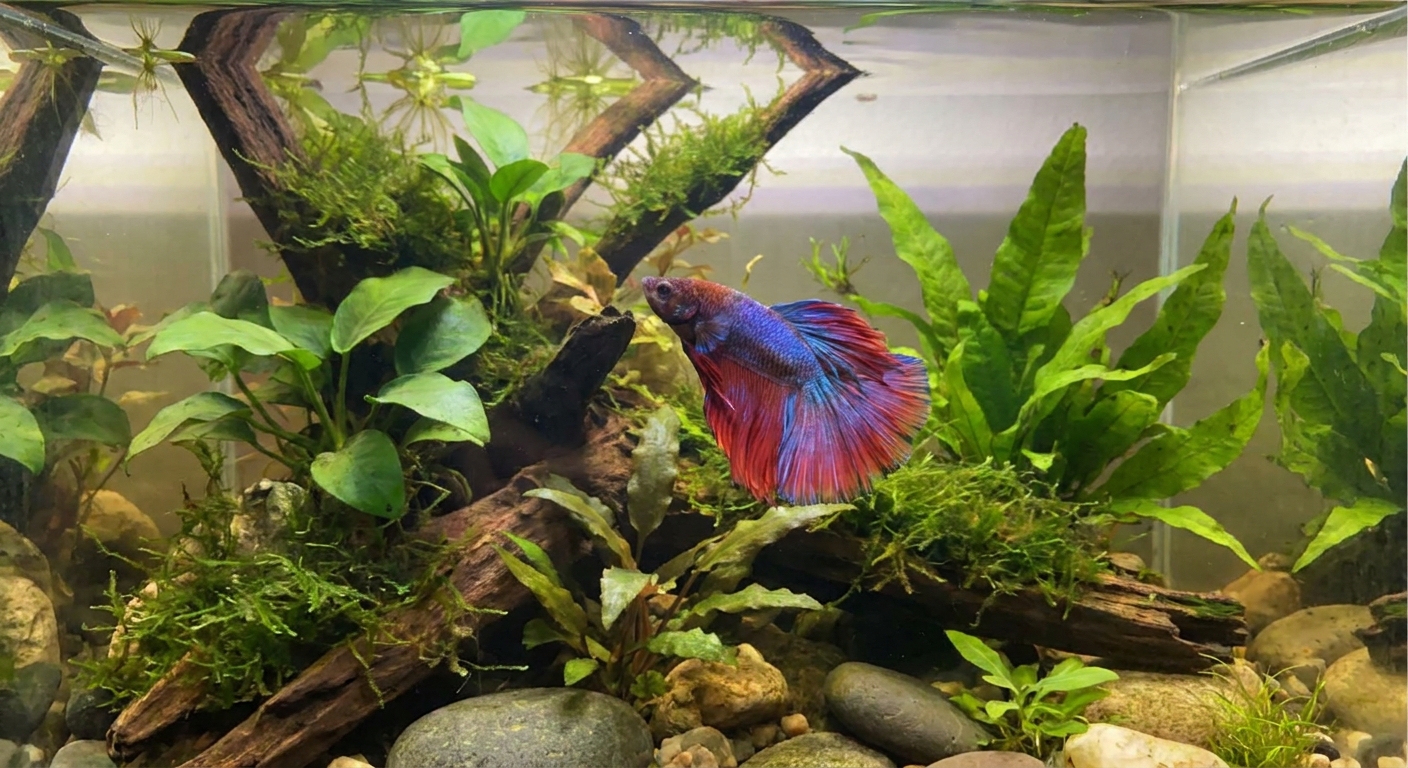
One important note before we dive in: most tank mate disasters happen in small tanks. If you are attempting any kind of community setup, extra space, heavy planting, and a backup plan matter a lot. (This is one reason I’m such a fan of going bigger when you can. See 5 gallon vs 10 gallon.)
Also, betta temperament varies wildly. Some are mellow, some choose violence. “Safe” is always a mix of your betta’s personality, tank size, and layout.
Before the list: why tank mates go wrong
Most betta conflicts come from a few predictable triggers:
- Fin nipping: long betta fins are an easy target.
- Color and fin competition: bright fish with flowing fins can be seen as a competitor.
- Territory pressure: active swimmers invade the betta’s “bubble” again and again.
- Stress stacking: even without bites, constant chasing and crowding can lead to illness.
If you suspect tension already, peek at 7 signs of stress in betta fish. Catching stress early is a big deal.
1) Tiger barbs
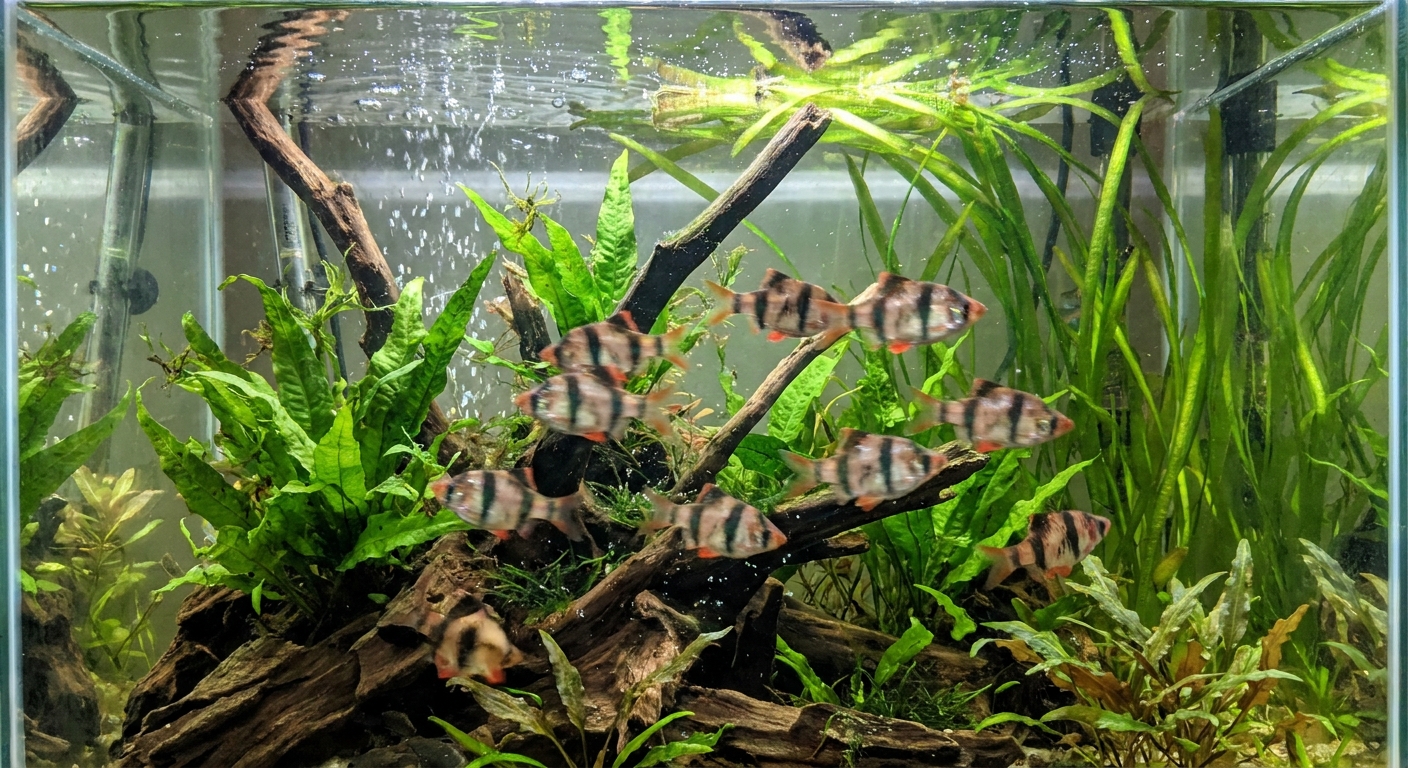
Why to avoid: Tiger barbs are famous fin-nippers. They are fast, persistent, and tend to test anything flowing, including betta fins.
What usually happens: even a calm betta gets harassed until it hides, stops exploring, and can start clamping fins. Torn fins then become a doorway to infection.
Better idea: If you want movement in the tank without the drama, look toward calmer, non-nippy options and build in lots of sight breaks and hiding places. Setting up a betta tank for the first time walks through the basics that make a shared tank easier.
2) Serpae tetras
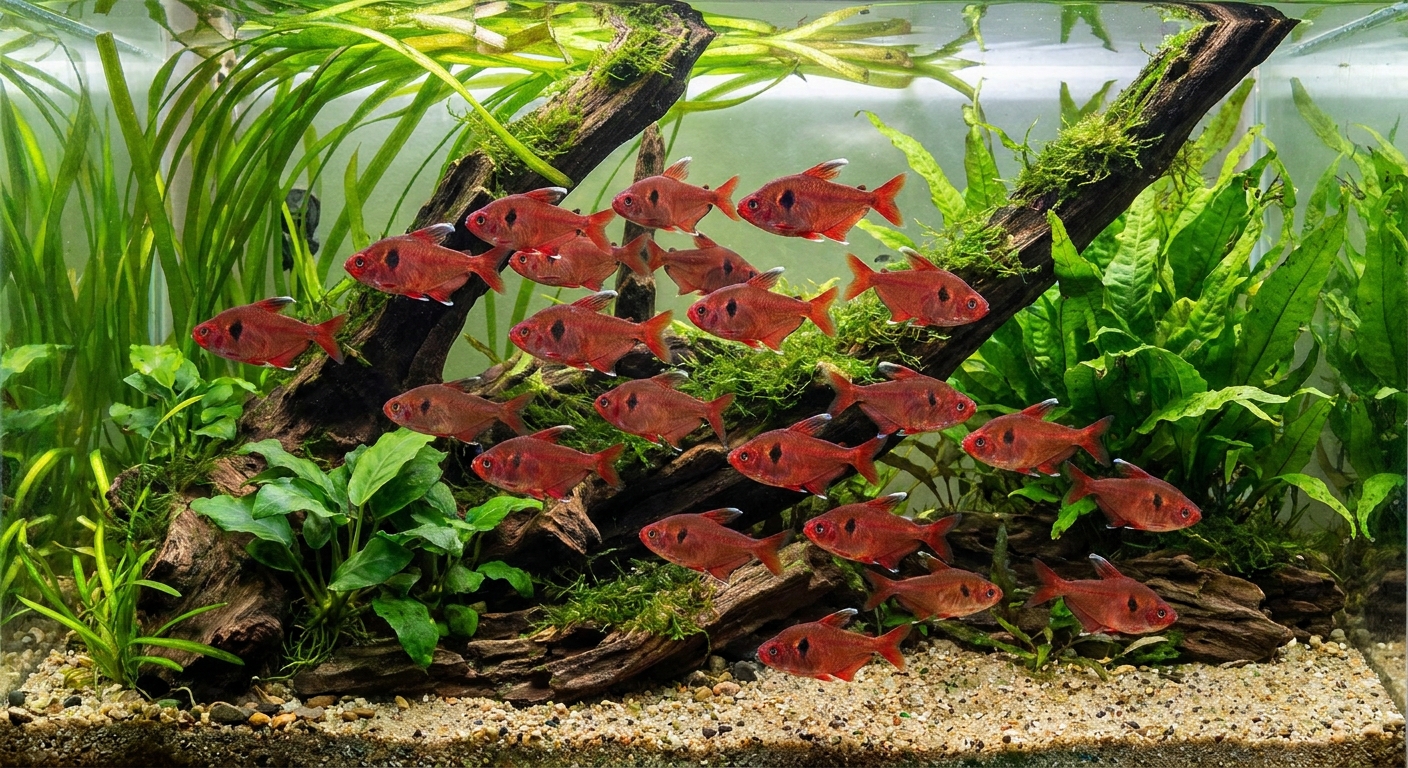
Why to avoid: Serpae tetras can be surprisingly pushy. In smaller groups or tighter tanks, they often redirect their energy into nipping fins.
What usually happens: stress and “drive-by” bites, especially at feeding time or when the betta rests near midwater.
Extra risk: a betta with torn fins is more prone to secondary issues like fin rot.
Better idea: If you love tetras, consider keeping the betta solo and giving the tetras their own species tank. Both setups tend to be calmer.
3) Buenos Aires tetras
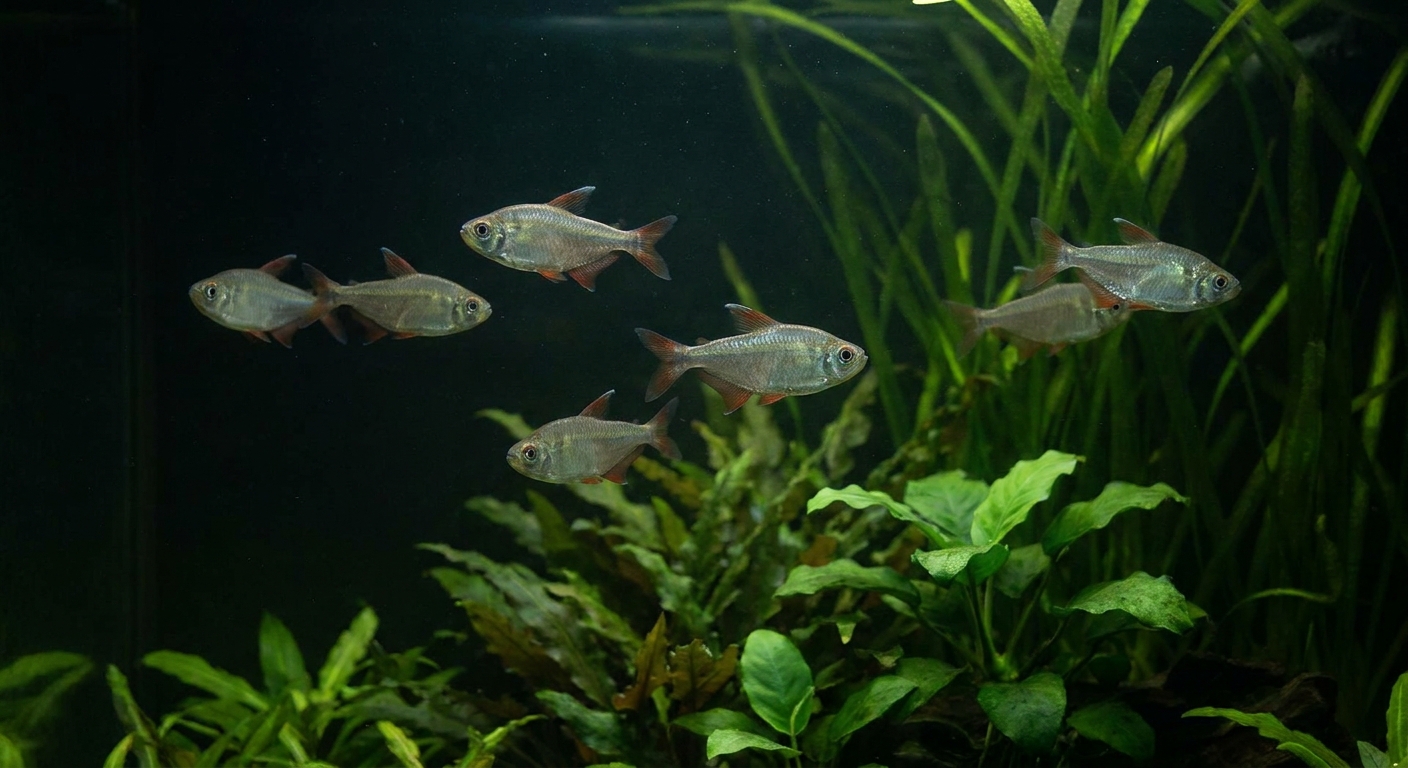
Why to avoid: These are larger, very active tetras that can be nippy. They also love open swimming space, which doesn’t match a betta’s calmer vibe.
What usually happens: constant movement around the betta increases stress, even if there is no obvious biting at first.
Better idea: If your goal is a peaceful “centerpiece fish,” a betta with low-key tank mates (like certain snails) is often the smoother path.
4) Most guppies (especially fancy males)
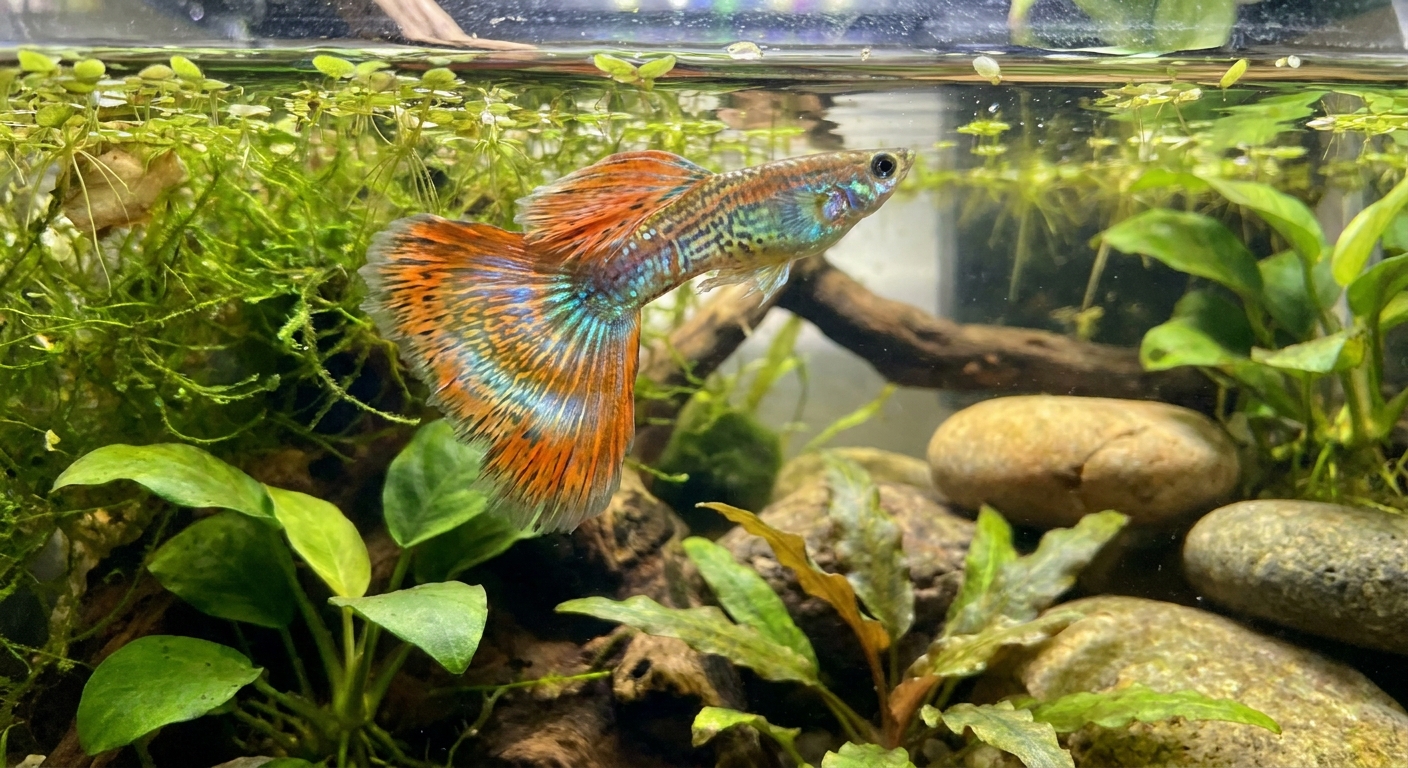
Why to avoid: Fancy male guppies have flowing tails and bright colors that can look like “another showy male fish” to a territorial betta.
What usually happens: the betta chases, guppies dart, and the whole tank becomes a high-speed loop of stress. Sometimes guppies nip back too.
Important note: Even when a betta seems “fine,” long-term chasing can wear fish down. If your betta starts refusing food, check common reasons bettas stop eating.
Better idea: If you want color without fin drama, try adding plants, botanicals, and enrichment instead of flashy fish roommates. Behavior enrichment has lots of betta-friendly ideas.
5) Other bettas
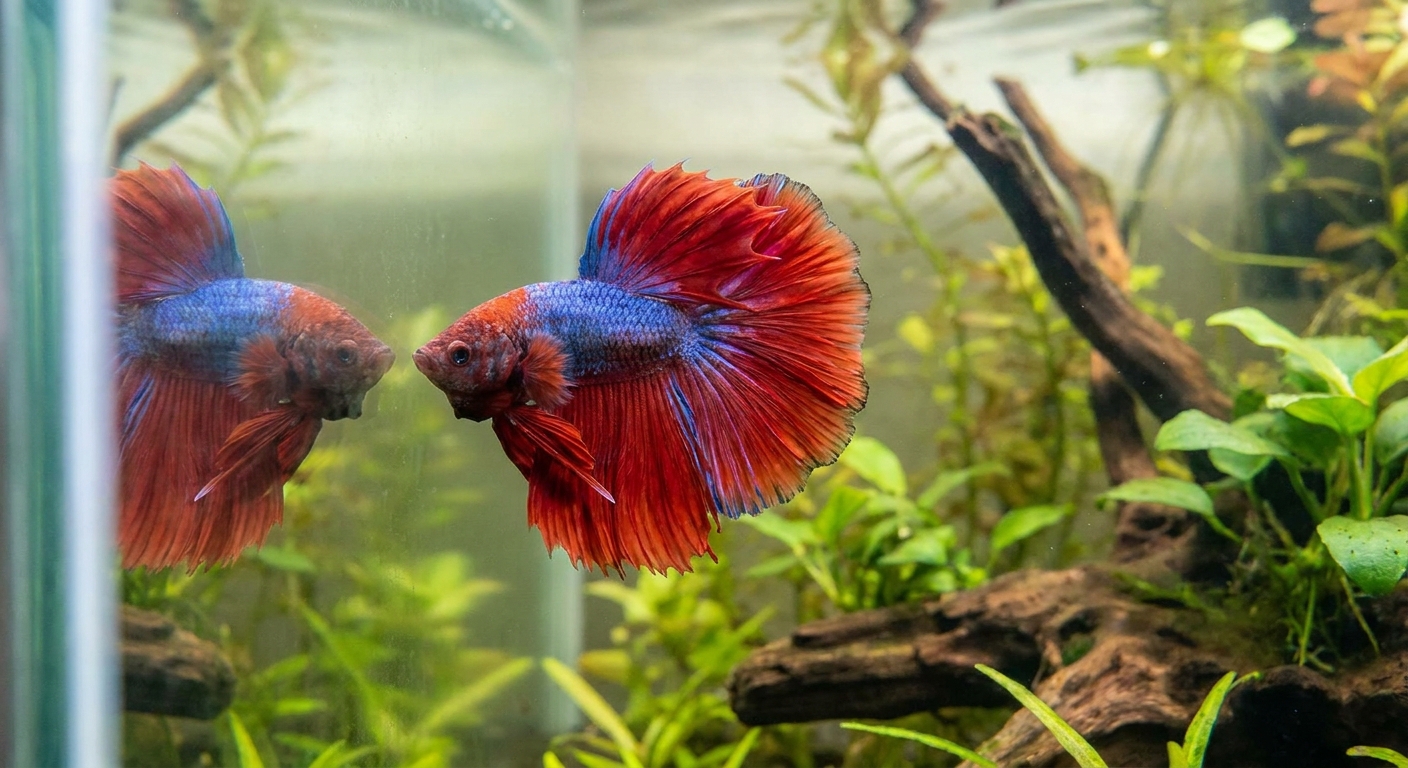
Why to avoid: Bettas are called Siamese fighting fish for a reason. Two males in the same tank are a near-guaranteed fight.
Female bettas are more complicated. You will hear about “betta sororities,” but they are high-risk and controversial, and success is variable even for experienced keepers.
What usually happens: relentless chasing, fin damage, exhaustion, and injury. Sometimes it starts quietly and ramps up later, which is what makes it so tricky.
If you’re tempted: sororities typically require a large tank, an odd-number group, heavy planting and hides, and a real backup separation plan (extra cycled tank, divider, or alternative homes). If you cannot comfortably separate fish the moment things go sideways, it is not the right project.
Better idea: focus on giving one betta an enriching home instead. A heavily planted tank with cozy hides makes a huge difference, and these tank decorations for hiding spots and enrichment are a great place to start.
6) Cichlids (many species)
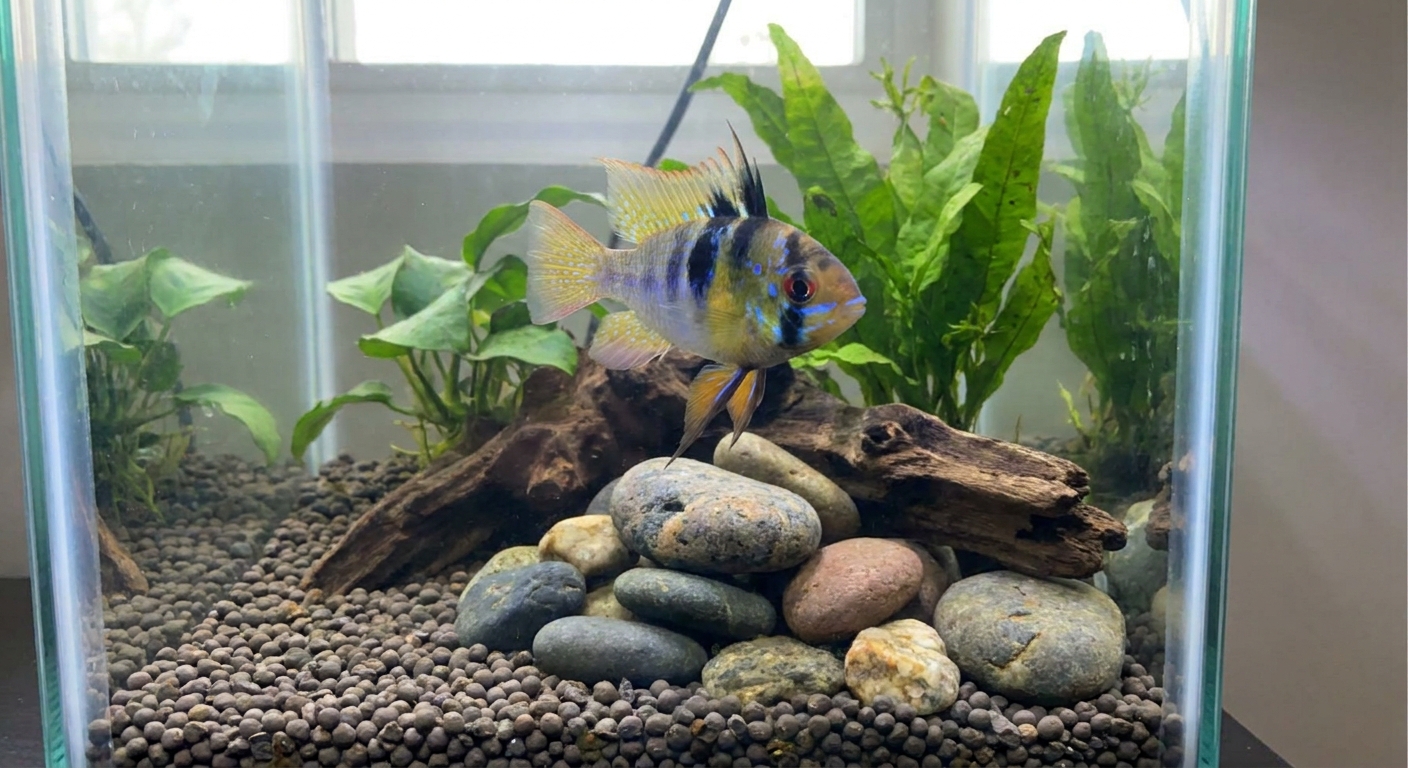
Why to avoid: Many cichlids are territorial, pushy, or breeding-focused, especially around caves, rocks, and nesting spots. Compatibility here is very species-dependent, but as a category they tend to create the exact kind of pressure bettas hate.
What usually happens: one fish claims territory, the other refuses to back down, and the betta ends up pinned to a corner or chased away from food.
Also: water preferences vary. Some cichlids can overlap with betta temperatures, but many want different hardness, pH, flow, or tank layouts. Even without obvious fighting, it can be the wrong environment long-term.
Better idea: If you want a “personality fish” community, consider building the tank around the betta’s needs first: warm water, gentle flow, and lots of cover. Start with the basics in tank setup and environment.
7) Angelfish
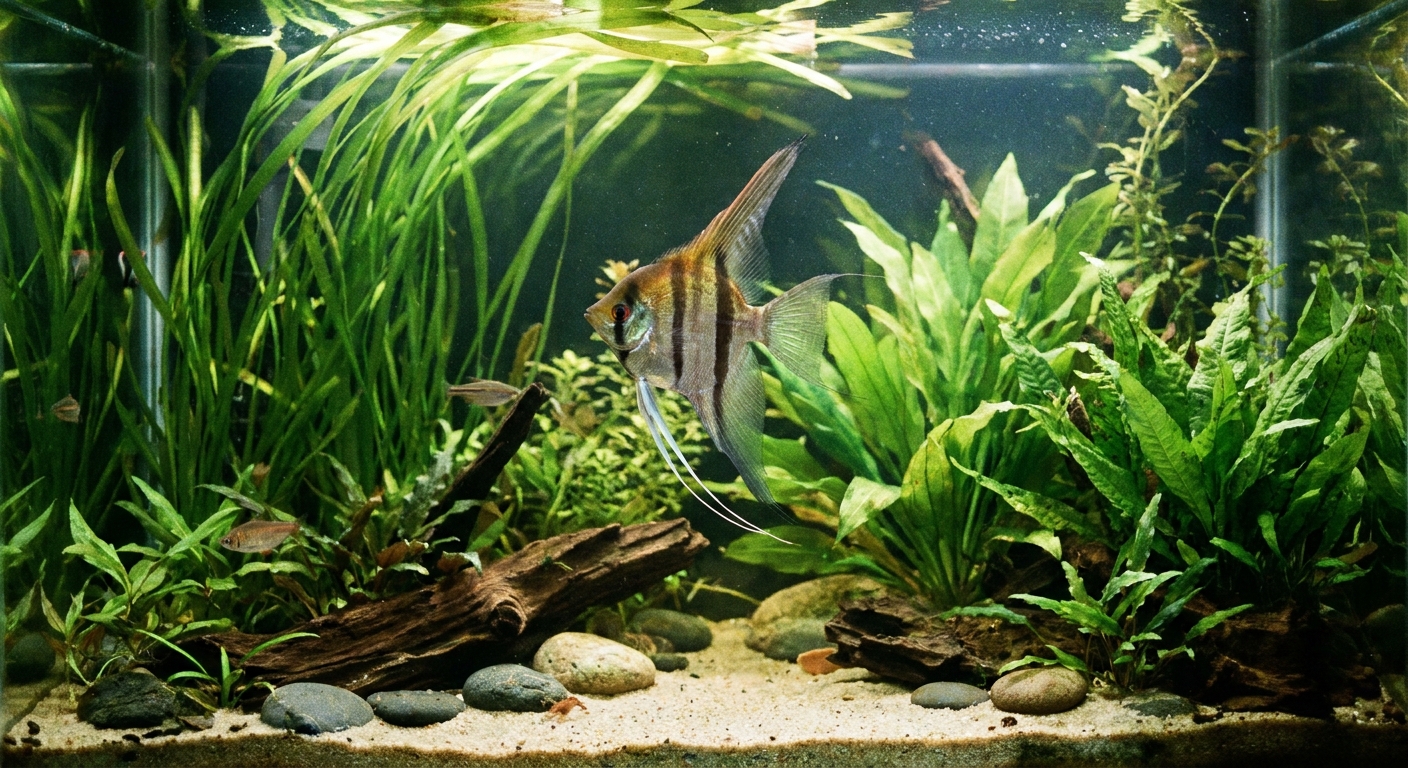
Why to avoid: Angelfish get larger, can be surprisingly assertive as they mature, and may nip fins. Their tall fins and bold presence can also be interpreted as a competitor by some bettas, which adds tension on both sides.
What usually happens: fin damage on one or both fish, plus constant posturing, chasing, and feeding-time stress.
Better idea: Keep the betta as the star and choose low-conflict companions (often snails), or keep angels in a dedicated setup built for their size and behavior.
8) Gouramis
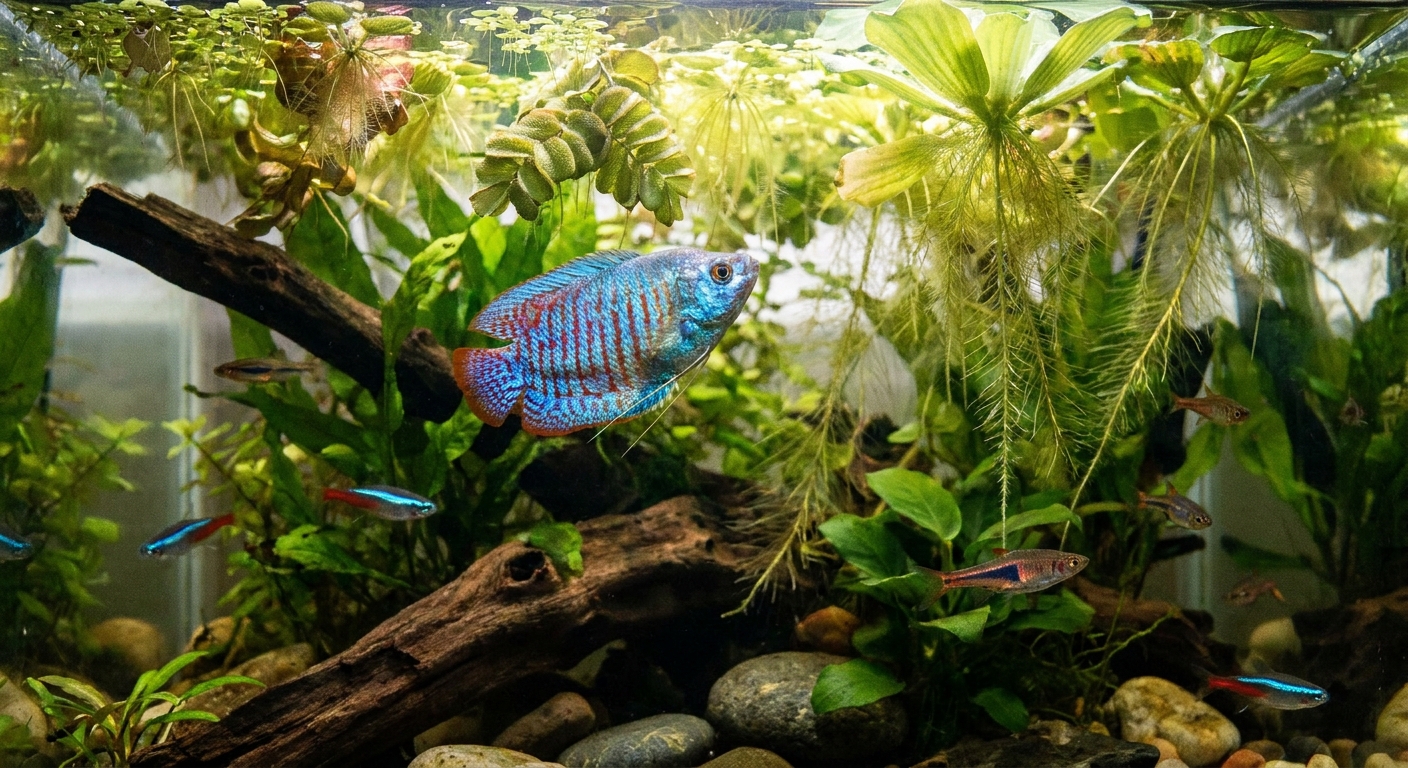
Why to avoid: Bettas and gouramis share the labyrinth organ and can share similar social and territorial behaviors. In plain language: they often want the same “kind” of space, and they do not always feel like sharing it.
What usually happens: tension escalates slowly. It can start as flaring and end with torn fins or one fish refusing to come out.
Tank size note: cramped quarters amplify aggression. If you are deciding tank size, 5 gallon vs 10 gallon explains why extra room helps, even with a single betta.
Better idea: If you love gouramis, they usually do best as the featured fish in their own tank, rather than sharing with a betta.
9) Crayfish
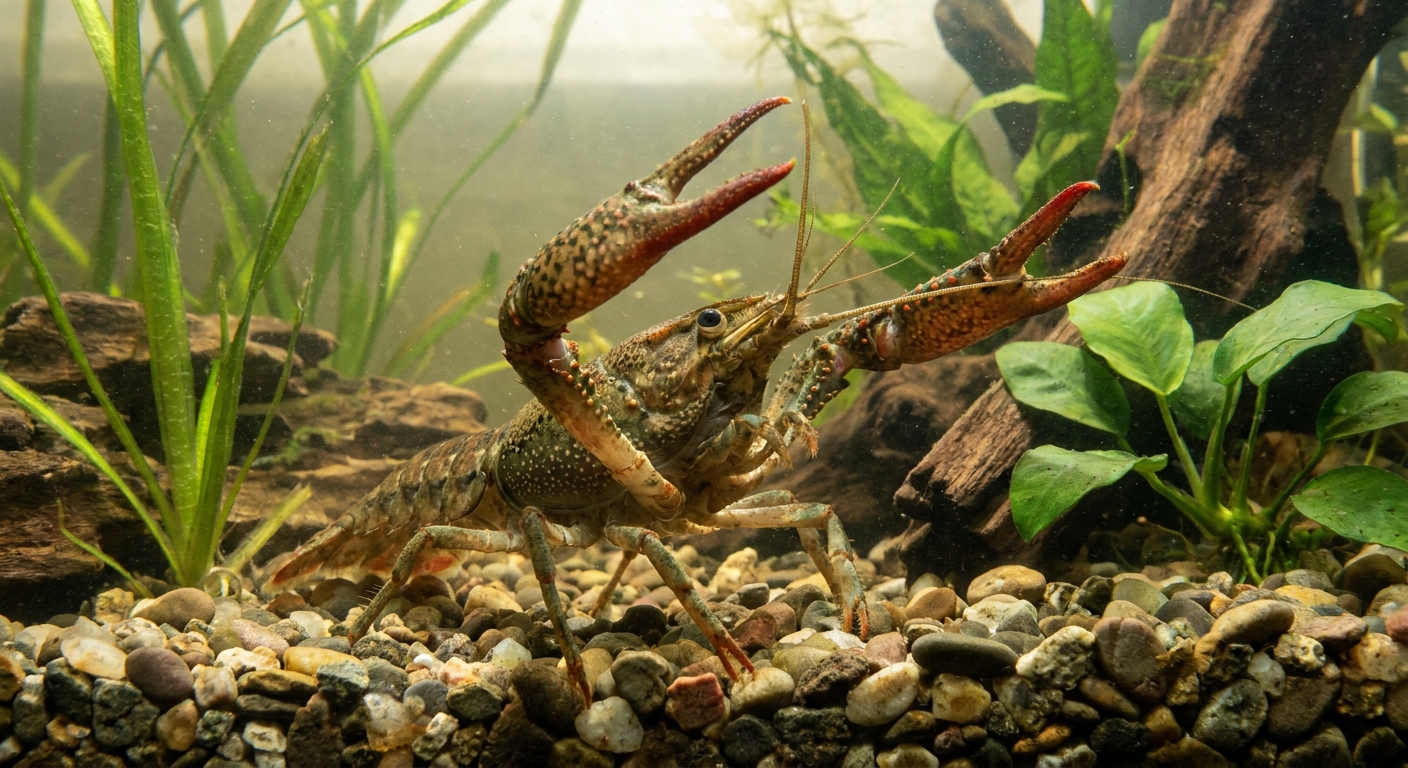
Why to avoid: Crayfish are opportunistic hunters and grabbers. Bettas sleep, rest on leaves, and perch near the bottom at times, which puts them within striking range.
What usually happens: a crayfish can clamp a fin, tail, or even the betta’s body. This can cause severe injury quickly, sometimes overnight.
Bottom line: this combo is a hard no for me.
Better idea: If you want an invertebrate buddy, snails are usually the safer starting point. This snail guide breaks down good picks and common pitfalls.
10) Large or predatory catfish
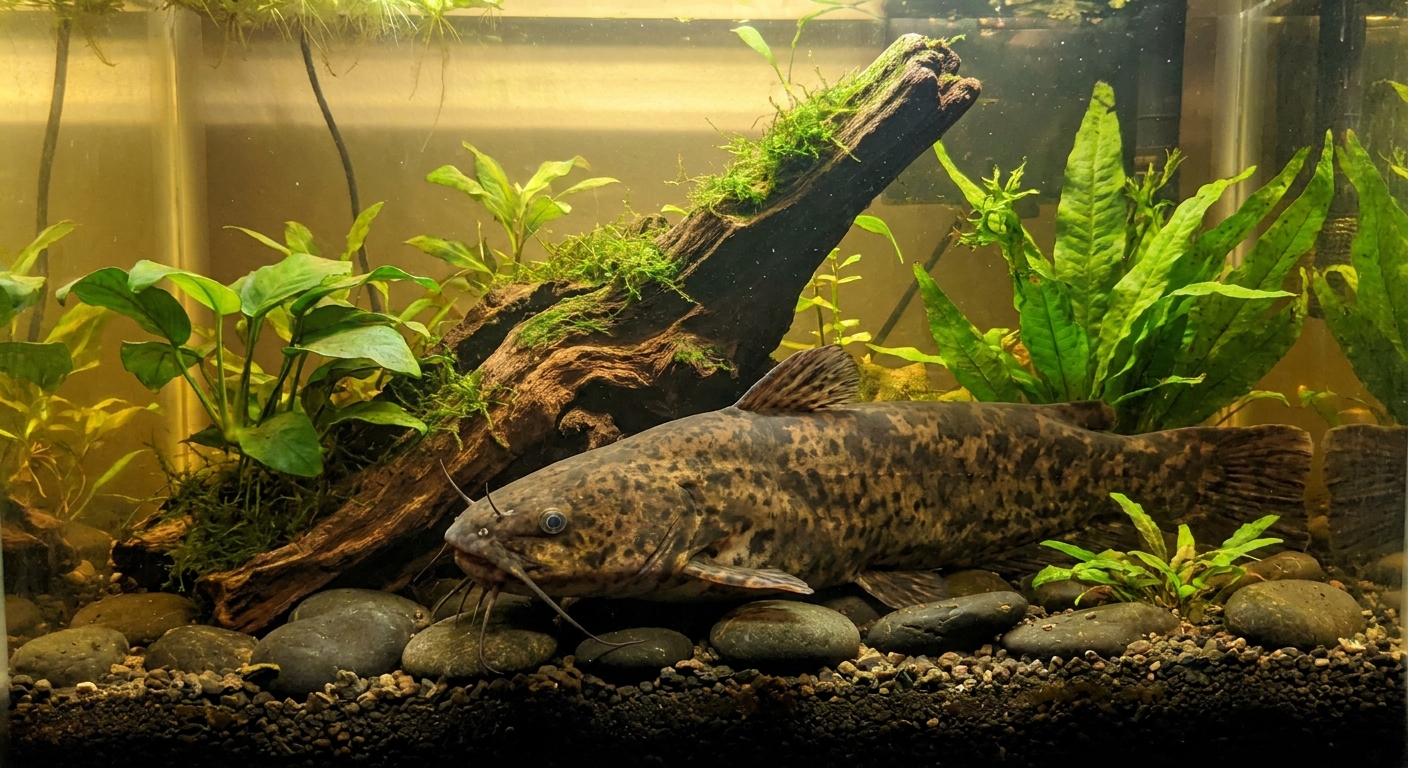
Why to avoid: Many “big catfish” species are predators that outgrow typical aquariums. A betta is bite-sized to them as they mature.
What usually happens: even if the catfish ignores the betta at first, the risk increases as the catfish grows. A betta that rests at night is especially vulnerable.
Also: these fish produce heavy waste loads, making water quality harder to keep pristine. Clean water is betta happiness, so it helps to follow a steady routine like the one in this tank cleaning and water change schedule.
Better idea: If you want a bottom-dweller with a betta, look for truly peaceful species that stay small and thrive in warm water, and always confirm needs match before mixing fish.
Quick avoid checklist
If a potential tank mate fits any of these, pause and reconsider:
- Known fin-nipper (barbs, some tetras)
- Bright, flashy, long-finned (often triggers rivalry or chasing)
- Highly territorial or aggressive (many cichlids, some gouramis)
- Predatory or grabby (crayfish, large catfish)
- Needs different water or temperature (compatibility includes chemistry, not just personality)
If it is a mismatch
It happens. If you’re seeing chasing, torn fins, hiding, or your betta refusing meals, act quickly:
- Separate first if there is biting or relentless chasing. Physical safety comes before “seeing if they work it out.”
- Check the environment: confirm temperature, filtration flow, and hiding places. Here’s help with betta tank temperature and heater placement.
- Watch for illness: stress can open the door to parasites and infections. If you see white spots, review ich signs and treatment.
- Use a hospital tank when needed: if injuries or disease appear, set up a simple recovery space using this hospital tank guide.
FAQ
Are neon tetras bad tank mates for bettas?
Neon tetras are not on the “absolute worst” list, but they can still nip in some setups, especially in smaller tanks or stressed schools. The safest bet is to treat all small, fast schooling fish as “maybe,” not “guaranteed.”
Can a betta live with shrimp instead?
Sometimes, but it depends on the betta. Some bettas ignore shrimp, others hunt them. If you want a full rundown, visit can betta fish live with shrimp?.
What are the safest tank mates in general?
Peaceful, non-nippy species that do not resemble bettas and do well in warm, gentle-flow tanks are the best starting point. Snails are often the easiest option, and this snail guide helps you pick wisely. For more compatibility ideas, browse tank mates compatibility.
One last reminder
A betta does not need roommates to thrive. Clean, warm water, gentle filtration, and lots of places to perch and hide can turn a solo betta tank into a tiny paradise. If you do choose tank mates, skip the risky ones above and build the calmest neighborhood possible.