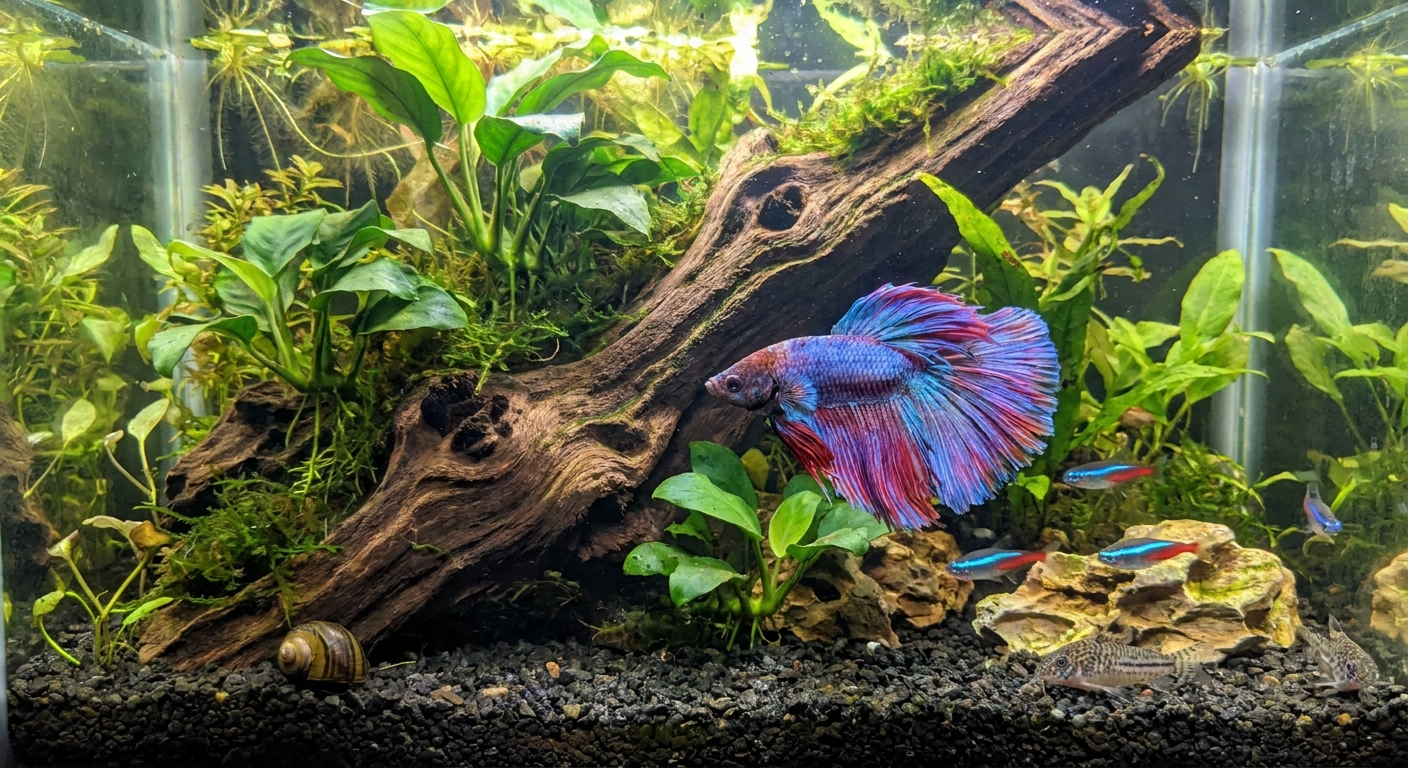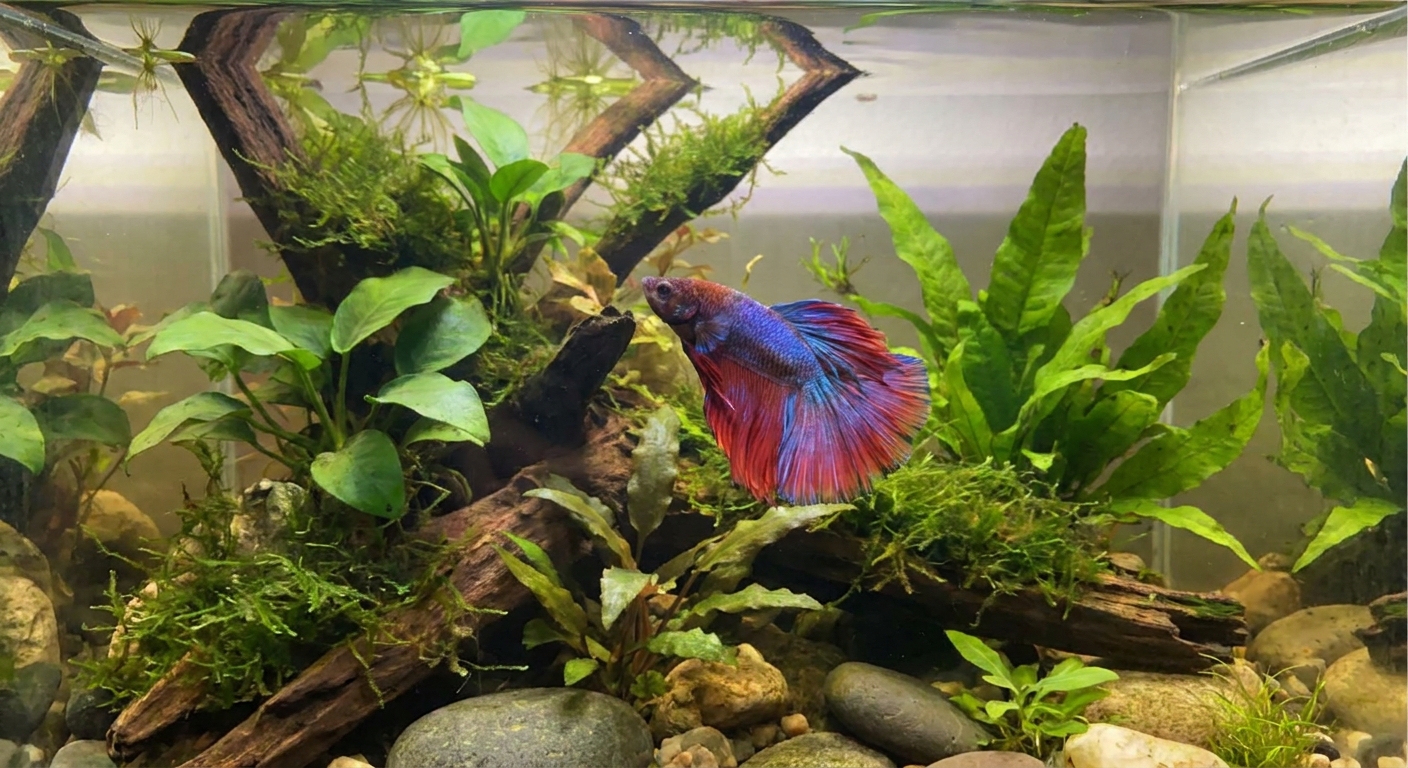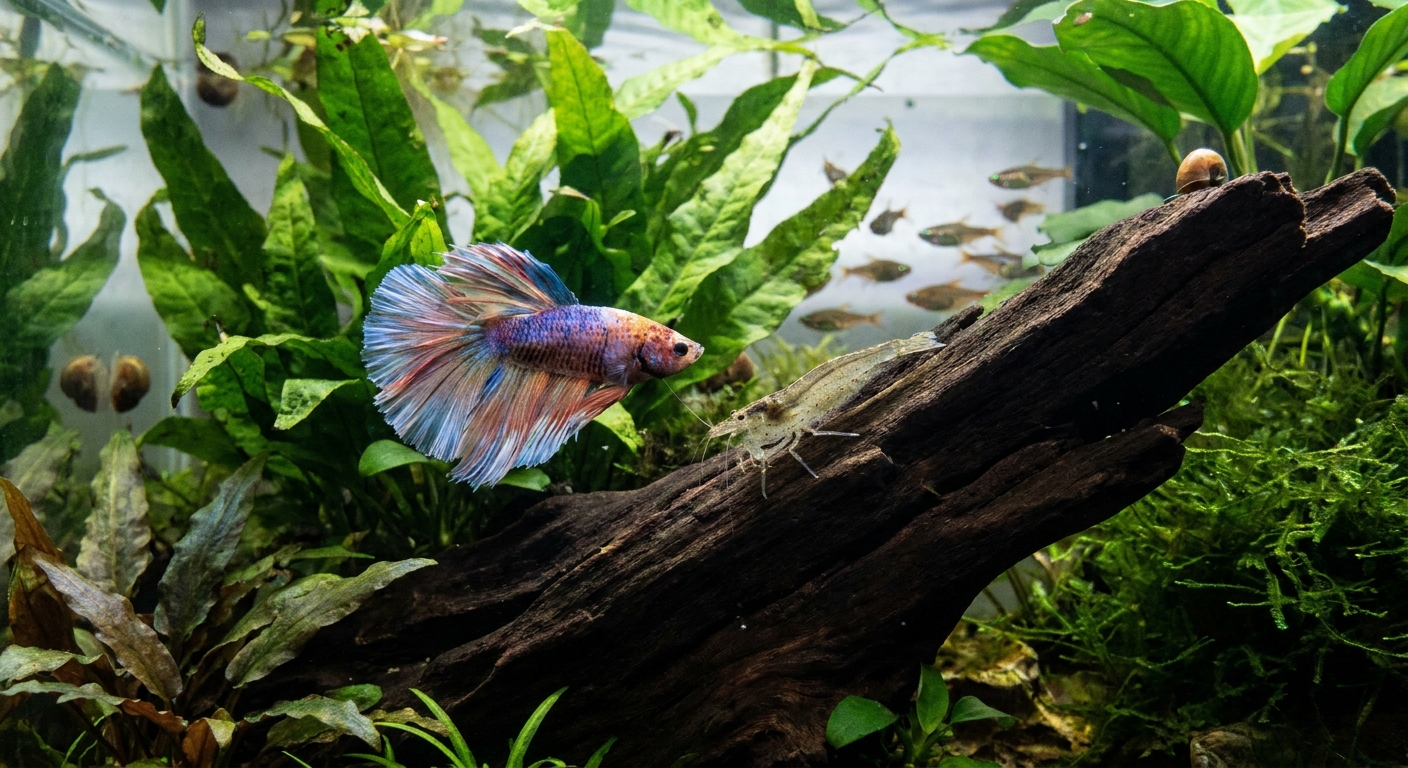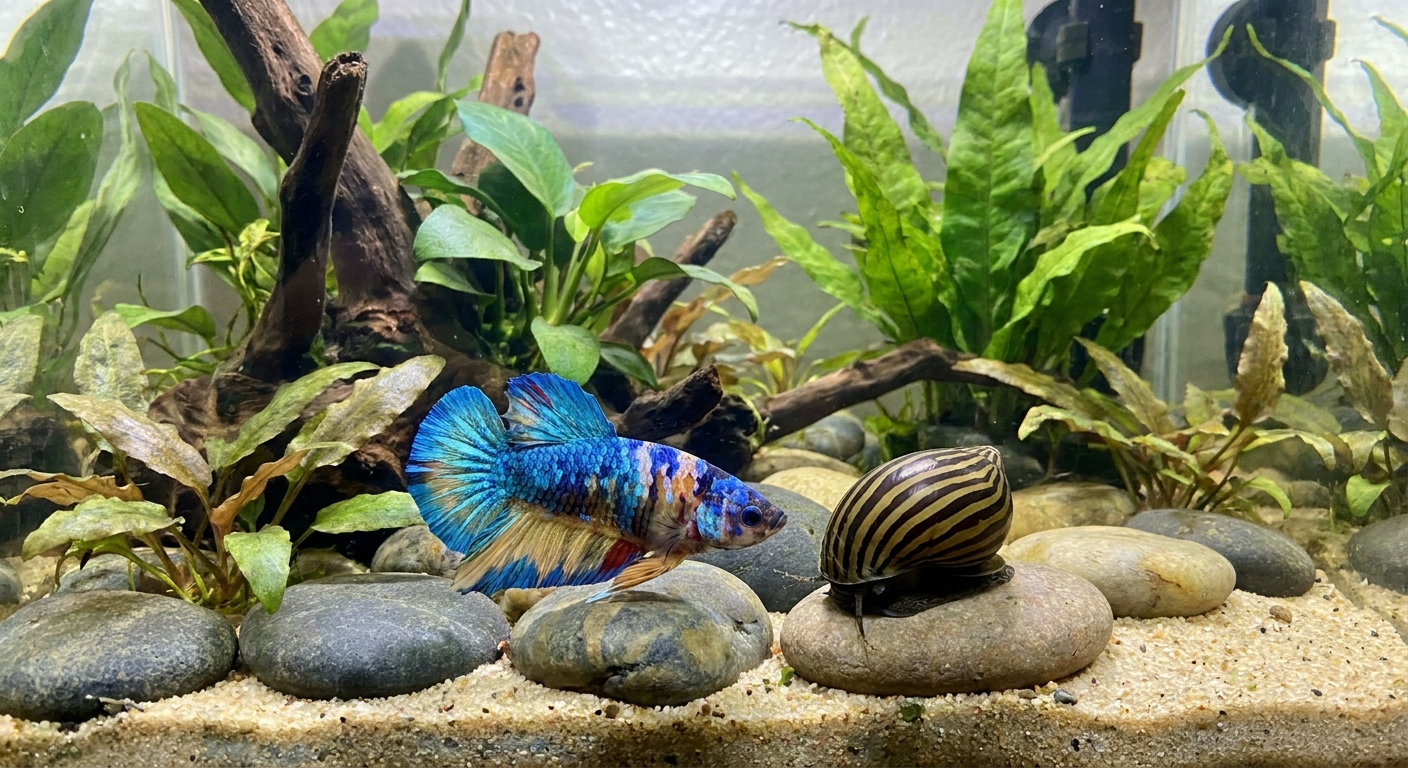
Let’s make your tank the happiest little splash in the house! A 10-gallon aquarium is a sweet spot for a betta: enough room for cozy territories, lush plants, and a few carefully chosen neighbors. The trick is picking tank mates that are peaceful, compact, and not tempting targets for nipping or chasing.
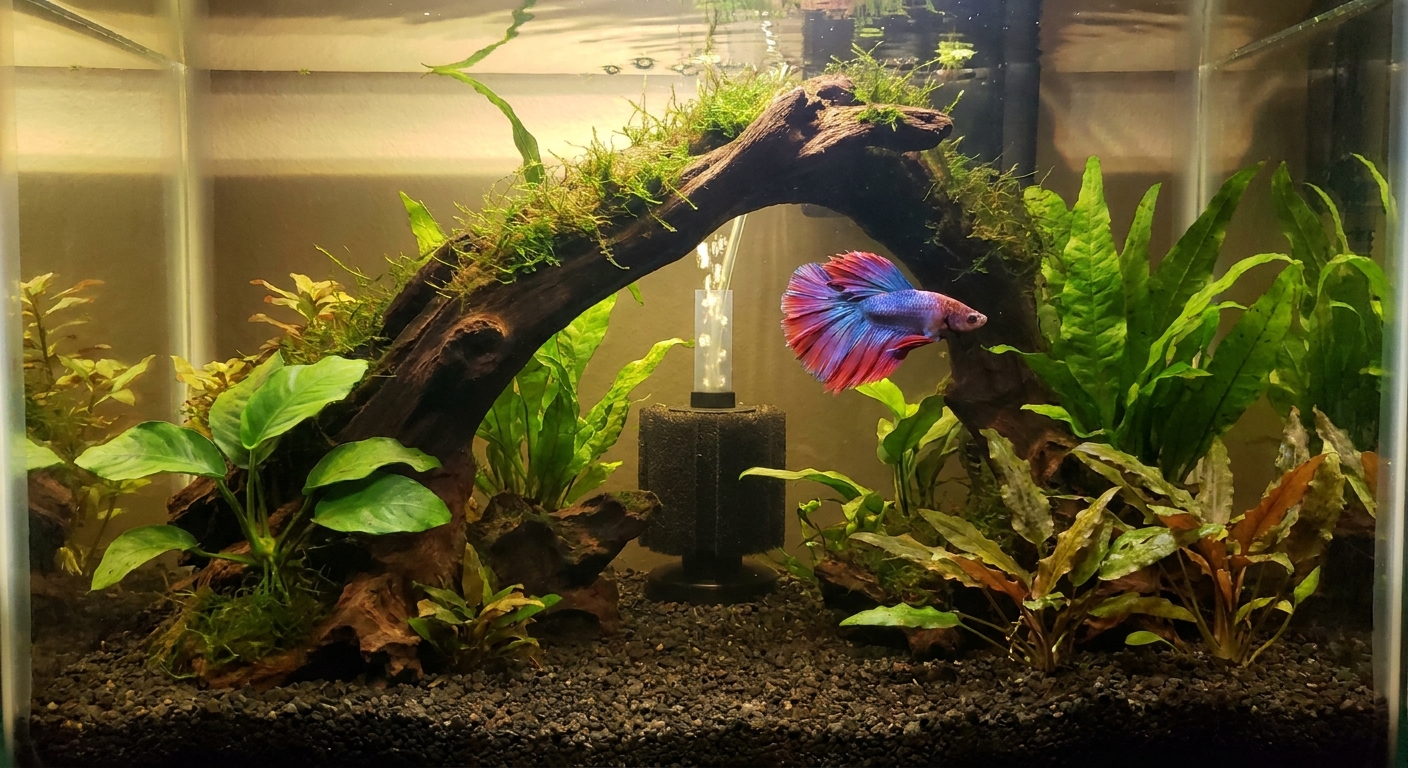
Below is a curated list of tank mates that are typically the best fit for a compact 10-gallon betta setup, plus the exact conditions that make those matches more likely to work.
Before you choose
In a smaller tank, compatibility is less about the species name and more about space, sight lines, and stress. A betta that feels crowded or exposed is much more likely to patrol, flare, and chase.
- Temperament is everything: No pairing is guaranteed. Some bettas are chill roommates, some are tiny dragons. Long-finned males often feel more vulnerable and get stressed easier, while short-finned plakats can be faster and more chase-happy. Females vary just as much.
- Define “not overstocked”: In most 10-gallons, you will have the best results if you pick one lane: snails and shrimp, or one nano school, or one bottom group. Stacking multiple fish groups in a 10 tends to turn into a stress parade.
- Stable, cycled tank: Add tank mates only after the aquarium is fully cycled. If you are still setting up, start here: How to cycle a new betta fish tank.
- Warm, calm water: Most bettas do best around 78 to 80°F with gentle flow. For heater placement and stable temps, see betta tank temperature and heater placement.
- Lots of cover: Plants, caves, and wood break up sight lines so everyone can relax. Easy ideas here: essential tank decorations for hiding spots and enrichment.
- Match parameters before buying: Even “peaceful” fish get edgy if they are kept outside their preferred temp and water conditions. Aim for overlap, not compromise.
- Extra hiding for shrimp: If you want shrimp, plan dense moss or fine-leaved plants from day one. More detail: can betta fish live with shrimp?
If your betta is already showing stress signals, fix that first before adding anyone new. This guide helps you spot and correct the common issues: signs of stress in betta fish and how to fix their environment.
Best tank mates for a 10-gallon
These are the options that most consistently fit a 10-gallon footprint when the aquarium is planted, has gentle flow, and is not pushed to the stocking limit.
1) Nerite snails
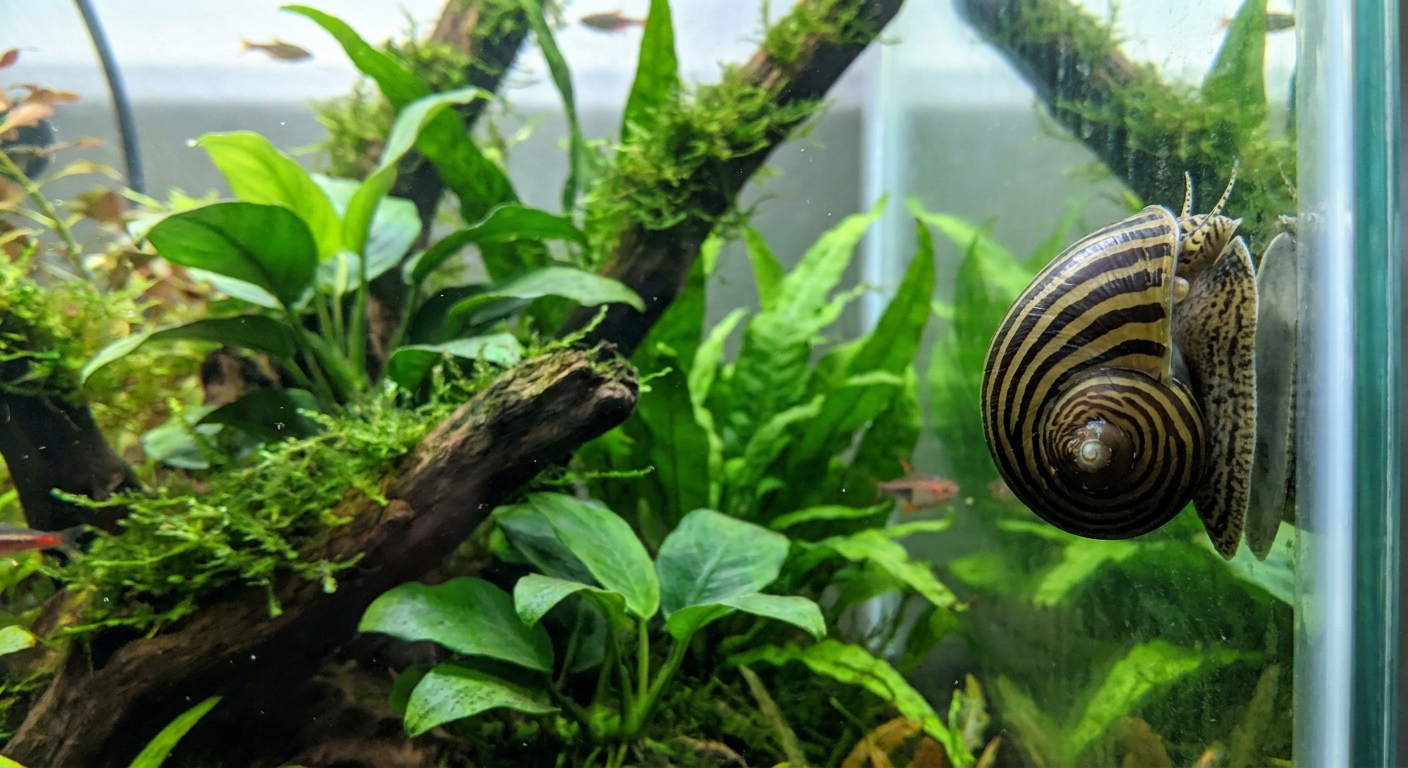
Why they work: Nerites are peaceful, armored, and excellent algae grazers. Bettas may inspect them, but nerites are usually too well-protected to be bullied long-term.
- How many: 1 is usually perfect in a 10-gallon. In heavier algae setups, 1 to 2 can work if your water quality stays strong.
- Watch for: Bettas that repeatedly peck at antennae. Provide hiding spots and reduce bright lighting if the betta is overly fixated.
For more snail picks and which ones to skip, visit the best snails to keep with bettas.
2) Mystery snail (with cautions)
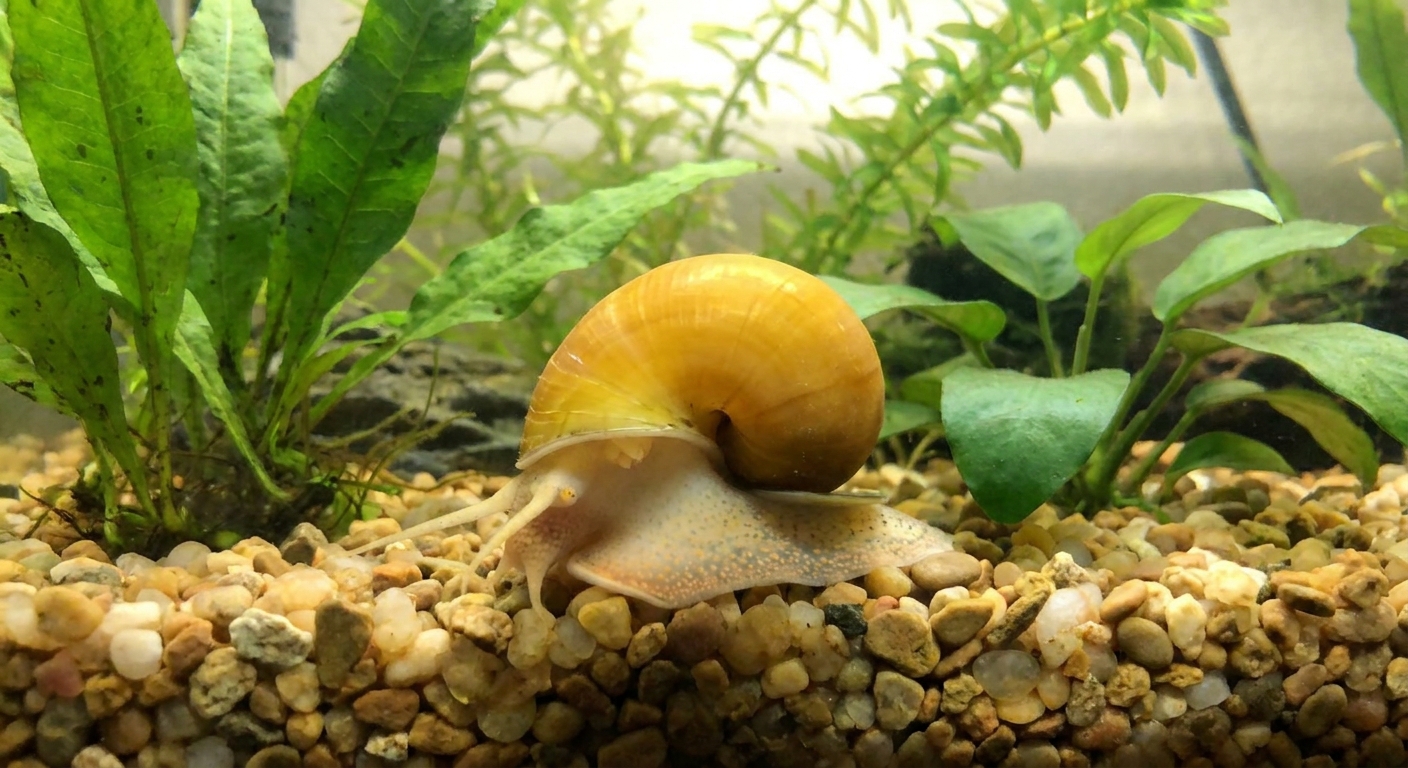
Why they can work: Mystery snails are peaceful and fun to watch. In a 10-gallon, a single mystery snail can be a fine companion if filtration and maintenance are consistent.
- How many: Stick to 1 in a 10-gallon.
- Watch for: Higher bioload than smaller snails. Also, some bettas may nip the snail’s siphon or feelers if they get curious or cranky.
3) Amano shrimp (best shrimp option for many bettas)
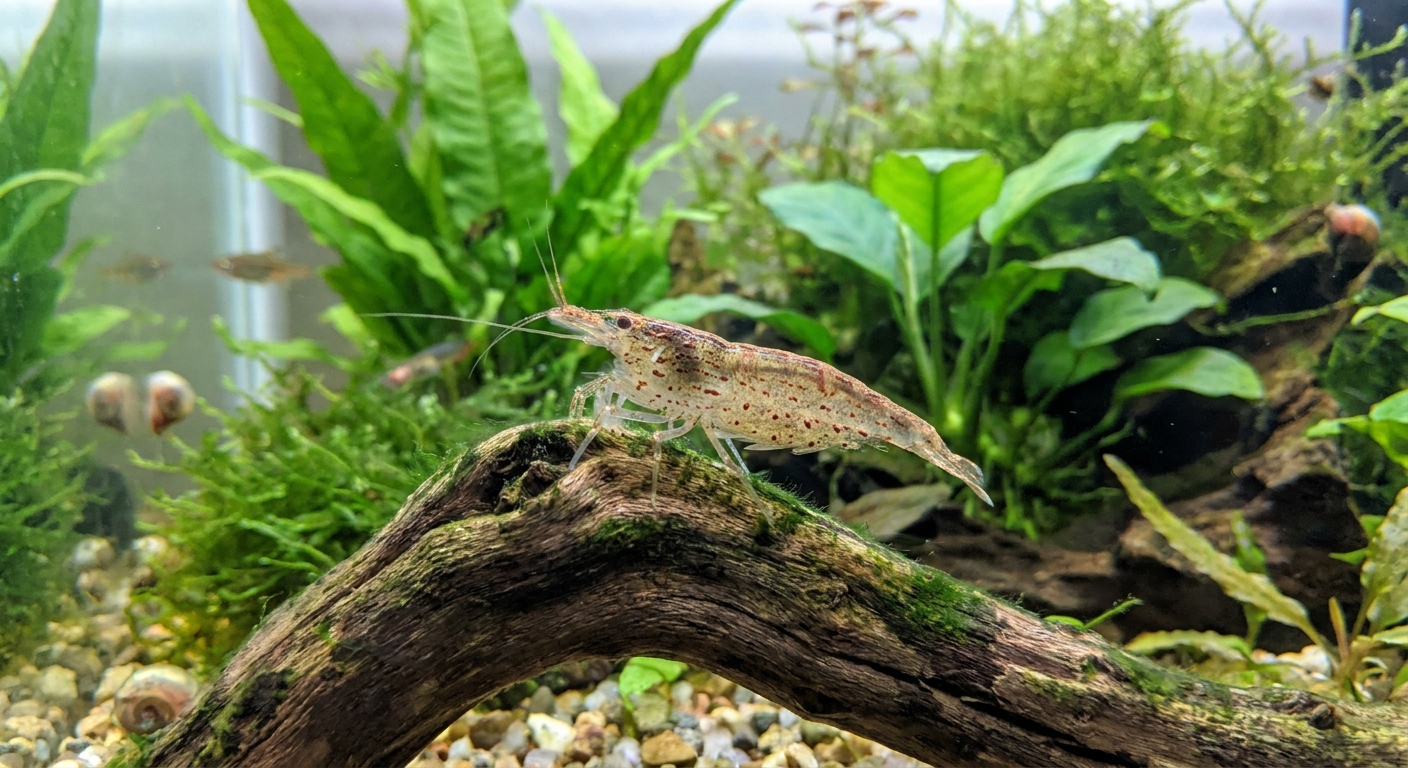
Why they work: Amano shrimp are larger than many dwarf shrimp, so they are less likely to be hunted. They are also excellent scavengers and algae helpers.
- How many: A small group of 3 to 5 can work in a planted 10-gallon.
- Watch for: Bettas with strong prey drive. Provide dense cover and feed your betta well so the shrimp are not “moving snacks.”
4) Ghost shrimp (budget-friendly, but verify what you are buying)
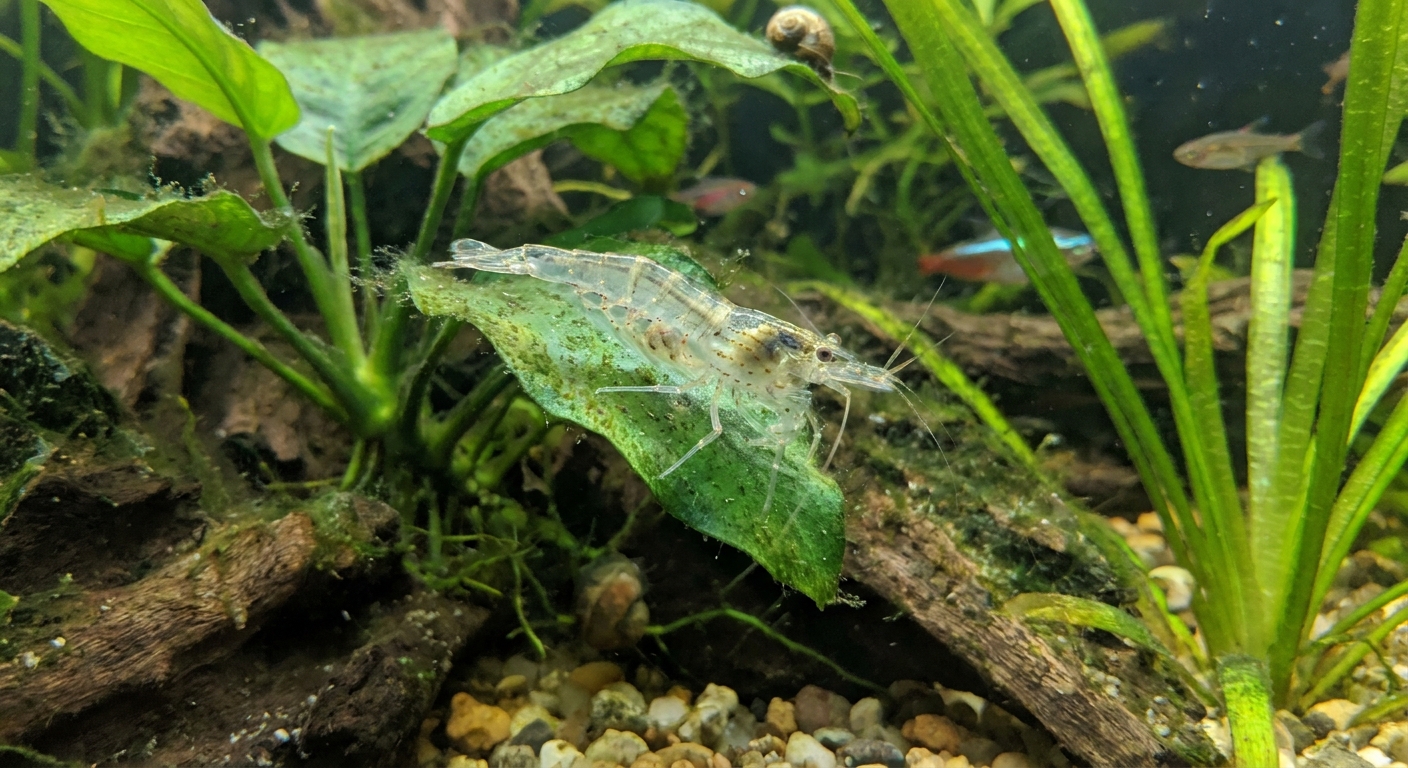
Why they can work: Ghost shrimp are active cleaners and are often easier to find. Some bettas ignore them completely, while others treat them like live food.
- How many: 4 to 8, assuming plenty of hiding and stable parameters.
- Watch for: Stores sometimes label different species as “ghost shrimp.” Avoid larger, long-armed “whisker shrimp” types that can bully or grab at tank mates. Also expect some losses during introduction with sensitive or poorly shipped shrimp.
5) Chili rasboras (advanced pairing)
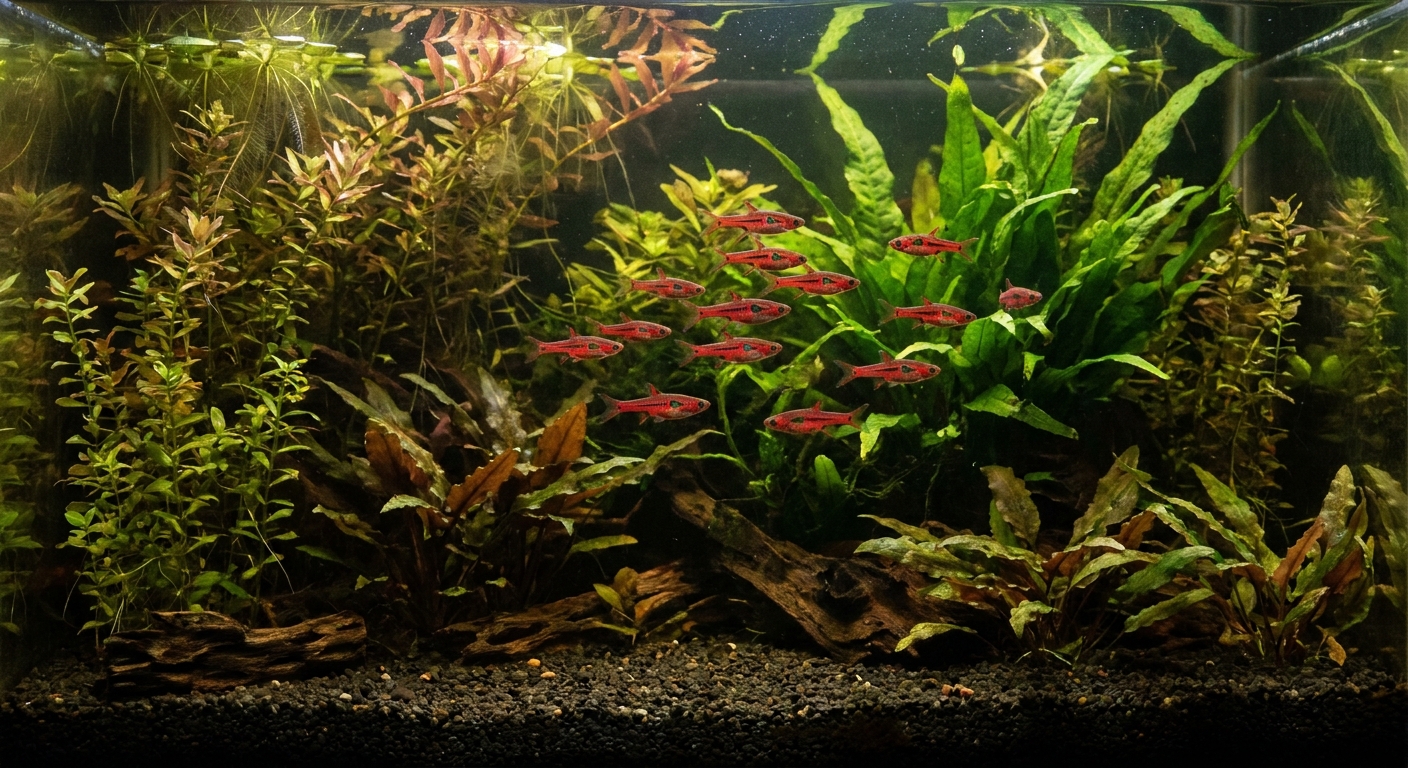
Why they can work: These tiny, peaceful fish can coexist with a calm betta in a mature, heavily planted tank. This pairing is on the delicate side because chilis are small and easily stressed if the betta is confident and patrol-happy.
- How many: 6 to 8 as a true school, but only if you keep stocking light overall and stay on top of water quality.
- Watch for: A betta that constantly stalks midwater. If your betta becomes a hall monitor, remove the school rather than forcing it.
If you’re considering peaceful schooling fish in general, this guide helps narrow it down: peaceful schooling fish for betta tanks.
6) Ember tetras (higher-risk in a 10-gallon)
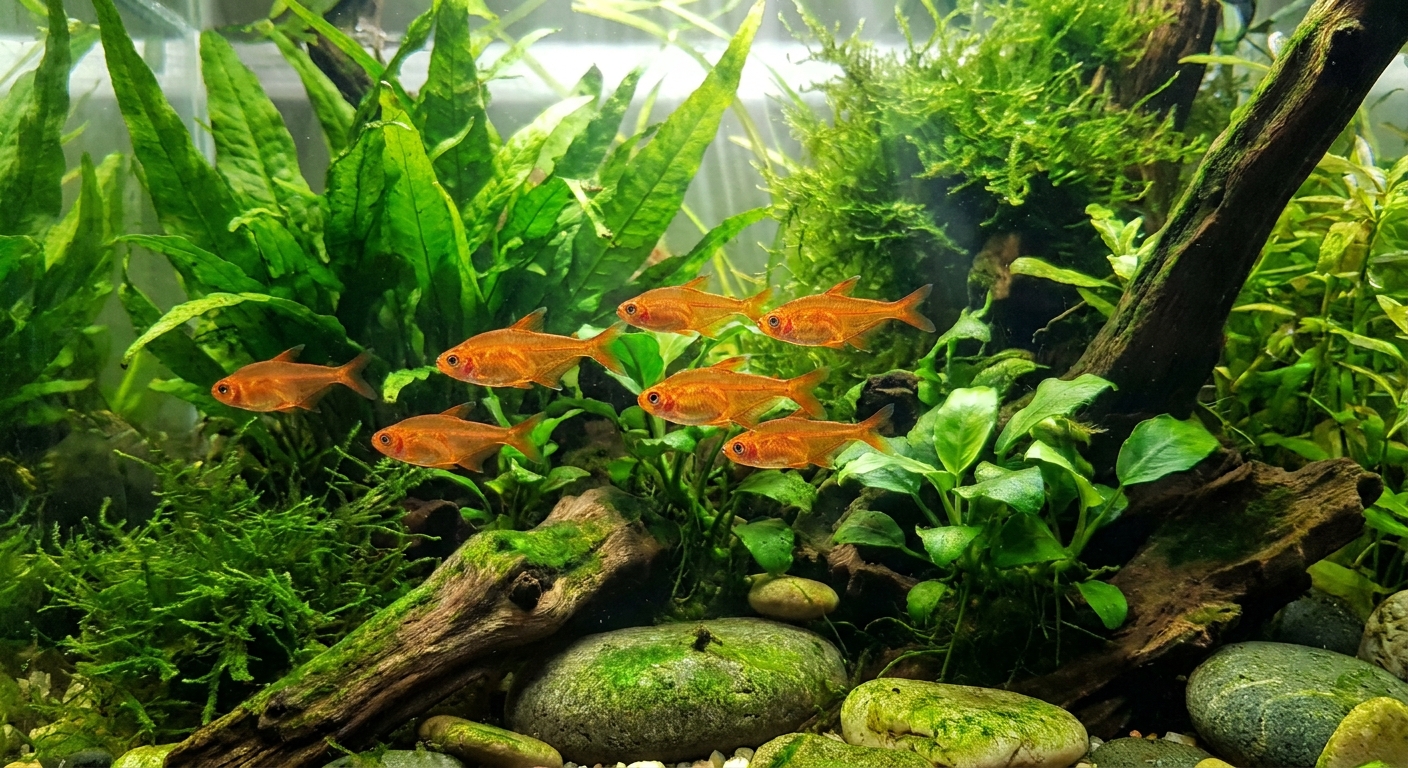
Why they can work: Embers are generally peaceful and small, and they can be a workable choice with a calm betta in a planted 10-gallon. That said, this is one of the more debated combos in a standard 10 because it can feel tight fast.
- How many: 6 minimum, and only attempt 8 if your tank is very stable, very planted, and maintenance is consistent.
- Watch for: Any fin nipping or constant tension. If your betta has long flowing fins, even mild nipping is a deal-breaker. Have a rehome plan from day one.
7) Pygmy Corydoras (plan the footprint)
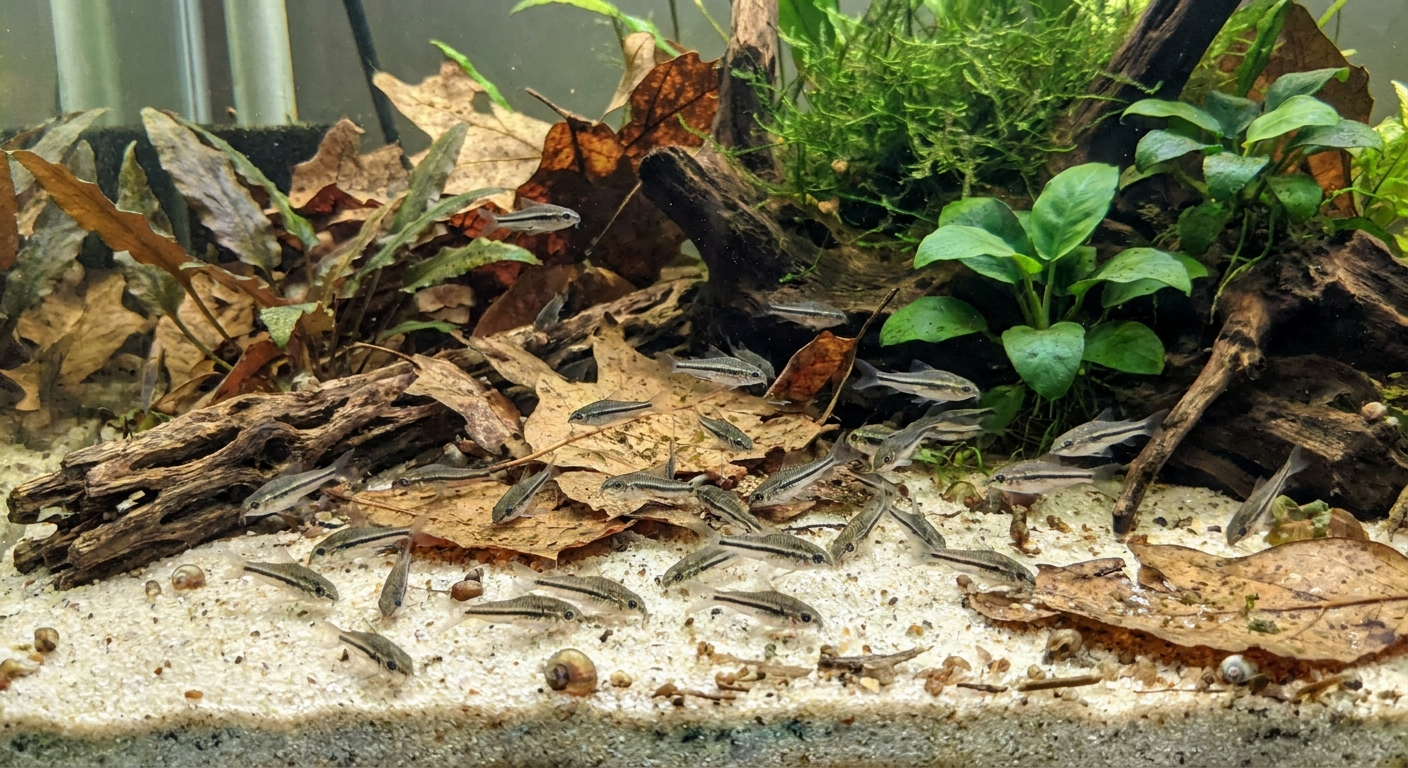
Why they can work: Pygmy corys are small, peaceful, and tend to keep to the lower areas. They do best on fine sand and in groups, which helps them feel secure.
- How many: 6 is a solid group size, but this pairing is best when the tank has a generous, uninterrupted bottom area and gentle flow. A 10-gallon long style footprint is especially helpful.
- Watch for: Stress from high flow, sharp gravel, or too little open bottom space. Also, never rely on corys as “cleaners” for leftover food. They still need a real diet.
More on cory compatibility here: corydoras catfish with betta fish.
Tank mates to avoid
Some species can work in larger community tanks, but a 10-gallon footprint makes the risk much higher. Here are the common troublemakers:
- Fin nippers: many barbs and some tetras in undersized groups
- Flashy long-finned fish: they trigger territorial displays and chasing
- Fast, hyper fish: they stress bettas through constant motion
- Most other labyrinth fish: including gouramis, which often compete and spar
- Crayfish and larger predatory inverts: dangerous to fins and sleeping bettas
If you want a clear list of common “nope” options, swim over to the worst tank mates for betta fish.
How to introduce tank mates
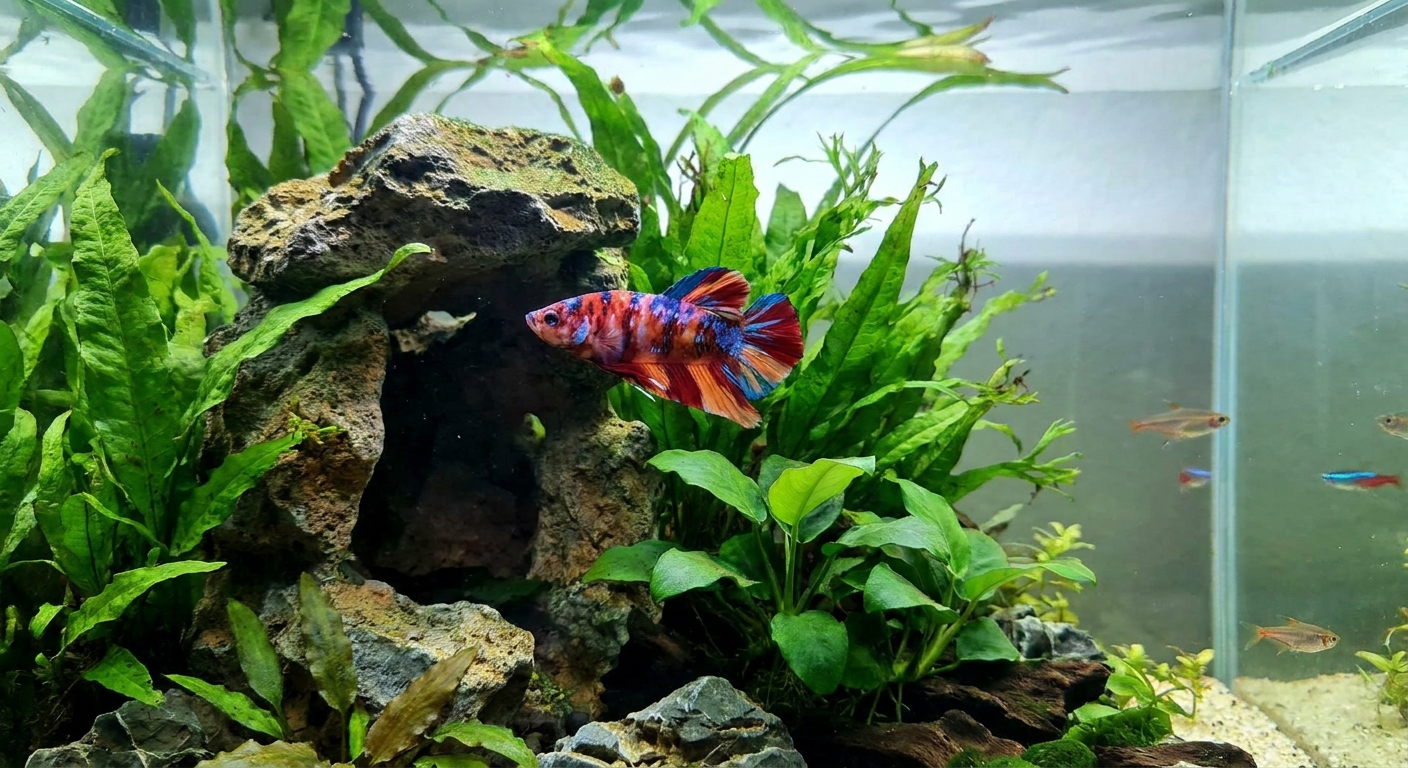
- Rearrange decor first: Moving plants and hardscape helps reset territories so the betta is less likely to defend “home base.”
- Add the new friends with the lights dim: Lower light reduces chasing during the first few hours.
- Feed the betta before introduction: A hungry betta is a grumpier betta.
- Use a slow acclimation: Especially for shrimp and snails, which can be sensitive to parameter changes.
- Provide immediate hiding places: Shrimp should be able to vanish into moss or under wood instantly.
- Have a backup plan: A spare container or cycled hospital setup can save lives if things go sideways.
If your betta needs a gentler transition to new neighbors, this helps: introducing tank mates to a territorial betta.
Simple stocking combos
Here are a few realistic, compact mixes that tend to stay calmer than overcrowded “mini community” plans:
- Option A (super safe): 1 betta + 1 nerite snail
- Option B (cleanup crew): 1 betta + 1 nerite snail + 3 to 5 Amano shrimp
- Option C (shrimp-forward): 1 betta + 6 to 10 shrimp (Amano or ghost) + 1 nerite snail
- Option D (nano school, advanced): 1 betta + 6 to 8 chili rasboras + 1 nerite snail (mature, heavily planted tank, gentle flow)
- Option E (bottom buddies, planned carefully): 1 betta + 6 pygmy corydoras (fine sand, gentle flow, keep other fish out)
One more small tip that saves a lot of drama: make sure everyone gets fed. Bettas often hog the surface, so use sinking foods for corys and shrimp, and scatter feed so timid fish have a chance.
When in doubt, choose fewer tank mates and more plants. A calm betta in a lush tank is the goal, every time.
FAQ
Can I keep neon tetras with a betta in a 10-gallon?
It is usually not the best match in a 10-gallon. Neons do better with more swimming room and larger groups, and a small tank can increase fin nipping and stress. If you want a schooling fish, consider more peaceful nano options and keep the tank heavily planted.
Are shrimp always safe with bettas?
No. Some bettas ignore shrimp, and some hunt them. If shrimp are a priority, start with lots of cover and consider Amano shrimp first because they are larger. More detail is here: can betta fish live with shrimp?
What if my betta starts chasing?
First, add more plant cover and reduce reflections and bright lighting. Then reassess stocking and feeding. If chasing continues, the kindest move is separating tank mates rather than hoping the betta “gets used to it.”
Is a 10-gallon better than a 5-gallon for tank mates?
Yes. The extra water volume and footprint make stability and spacing much easier. If you are deciding between sizes, see 5-gallon vs 10-gallon tank for bettas.
Do I need a lid with tank mates?
A lid is a smart idea for any betta tank, and it becomes even more helpful with active fish that may spook and jump. It also reduces evaporation and keeps warm, humid air above the waterline, which bettas appreciate.