
Let’s make your tank the happiest little splash in the house! When a betta looks uncomfortable, it’s tempting to reach for “salt” and hope for the best. But aquarium salt and Epsom salt do very different jobs, and using the wrong one can slow down healing or stress your finned friend.
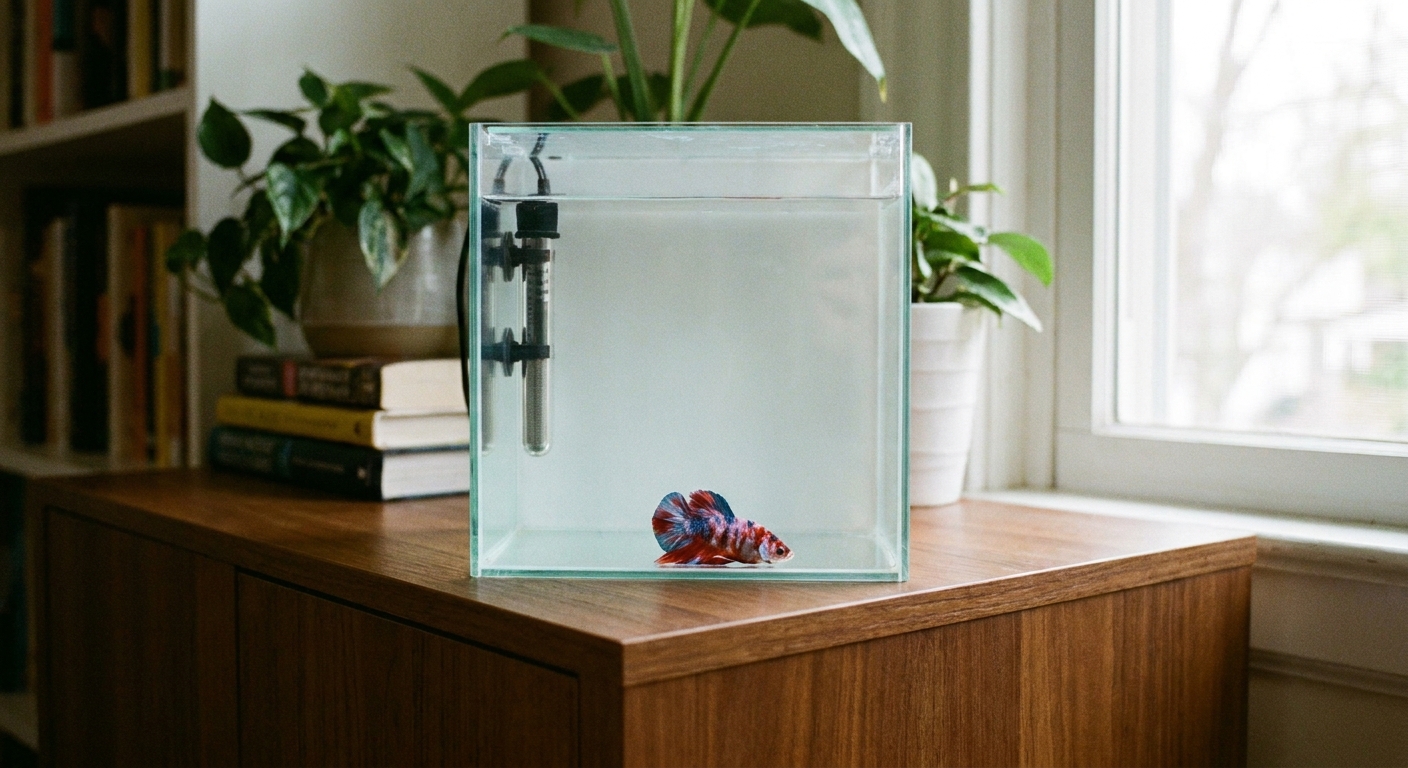
This guide compares what each salt does, when it makes sense, and how to use it as safely as possible.
Quick safety note: Salt is best thought of as supportive care. If your betta is getting worse, or you see no improvement within 24 to 48 hours, stop the salt plan and pivot to diagnosis and a targeted treatment approach.
Quick answer: which salt to use
- Choose aquarium salt (sodium chloride) for some external issues as short-term support. It can sometimes ease osmotic stress and may offer temporary help in mild, early external irritation. Many external parasites still require ich or parasite-specific medication, so do not let salt delay an effective plan.
- Choose Epsom salt (magnesium sulfate) for swelling and internal, digestive problems like constipation and bloating. It is commonly used by keepers as supportive care, not as a cure for serious internal disease.
They are not substitutes. Aquarium salt is mainly about osmotic balance and external stress support. Epsom salt is mainly about digestive support and fluid-related swelling.
Why they work differently
Aquarium salt
What it is: sodium chloride (NaCl) without additives.
What it can do: In freshwater, fish are constantly balancing water and salts in their bodies. Adding a small amount of NaCl can reduce osmotic workload in certain situations. Some keepers also use it as short-term support during mild external irritation.
What it cannot do: It is not a reliable stand-alone treatment for common parasites like ich or velvet. If you suspect a true parasite outbreak, salt alone can be inconsistent and may delay the right medication.
Epsom salt
What it is: magnesium sulfate (MgSO4).
What it can do: Epsom salt is often used by keepers as an osmotic laxative and as supportive care for fluid-related swelling. In practice, it is most often chosen for constipation, bloating, and some buoyancy issues that show up with a rounded belly.
What it cannot do: It does not treat ich, velvet, or other external parasite outbreaks. It is also not a cure for organ failure or true dropsy, although some people use it as comfort care while they stabilize the fish.
When aquarium salt fits best
Aquarium salt is most useful when the issue is happening on the outside of your betta’s body, and you are using it as short-term support, not as a magic fix.
It may help support
- Mild external irritation such as light rubbing or slight fraying, while you correct the environment and observe closely.
- Temporary relief in early, uncertain cases of external stress, especially in a hospital tank where you can control the dose.
- Situational osmotic support while you troubleshoot the real cause, like temperature swings or poor water quality.
When salt is not enough
If you see classic parasite signs like fast-spreading white spots, heavy flashing, clamped fins, or rapid worsening, do not let salt delay an ich-specific plan. Follow: Ich in Betta Fish: Signs, Treatment, and Tank Cleanup.
When to skip aquarium salt
- Planted display tanks: many live plants struggle with salt exposure, and it can be a headache to dilute back out fully.
- Invertebrates and salt-sensitive tank mates: shrimp, snails, and some fish do not tolerate salt well. If you cannot move your betta, consider a hospital container instead of dosing the whole display.
- Long-term use: routine salt dosing is not a “maintenance” requirement for bettas and can become an unnecessary stressor.
When Epsom salt fits best
Epsom salt is the go-to when the problem looks internal or digestive, especially when you see swelling.
It can support
- Constipation: swollen belly, stringy poop, reduced appetite, or no poop.
- Bloating: a rounded abdomen that suggests digestive backup or mild fluid retention.
- Buoyancy trouble with a swollen belly: floating or sinking paired with constipation signs.
Be extra cautious
- Pineconing (raised scales): this can point to serious fluid imbalance with organ involvement. Epsom salt is sometimes used as supportive care, but it is not a guarantee and it will not reverse organ failure.
- Rapid decline: severe lethargy, fast breathing, refusal to eat, or worsening swelling needs a hospital setup and a clear treatment plan.
If constipation is the main concern, it also helps to correct feeding and avoid common myths. This guide breaks it down clearly: Betta Constipation: Daphnia vs. the Pea Myth.
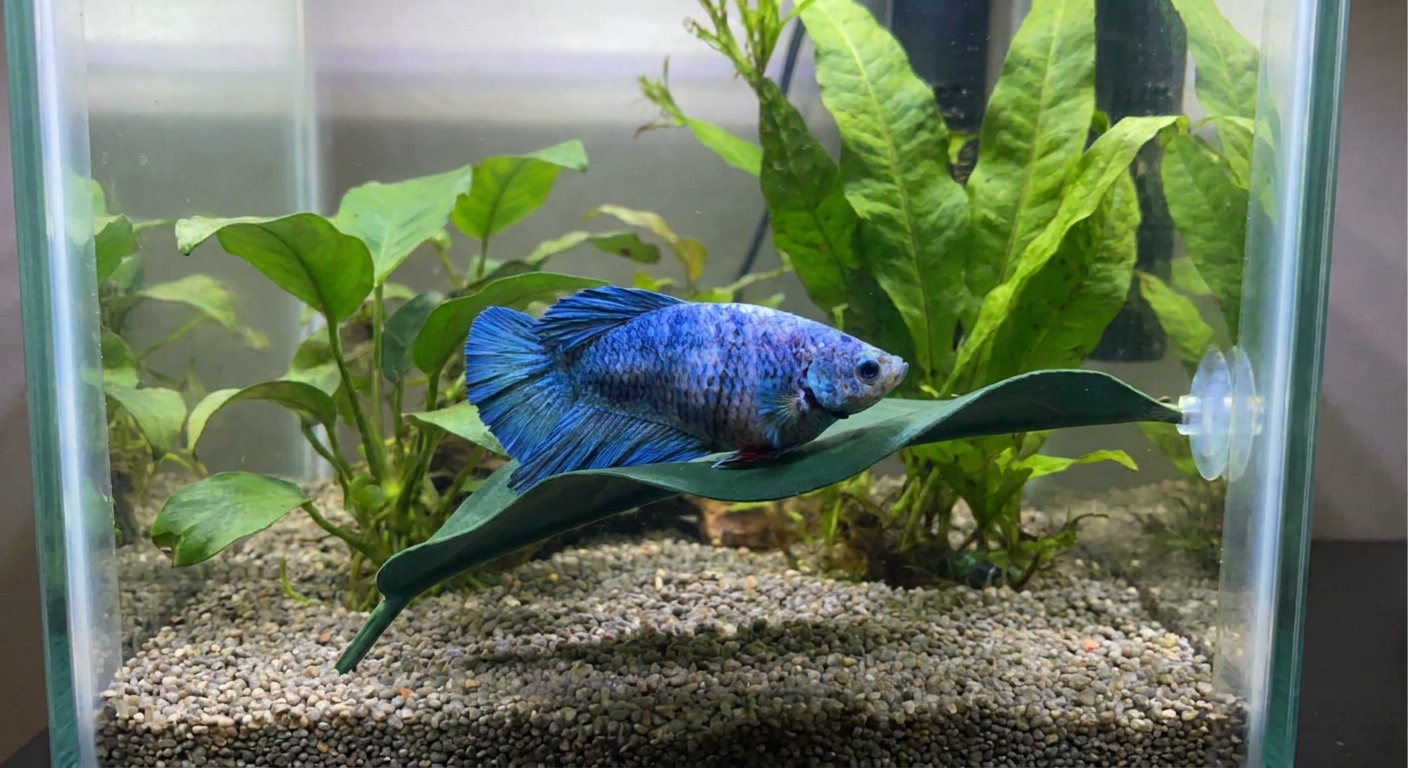
Bloat: what it might be
“Bloat” is a symptom, not a diagnosis. This is why Epsom salt sometimes helps, and sometimes does nothing.
- Constipation and overfeeding: common, often improves with fasting, better portions, and sometimes Epsom support.
- Egg binding: less common, and Epsom is unlikely to fix the root problem. Focus on calm warmth, low stress, and observation.
- True dropsy or organ-related swelling: often includes pineconing and rapid decline. Epsom may be used as comfort care, but you should treat this as urgent.
If you suspect overfeeding is the driver, see Signs You Are Overfeeding Your Betta Fish and How to Correct It.
External vs. internal: a quick guide
| What you’re seeing | More likely category | Salt that usually fits best |
|---|---|---|
| Scratching, flashing, irritated skin, mild rubbing | External | Aquarium salt as short-term support |
| White spots like grains of salt on fins and body | External parasite (ich is common) | Use an ich-specific treatment plan |
| Swollen belly, stringy poop, not pooping | Internal or digestive | Epsom salt support |
| Buoyancy trouble plus bloating | Internal or digestive | Epsom salt support |
| Ragged fin edges, worsening fin damage | Often environment and infection related | Salt may be supportive, but fix the root cause first |
If fin edges are deteriorating, follow a fin rot plan here: Fin Rot in Betta Fish: Identify and Treat It.
Before you use any salt
Before any salt goes in the water, the safest first steps are always the same.
- Confirm stable heat: bettas do best with steady warmth. See Betta Tank Temperature and Heater Placement.
- Make sure water is safe: salt is not a workaround for ammonia, nitrite, or an uncycled setup. See How to Cycle a New Betta Fish Tank and Betta Tank Cleaning Routine and Water Change Schedule.
- Condition tap water properly: always dechlorinate. See How to Prepare Tap Water for a Betta Tank.
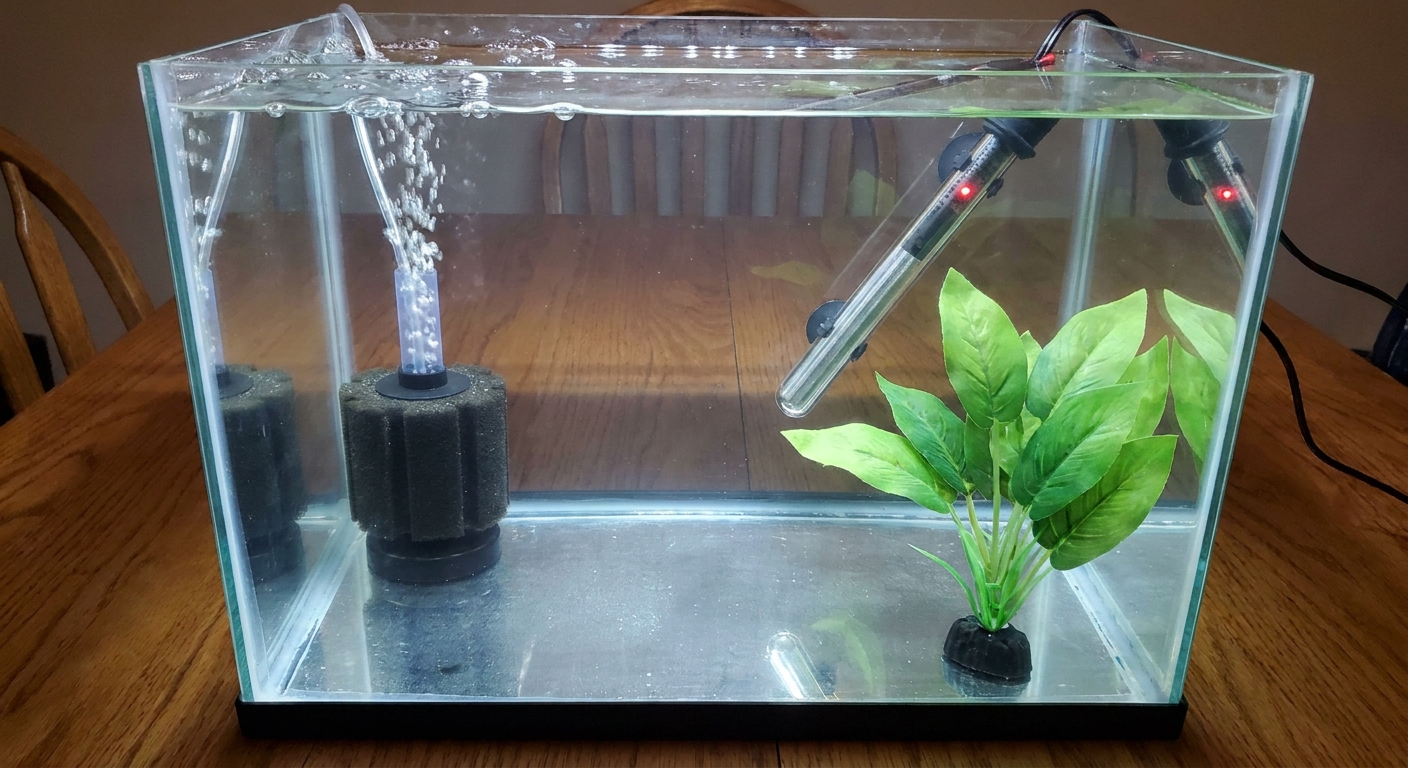
Best practice: use a hospital tank
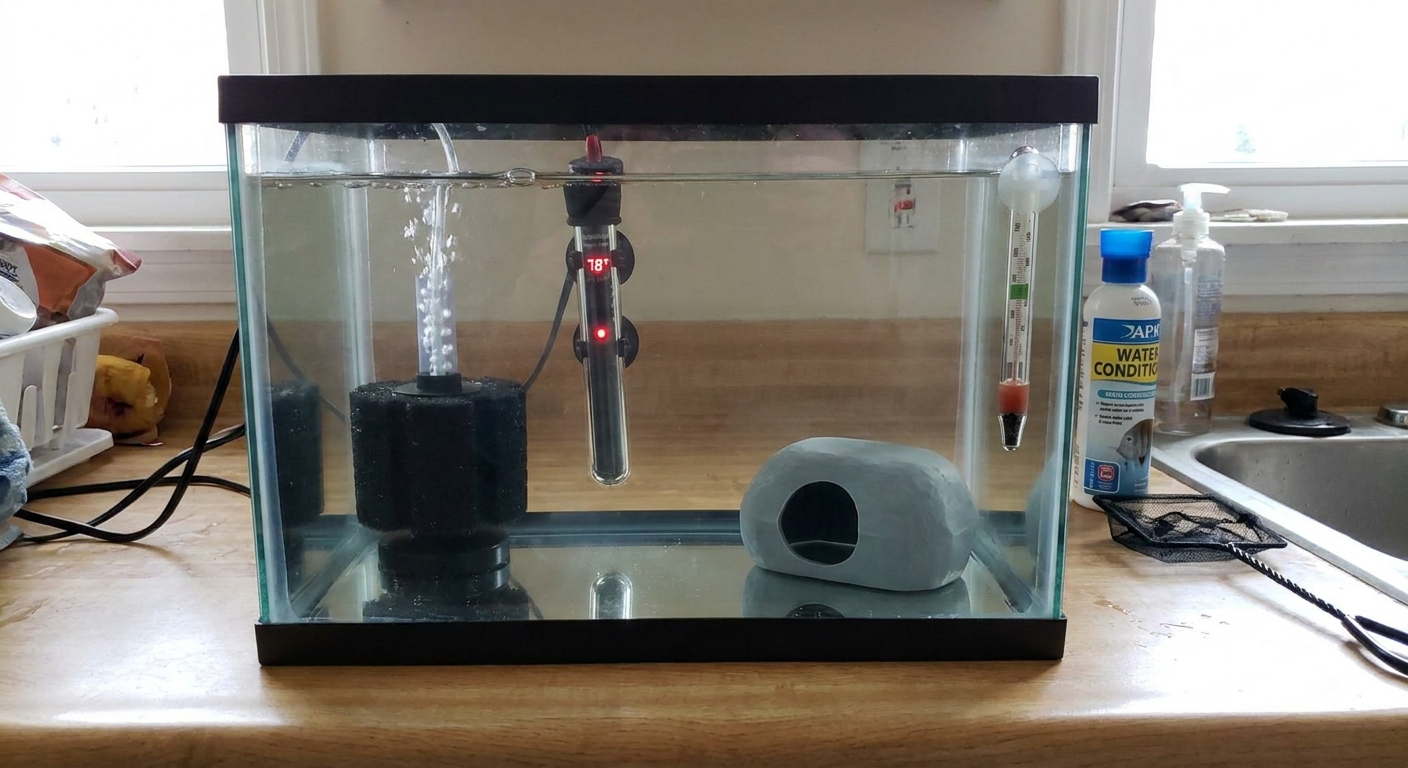
A simple, heated, bare-bottom hospital tank (or clean tub) makes salt use much easier because:
- you avoid stressing plants, shrimp, snails, and tank mates
- you can control dosing and water changes precisely
- you can watch poop, appetite, and breathing clearly
Aquarium salt: safe use
Always follow your product label. Brands vary, and concentration matters. If the label gives a range, start at the lowest end and reassess rather than jumping to a stronger dose.
- Dissolve first: pre-dissolve measured salt in conditioned water before adding it to the tank so crystals do not contact fins and gills directly.
- Go slow: bring the concentration up gradually when possible.
- Keep it short: think days, not weeks, unless a veterinarian has you on a specific plan.
- Remember it does not evaporate: salt leaves only through water changes. If you are maintaining a level briefly, replace salt only for the water you removed.
Stop conditions: If you see rapid breathing, clamped fins, panic behavior, or sudden lethargy, discontinue and reset with clean, conditioned water.
Medication note: Do not automatically combine salt with medications. Some combos are fine and some are not. Only stack treatments if the medication label says it is compatible and you can monitor closely.
Epsom salt: safe use
Use plain, unscented Epsom salt only. No fragrances, essential oils, or added ingredients.
- Dissolve first: dissolve fully in conditioned water before use.
- Choose the least disruptive method: many keepers prefer short, separate-container baths so the display tank stays stable, especially if it is planted or contains invertebrates.
- Pair it with food fixes: for constipation, portion correction is half the solution. See How Much and How Often to Feed a Betta Fish.
Watch your timeline: If you do not see any improvement in swelling, buoyancy, or bowel movement within 24 to 48 hours, treat that as a sign to stop guessing and reevaluate the cause.
Common mistakes to avoid
- Using table salt: even non-iodized salt can contain additives. For NaCl use, stick to aquarium salt made for fishkeeping.
- Salting the display without an exit plan: salt can soak into substrate and porous decor. It will dilute out with repeated water changes, but it can take time and it is inconvenient.
- Stacking stressors: strong flow, bright lighting, repeated netting, and temperature swings can hit harder than the original issue. If your fish seems tense, use the calm-down checklist here: 7 Signs of Stress in Betta Fish and How to Fix Their Environment.
- Expecting salt to fix an uncycled tank: if you are setting up or restarting, begin with Setting Up a Betta Tank for the First Time.
Red flags that need more than salt
Salt can be supportive, but some situations need fast, targeted action.
- Severe breathing distress: gasping, rapid gill movement, or inability to rest
- Rapid spreading lesions, fuzzy growth, or ulcers
- Pineconing or sudden extreme swelling
- White spots spreading quickly with flashing and clamped fins
In these cases, focus on pristine water, stable heat, isolation in a hospital tank, and a specific diagnosis and treatment plan.
FAQ
Can I use aquarium salt and Epsom salt together?
It is usually best to pick one goal and keep treatment simple. Combining salts can increase osmotic stress and makes it harder to tell what is helping. If you suspect both an external irritation and constipation, stabilize the environment first and address the most urgent symptom.
Will salt hurt my betta?
At inappropriate concentrations or for too long, yes. Bettas can tolerate careful, short-term use, but they are not brackish fish and they do not need routine salt in a healthy freshwater tank.
Does Epsom salt treat ich?
No. Epsom salt is not an ich treatment. Use an ich-specific plan: Ich in Betta Fish: Signs, Treatment, and Tank Cleanup.
Does aquarium salt cure fin rot?
Aquarium salt may provide mild support in some cases, but fin rot treatment starts with fixing the root cause, especially water quality and stress. Follow: Fin Rot in Betta Fish: Identify and Treat It.
The betta-friendly takeaway
If the trouble looks external, aquarium salt can sometimes offer short-term support while you correct the environment and decide if medication is needed. If the trouble looks internal and bloated, Epsom salt is usually the better match as supportive care for constipation and swelling.
Either way, the biggest healing boost comes from the basics your betta feels every moment: warm, stable water, low stress, and a clean, consistent routine.