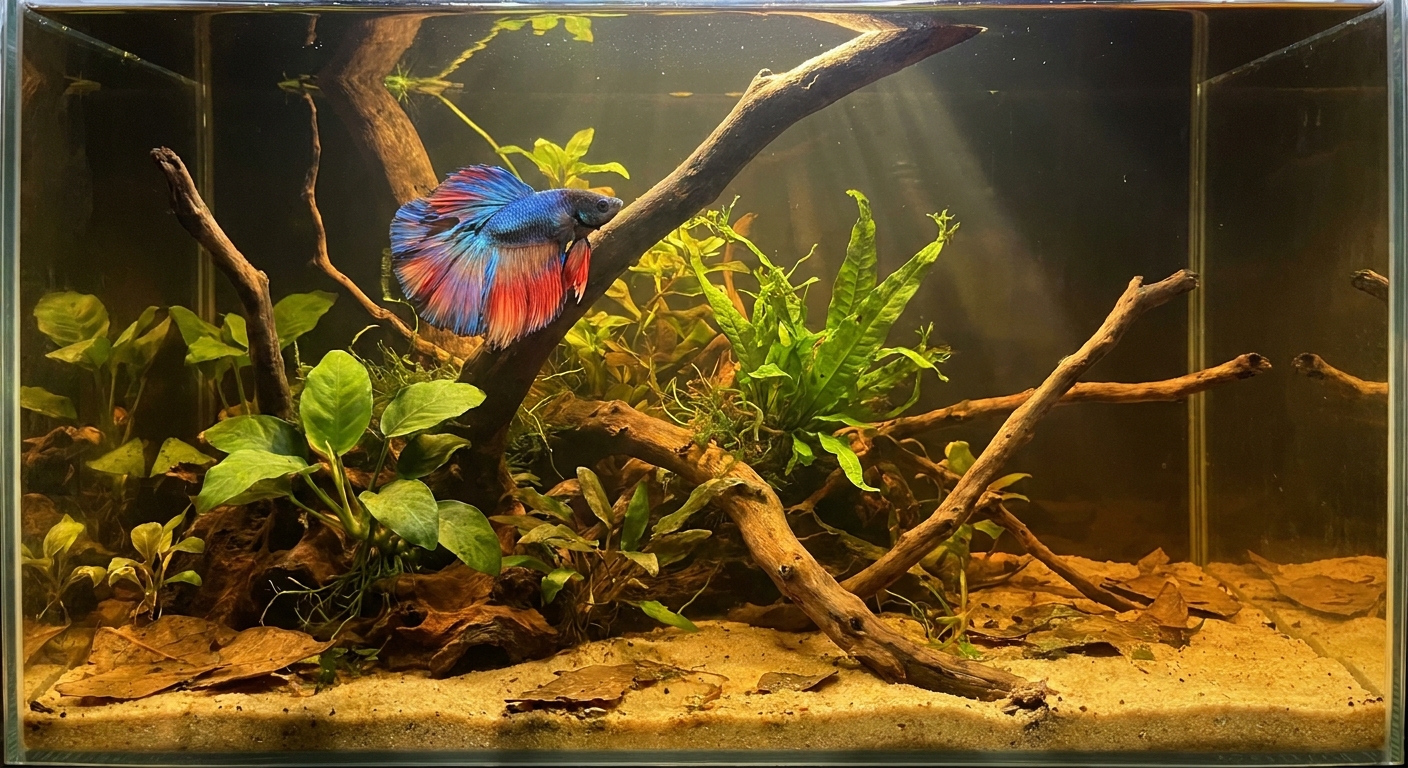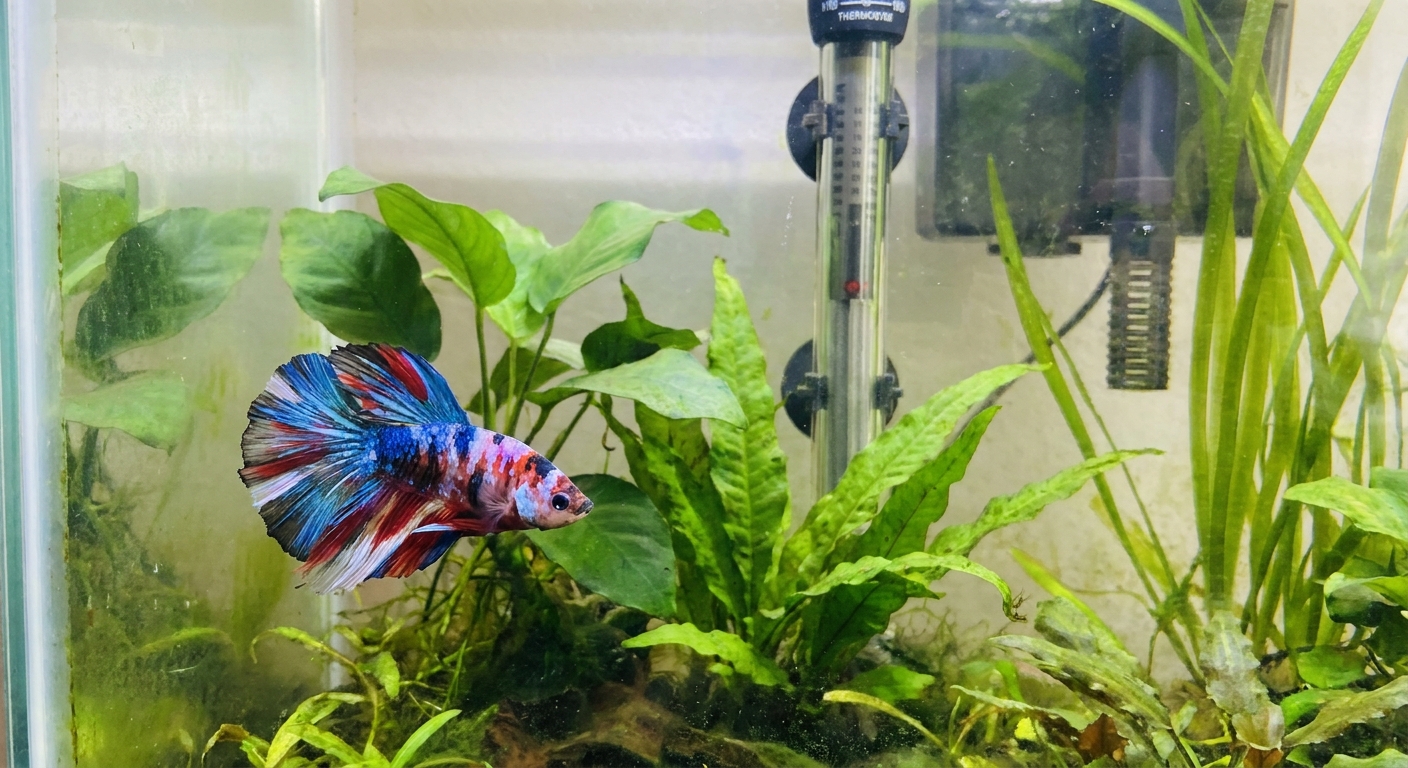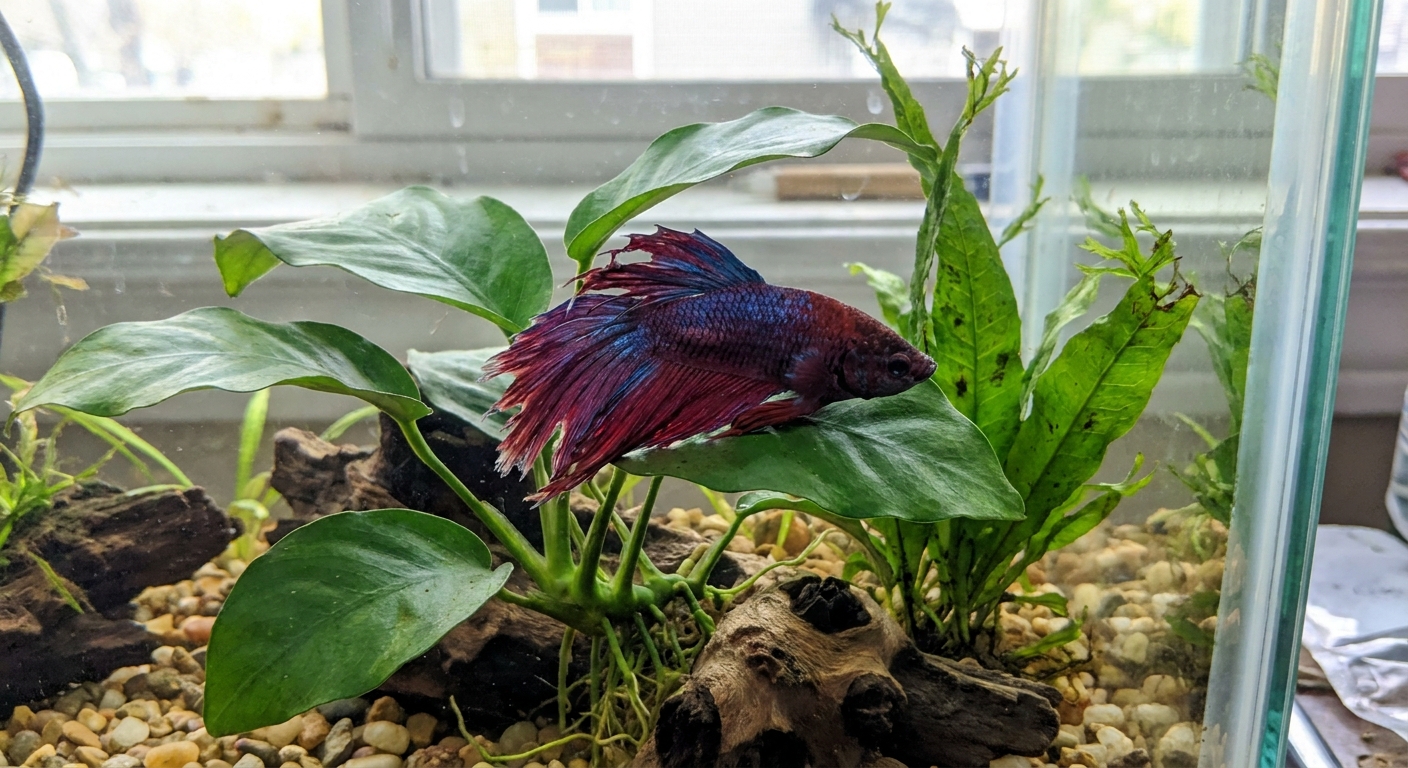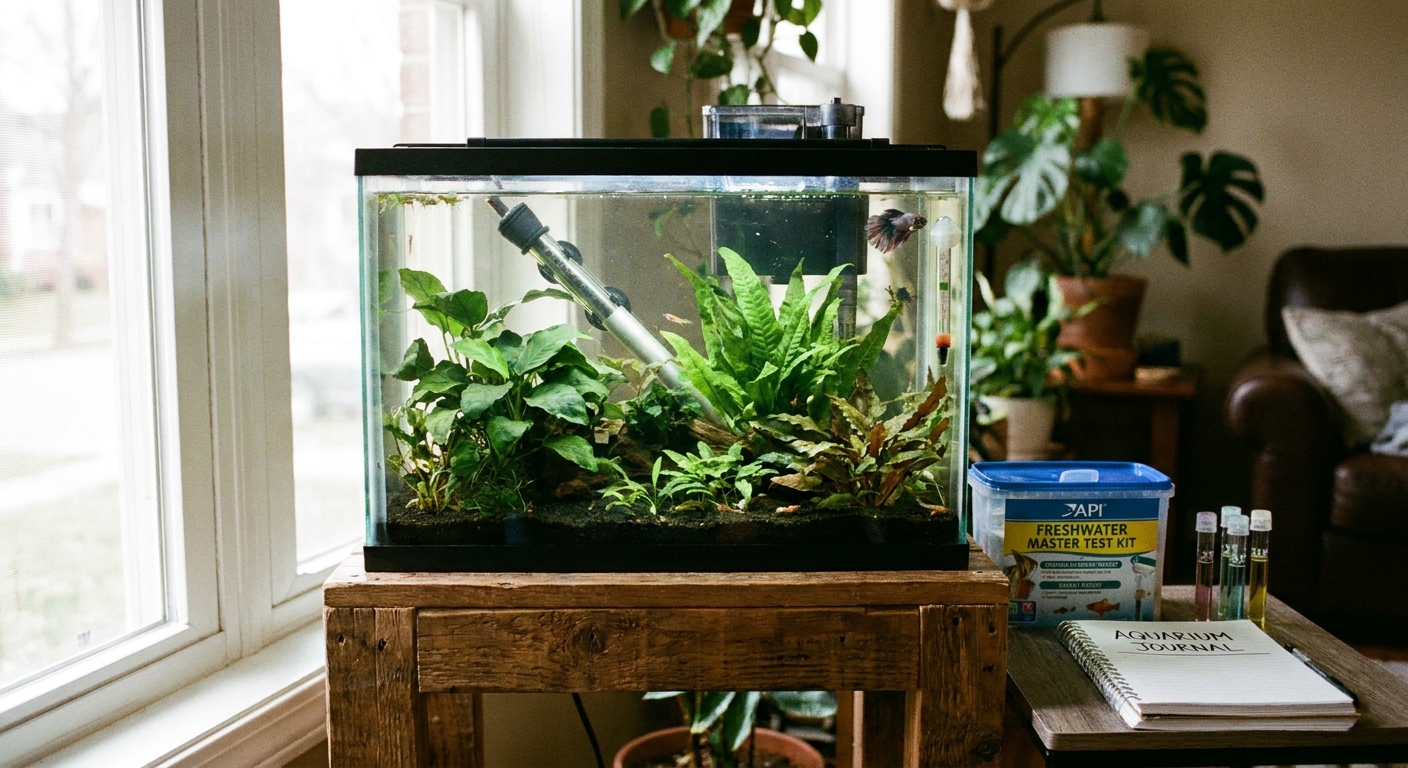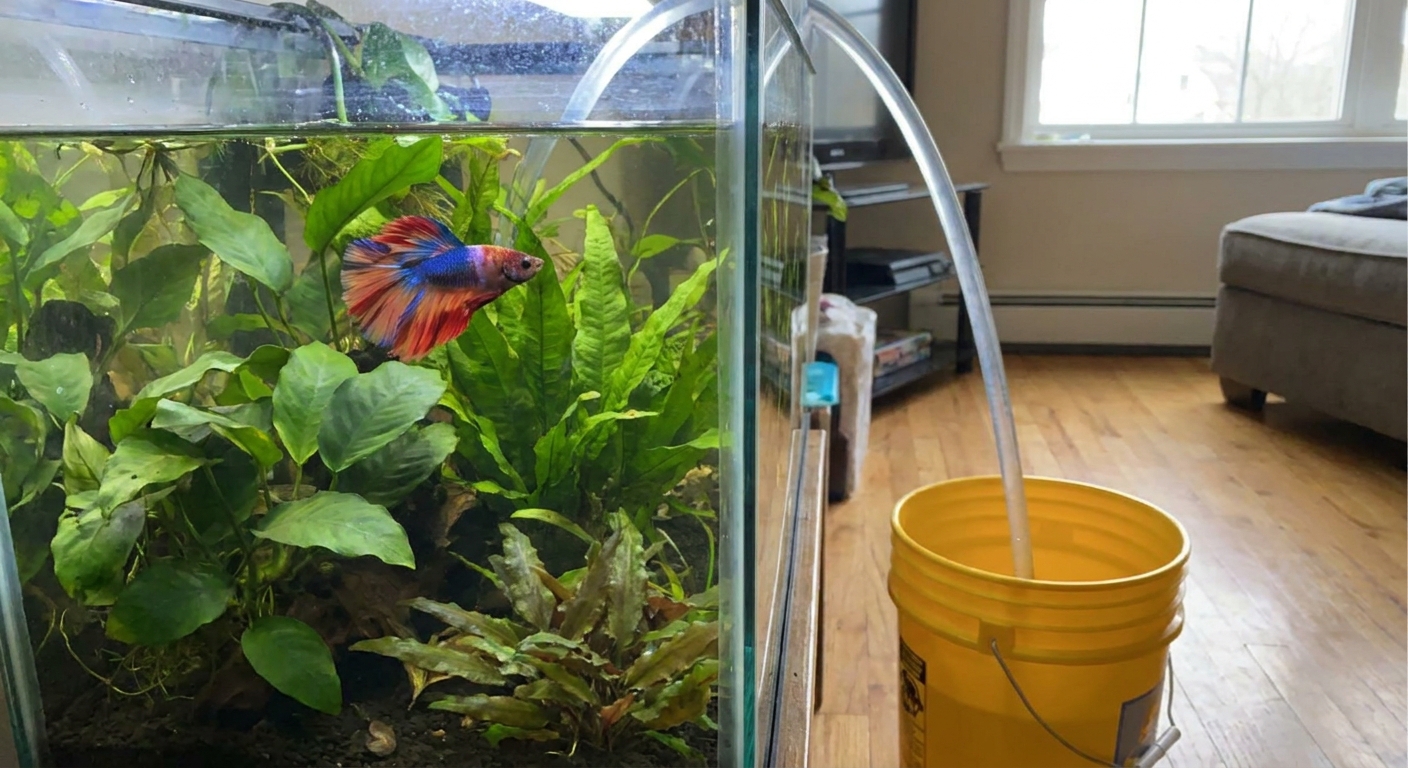
Let’s make your tank the happiest little splash in the house! If you have ever seen betta keepers talk about “blackwater,” you have probably also heard about “tannins” or that cozy tea-colored glow. They are often talking about Indian Almond Leaves, also called catappa. Used thoughtfully, these leaves can be a wonderfully gentle support tool for betta wellness, especially during stress, minor fin damage, and recovery time.
What Indian almond leaves do
Indian Almond Leaves (IAL) slowly break down in water and release natural compounds, especially tannins and other plant-based organics. In aquarium terms, that can mean:
- May lower pH in low-buffer water (results vary by tank)
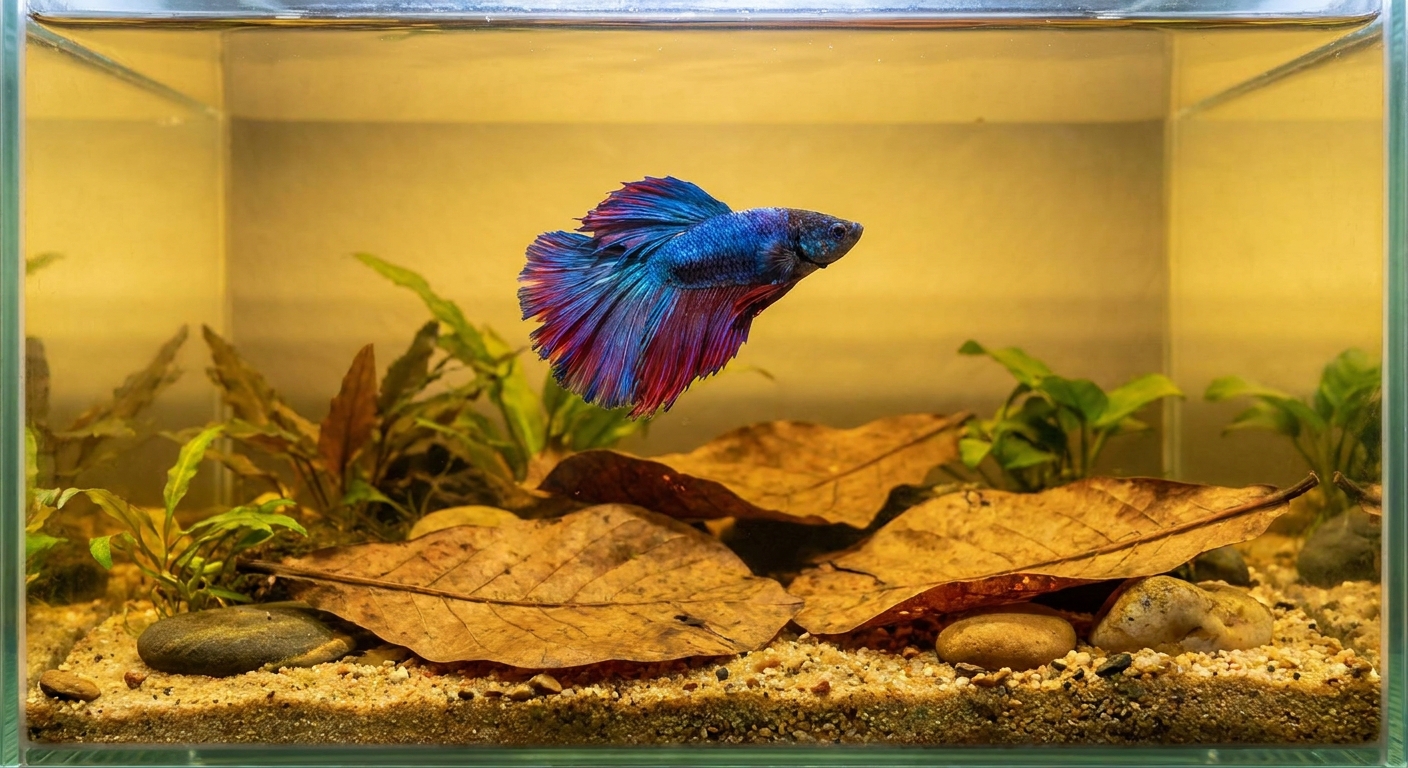
- Creates a “blackwater” effect that can make timid bettas feel safer
- Some keepers report slime coat support and better stress tolerance in tannin-stained tanks
- May have mild antimicrobial effects, but it is not a reliable in-tank treatment
A quick clarity point: IAL can change how the water feels to fish, but they do not reliably or measurably reduce hardness (GH/KH) the way RO water or other methods do.
Think of IAL as environmental support, not a magic cure. Great water quality, stable temperature, and calm surroundings are still the real foundation for healing.
Why tannins can help
1) A calmer environment
Bettas come from habitats filled with leaf litter and stained water. Tannins tint the tank and can soften the overall look of the aquarium, which often helps stressed fish settle. Stress reduction matters because stress can weaken immune response over time.
If your betta is acting jumpy, clamping fins, hiding excessively, or glass surfing, pair IAL with an environment check using 7 Signs of Stress in Betta Fish and How to Fix Their Environment.
2) Small pH shift (sometimes)
Many keepers like IAL because tannins can nudge pH downward. This effect depends heavily on your water’s hardness and buffering capacity (especially KH). In very hard, buffered water, you might see little to no pH change. In softer water, the change can be more noticeable.
Important: Bettas can thrive across a range of pH values if the pH is stable. Chasing a specific number is less helpful than preventing sudden swings.
3) Gentle support for minor fin damage
Indian almond leaves are commonly used alongside clean, warm, stable water when a betta is healing from minor fin tears or recovering from stress. For active fin rot concerns, focus first on proven fundamentals and early action. This guide can help you triage: Fin Rot in Betta Fish: Identify and Treat It.
When they are most useful
IAL can be a great choice when you want supportive conditions, especially in these situations:
- New betta settling in (after proper cycling)
- Post-shipping or post-move stress
- Minor fin nips or small tears (while water quality is kept pristine)
- Recovery support after an illness is improving
- Shy bettas who seem exposed in bright, open tanks
If your tank is brand new, prioritize cycling first. Leaves cannot replace a healthy biofilter. If you need a refresher, swim over to How to Cycle a New Betta Fish Tank.
How to use them safely
Choose betta-safe leaves
- Use leaves sold for aquarium use when possible.
- Avoid anything that may be treated with pesticides, oils, or unknown sprays.
- Skip scented “botanical” products meant for home fragrance.
Rinse, then add gradually
Give the leaf a quick rinse under running water to remove dust. Then start small.
- For a typical 5 to 10 gallon betta tank: start with one small leaf or half of a larger leaf.
- If your betta responds well and parameters stay steady, you can add more later.
There is no single perfect dose because leaf size varies. The safest approach is to tint slowly rather than dump in a lot at once.
Expect changes in the tank
- The water may turn light amber to deep tea-colored.
- The leaf may float for a while, then sink.
- Biofilm can grow on the leaf as it breaks down. This is common and often harmless.
One more heads-up for planted tanks: tannins can reduce light penetration a bit. If your plants seem to slow down, you may need to adjust photoperiod or brightness. This can also tie into overall comfort for your fish, so it is worth reviewing Betta Fish Lighting Requirements.
Keep your routine steady
IAL works best when the rest of the environment is stable and clean. If you are building a consistent schedule, follow Betta Tank Cleaning Routine and Water Change Schedule.
Leaf tea option
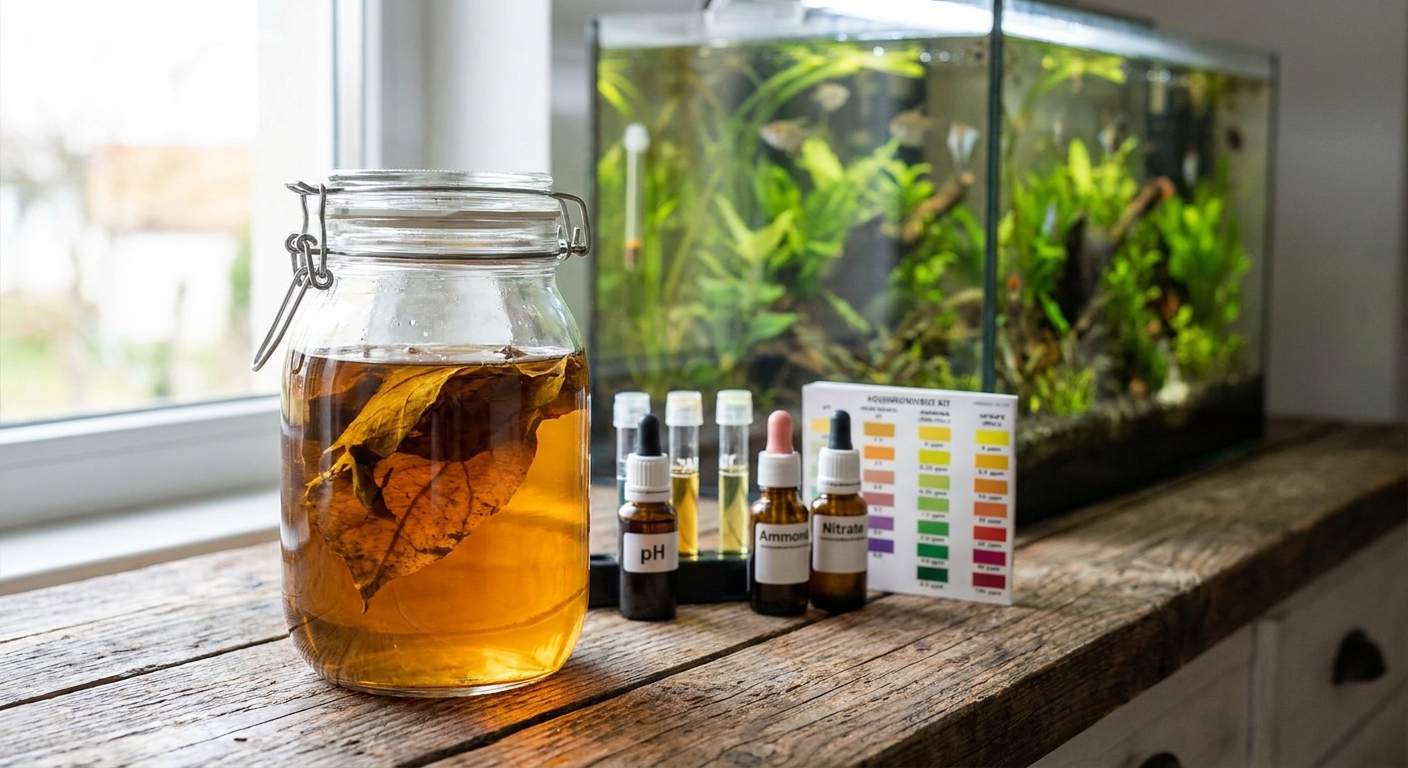
If you want the benefits of tannins without adding lots of decomposing plant material to the tank, you can make a simple “leaf tea” and add it slowly.
- Rinse one Indian almond leaf.
- Use a dedicated, soap-free container that is only used for aquarium tasks.
- Heat dechlorinated water, then pour it over the leaf to steep. (If your water conditioner label warns against adding it to very hot water, dechlorinate after the water cools.)
- Let it steep until the water is amber and fully cooled.
- Add small amounts to the tank over time. Aim for temperature-matched water and test pH if your water is soft.
Do not add hot liquid to the aquarium. Temperature stability is a big part of healing. If you want to tighten up your setup, visit Betta Tank Temperature and Heater Placement.
Watch-outs
Sudden pH shifts
The big risk with botanicals is not “tannins are bad.” It is changing the water too fast. Add leaves gradually and test your pH if your water is soft or if your tank is small. If your water is very low KH, keep an extra-close eye on stability.
Leaves do not fix water quality
If ammonia or nitrite are present, leaves will not solve the underlying problem. Healing starts with a cycled tank and reliable filtration. If you are tuning your equipment, see Choosing the Right Filter for a Betta Tank.
Carbon removes tannins
If you add IAL and the water never darkens, check your filter media. Activated carbon and other chemical media can pull tannins from the water, which is not harmful, but it can be confusing if you were expecting that tea tint.
Too much organic load in small tanks
As leaves break down, they add organic load. In a small aquarium, that can mean more frequent maintenance and closer monitoring of ammonia and nitrite. If you are choosing a tank size, this comparison helps: 5 Gallon vs 10 Gallon Tank for Bettas.
Natural is not the same as treatment
Indian almond leaves can be supportive, but they are not a guaranteed treatment for infections, parasites, or advanced fin rot. If your betta is rapidly declining, struggling to swim, or refusing food for multiple days, focus on immediate environment correction and targeted care steps. This troubleshooting guide can help you narrow down what is happening: Why Is My Betta Fish Not Eating? 8 Common Causes and Solutions.
Signs your betta likes it
Bettas cannot send a thank-you note, but they do show comfort. Good signs include:
- More relaxed swimming and less frantic pacing
- Better appetite and stronger interest in food
- Less hiding and more curious exploration
- Smoother fin posture (less clamping)
- Steadier breathing at rest
If you see lethargy, unusual gasping, or sudden behavior changes, pause additions and test water parameters right away.
FAQ
Do Indian almond leaves cure fin rot?
They can support a healing environment, but fin rot is usually tied to water quality, stress, and sometimes infection. Use IAL as an extra comfort layer while you address the core cause. For step-by-step help, use this fin rot guide.
Will Indian almond leaves always lower pH?
No. The pH effect depends on your water’s hardness and buffering (KH). In some tanks the change is minimal. Stability matters more than chasing a specific pH number.
Do Indian almond leaves soften water?
Not in a reliable, measurable way. They do not consistently reduce GH or KH. What they can do is add tannins and other organics that change the water’s chemistry and appearance in ways many bettas seem to find calming.
Can I leave the leaf in the tank until it fully breaks down?
Yes, many keepers do. If the leaf starts to get messy or you notice rising waste and extra debris, remove it and replace later. In smaller tanks, replacing sooner can keep maintenance simpler.
Are tannins safe for bettas?
In typical aquarium amounts, tannins are generally considered betta-friendly. The main safety rule is to add them slowly and keep the tank clean and stable.
A cozy boost
Indian almond leaves are one of my favorite “gentle helpers” in the betta world because they encourage what bettas love most: a calmer, more natural-feeling home. Combine tannins with warm, clean, cycled water, and you give your finned friend the best possible backdrop for bouncing back.
If you want more everyday wellness tips, glide through the Health & Wellness section for more care notes.