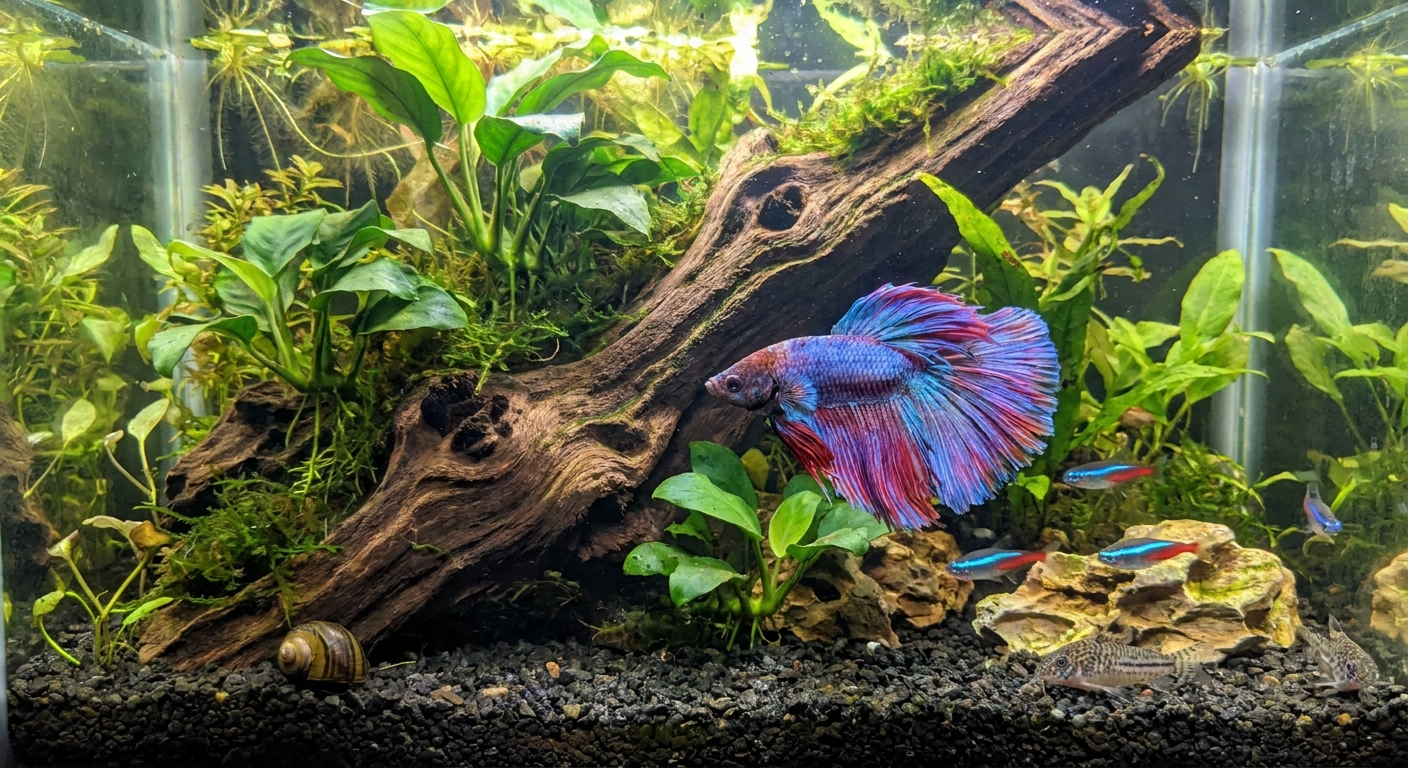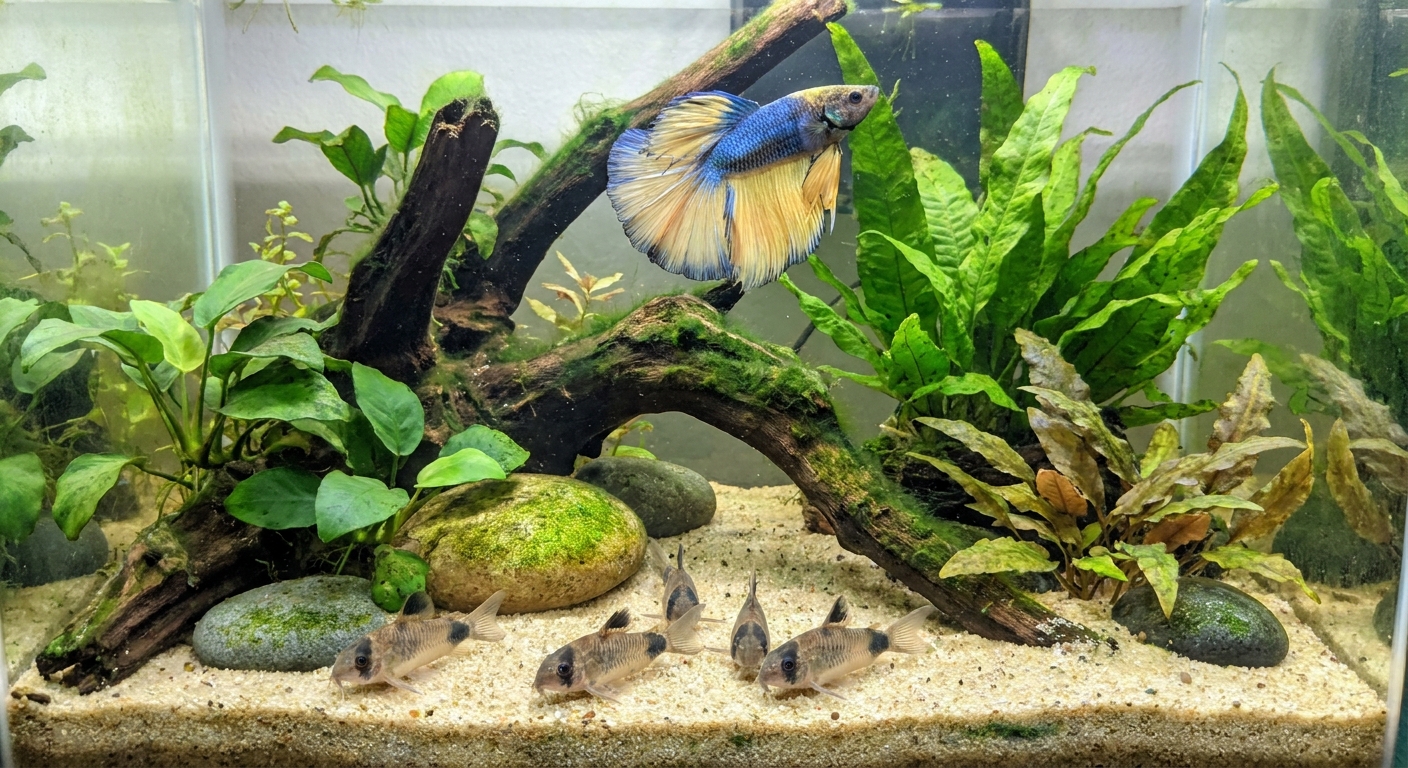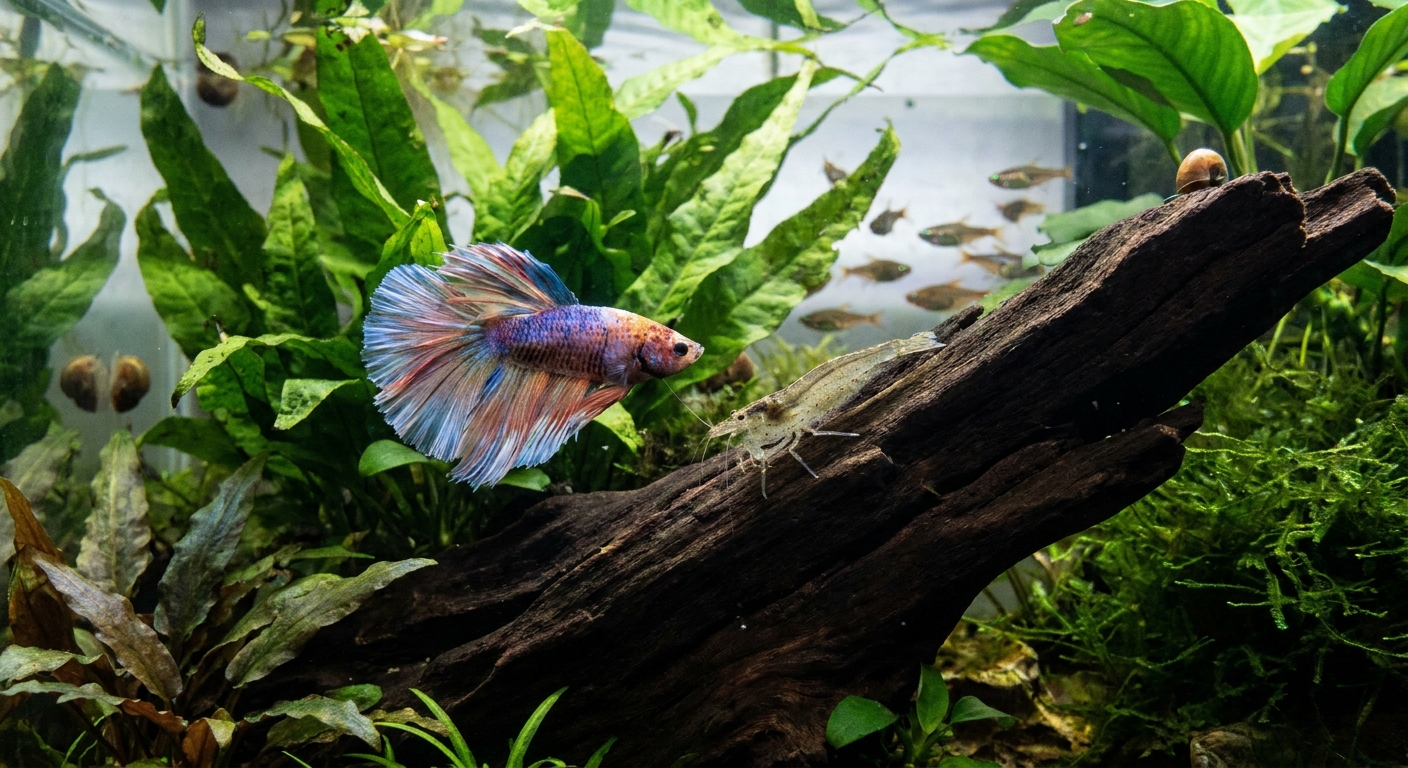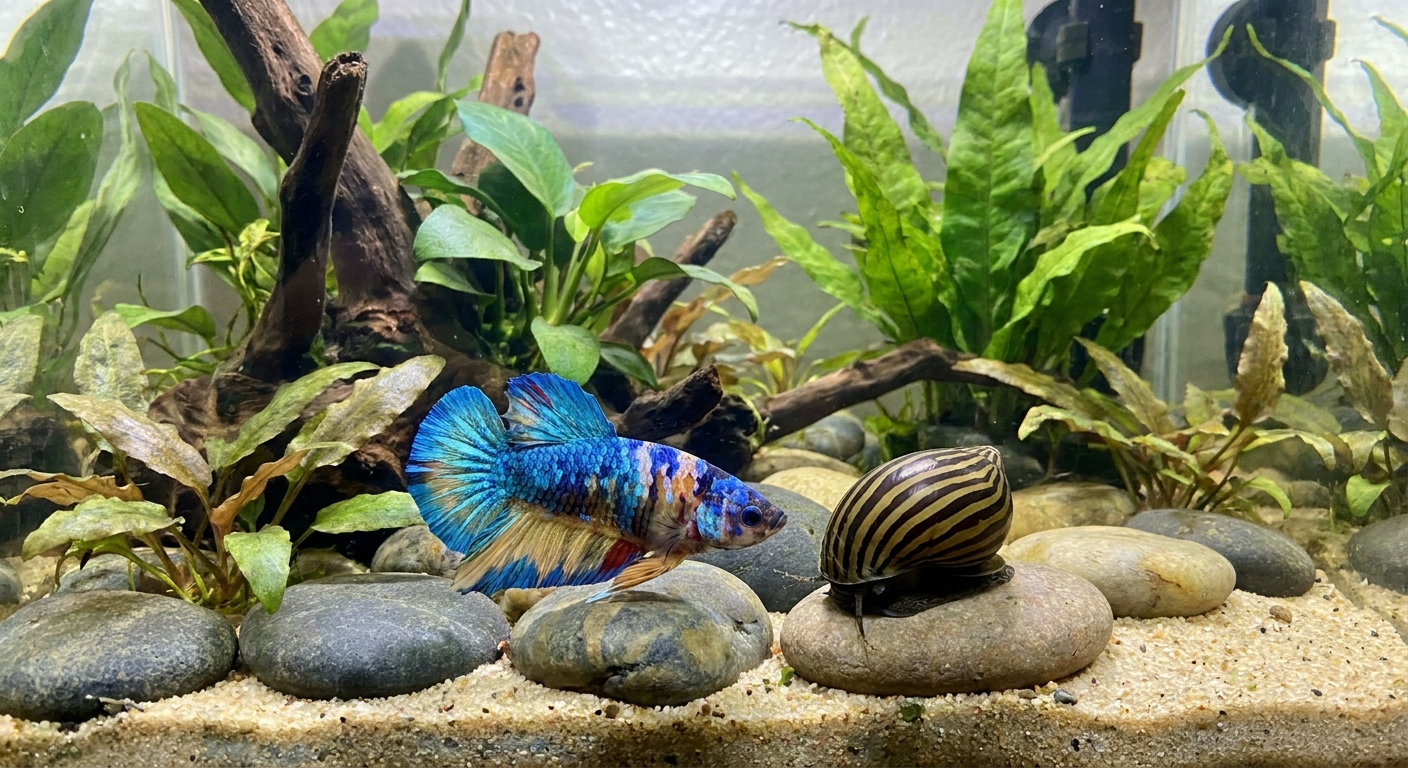
Let’s make your tank the happiest little splash in the house! If you love the idea of a betta with a lively little school of neighbors, the trick is choosing fish that are peaceful, fast enough to avoid drama, and unlikely to fixate on those gorgeous flowing fins.
One important bubble of truth: there is no such thing as a 100% guaranteed betta tank mate. Bettas have big personalities, and even “safe” fish can stress a betta if the tank is small, bare, or too busy. The schooling fish below are some of the more commonly recommended options when you want calm movement without fin-nipping, but a few of them really prefer bigger tanks than people expect.
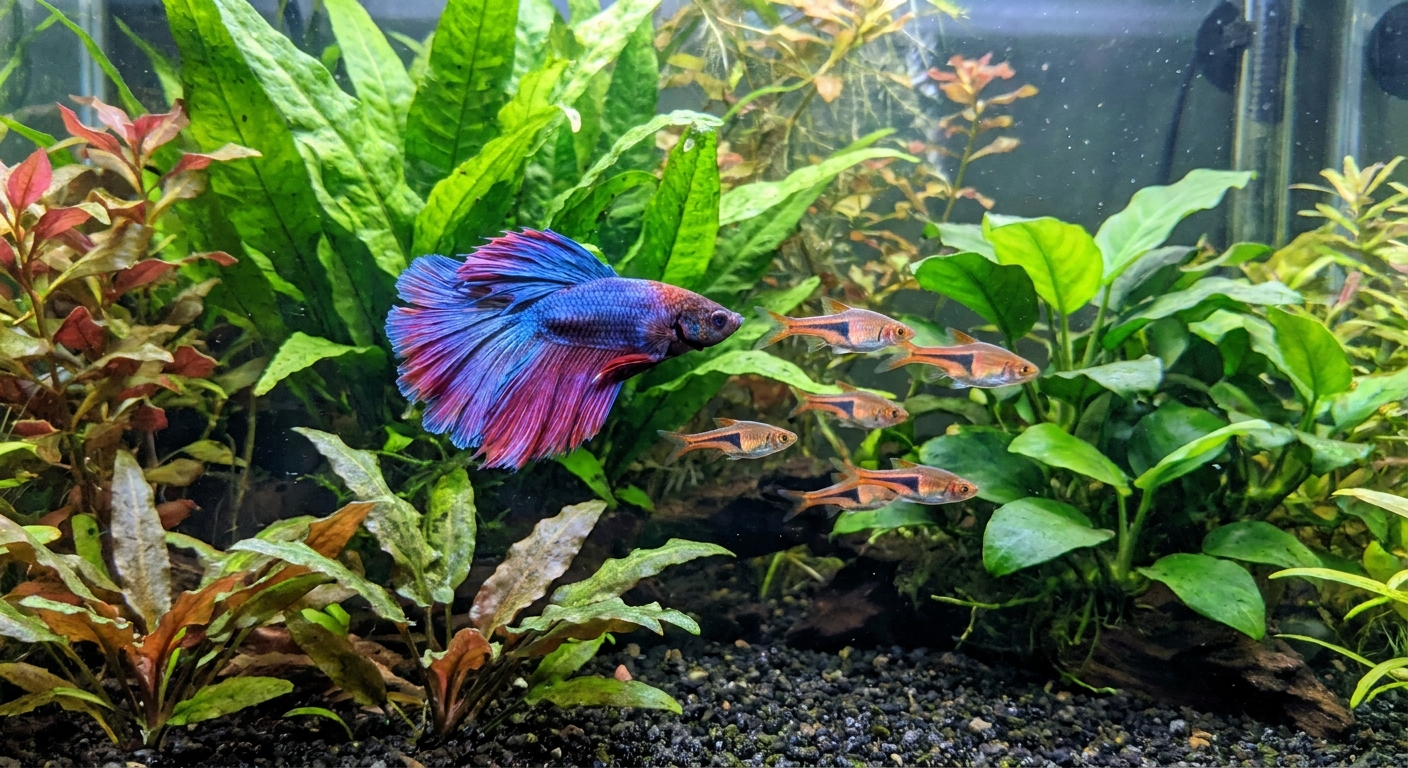
Before you pick tank mates
A peaceful school is much easier to pull off when the environment is set up for harmony.
Non-negotiables for a betta community
- Tank size: A 10 gallon is a much safer starting point than a 5 gallon for most schooling fish. That said, several popular schooling species are happier in 15 to 20 gallons or larger because they are active, sensitive, or simply need more swimming length. Also, try not to cram a full-size school plus a betta into a 10 gallon unless you pick a truly small species and keep the tank heavily planted with a solid maintenance routine. If you are deciding between sizes, see 5-gallon vs 10-gallon tank for bettas.
- Cycled filter and stable water: Schooling fish are often sensitive to ammonia and nitrite, and stress can make a betta more reactive. If you are starting fresh, follow how to cycle a new betta fish tank.
- Heater and steady temperature: Bettas typically do best around 78 to 82°F. Most warm-water schooling fish can meet them there, but a couple (like neons and celestial pearl danios) are the “temperature compromise” picks. In practice, that means you may be aiming for a middle ground, watching closely for stress, and choosing a different species if either side looks uncomfortable long-term. For placement tips, read betta tank temperature and heater placement.
- Hiding and sight breaks: Plants, wood, and caves reduce staring contests and help schooling fish feel secure. Ideas here: 7 essential tank decorations for betta hiding spots and enrichment and live vs silk plants for bettas.
- Gentle flow: Bettas prefer calmer water. Choose a filter that does not create a constant current. Help here: choosing the right filter for a betta tank.
- Quarantine when you can: If possible, quarantine new schooling fish for 2 to 4 weeks before adding them to your betta’s tank. It helps prevent surprise outbreaks like ich. If you do run into illness, this can help: ich in betta fish: signs, treatment, and tank cleanup.
Community warning signs
If your betta is not thriving after adding tank mates, act early. Common red flags include glass surfing, clamped fins, hiding all day, faded color, and refusing food. This guide can help you spot stress fast: 7 signs of stress in betta fish and how to fix their environment.
7 peaceful schooling fish that can work with bettas
For each fish, aim to keep a proper school. As a practical rule, that usually means 6 to 10+ depending on the species and your tank’s swimming length. Tiny groups often act nervy and nippy, while a real school tends to settle down and focus on each other.
1) Ember Tetras (Hyphessobrycon amandae)
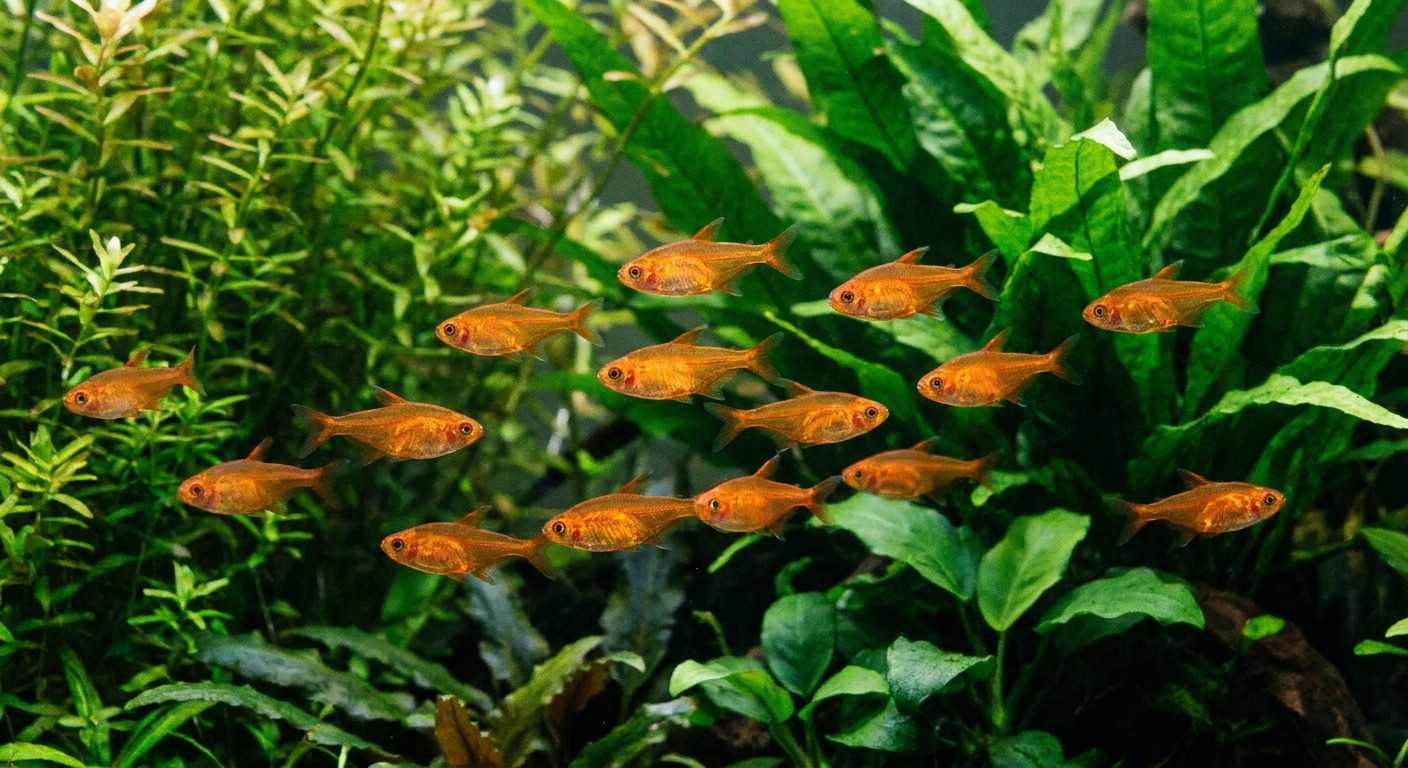
Ember tetras are tiny, warm-toned, and usually more interested in their own group than in a betta’s fins. Their small size helps, but their behavior is still shaped most by stress level, space, and whether they have a true school.
- Recommended tank: 10 gallons+ (better in 15+ if you want a bigger school and heavier planting).
- Group size: 8 to 12 is a sweet spot in most setups.
- Why they can be good: Peaceful temperament, tends to keep to midwater and plants.
- Best setup: Heavily planted midwater with gentle flow.
- Keep in mind: Because they are small, they can be intimidated by a very pushy betta. Provide thick plants so they feel secure.
2) Harlequin Rasboras (Trigonostigma heteromorpha)
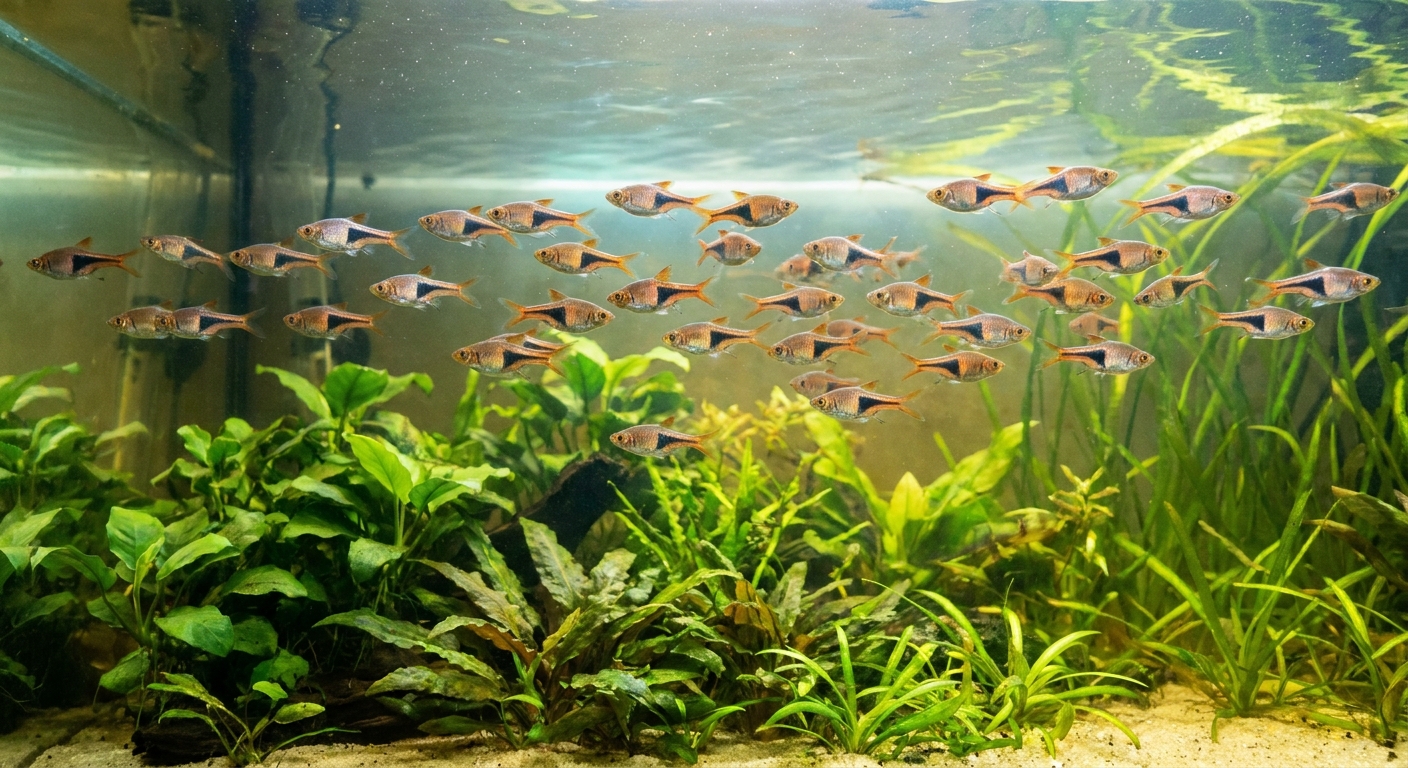
Harlequin rasboras are classic community fish: peaceful, active, and usually more likely to zoom past a betta than pick on it. They still need room to move, though, and they look and act their best with swimming length.
- Recommended tank: 15 gallons+ (often best in 20 gallons+).
- Group size: 6 to 10 (go larger in bigger tanks).
- Why they can be good: Calm demeanor, schooling nature, generally fin-safe in the right space.
- Best setup: Open swimming space plus plant thickets for breaks.
- Keep in mind: They appreciate stable, clean water. Stay consistent with maintenance using a routine like this tank cleaning and water change schedule.
3) Chili Rasboras (Boraras brigittae)
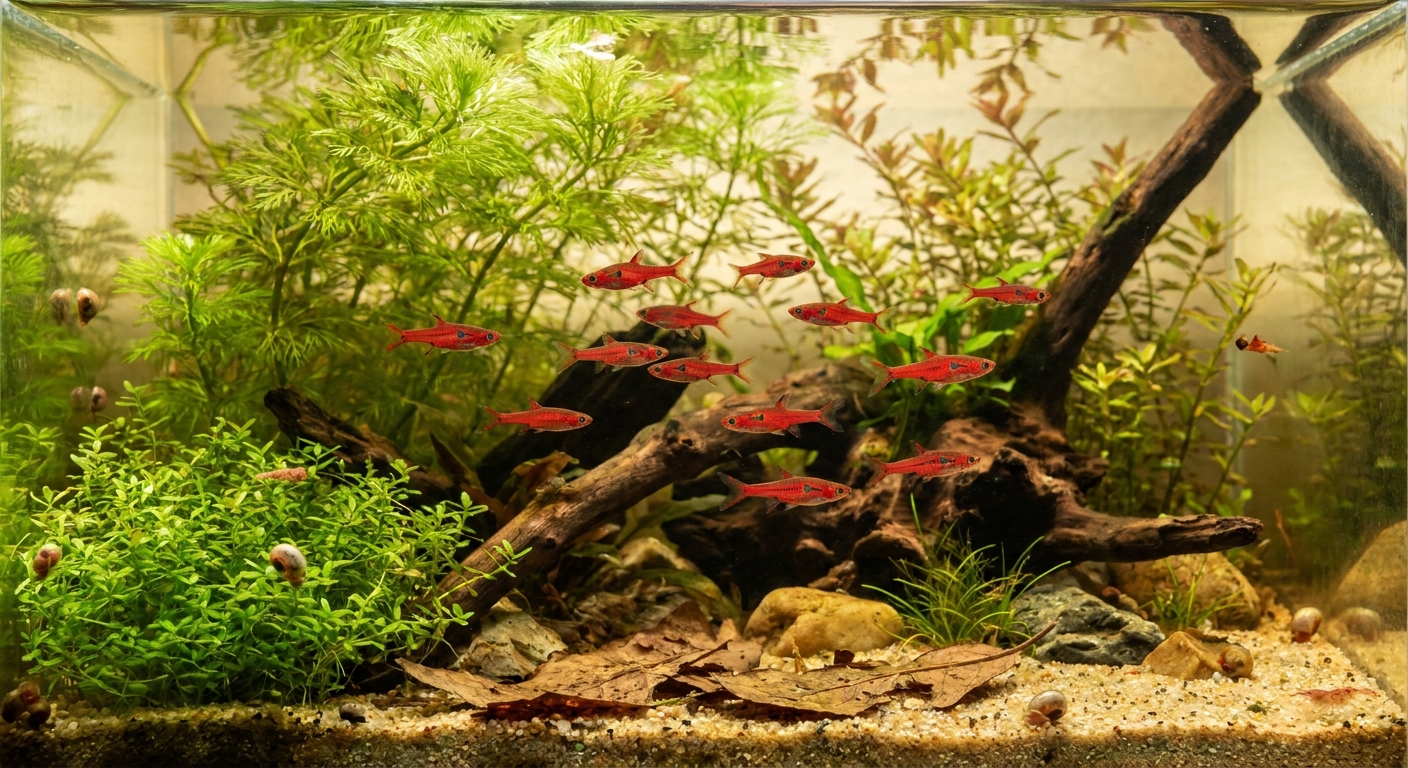
Chili rasboras are tiny sparkles of red that look amazing in planted aquariums. They are usually peaceful and shy, and they do best when they feel safe in numbers.
- Recommended tank: For a betta community, plan on 10 gallons+ so everyone has room to settle and you can keep water quality stable.
- Group size: 10 to 15 if the tank size and filtration can support it.
- Why they can be good: Very peaceful, tends to avoid conflict.
- Best setup: Dense plants, darker substrate, gentle lighting and flow.
- Keep in mind: Their tiny size means they are not a great match for a betta that is highly predatory or constantly hunting. They can also get outcompeted at mealtime, so offer micro foods, feed in more than one spot, and make sure some food reaches the plantier areas where they like to hover.
4) Neon Tetras (Paracheirodon innesi)
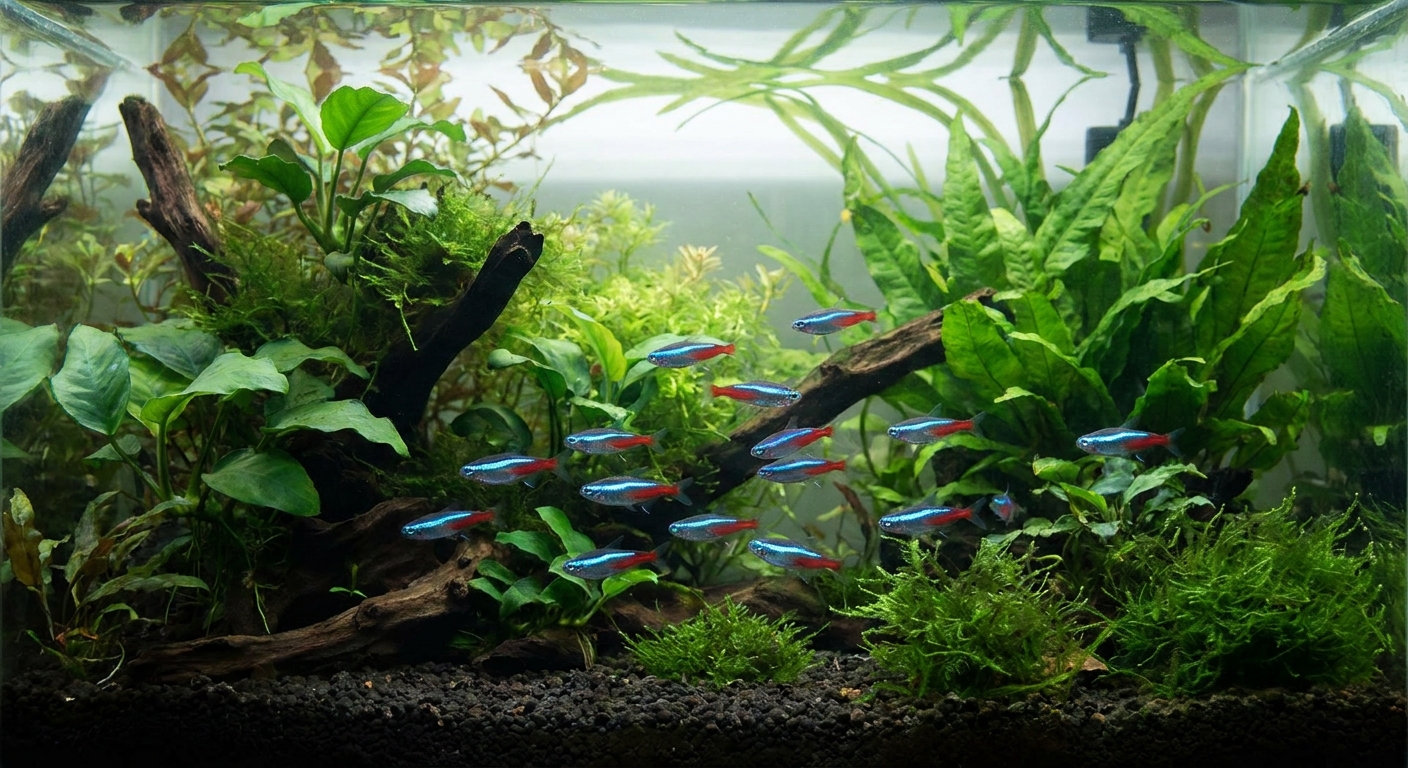
Neon tetras can work in some betta community tanks, but they are one of the riskier can-work options. In smaller or sparse tanks, neons can become nippy, and they are often kept a bit cooler than many bettas prefer.
- Recommended tank: 20 gallons+ for the best odds with a betta.
- Group size: 10+ helps reduce stressy behavior.
- Why they can be good: Schooling, quick, usually focuses on their group in a roomy tank.
- Best setup: A larger, well-established tank with stable parameters, dense planting, and sight breaks.
- Keep in mind: Temperature is the big compromise. Bettas are happiest around 78 to 82°F, while neons are often kept cooler. If your betta thrives at the warmer end, choose a warmer-leaning schooling fish instead. Also, if you see chasing or frayed fins, be ready to separate quickly.
5) Rummy Nose Tetras (Hemigrammus rhodostomus)
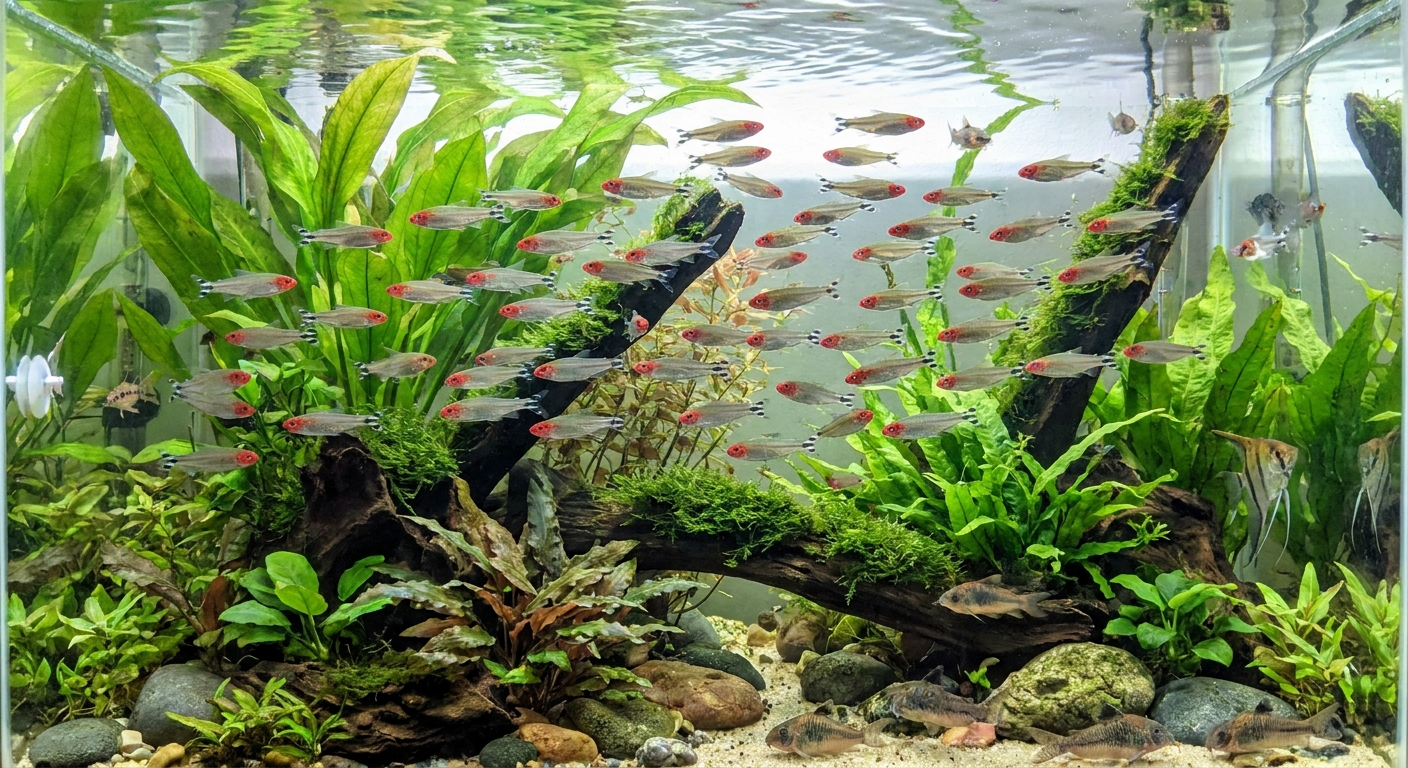
Rummy nose tetras are famous for schooling tightly. That “stick together” behavior can reduce random nipping because they tend to focus on their group and on cruising the tank. The catch is that they are sensitive fish that typically do best in larger, mature tanks.
- Recommended tank: 20 gallons+ (not a great pick for a 10 gallon betta tank).
- Group size: 8 to 12.
- Why they can be good: Strong schooling instinct, typically peaceful in stable conditions.
- Best setup: Plenty of midwater swimming room and very stable water quality.
- Keep in mind: They can struggle with swings in water quality, so they do best in established tanks with consistent maintenance.
6) Celestial Pearl Danios (Danio margaritatus)
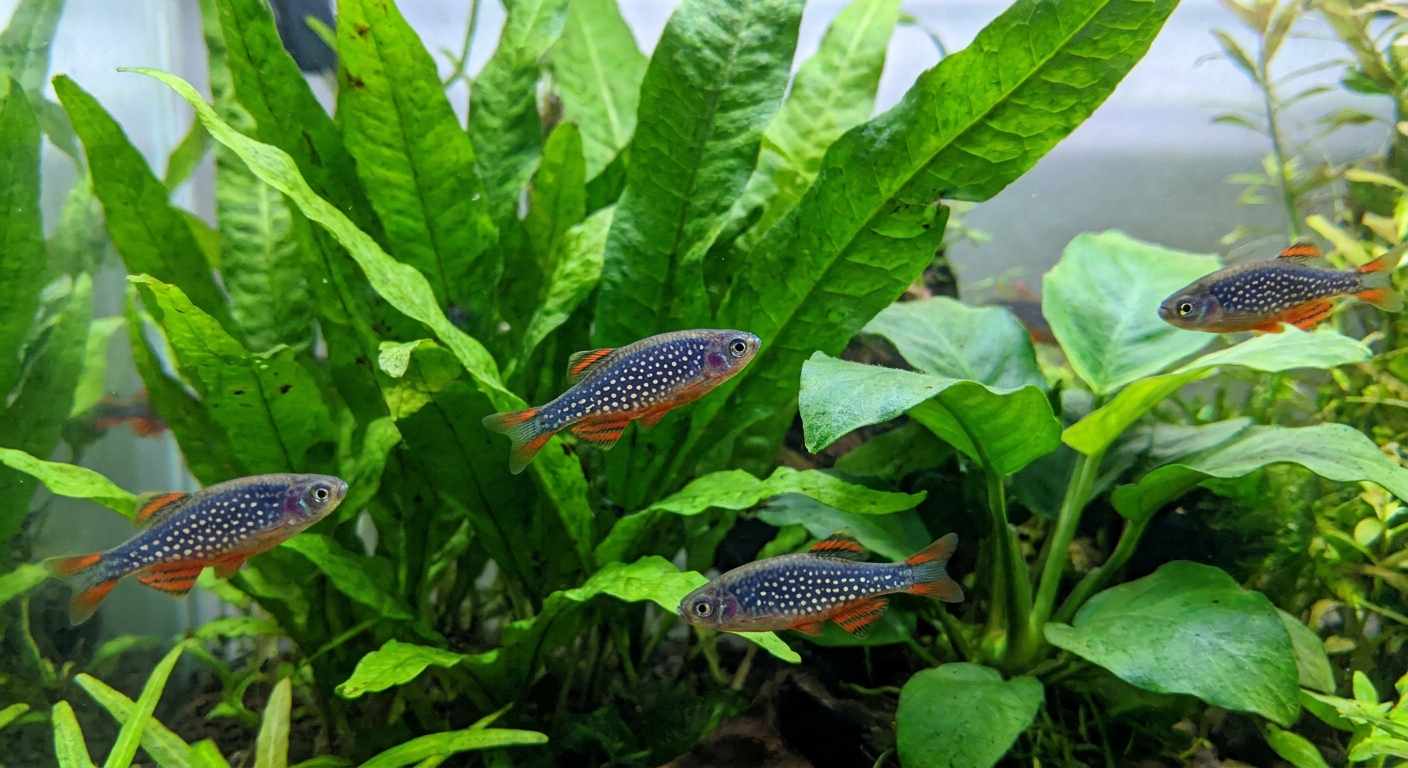
Celestial pearl danios, often called CPDs or galaxy rasboras, are generally peaceful and spend a lot of time weaving in and out of plants. Their style is more “hover and dart” than “chase and nip.”
- Recommended tank: 10 gallons+ (15+ is even easier for everyone).
- Group size: 8 to 12.
- Why they can be good: Peaceful, small-mouthed, looks great in planted layouts.
- Best setup: Lots of plant cover and calm flow so the betta is not constantly buffeted.
- Keep in mind: Temperature compatibility is the big note here. Bettas commonly do best around 78 to 82°F, while many keep CPDs cooler. Some will tolerate warmer water, but long-term warmer temps can mean more skittishness or a shorter lifespan depending on the line. Watch behavior closely and be ready to pivot. Also, CPDs can be shy eaters, so offer small foods and feed in multiple spots.
7) Black Neon Tetras (Hyphessobrycon herbertaxelrodi)
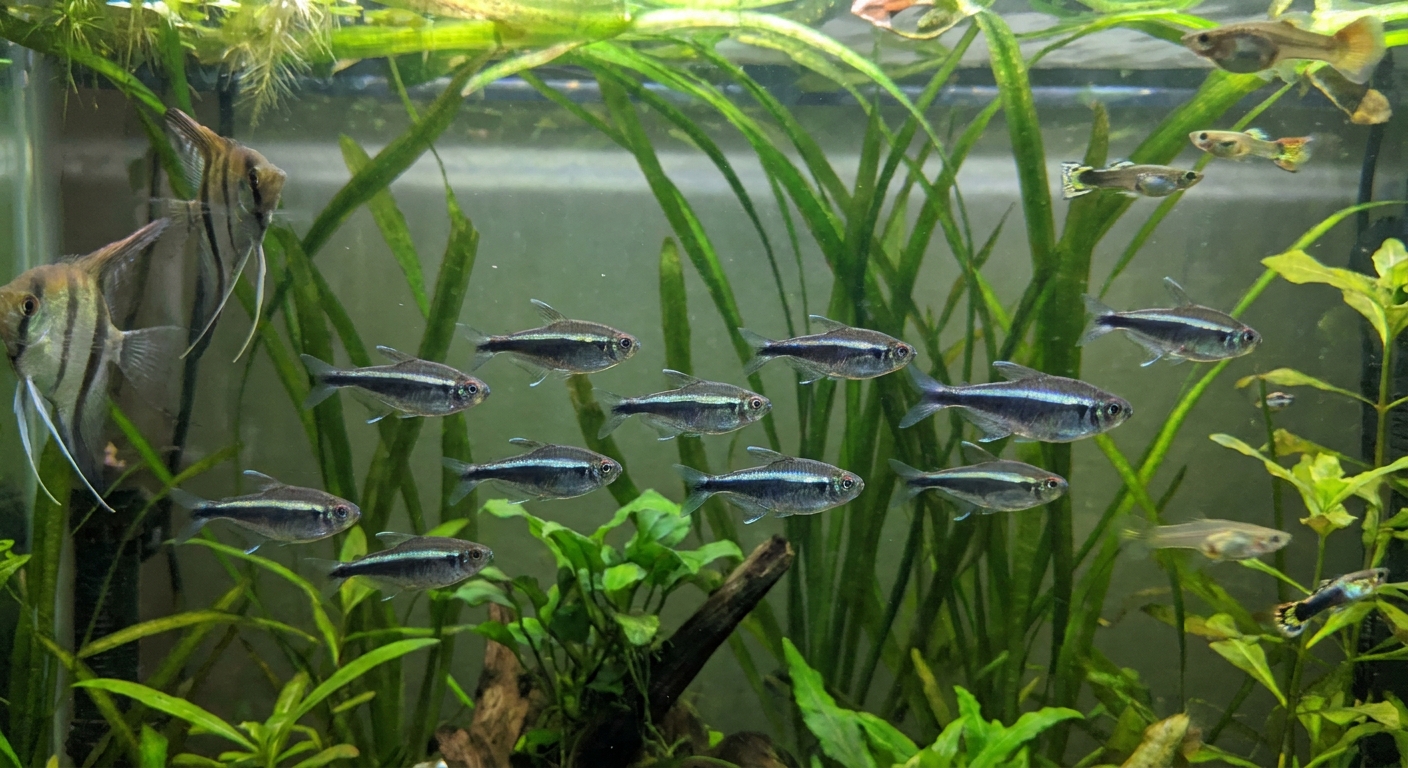
Black neon tetras are often a little sturdier than some tiny tetras and can be a calmer choice than more high-strung species. In a school, they typically stay midwater and move as a group.
- Recommended tank: 15 gallons+ (often best in 20 gallons+).
- Group size: 8 to 12.
- Why they can be good: Generally peaceful, schooling, not as notorious for nipping as some tetra types.
- Best setup: Midwater room to school plus plants and wood to break lines of sight.
- Keep in mind: Any tetra may nip if cramped, stressed, or under-schooled. Size and layout matter more than the name on the label.
How to introduce schooling fish
A smooth introduction is all about lowering territorial behavior and keeping stress low.
- Quarantine first when possible. A short quarantine period (often 2 to 4 weeks) can prevent you from accidentally adding parasites or disease to your betta’s home.
- Add the school first when possible. If the betta is not already established, letting the schooling fish settle in first can reduce “this is my entire kingdom” behavior.
- Rearrange decor before introduction. Shifting plants and hides breaks up territory lines and gives everyone fresh options.
- Feed the betta before release. A hungry betta can be extra feisty.
- Use dim lighting for the first few hours. Lower light helps fish relax and explore without immediate standoffs. For lighting basics, see betta fish lighting requirements.
- Consider an acclimation box for spicy bettas. If your betta is a known drama king, using a clear breeder box or acclimation box for short, supervised sessions can help everyone see each other without contact.
- Watch closely for 48 hours. Then keep checking daily for the first 1 to 2 weeks, because delayed chasing and fin-nipping can show up after the novelty wears off.
Feeding tip: In a community tank, a betta is often a speedy surface eater while tiny schooling fish may hang back. Use smaller foods, feed a little at a time, and drop a portion near plant cover so shy fish get a fair shot. If you want ideas for betta-friendly foods that also work well in communities, see 7 best frozen and live foods for betta color and vitality.
If your betta stops eating after changes, work through these common causes: why is my betta fish not eating?
When not to do it
Even peaceful schooling fish are not the right move in every tank. Consider skipping schooling tank mates if:
- Your tank is under 10 gallons, especially if you want a full school.
- Your betta already shows intense aggression toward any moving shape.
- The tank is sparse with few plants and hiding spots.
- You cannot quarantine new fish, or you do not have a backup plan if separation is needed.
- You have a long-finned betta and you are choosing a species with any history of fin curiosity. Long fins can be a tempting target.
- You have a short-finned plakat betta that acts like a tiny torpedo. They can be more likely to chase, even if the other fish are peaceful. In many cases, plakats do better with extra space.
- You are counting on a “female betta” being automatically gentle. Some girls are total sweethearts, and some are tiny bosses. Personality wins every time.
If you ever need a temporary separation space for illness or bullying injuries, keep this bookmarked: how to set up a hospital tank.
Quick FAQ
How many schooling fish should I get?
Most schooling species behave best in groups of 6+, and often 8 to 12 is even better if the tank size supports it. A too-small group is one of the biggest causes of stress, chasing, and occasional fin-nipping. If you are trying to keep a school in a 10 gallon, stick to the truly small, calm species and avoid overstocking.
Can I keep tetras with a long-finned betta?
Sometimes, yes, but it depends on tank size, plant cover, and the individuals involved. Long fins can tempt curious fish. Choose calmer tetra species, keep a proper school, and watch for frayed fins or repeated chasing.
What if my betta starts chasing?
First, add more sight breaks and hiding spots and reduce reflections. If chasing continues or any fish is getting pinned in corners, separate. Chronic stress can lead to illness and fin damage.
A calm community takes planning
The best betta communities are designed around space, cover, and stable water, then finished with carefully chosen fish. Start with a roomy, cycled tank, add plants like you mean it, and choose a schooling species that fits your tank size and your betta’s personality.
If you want more compatibility guidance for other tank mates and general community planning, swim over to Tank Mates & Compatibility.