Let’s make your tank the happiest little splash in the house. Corydoras catfish and betta fish can work together beautifully, but only when the setup protects everyone’s comfort zones. Bettas often prefer the mid to top water, corys cruise the bottom, and that natural separation is exactly why this combo can be so charming when done thoughtfully.
Quick compatibility snapshot
Corydoras are peaceful, social bottom dwellers. Bettas are curious, territorial, and sometimes bossy. That means compatibility is less about personality stereotypes and more about giving each fish what it needs: space, cover, calm water, and predictable routines.
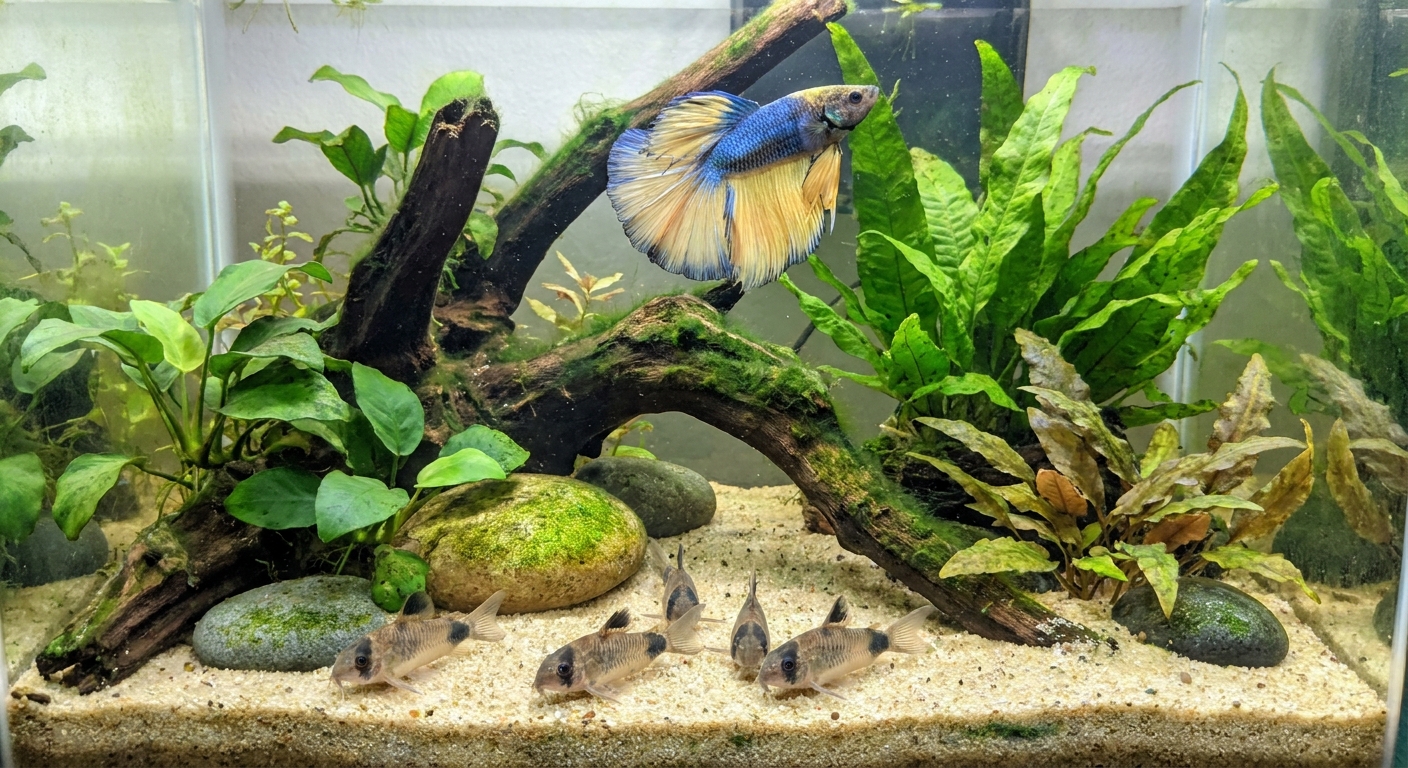
- Best case: A relaxed betta in a well planted tank with a proper cory group and lots of floor space.
- Risk factors: Small tanks, bare setups, sharp substrate, fast currents, or a betta that fixates and chases.
- Bottom line: This pairing is often doable, but it should never be forced. Always have a backup plan to separate fish if needed.
Tank size: go bigger than the minimum
Corydoras need a surprising amount of bottom area because they forage, scoot, and shoal across the floor. Bettas do best when their territory does not feel crowded. Those needs overlap in one simple recommendation: more space reduces drama.
- Comfortable starting point: 10 gallons can work for a betta plus a small cory species (like pygmy or hastatus), especially in a longer footprint tank.
- Even better: 15 to 20 gallons if you want a fuller cory group, a more stable tank, or a standard sized cory species.
- Not recommended: 5 gallons for this pairing. A 5 gallon is fantastic for a solo betta, but it is tight for a social cory group.
If you are still choosing a tank size for your betta’s long-term home, this guide helps you weigh the tradeoffs: /5-gallon-vs-10-gallon-tank-for-bettas/.
Choose the right corydoras species
Most commonly kept corys are peaceful, but they are not identical. The most betta friendly picks are smaller, calmer species that can comfortably share warmer community temperatures.
Often a great match
- Pygmy cory (Corydoras pygmaeus): Tiny, gentle, and sometimes hovers midwater. Needs a solid group size to feel safe.
- Hastatus cory (Corydoras hastatus): Another small species with a calm vibe.
Use extra caution
- Panda cory (Corydoras panda): Popular and generally peaceful, but it is commonly recommended cooler than typical betta temperatures. Keeping panda corys at the warmer end long-term can increase stress and may shorten lifespan, so many keepers choose a warmer tolerant cory species instead.
- Larger, chunkier cory species: Still peaceful, but need more footprint, create more waste, and can overwhelm a timid betta simply by being big and busy.
- Any cory in too small a group: A stressed group gets skittish and dart-y, which can trigger a betta’s chasing instinct.
Whenever possible, keep a proper same-species cory group. Mixed species cory tanks can work, but same-species groups tend to be more confident and cohesive.
Group size: a common reason this fails
Corydoras are social. A lonely trio often acts nervous, hides constantly, or darts around when startled. That jittery movement is exactly what some bettas interpret as “chase me.”
- Minimum group size: 6 of the same cory species.
- Better: 8 to 12 if your tank footprint and filtration can handle it.
If your tank cannot support a proper cory group, it is kinder to skip corys and choose a different plan for the bottom zone.
Water parameters for both fish
Bettas and many common cory species overlap nicely on water chemistry, but pay close attention to temperature and stability. Corys dislike sudden swings, and bettas do not thrive in chilly water.
- Temperature: Choose a species, then set the tank to match the overlap. Many warm tolerant cory setups do well around 76 to 78 F. Bettas are often happiest around 78 to 80 F, which is another reason to pick warm tolerant corys if you want true betta temps.
- pH and hardness: Stability matters more than chasing a perfect number. As a beginner friendly target, many do well in a pH roughly in the 6.5 to 7.5 range with moderate hardness, as long as it stays steady.
- Ammonia and nitrite: Always 0.
- Nitrate: Keep low with consistent maintenance.
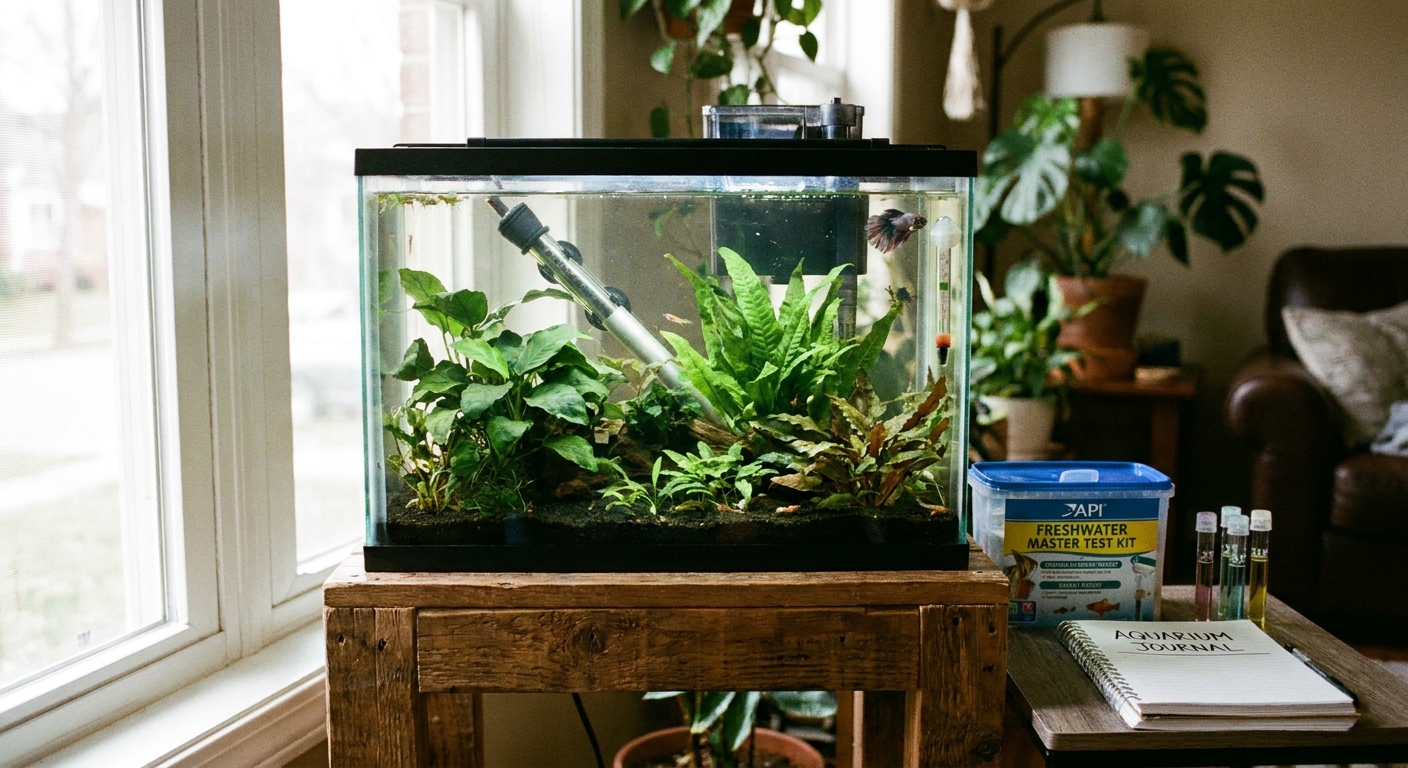
Before adding any tank mates, make sure the aquarium is fully cycled: /how-to-cycle-a-new-betta-fish-tank/.
And keep the betta comfy with a steady heater and sensible placement: /betta-tank-temperature-and-heater-placement/.
Quarantine and acclimation
If you can, quarantine new corys before they join your betta. Corydoras can be sensitive, and a calm, slow introduction reduces stress for everyone.
- Quarantine: A simple separate tank for observation helps lower the odds of introducing illness to an established betta tank.
- Acclimate slowly: Match temperature carefully and transition water parameters gradually so the corys do not get shocked.
Substrate: protect those whiskers
Corydoras have delicate barbels, their little whiskers, that they use to sift and search for food. Sharp gravel can contribute to wear. But the bigger threat is usually chronic poor water quality, which can lead to infection and barbel erosion even on soft substrate. Think of sand as a helpful layer of protection, not a substitute for clean water.
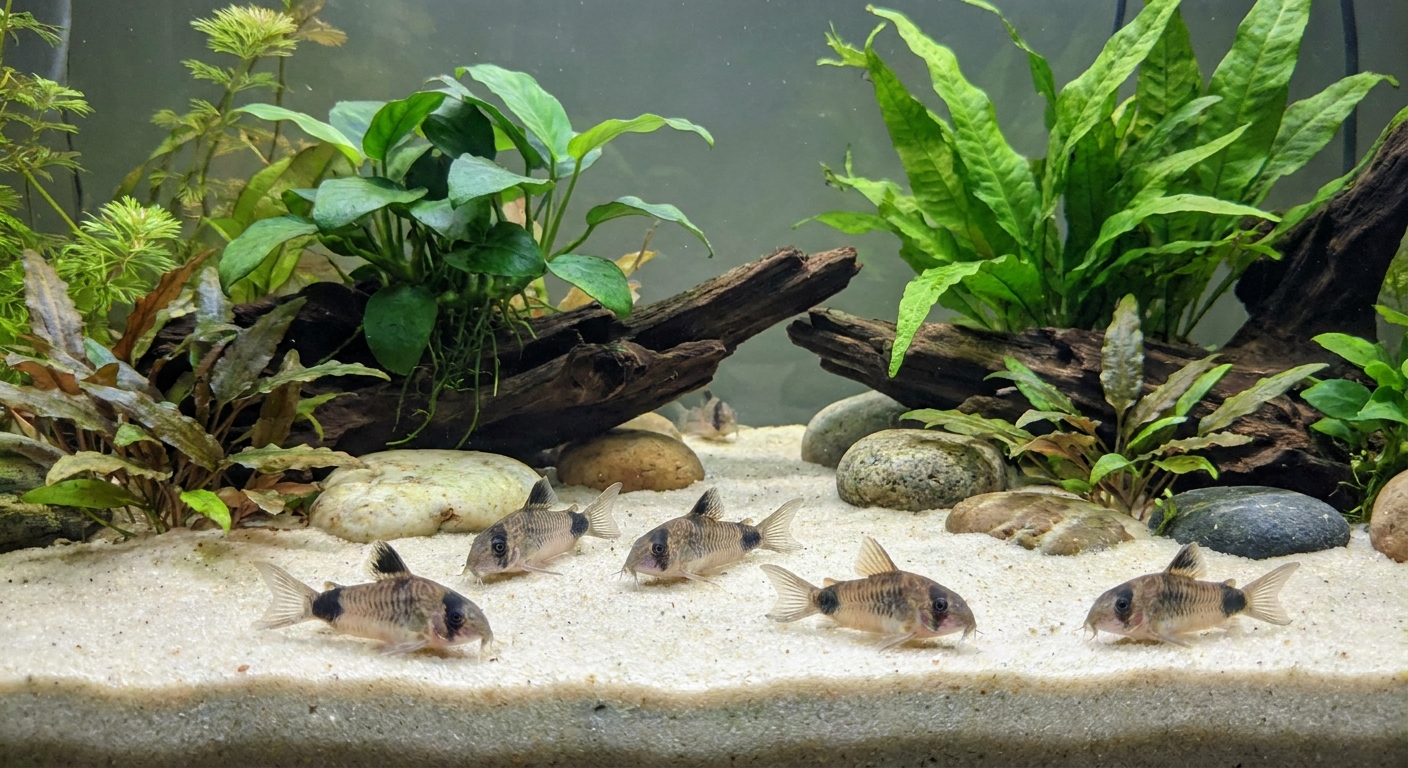
- Best substrate: Smooth sand or very fine rounded gravel.
- Avoid: Sharp, jagged gravel or crushed stone.
- Bonus tip: Create a foraging lane of open sand in the front where food can land and corys can sift naturally.
Need help choosing a betta friendly base layer? Swim through this guide: /gravel-sand-or-soil-for-betta-tanks/.
Decor and layout: two zones
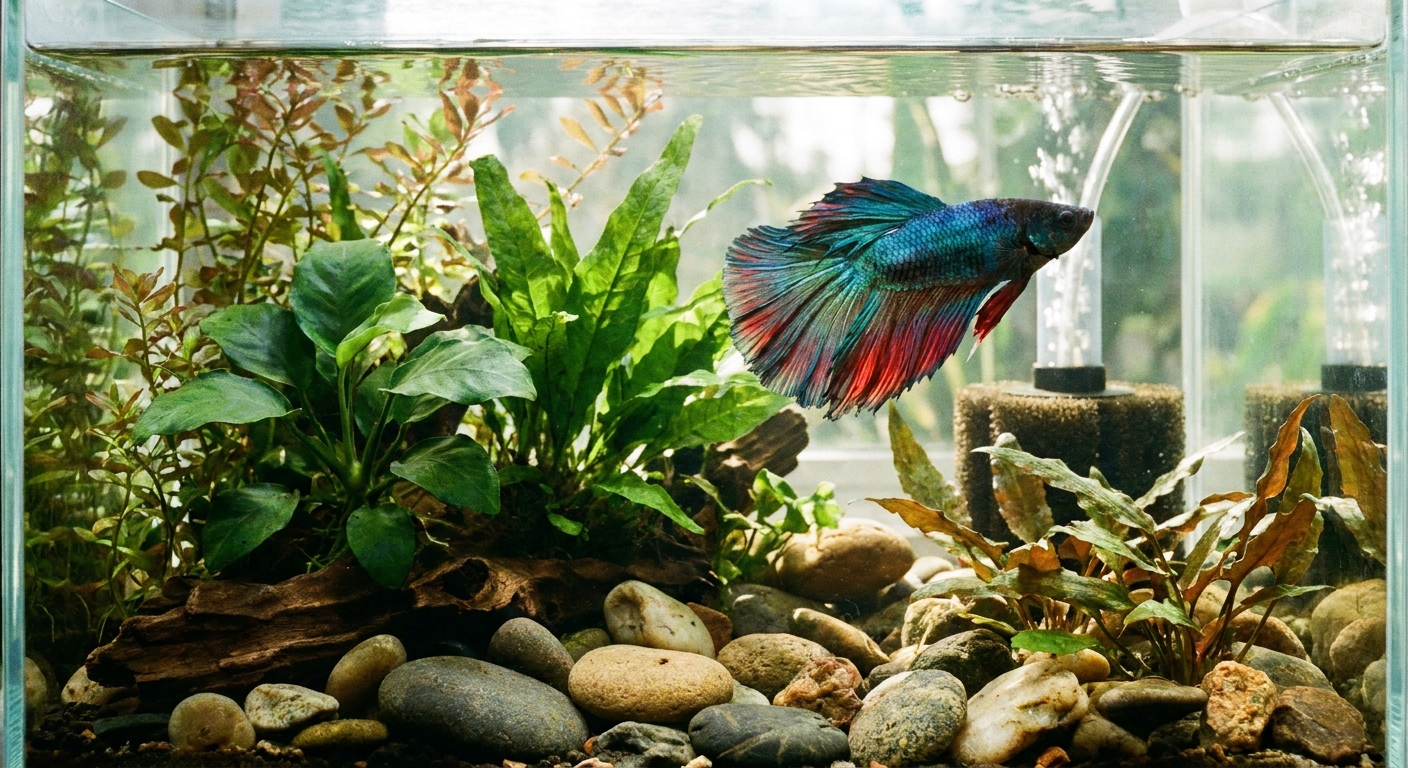
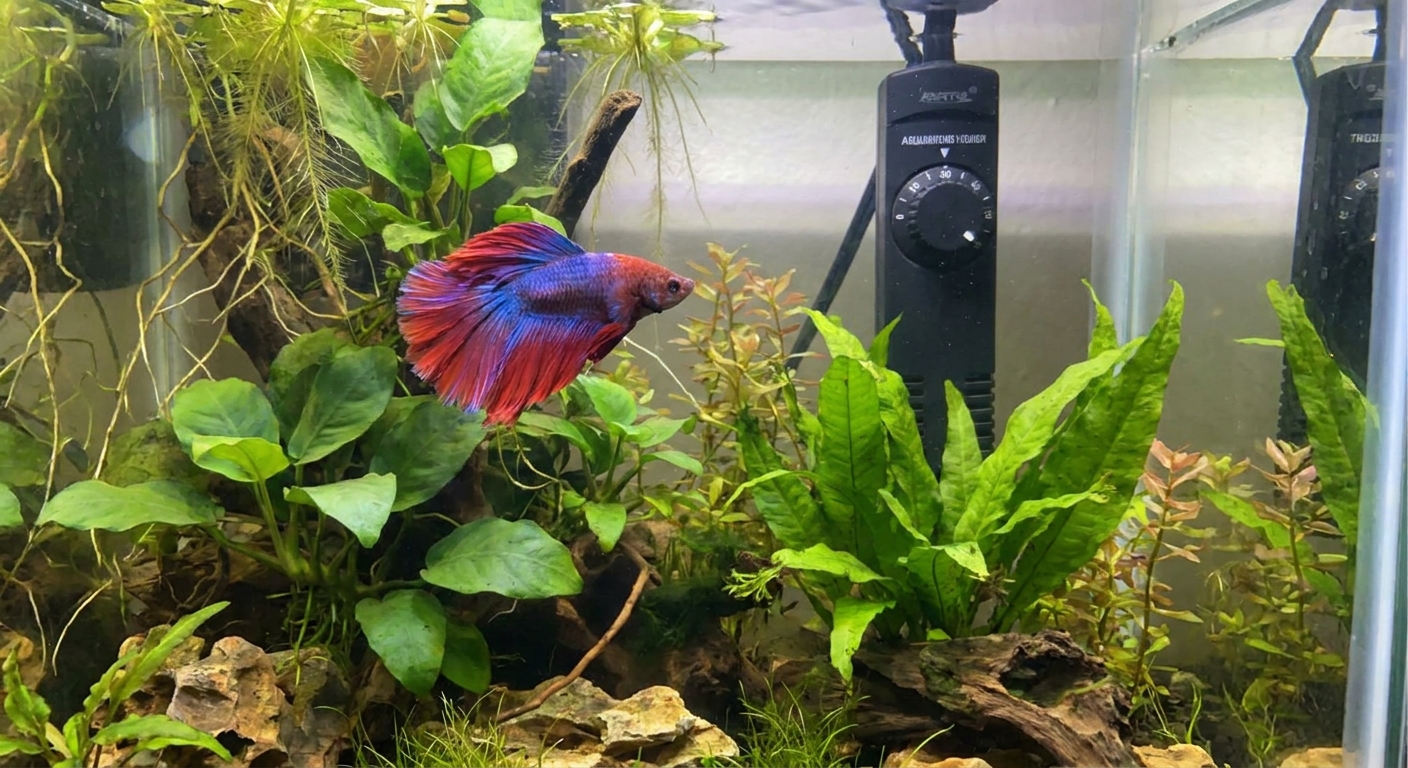
The goal is simple: give the betta a calm, plant filled mid to top area and give the corys shaded caves and cover along the bottom. When everyone has a place to retreat, everyone behaves better.
Bottom zone ideas for corys
- Smooth driftwood arches and roots that create shade
- Rounded caves with wide entrances
- Leaf litter style botanicals (used thoughtfully and kept clean)
- Dense plants along the back and sides so the group feels protected
Mid to top zone ideas for bettas
- Broad leaf plants for resting near the surface
- Silk plants if you do not want live plants
- Floating plants to soften lighting and break lines of sight
- Resting spots near the surface, like betta hammocks, placed away from strong flow
For decorating inspiration that supports hiding and enrichment, visit: /7-essential-tank-decorations-for-betta-hiding-spots-and-enrichment/ and /live-vs-silk-plants-for-bettas/.
Filtration and flow: keep it gentle
Bettas prefer calmer water. Corys can handle some movement, but many do best with gentler flow and easy resting areas. Your mission: keep the tank clean without turning it into a whirlpool.
- Use a betta friendly filter setup: Adjustable flow helps a lot.
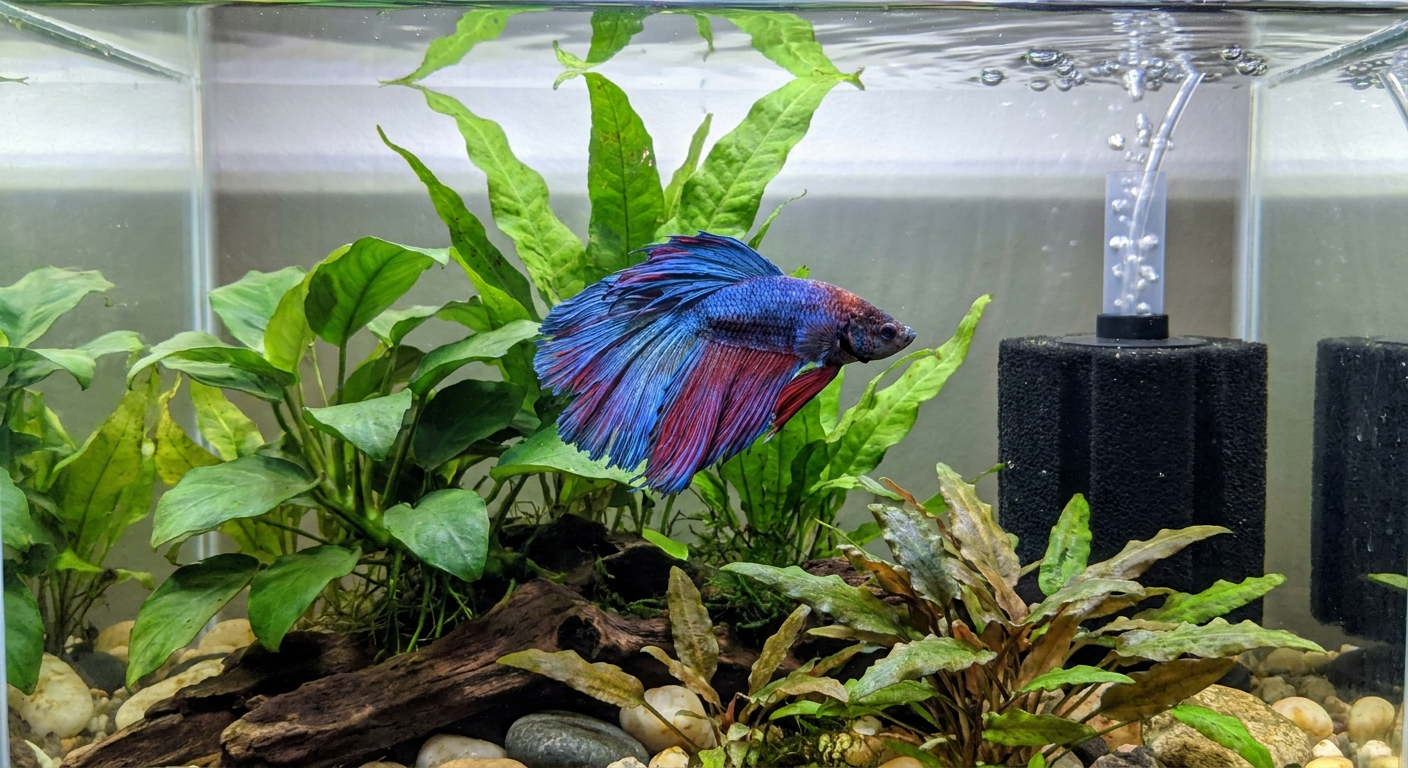
- Diffuse the current: Aim output toward glass, add a sponge prefilter, or use plants and hardscape to baffle flow.
- Keep oxygen steady: Corys appreciate good surface movement, but you can get that with a soft ripple rather than blasting current.
If you are choosing equipment, this guide can help you pick a calmer option: /choosing-the-right-filter-for-a-betta-tank/.
Feeding: make sure corys eat
Corydoras are not clean up crews. They need their own food, and in a betta tank, the betta often reaches food first. The trick is timing and placement.
What to feed
- Cory staples: Sinking wafers or sinking micro pellets formulated for bottom feeders
- Variety options: Occasional gel foods and frozen foods like daphnia, brine shrimp, blackworms, and bloodworms (treats, not the main course)
- Betta diet: Quality betta pellets plus occasional frozen or live treats
For betta feeding rhythm and portioning, this helps prevent accidental overfeeding: /how-much-and-how-often-to-feed-a-betta-fish/.
How to feed so both thrive
- Feed the betta first: A calm, occupied betta is less likely to steal wafers.
- Target feed the bottom: Drop sinking foods after lights dim slightly, or place them in the same bottom feeding zone each time.
- Remove leftovers: Cory food can foul water if it sits. Better small portions, more often.
Best order of introduction
For many tanks, it is smoother to establish the peaceful schooling fish first, then add the betta last. That way the betta arrives to a tank that already has a routine, rather than claiming the whole aquarium as personal property.
- Cycle the tank fully.
- Add corys first and let them settle for a week or two.
- Rearrange decor slightly right before adding the betta to disrupt territorial mapping.
- Add the betta when lighting is dim and the tank is calm.
If the betta is already established, the pairing can still work. Just be extra generous with plants, hiding spots, and bottom cover before adding corys.
Behavior to watch
When this combo works, it looks wonderfully boring. Everyone minds their business.
Green flags
- The betta investigates briefly, then loses interest
- Corys forage in a relaxed group and do not panic when the betta passes overhead
- No torn fins, no missing scales, no corner hiding
Red flags (act fast)
- Persistent chasing: A few curious passes are normal. Repeated pursuit is not.
- Injuries or snag risk: Corydoras have firm pectoral spines. If a betta repeatedly attacks, there is a small but real risk of injury to either fish, so do not wait for it to “work itself out.”
- Corys gasping at the surface constantly: Occasional surface gulps can be normal cory behavior, but frequent gasping can signal poor oxygenation or water quality.
- Betta stress posture: Clamped fins, hiding all day, glass surfing, or refusing food
Want a clear checklist for stress clues? Swim here: /7-signs-of-stress-in-betta-fish-and-how-to-fix-their-environment/.
Maintenance: clean water protects fins and barbels
Because cory groups add bioload, consistent maintenance is part of compatibility. Clean water supports healthy cory barbels and helps prevent common betta issues like fin damage turning into fin rot.
- Stick to a water change schedule that matches your tank size, stocking, and test results.
- Vacuum gently over sand to lift debris without stripping the whole substrate.
- Test water after adding new fish, after filter changes, and any time behavior looks off.
For a practical routine, follow: /betta-tank-cleaning-routine-and-water-change-schedule/.
If it goes wrong: do this now
If your betta decides the corys are uninvited guests, do not wait for injuries. Fast, calm action prevents long-term stress.
- Dim the lights and reduce sudden movement around the tank.
- Add cover right away: More plants, more caves, more line of sight breaks.
- Check parameters for ammonia, nitrite, nitrate, and temperature. Stress and aggression often spike when water is off.
- Separate if chasing continues: A breeder box can be a very short-term tool, but a real separation plan is better.
Having a simple hospital or backup tank setup makes stressful moments much easier to manage: /how-to-set-up-a-hospital-tank-for-a-sick-betta-fish/.
FAQ
Will corydoras clean up betta poop and leftover food?
They will eat some leftovers, but they are not a cleaning device. Corys need their own balanced diet, and the real clean up crew is your maintenance routine and filter.
Can I keep just two or three corys with a betta?
It is not recommended. Too small a group makes corys anxious, and anxious corys are more likely to hide, dart, and get harassed.
Do corydoras bother betta fins?
Most cory species are peaceful and not fin nippers. If fin damage appears, look first at betta aggression, sharp decor, stress, or water quality issues. If fin rot is a concern, this guide can help you spot it early: /fin-rot-in-betta-fish-identify-and-treat-it/.
What if my betta flares at the corys?
A little flaring during the first introductions can be normal. The key is whether it stops. If flaring escalates into chasing or cornering, add more cover and be ready to separate.
Can I keep corydoras with a long-finned betta?
Sometimes yes, but be extra careful about flow because long fins make swimming tiring. Make sure the betta has easy resting spots near the surface, and keep an even closer eye during the first week.
The peaceful combo checklist
- Tank is fully cycled and stable
- At least 10 gallons, with a roomy footprint
- Six or more corys of the same species
- Soft sand or smooth substrate
- Gentle flow, plenty of plants, and shaded bottom shelters
- Target feeding so corys get sinking food
- Daily observation and a separation plan if aggression appears
Set up with care, this pairing can be a delight: a regal betta up top and a busy little cory crew keeping the bottom zone bustling and calm.