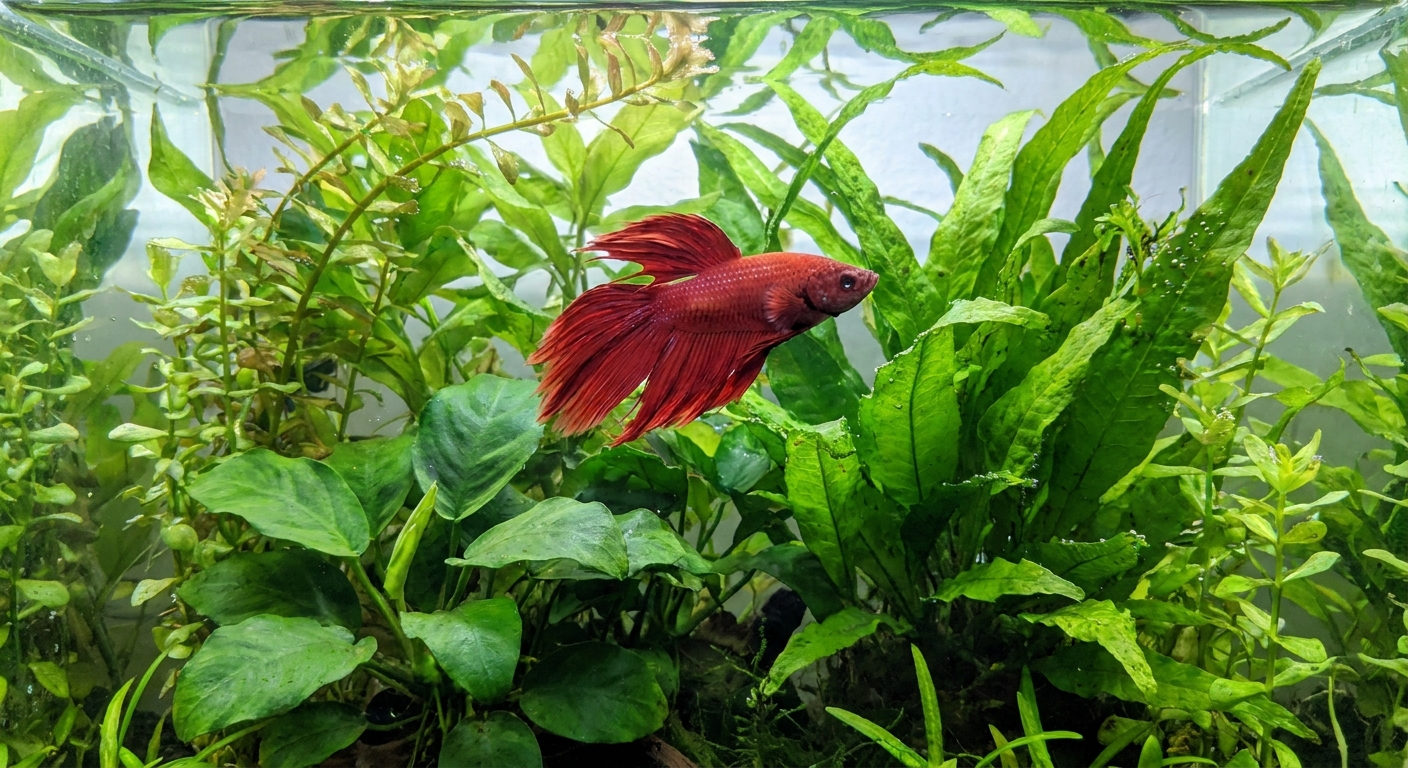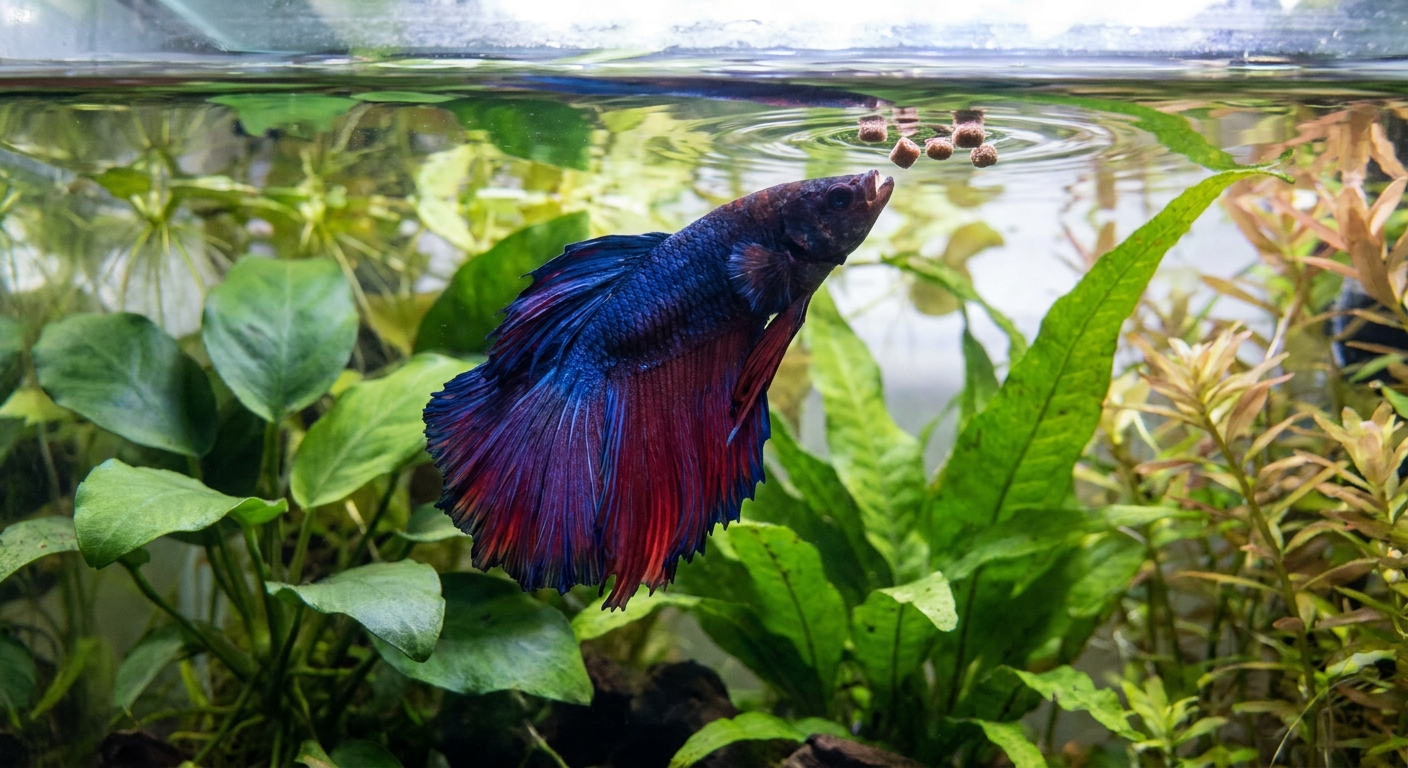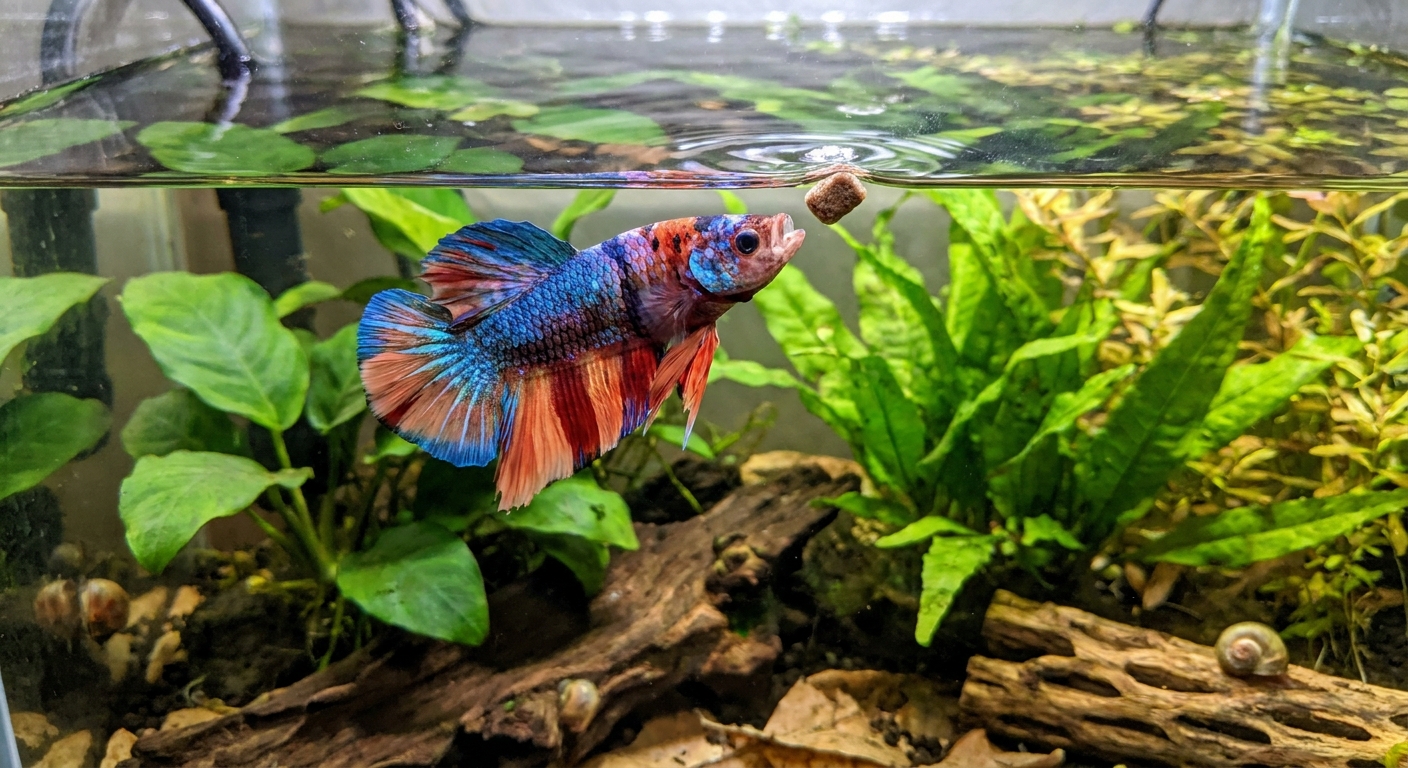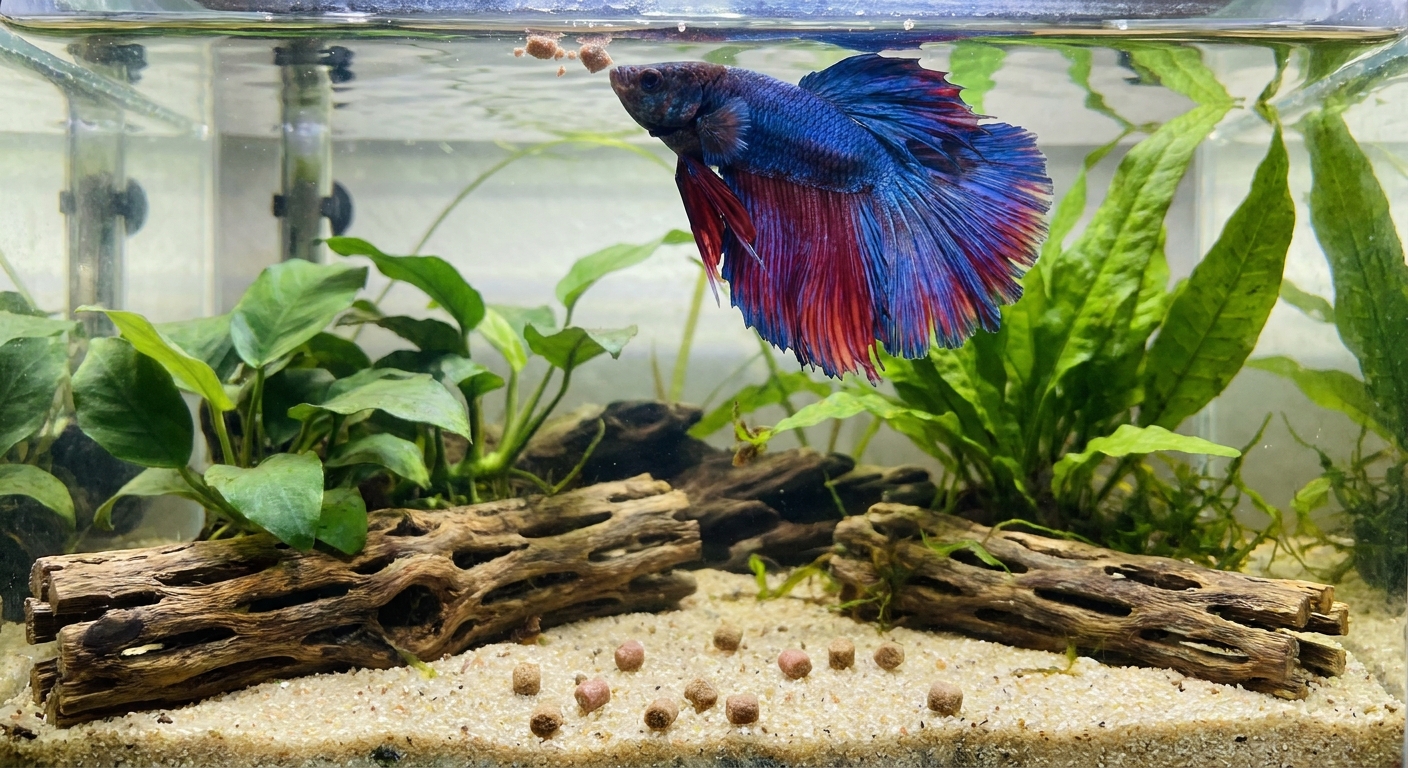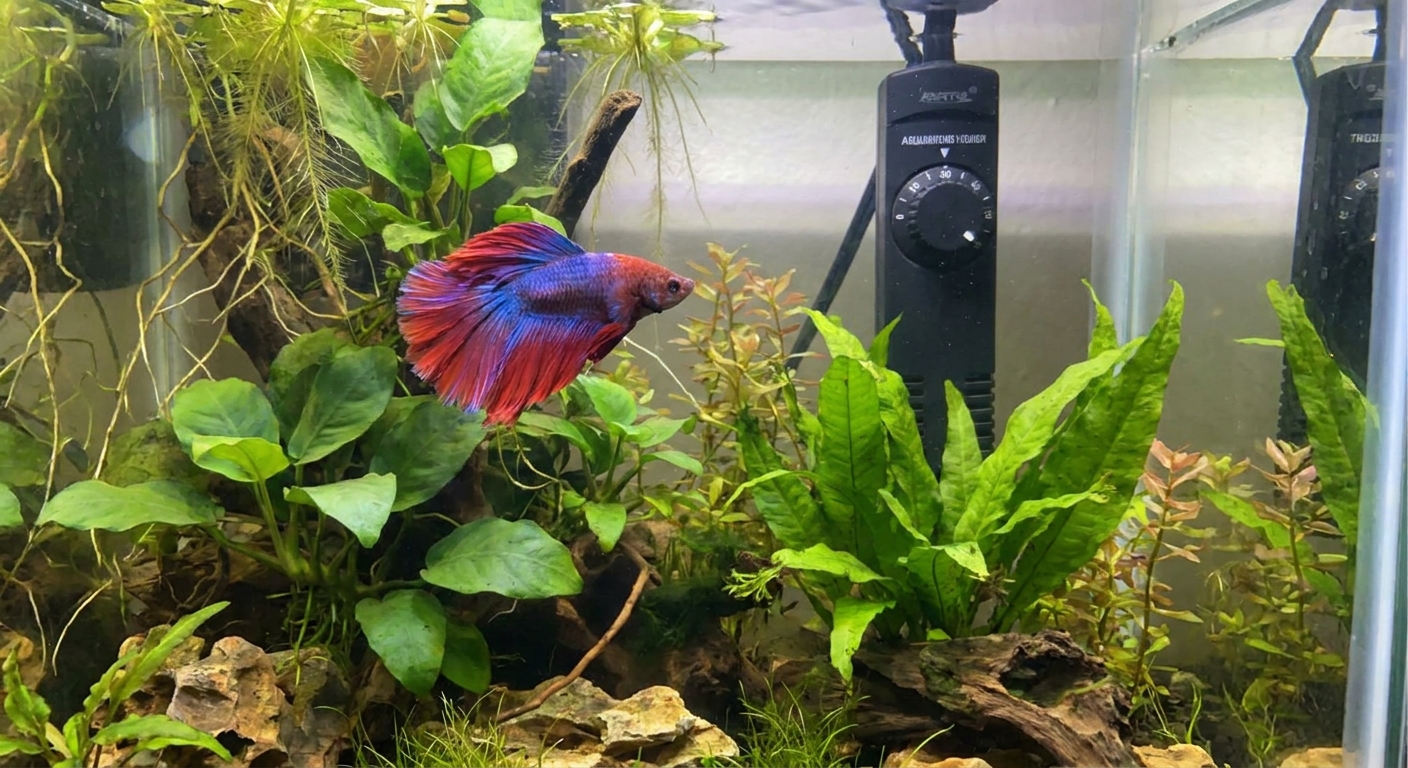

Let's make your tank the happiest little splash in the house! One simple habit can do big things for your betta’s belly and buoyancy: a weekly fasting day. Skipping meals on purpose sounds a little surprising, but for many adult bettas it can be a gentle reset that helps prevent overeating, constipation, and digestive distension that can contribute to buoyancy and swim bladder issues.
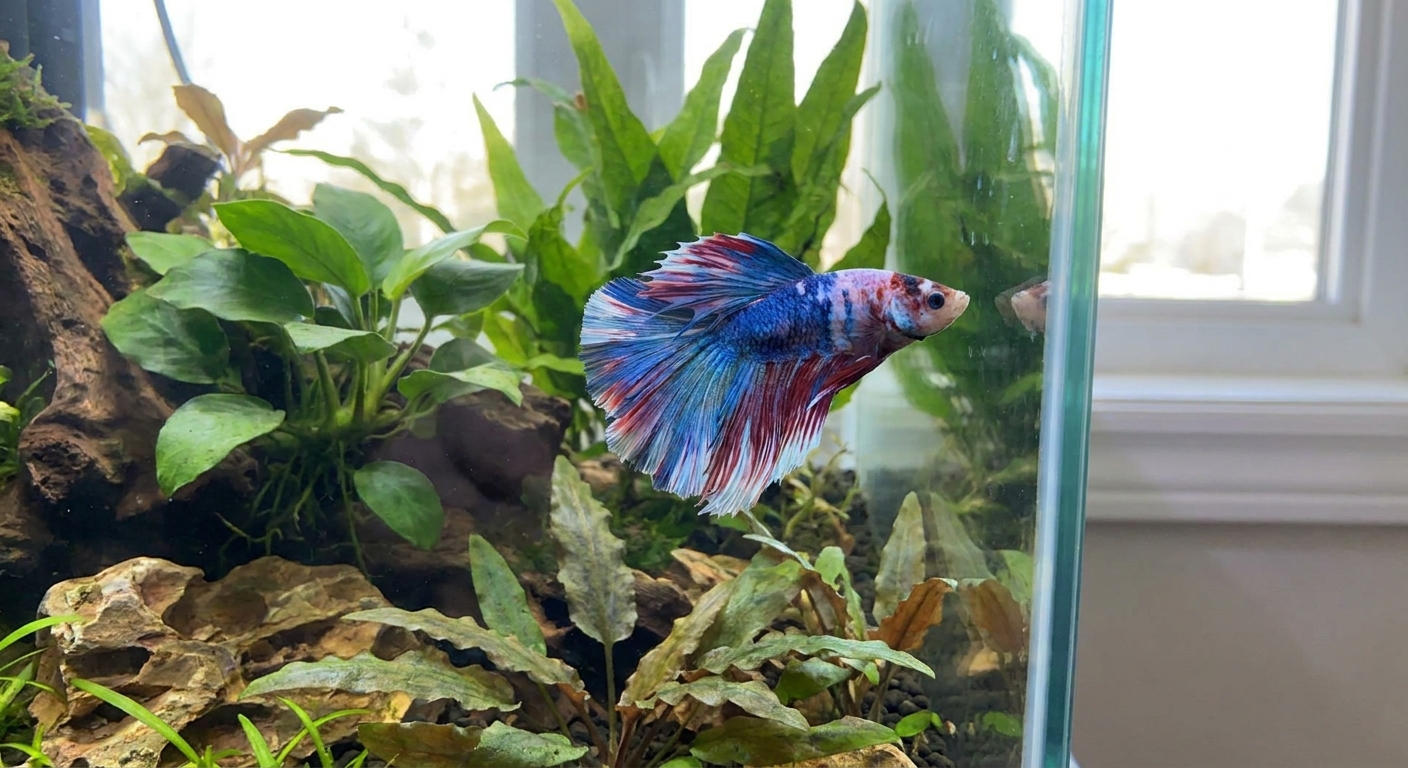
What a fasting day is
A fasting day is one full day each week when your betta gets no food at all. Not fewer pellets. Not a smaller snack. Just a quiet day off from eating.
In the wild, bettas are opportunistic hunters. They do not get perfectly measured meals on a clock. In a home aquarium, food is easy, predictable, and often generous. A planned fast helps mimic natural lighter days and keeps the digestive system from constantly working overtime.
Why fasting helps buoyancy issues
“Swim bladder disease” is not one single illness. It is a set of symptoms where a fish has trouble controlling buoyancy. Bettas may float, sink, tilt, or struggle to stay level.
In some cases, the swim bladder itself is affected by injury, infection, congenital shape issues, or stress. In other cases, digestive distension (bloat or constipation) can contribute by taking up space inside the body and throwing off balance.
Digestive distension and balance
The swim bladder sits inside the body cavity near other organs, including the digestive tract. When the stomach or intestines are overfull or backed up, that extra bulk can:
- crowd nearby organs and make buoyancy control harder
- shift the fish’s center of balance, causing tilting or rolling
- keep the fish uncomfortable and inactive, which can slow digestion even more
Three helpful resets
- Improved gut motility: A break from constant feeding gives the digestive tract time to move older material along.
- Less waste buildup: Smaller overall intake means less chance of constipation from simple overfeeding.
- A calmer routine: When you stop the daily cycle of “more food, more bulge,” it is easier to spot what your betta actually needs.
Fasting will not prevent every cause of buoyancy problems, but it is a smart, low-stress way to reduce one very common contributor: constipation and bloat.
Which bettas benefit most
A fasting day is especially helpful for bettas who:
- eat with big enthusiasm and would happily keep going
- look round or puffy after meals
- regularly pass long, stringy waste or skip pooping for a day or more
- get frequent treats like freeze-dried foods
- have had mild floating or sinking episodes that come and go
Healthy adult bettas usually handle a weekly fast very well. The goal is steady digestion, not weight loss.
A simple schedule
Pick one consistent day each week and make it your betta’s no-food day. Consistency helps you remember and helps keep feeding amounts reasonable on the other days.
Example weekly rhythm
- 6 days: normal feeding in small portions
- 1 day: fasting day (no food)
If you want a super simple pattern, choose the same day you do routine tank care. Just keep the fast separate from any major changes that might stress your fish.
For help keeping water quality stable (a big factor in overall health), follow a steady maintenance plan like the one in Betta tank cleaning routine and water change schedule.
How much to feed the other days
A fasting day works best when the other six days are not all-you-can-eat. Bettas have tiny stomachs, and many commercial foods are calorie-dense.
Portion tips
- Feed small meals: Many keepers do one to two small feedings per day rather than one large one.
- Watch the belly: After eating, a betta should look pleasantly full, not stretched tight.
- Remove leftovers: Uneaten food breaks down fast and can foul the water.
If constipation is a recurring theme, this is also a good moment to tighten up the menu: use a high-quality staple food, keep treats tiny, and go easy on freeze-dried options that tend to swell and encourage overeating.
If you are also working on stress reduction and activity (both support digestion), gentle enrichment helps. Hiding spots and plant cover encourage natural exploration. See 7 essential tank decorations for betta hiding spots and enrichment.
What to feed after a fast
The day after fasting, keep it easy. Think digestive-friendly, not a celebration buffet.
- Start with a normal small portion of a high-quality pellet.
- Pre-soak dry foods briefly in tank water if your betta tends to gulp and then act uncomfortable. This can slow down frantic eating, and some keepers find it helps a “gulper” handle dry foods more comfortably.
- Save rich treats for later in the week, and keep treat portions tiny.
If your betta seems extra hungry after fasting, that is normal. Bettas are excellent at acting like they have never been fed once in their lives. Stick to the plan.
When not to fast
Fasting is a helpful tool, but it is not the right choice for every situation.
Skip fasting and focus on treatment if:
- Your betta is already thin or losing weight
- Your betta is a juvenile and still growing quickly
- Your betta refuses food regularly (fasting is not the issue)
- There are signs of infection like pineconing scales, sores, heavy lethargy, or rapid decline
- Buoyancy problems persist for more than a couple of days even with improved feeding and warm, clean water
Persistent buoyancy trouble can also be linked to injury, infection, congenital shape issues, or water-quality problems (including toxins). When buoyancy issues show up, it is worth checking ammonia and nitrite right away, along with the rest of your water parameters, so you do not miss an urgent tank issue.
If you suspect a medical cause, a fish-savvy veterinarian is the best next step.
Troubleshooting
My betta looks bloated. Should I fast longer?
Often, one fasting day is enough. If bloat is mild, keep water clean and warm, and resume feeding with smaller portions. If the belly is very swollen, the fish is struggling to swim, or symptoms worsen, longer fasting without addressing the cause can delay real help. Review feeding amounts, reduce treats, check ammonia and nitrite, and make sure your betta is not being stressed by poor conditions.
Will fasting make my betta aggressive?
Some bettas may beg more or flare at feeding time out of excitement. That does not mean the fast is harmful. Maintain a calm routine and avoid giving in with extra food the next day.
Can I do two fasting days per week?
For most healthy adult bettas, one day is the sweet spot. Two days can be too much unless there is a clear reason and the fish is maintaining a good body condition. If overfeeding has been a problem, reduce portions first before adding extra fasting days.
Does water temperature matter for digestion?
Yes. Bettas digest best when kept in a stable, appropriate warm range. Chilly water can slow digestion and contribute to constipation. For setup help, visit Betta tank temperature and heater placement.
A tiny routine with big benefits
A weekly fasting day is not about being strict or stingy. It is about giving your betta’s digestive system time to do its housekeeping so buoyancy is not thrown off by an overfull belly.
Choose one day, keep portions sensible the rest of the week, and pair it with warm, clean water. That simple rhythm can help your betta stay comfortable, active, and beautifully balanced in the water column.