Let's make your tank the happiest little splash in the house! Algae happens to the best of us, and a gentle cleanup crew can be super helpful in a betta tank. The trick is choosing algae eaters that stay peaceful, fit your tank size, and will not stress your betta or get nipped.
One important bubble to pop right away: algae eaters are helpers, not replacements for good maintenance. They will not fix overfeeding, too much light, or a tank that is not fully cycled. If you are setting up from scratch or fighting recurring algae, start with a stable foundation first. Cycling your tank, a steady lighting schedule, and a consistent water change routine do most of the heavy lifting.
Before you add any algae eater
Bettas can be sweet little neighbors or tiny territorial bosses. Compatibility depends on two things: your betta's personality and whether the tank setup makes sharing space easy.
Quick readiness checklist
- Tank is cycled and stable. Most algae eaters are sensitive to ammonia and nitrite.
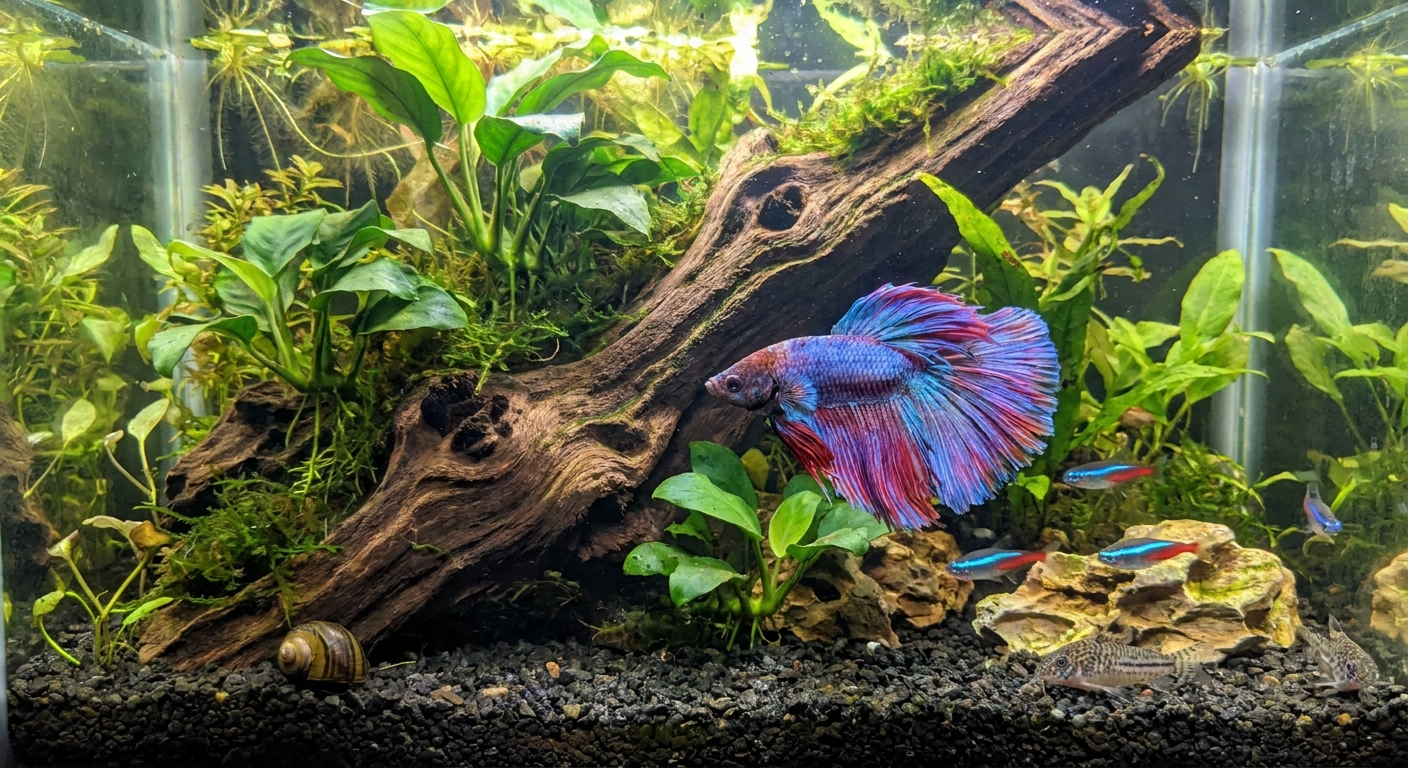
- Plenty of hiding and resting spots. Break up sightlines with plants and decor so no one feels cornered. The ideas in these betta hiding and enrichment decorations help a lot.
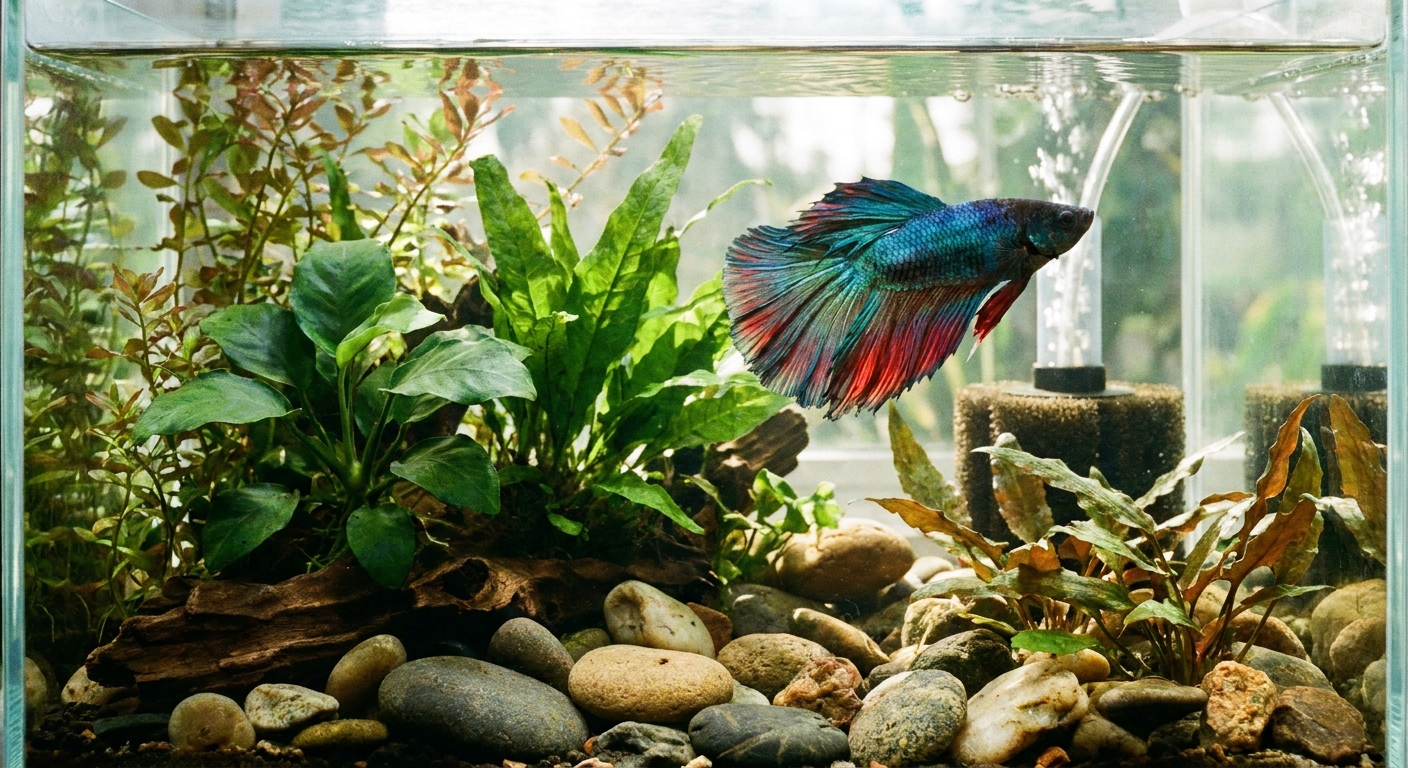
- Filter flow is gentle. Bettas like calm water. Choose a betta-friendly filter setup. Here is how to pick one.
- Temperature matches everyone. Most common betta-safe algae eaters prefer warm water too. Dial in heater placement and temperature so the whole tank stays steady.
- You can feed the algae eater on purpose. Many starve in “clean” tanks. Plan for algae wafers, blanched veggies, and biofilm foods.
- You are ready to acclimate slowly. Shrimp, snails, and otos do best with gentle acclimation, especially if your store water is very different from your tank. A slow drip acclimation (or adding small amounts of tank water over time) helps prevent shock.
A quick mineral note for shells and molts
Snails and shrimp need stable minerals to keep shells solid and support clean molts. If your water is very soft, they can struggle even when everything else looks “fine.” Stability matters more than chasing a perfect number, so aim for consistent parameters and watch for pitting shells or failed molts.
Temperament check
If your betta flares constantly, patrols the glass, or charges anything that moves, even the best algae eater might become a stress trigger. Keep an eye out for warning signs like persistent flaring, hiding, clamped fins, or frantic pacing. If you are not sure, this guide to betta stress signs and fixes is a great sanity check.
Best picks by tank size
Tank size matters a lot for algae eaters because many are social, produce extra waste, or need more grazing space than people expect.
5 gallons
- Best bet: Nerite snail
- Possible, with extra care: Mystery snail (adult size and bioload add up fast). A 10 gallon is usually easier long-term, but a 5 gallon can work if you keep water pristine, stay on top of feeding, and accept faster waste buildup.
- Sometimes: A small shrimp group if your betta is calm and the tank is heavily planted
- Usually avoid: Otocinclus (social, needs a mature tank), plecos (too big and too messy for most 5 gallon setups)
If you are deciding between sizes, a little extra water volume makes tank mates much easier. Here is a helpful 5 vs 10 gallon comparison.
10 gallons
- Best bets: Nerite snail, mystery snail, Amano shrimp, or a carefully selected small group of Otocinclus in a mature, planted tank
- Usually avoid long-term: Bristlenose pleco. A juvenile may do okay short-term in some setups, but most betta keepers find 20 gallons or more is the comfortable long-term home.
20 gallons and up
- Most flexible: Otocinclus groups do better, and bristlenose plecos are more realistic
- Still think twice: Large plecos (common pleco types) outgrow most home tanks and can become too bulky and pushy
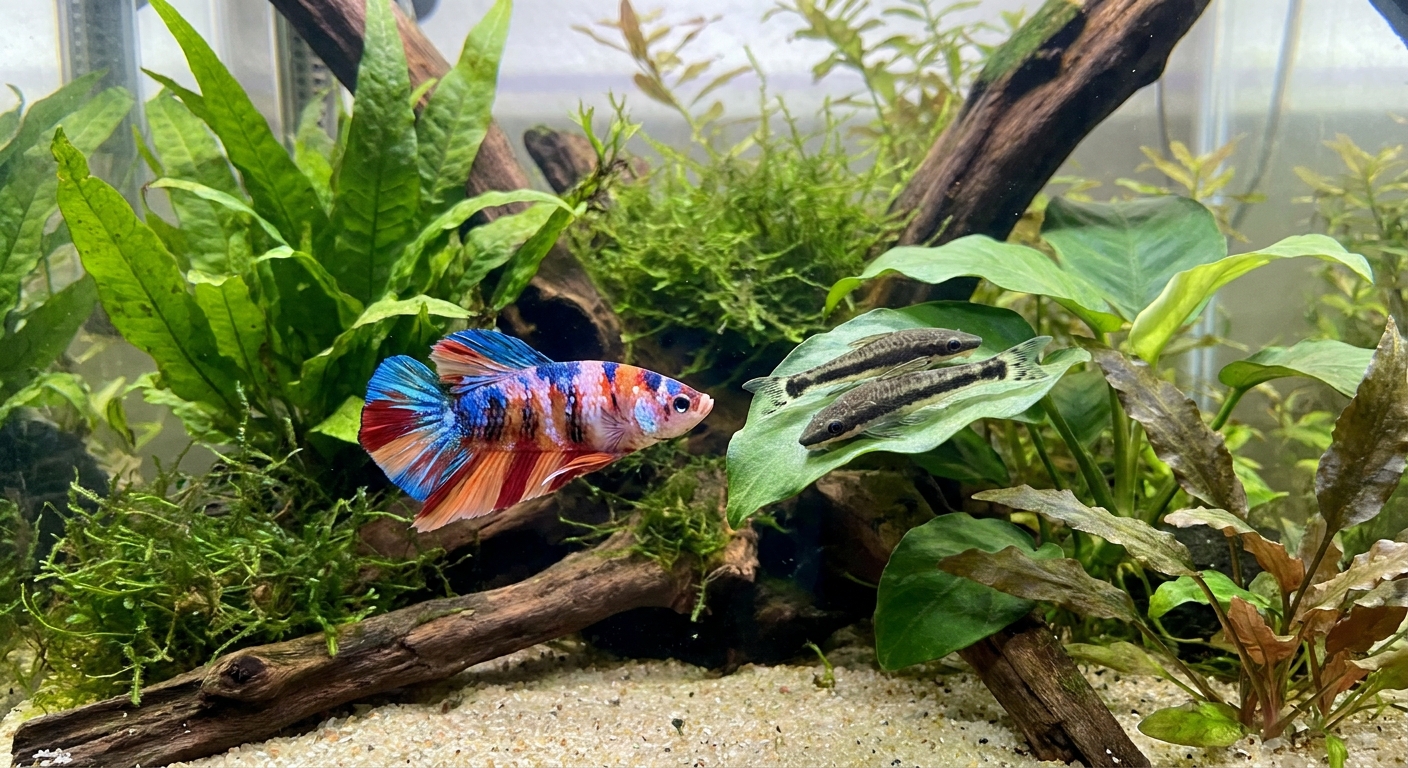
Otocinclus with bettas
Otocinclus, often called otos, are one of the best algae-eating fish options for a peaceful community vibe because they are small, gentle, and not interested in fin-nipping. But they are not beginner-proof. They need the right tank conditions to thrive.
Why otos can work well
- Very peaceful and usually ignore bettas
- Great at soft algae and biofilm on leaves, decor, and glass
- Small and non-threatening in body shape compared to chunkier fish
Oto must-knows
- They need a group. Aim for at least 4 to 6 otos if the tank size and filtration support it. A lonely oto is a stressed oto.
- They do best in mature tanks. New tanks often do not have enough biofilm and microalgae to support them.
- They can starve in clean tanks. Supplement with algae wafers, gel foods, blanched zucchini, cucumber, green beans, and occasional leafy greens, and make sure they actually get to eat.
- They are sensitive. Stable water parameters matter more than a “perfect number.”
Tank size guidance
In most betta setups, 10 gallons is a practical minimum for a small group, but it is the tight end. If you want a more forgiving setup where everyone has room to graze and settle, 15 to 20 gallons is easier. If your tank is 5 gallons, snails are typically a safer algae solution.
Compatibility tips
- Add otos first when possible (or rearrange decor before adding them) so your betta is less likely to claim every inch as personal territory.
- Feed after lights-out sometimes, so shy otos can graze while your betta is snoozing.
- Watch for chasing. A few curious drive-bys can be normal. Repeated pursuit is not.
Plecos with bettas
Plecos get recommended as algae eaters all the time, but many species are not a match for a typical betta tank. The goal is a pleco that stays reasonably sized, is not aggressive, and will not turn your water into a constant cleaning project.
Skip common plecos
Many “common plecos” sold in stores can grow very large and produce a lot of waste. They are not appropriate for most betta aquariums, and their adult size can create crowding and stress fast.
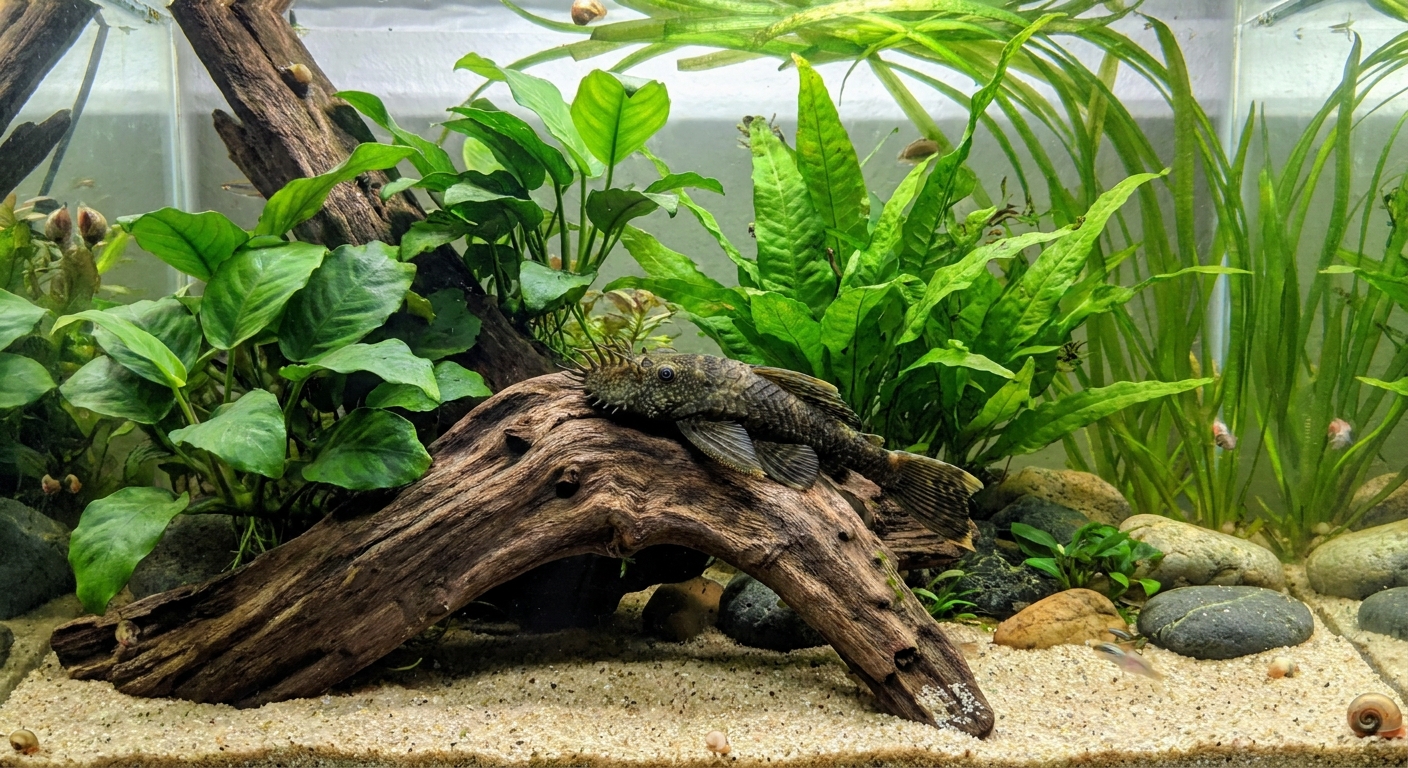
Bristlenose pleco (Ancistrus)
- Pros: One of the better pleco options, stays much smaller than common plecos, generally peaceful
- Cons: Still produces noticeable waste, needs driftwood and regular feeding, may bulldoze decor in small tanks
Tank size: Commonly recommended around 20 gallons or larger for long-term comfort. In a 10 gallon, it is often a squeeze once the pleco matures, especially alongside a betta.
Rubber lip pleco (Chaetostoma)
- Pros: Stays smaller than many plecos, good grazer
- Cons: Often prefers higher oxygen and cooler temperatures than a classic warm betta setup, depending on the exact species and sourcing
Bottom bubble: If you keep your betta tank on the warm side, double-check that the pleco species you are considering truly matches those temps. Bettas like it cozy.
A quick caution
Most plecos will ignore a healthy betta, but in cramped tanks or when underfed, some can get too pushy at night. If you ever see a pleco repeatedly attaching to a slow fish, that is a red flag and a reason to separate.
Feeding plecos in a betta tank
Even the best algae-eating pleco is not living off algae alone. Plan to offer:
- Algae wafers or sinking pellets (offer after lights dim)
- Blanched vegetables (zucchini, cucumber, green bean)
- Driftwood for species that rasp on wood (common for bristlenose types)
Snails
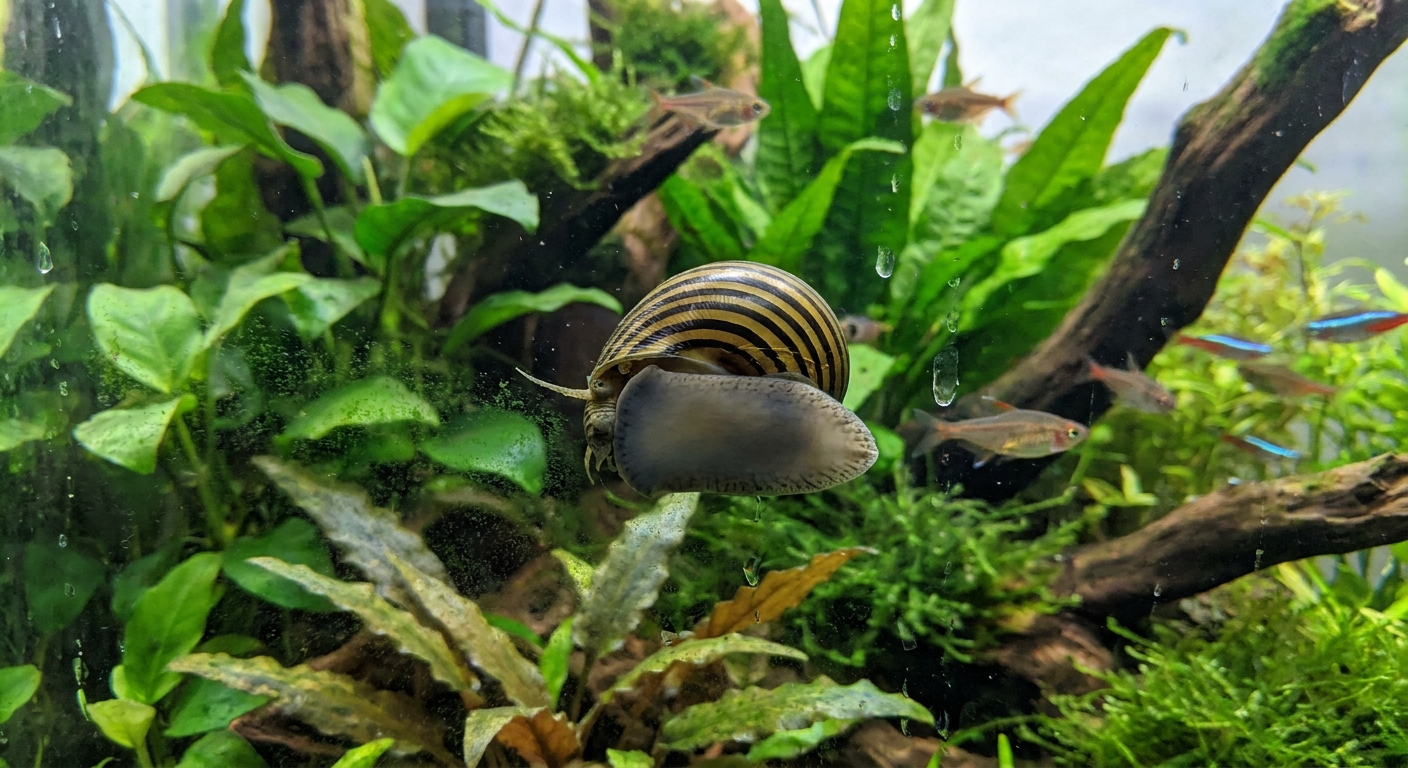
Snails are often the smoothest choice for betta tanks because they do not chase, they do not nip fins, and they can handle smaller aquariums better than most algae-eating fish.
For a deeper snail-by-snail breakdown, hop over to the best snails to keep with bettas.
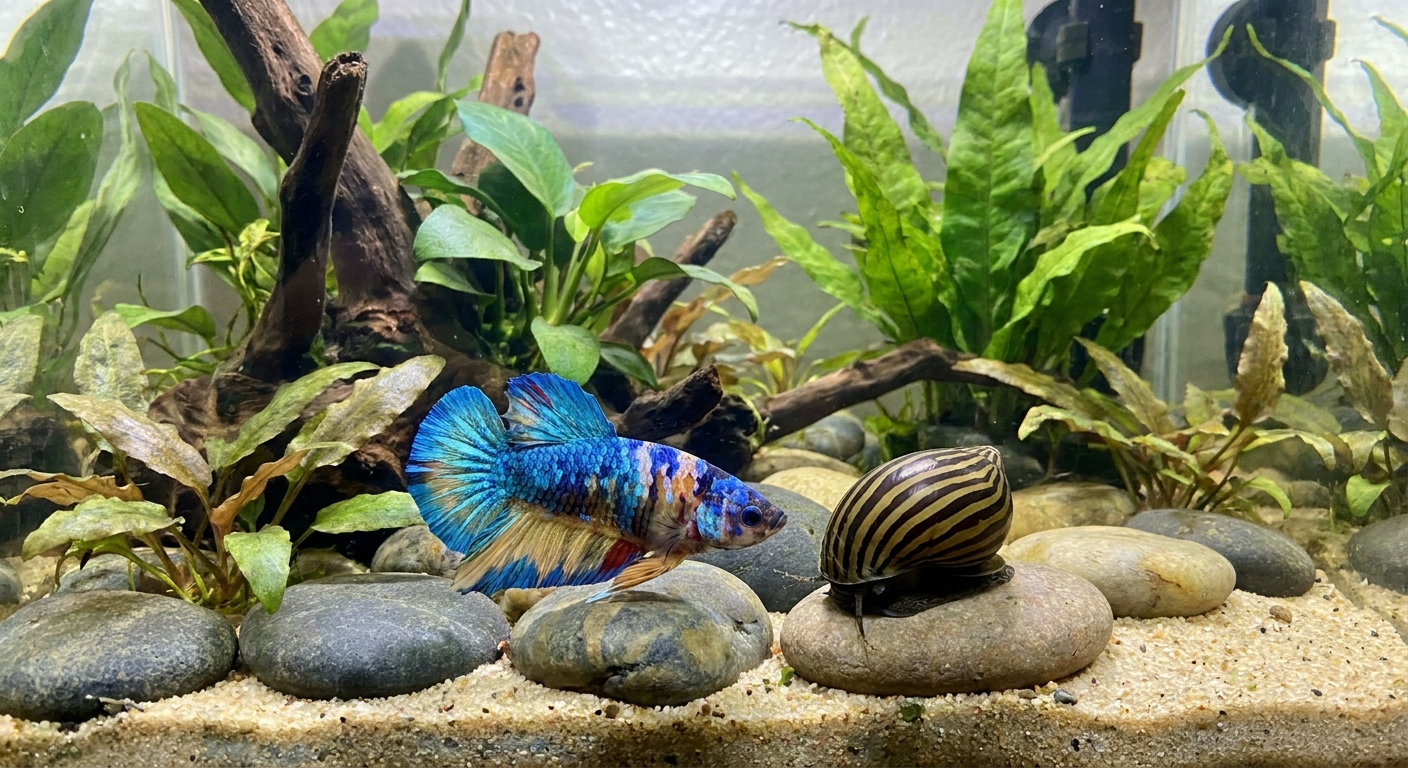
Nerite snails
- Why they are great: Fantastic algae grazers, low drama, do not reproduce in freshwater
- Watch-outs: Can leave little white eggs on hard surfaces, may need supplemental feeding if algae is scarce
Mystery snails
- Why they are great: Fun personalities, good scavengers, can help with softer algae films
- Watch-outs: Bigger bioload than nerites, need dedicated feeding, bettas sometimes nip eyestalks
Avoiding surprise snail takeovers
“Pest” snails often hitchhike on plants and can explode in population when there is extra food. If you see a sudden snail boom, it is almost always a feeding and maintenance signal. If you suspect overfeeding, check these signs of overfeeding and adjust before the tank becomes a buffet.
Shrimp
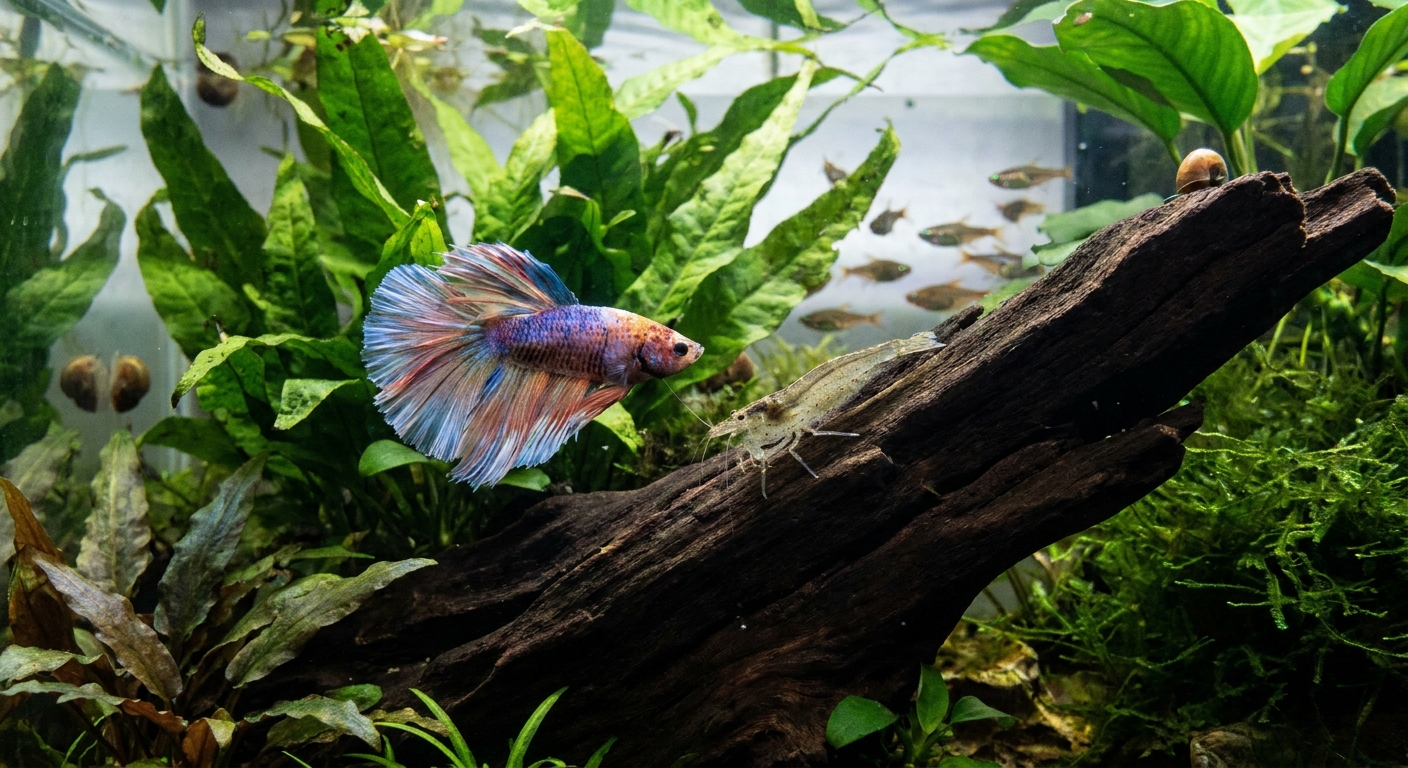
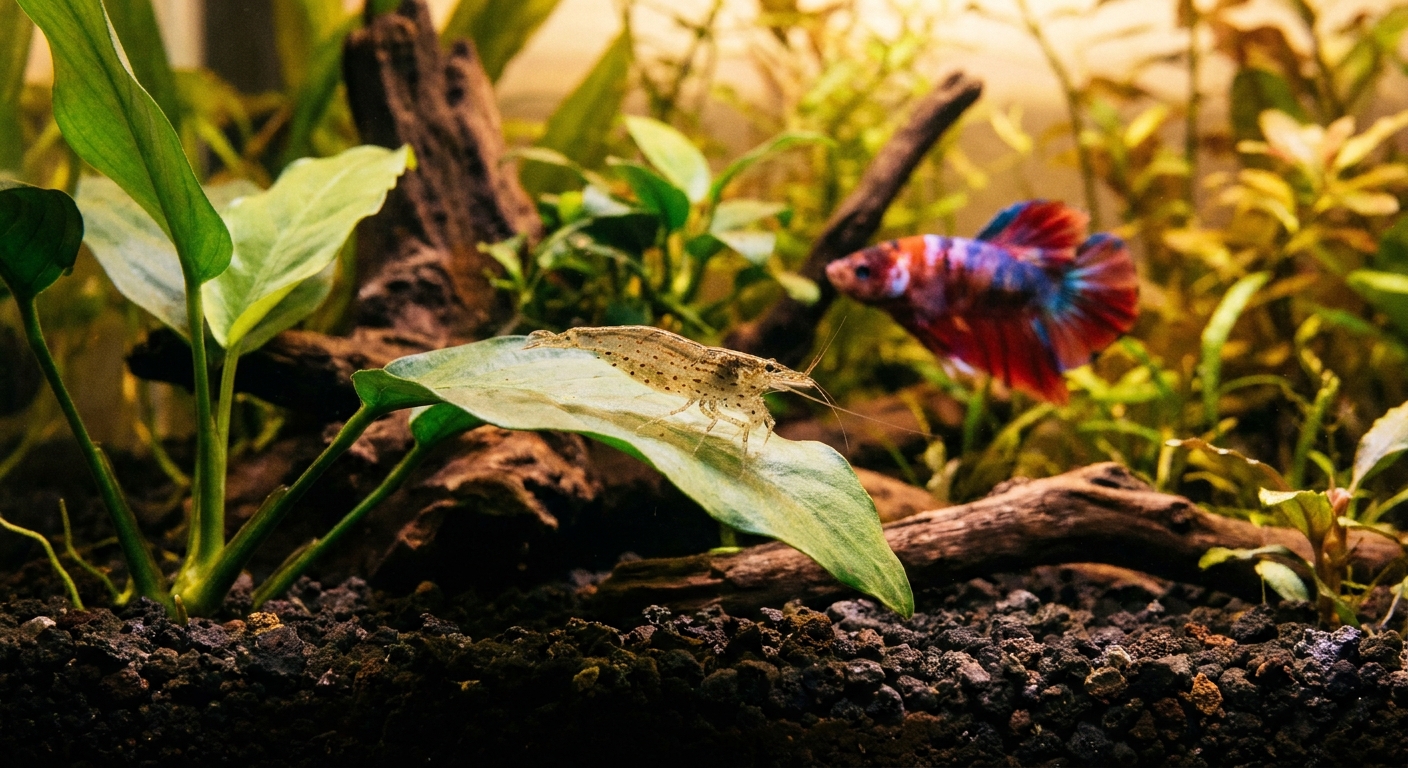
Shrimp are more “biofilm and leftovers” specialists than heavy algae machinery, but they can still make a tank sparkle by cleaning tight little corners. The biggest factor is your betta. Some bettas ignore shrimp. Others see expensive snacks.
If you want the full compatibility rundown, this guide on keeping bettas with shrimp goes deeper.
Amano shrimp
- Why they shine: Excellent workers, usually larger and less likely to be hunted than tiny dwarf shrimp
- Watch-outs: Still can be harassed, especially during molting. Provide lots of cover.
Neocaridina dwarf shrimp
- Why people love them: Beautiful, active, and helpful with biofilm
- Watch-outs: More likely to be eaten, especially babies. Heavily planted tanks improve survival.
What algae they will not fix
Different “algae problems” are totally different foods. Matching the eater to the algae type prevents disappointment.
Often handled well
- Soft green film algae: Often grazed by nerites, otos, and shrimp
- Brown diatoms: Common in newer tanks. Snails and otos may graze it, but it often fades as the tank matures.
- Biofilm: Shrimp and otos love it
Not solved by a cleanup crew alone
- Hair algae outbreaks: Amano shrimp may help, but you still need light and nutrient control
- Black beard algae: Typically requires addressing flow, lighting, and plant health rather than “more algae eaters”
- Cyanobacteria (blue-green slime): Not true algae. Treat it as a husbandry issue, not a snack.
If algae keeps returning, reduce lighting intensity or duration, avoid overfeeding, and keep water changes steady. Bettas do best with stable, calm routines.
How to add them calmly
Step-by-step
- Quarantine if you can. A simple spare tank can prevent headaches later. If your betta is sick, this setup guide for a hospital tank shows the basics of a small, controlled environment.
- Acclimate slowly. Drip acclimation is especially helpful for shrimp, snails, and otos. Slow and steady beats fast and flashy.
- Rearrange decor before adding the new friend. This disrupts “territory maps” and reduces immediate guarding behavior.
- Dim the lights for the first day. Lower light helps everyone relax.
- Feed the betta first. A full betta is usually less intense.
- Add extra hides. Leafy plants, caves, and wood give shrimp and snails safe routes and give otos places to rest.
- Observe closely for 48 to 72 hours. Curiosity is normal. Persistent hunting is not.
If your betta is not having it
- Try more cover. Dense plants can make a night-and-day difference.
- Try a different type. Some bettas tolerate snails but not shrimp, or tolerate otos but not a bottom-dweller that competes for space.
- Be ready to separate. The goal is a peaceful, enriching home, not constant stress.
Quick picks
| Tank | Best algae helper | Why it works | Watch-outs |
|---|---|---|---|
| 5 gallons | Nerite snail | Strong grazer, low conflict | Egg specks on decor, may need extra feeding |
| 5 to 10 gallons | Amano shrimp (if betta is calm) | Great worker on biofilm and some algae | May be chased, needs lots of cover |
| 10 gallons (mature, planted) | Otocinclus (small group) | Peaceful fish algae grazers | Needs a group, stable tank, and supplemental food |
| 20 gallons+ | Bristlenose pleco (carefully) | More realistic long-term space | Waste load, needs driftwood and feeding |
FAQ
Can I add an algae eater to fix a dirty tank?
An algae eater can help with routine grazing, but it cannot “clean up” ammonia, uneaten food, or neglected maintenance. If the tank is dirty, the fastest improvement comes from water changes, gravel vacuuming, and correcting feeding amounts. If you want a steady schedule, follow this cleaning and water change routine.
Will algae eaters bother my betta?
Most of the time, the betta is the one who decides. Otos and snails are typically the least intrusive. Shrimp can trigger hunting behavior in some bettas. Plecos can become “too much fish” for smaller tanks, and they should be watched at night in case they get pushy.
Do I still need to feed snails, shrimp, and otos?
Yes. In many betta tanks, natural algae is not enough for long-term health. Plan for targeted foods so your cleanup crew stays well-fed and your betta is not competing for every bite.
What if my betta acts stressed after I add tank mates?
Stress can show up as clamped fins, hiding, glass surfing, or refusing food. Use this stress checklist and reduce triggers by adding cover, dimming lights, and separating animals if needed.
Final little splash
If the goal is a peaceful betta tank with a bit of algae support, start small and safe: nerite snails are often the easiest win. If you have a mature 10 gallon or larger and your betta is a gentle neighbor, Otocinclus can be wonderful biofilm and soft algae grazers, but more space makes them easier to keep well-fed and relaxed. Plecos can work in larger tanks, but they are a serious commitment and not a quick fix.
Keep the water steady, the lights reasonable, and the tank cozy with hiding spots, and your cleanup crew can be a calm, helpful part of the community.