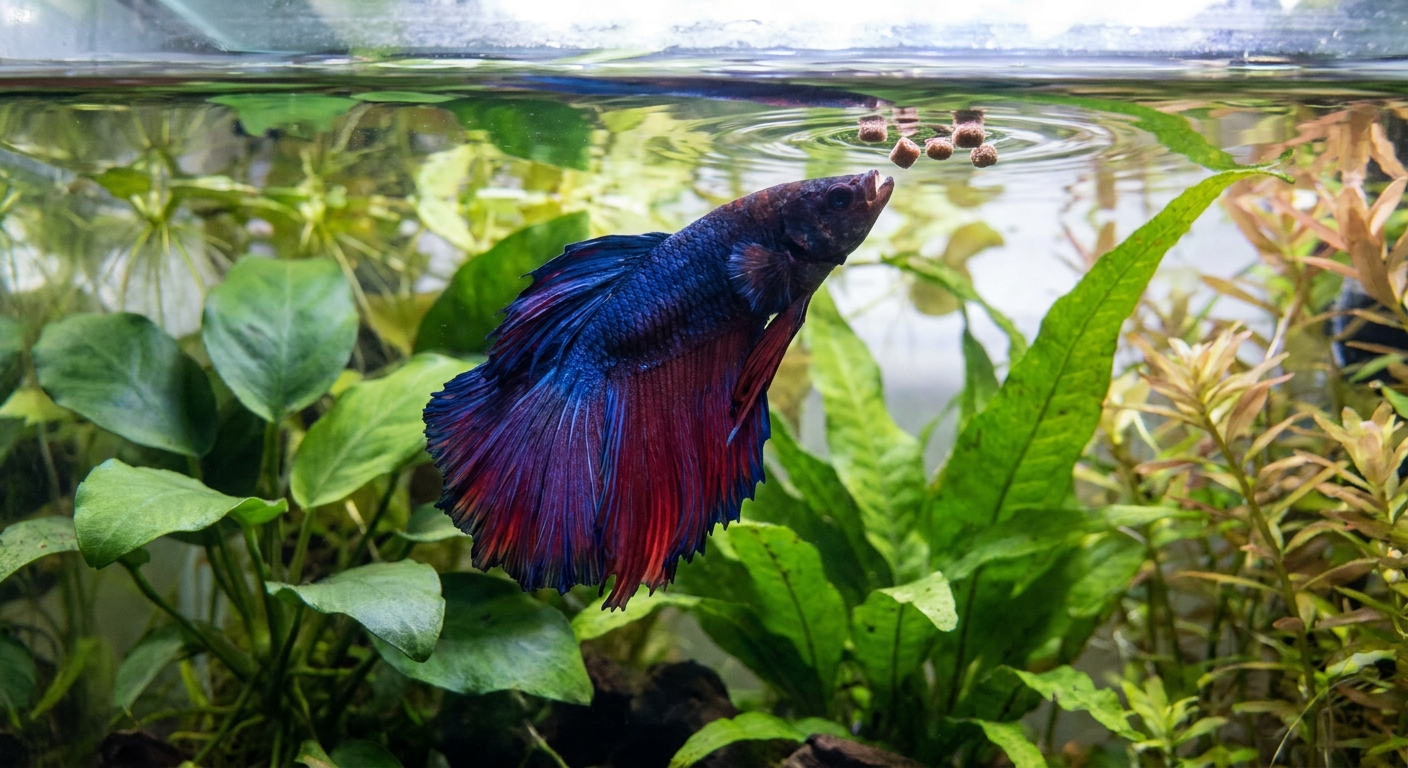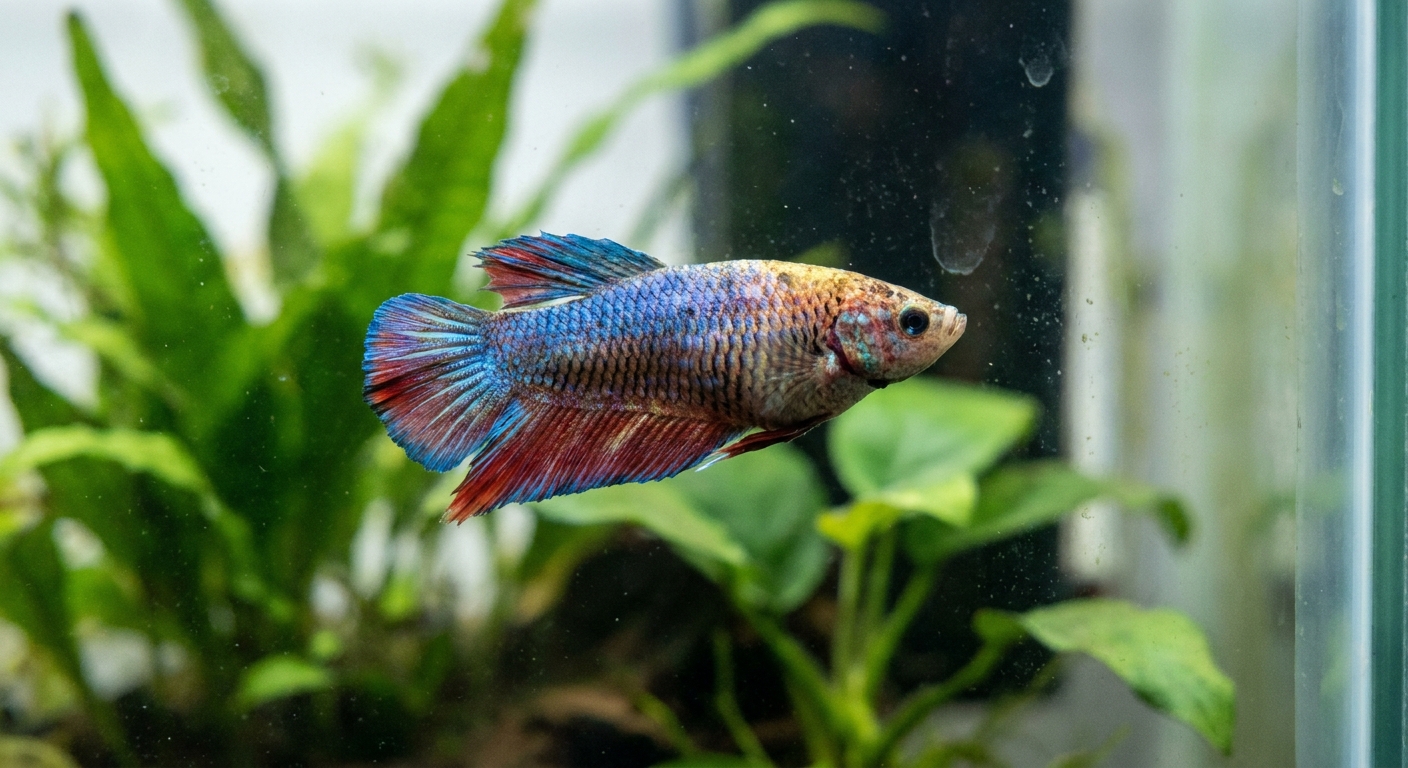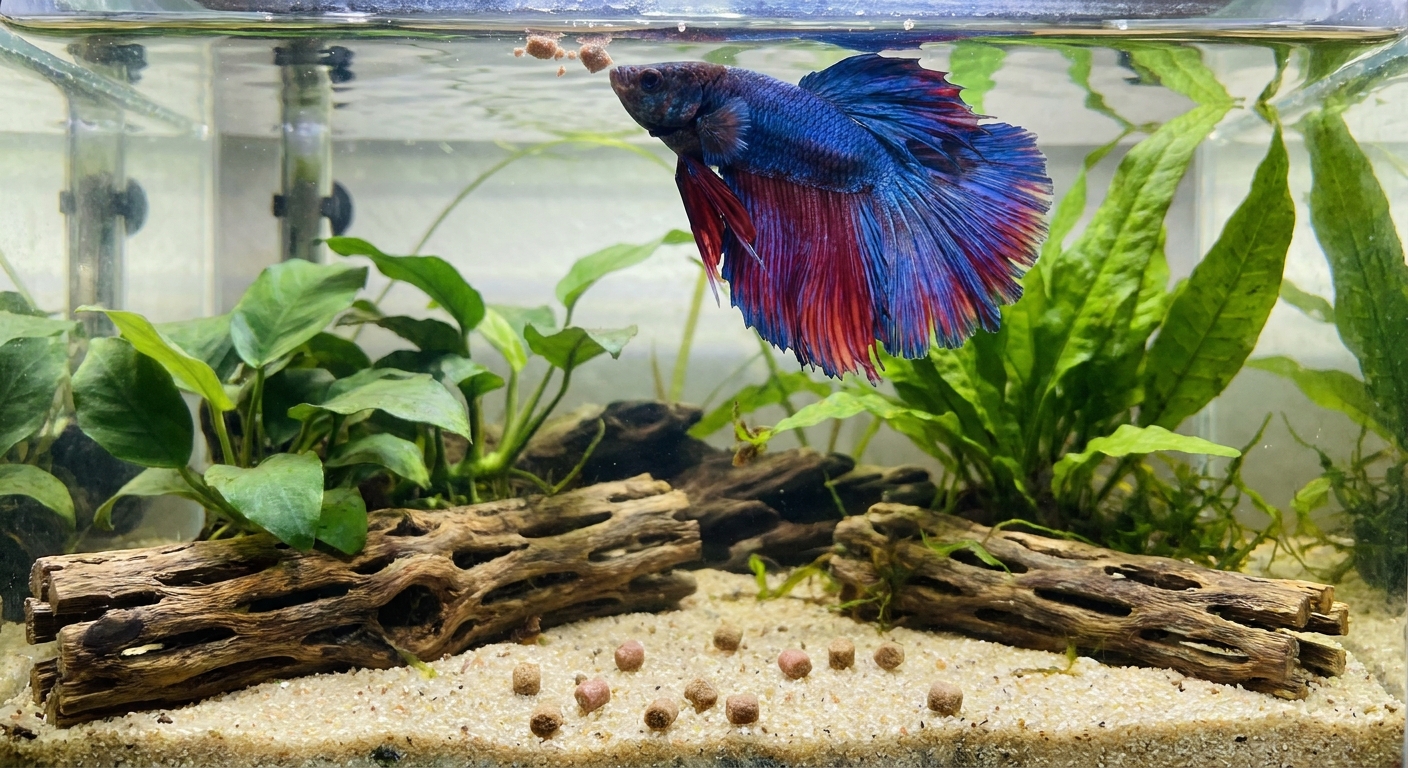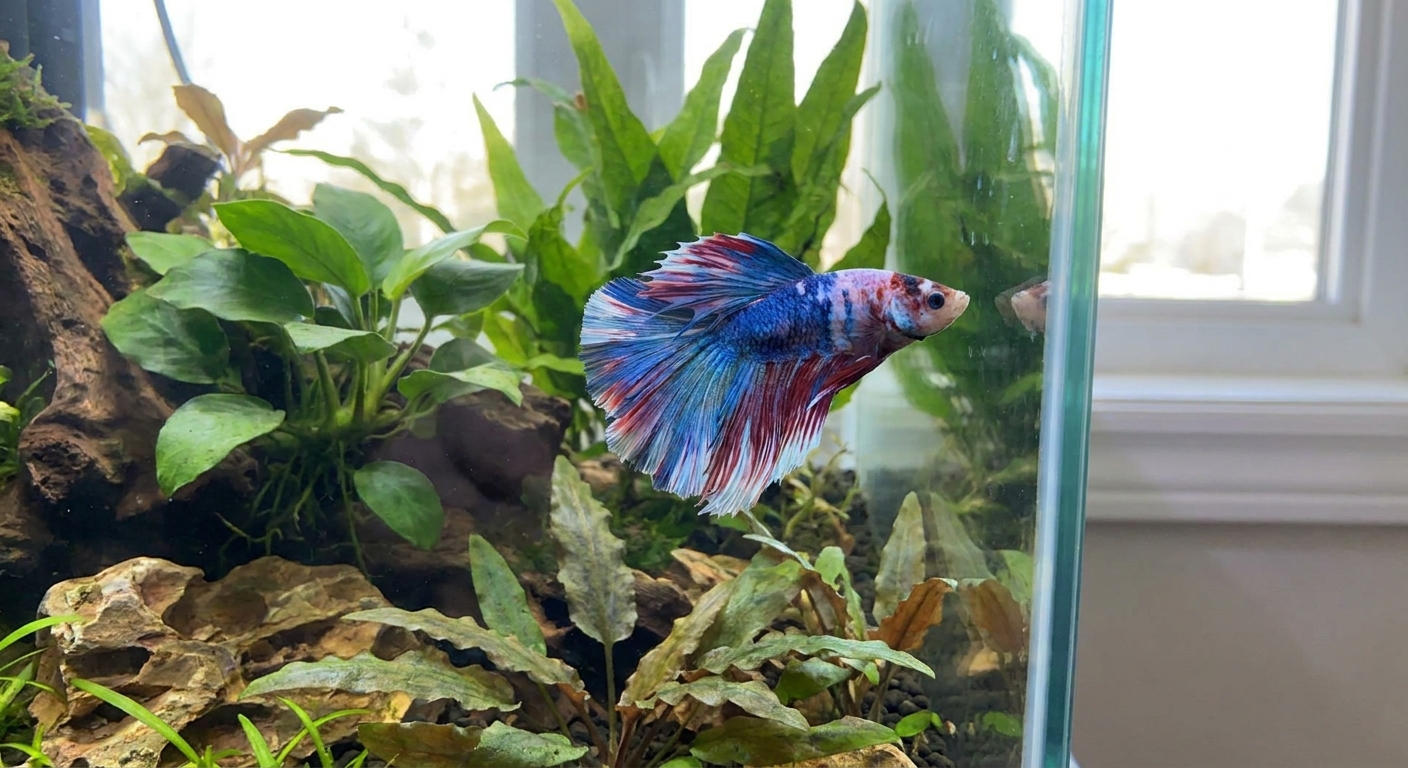

Let’s make your tank the happiest little splash in the house, even in the golden years. Senior bettas can stay bright and comfortable with a few gentle feeding tweaks: softer bites, slightly smaller portions, and a calmer routine that matches a slower metabolism.
What changes as a betta ages
Bettas do not come with birthday candles, but many will show “senior” signs over time. Aging can make eating feel a bit more effortful and digestion a bit slower, so the goal is easy-to-chew, easy-to-digest nutrition without overfeeding.
When is a betta “senior”?
It varies a lot, but many pet store bettas are already around 6 to 12 months old when you bring them home. Many bettas start to feel “older” around 2 years+, with some showing changes earlier or staying spry longer depending on genetics and care.
- Slower metabolism: Seniors often need fewer calories than they did in their speedier days.
- Reduced appetite or pickiness: They may tire quickly during meals, or show less interest than they used to.
- Constipation and bloat risk: Slower digestion means large or very dry meals can be harder to handle.
- More spitting or missed bites: Some older bettas may struggle with larger, harder pellets and will spit them out.
If your betta suddenly stops eating or seems to struggle at the surface, it is worth checking the bigger picture too. Water temperature, stress, and illness can all affect appetite. This guide on why a betta might not be eating can help you narrow it down.
The senior betta diet
Senior bettas still do best with a betta-specific staple food, plus small, careful variety. Think “protein-forward and tidy portions” rather than lots of plant-heavy filler.
Best staple options
- Small, high-quality betta pellets as the main base.
- Micro pellets if standard pellets are being spit out or ignored.
- Soft foods (frozen or live treats) a few times per week for interest and hydration.
If you are deciding between common dry foods, this comparison of pellets vs. flakes for bettas can help. Many seniors do better with pellets that can be softened, since you can control the bite size and reduce surface gulping and missed bites.
Variety that helps
For older bettas, variety is more about texture and hydration than big menu changes. Frozen foods can be especially useful because they are soft and water-rich when properly thawed. For ideas, visit frozen and live foods for betta color and vitality.
Softening foods
Very dry pellets are dense and can be dehydrating if a fish is not drinking much during meals. For some seniors, that combo can contribute to constipation or bloat, especially if portions are on the generous side or the tank is a little cool. Softening pellets makes swallowing easier and can help some older bettas eat more comfortably.
How to soften pellets safely
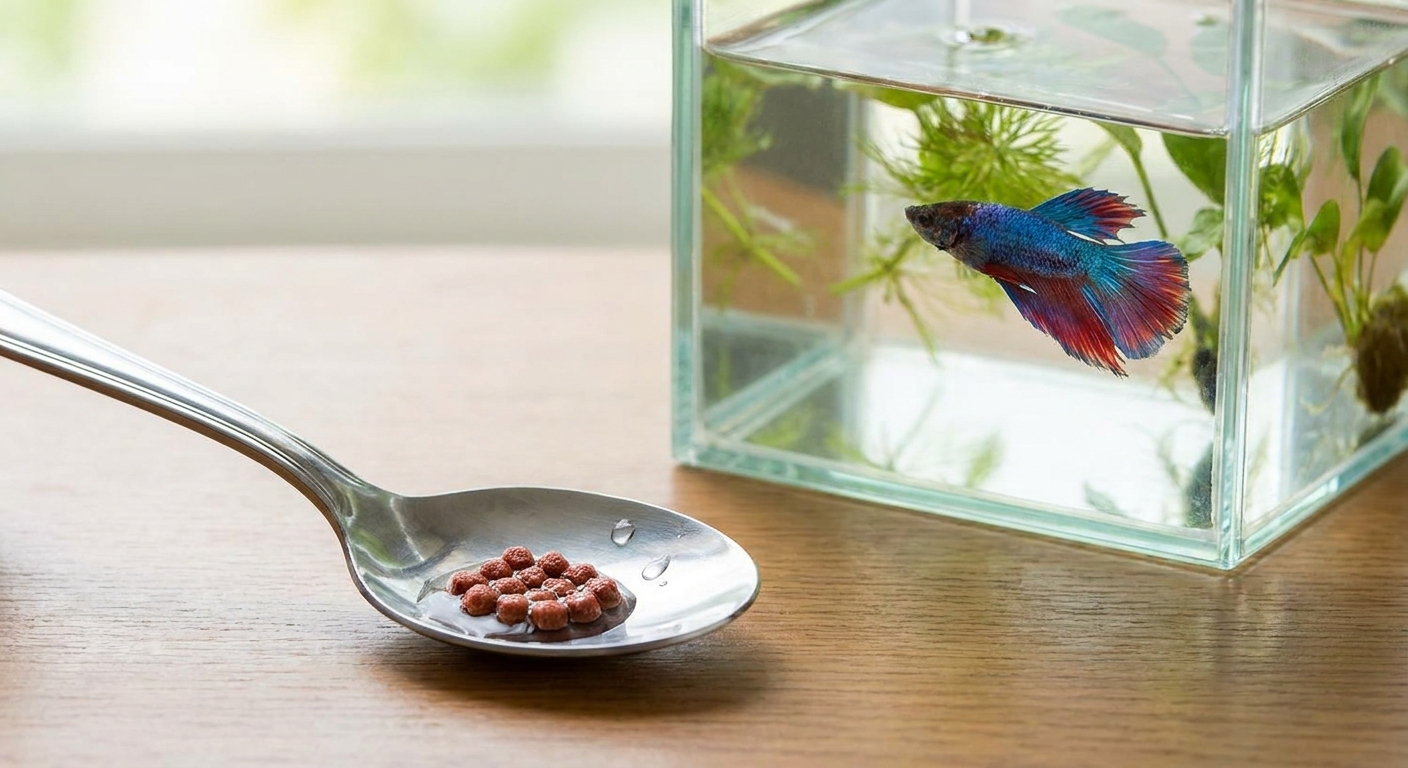
- Place the meal portion in a clean spoon, cup, or tiny dish.
- Add a small amount of tank water (preferred) or dechlorinated water.
- Let it sit for 30 to 90 seconds until the pellet softens.
- Feed promptly and remove leftovers so they do not break apart and foul the water.
Avoid soaking in oils, garlic extracts, or random kitchen liquids. In a small aquarium, tiny additions can quickly become water quality problems.
Soft foods that are senior-friendly
- Thawed frozen foods (like brine shrimp or daphnia), offered in tiny portions.
- Live foods from a trusted source, offered occasionally for enrichment and appetite.
Thaw frozen foods in a little tank water or dechlorinated water. Feed small pinches, and do not pour a lot of leftover “meltwater” into the tank. If the thaw water looks cloudy, strain the food and feed just the solids to keep things cleaner.
Adjust size and portion
Many “my senior betta won’t eat” issues are actually “my senior betta can’t comfortably chew that.” Before switching brands repeatedly, try shrinking the bite.
Easy ways to make bites smaller
- Use micro pellets designed for bettas or small tropical fish.
- Pre-soften then split a pellet with a clean fingernail or the back of a spoon.
- Feed one piece at a time rather than dropping a cluster.
Portion guide for senior bettas
Portions depend on body size, activity level, and overall health, but seniors typically do best with smaller meals served more intentionally.
- Start point: 2 to 4 small pellets per meal, once or twice daily.
- If your betta is round-bellied after meals: reduce by 1 pellet per feeding.
- If your betta is thin along the back or looks pinched: add a tiny amount, slowly over a week.
For a full, step-by-step baseline (and what “normal” looks like), see how much and how often to feed a betta fish. Then gently scale down for senior needs.
Feeding technique for seniors
Seniors can tire more easily, and some get a little clumsy at striking food. A calmer technique can mean less missed food, less frustration, and cleaner water.
Try these senior-friendly methods
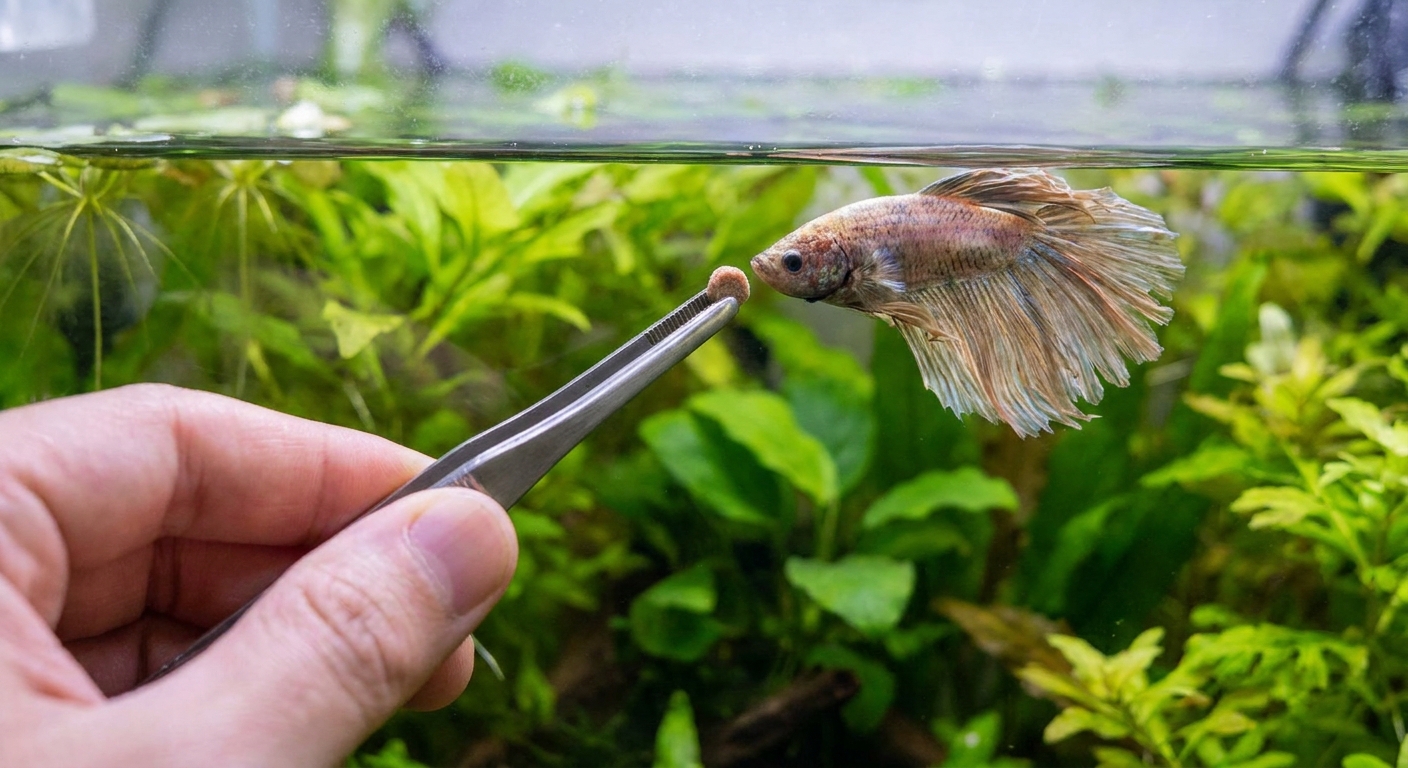
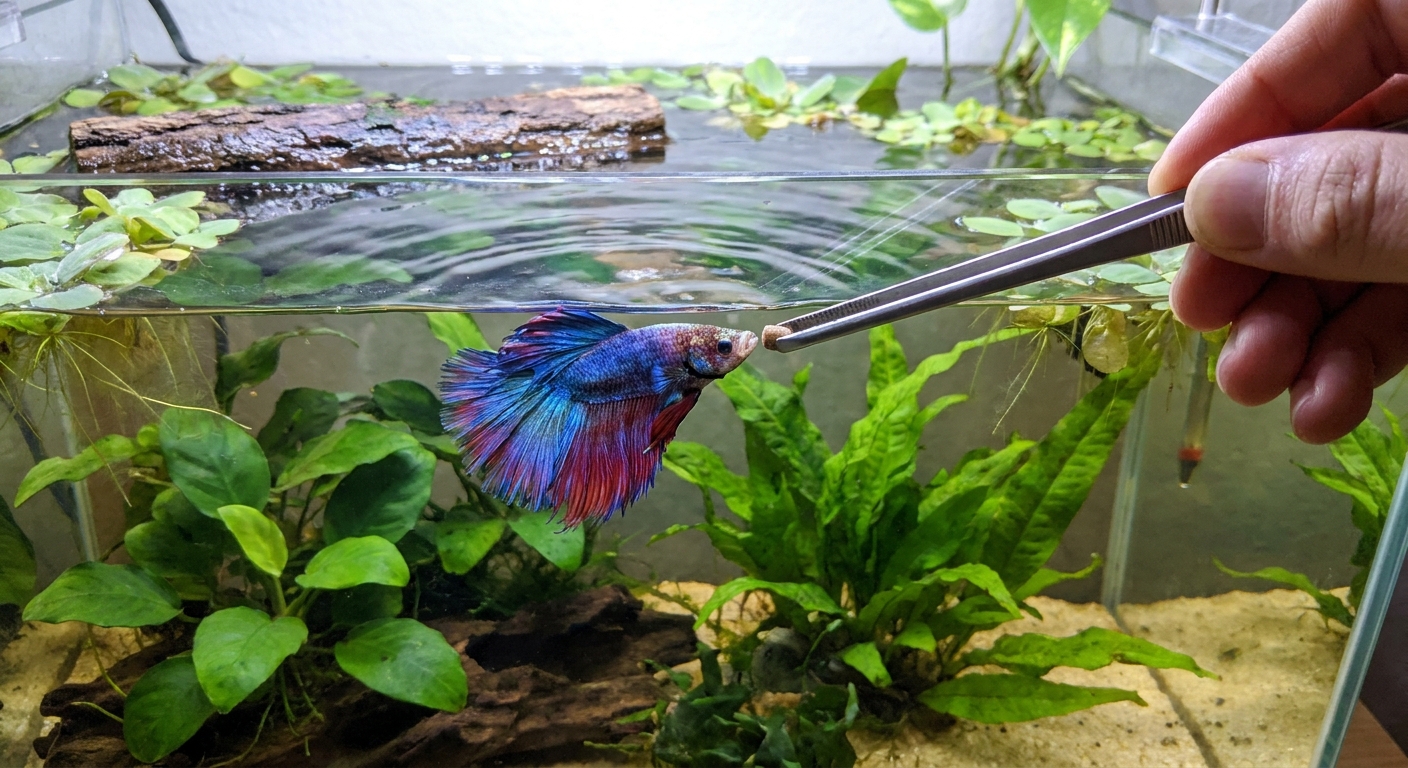
- Target feeding: Offer one softened pellet at a time near your betta’s favorite spot.
- Use feeding tweezers (gently): Hold the food just at the surface so your betta can take it without chasing.
- Reduce current briefly: If flow is strong, lower it during meals so food does not tumble away, then return it to normal right after. Do not leave filtration off for long, and keep aeration and temperature steady.
- Feed in good light: A well-lit tank helps your betta see the food clearly.
If your filter creates a lot of swirl that makes mealtime stressful, a gentler setup can help overall comfort. This guide on choosing the right filter for a betta tank is a good tune-up.
What to watch
Senior care is all about tiny observations. Food is doing its job when your betta eats with interest, holds a steady weight, and stays comfortable between meals.
Signs the diet is working
- Approaches food without struggling.
- Less spitting and fewer missed bites.
- Belly looks normal a couple hours after eating.
- Waste is regular and looks typical (often short and dark, not consistently long, stringy, or pale).
- Steady energy with relaxed resting behavior.
Signs you should adjust
- Bloating or floating awkwardly: reduce portions, offer softer foods, and keep the routine steady for a few days.
- Constipation: scale back pellets and offer a small amount of thawed daphnia, plus keep water warm and stable.
- Weight loss: increase nutrition gradually and check for underlying illness.
- Food left behind: feed smaller amounts more slowly and remove leftovers promptly.
If constipation persists more than 2 to 3 days, or you see swelling that worsens, raised scales (pineconing), or a sudden behavior change, treat it as more than a feeding issue and move into troubleshooting for illness and water quality.
When to worry
Not every appetite dip is an emergency, but sudden changes deserve attention. If you notice any of these, start with a quick water quality and temperature check, and consider a health-focused plan.
- Sudden refusal to eat (especially if your betta normally eats well)
- Rapid swelling or a belly that keeps enlarging day to day
- Buoyancy trouble (stuck floating, sinking, or rolling)
- White or stringy feces that continues
- Pineconing (scales sticking out)
- Labored breathing or hanging at the surface more than usual
If you need a structured way to sort out appetite issues, revisit why a betta might not be eating and work through the likely causes step by step.
Schedule ideas
Aging bettas often do best with consistency. Pick a routine and stick with it for a week, then adjust based on body condition and energy.
Option A: One meal per day
- Late morning or early evening: 3 to 5 micro pellets, softened
Option B: Two mini meals
- Morning: 2 to 3 softened micro pellets
- Evening: 2 to 3 softened micro pellets or a small soft treat
Where fasting fits
Many betta keepers use an occasional fasting day to support digestion, but seniors vary. If your older betta is prone to constipation or bloat, a gentle fasting routine may help. If your older betta is thin or frail, fasting may not be appropriate. This care note on the betta fasting day can help you decide how to use it safely.
Warmth and water quality
Food is only half the story. Seniors digest best when the tank is warm and stable, and appetite often improves when stress is low.
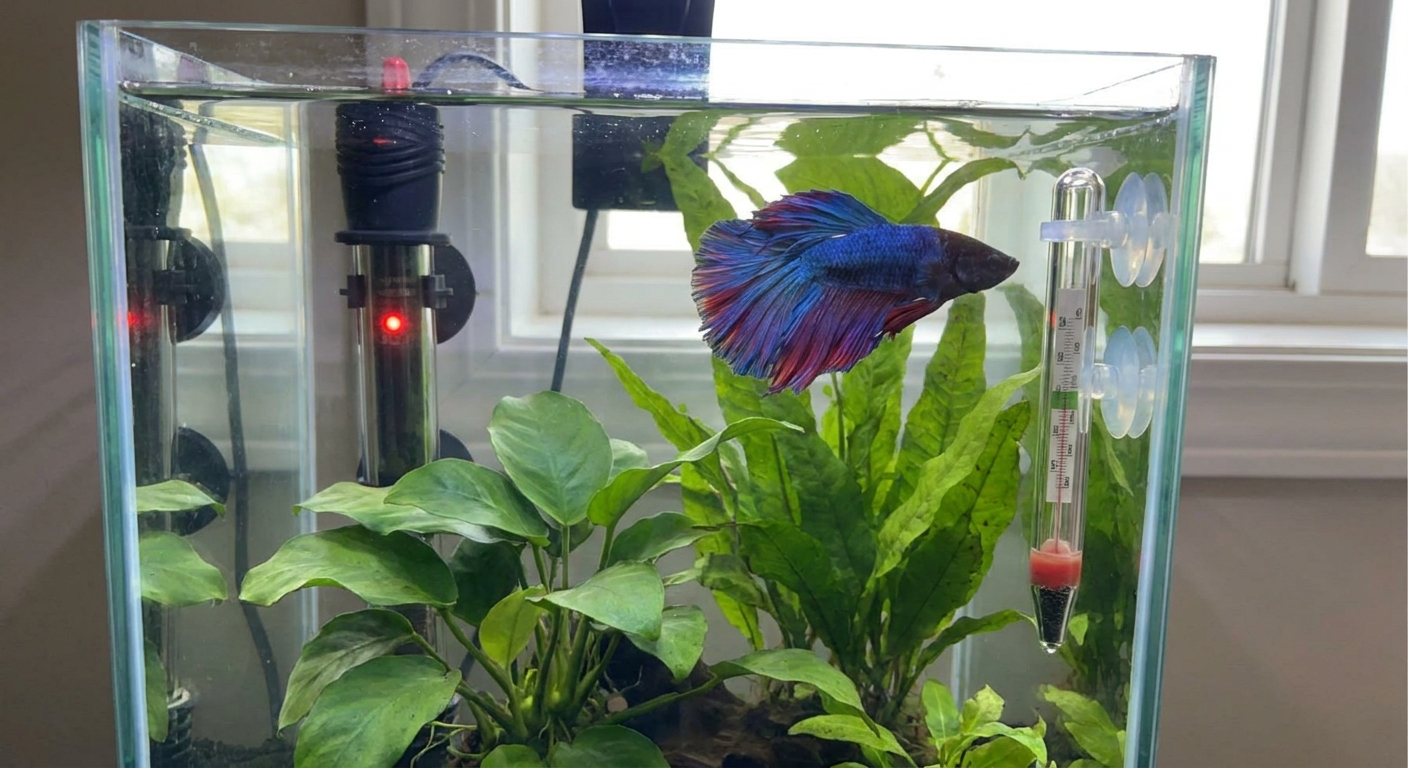
- Stable temperature: Keep a consistent betta-appropriate range with a reliable heater placement and monitoring routine. See betta tank temperature and heater placement.
- Clean water: Older fish can be less resilient to poor water quality. A steady routine helps. See betta tank cleaning routine and water change schedule.
Quick FAQ
How do I know my betta is a senior?
Often it is a pattern of changes rather than one clear sign: slower swimming, more resting, reduced appetite, fading color, or more frequent constipation. If the change is sudden, treat it like a health concern first, not just aging.
My senior betta spits out pellets. What should I do?
Try softer, smaller bites first: pre-soak the pellet, switch to micro pellets, and feed one at a time in low current. If spitting continues, test a soft frozen option in tiny portions.
Can I switch to only frozen foods for a senior betta?
It can be tempting because seniors often love soft foods, but a balanced, betta-specific staple is still helpful for consistent nutrition. Use frozen foods as a supplement unless a vet recommends otherwise.
Is it normal for an older betta to eat less?
Yes, many seniors naturally eat less as metabolism slows. The goal is steady body condition and comfort, not chasing a big appetite.
Senior feeding checklist
- Offer softer, smaller bites (soften pellets with tank water if needed).
- Feed modest portions and adjust slowly based on body condition.
- Use target feeding and keep mealtime calm, especially in stronger flow.
- Thaw frozen foods in tank or dechlorinated water and avoid adding lots of meltwater.
- Support digestion with stable warmth and clean water.
- Watch belly shape, waste, and energy, and treat sudden changes as a red flag.
With just a few gentle tweaks, your older betta can keep enjoying mealtimes without the strain. Slow and steady wins this race, splash by splash.