Let’s make your tank the happiest little splash in the house! And yes, that includes feeding time.
Betta fish can sometimes nibble tiny amounts of certain “human foods” in an absolute emergency, but it is risky. Bettas are insect-eating carnivores, and most pantry foods either don’t meet their nutrition needs or can spoil water fast and trigger bloat, constipation, or dangerous ammonia spikes.
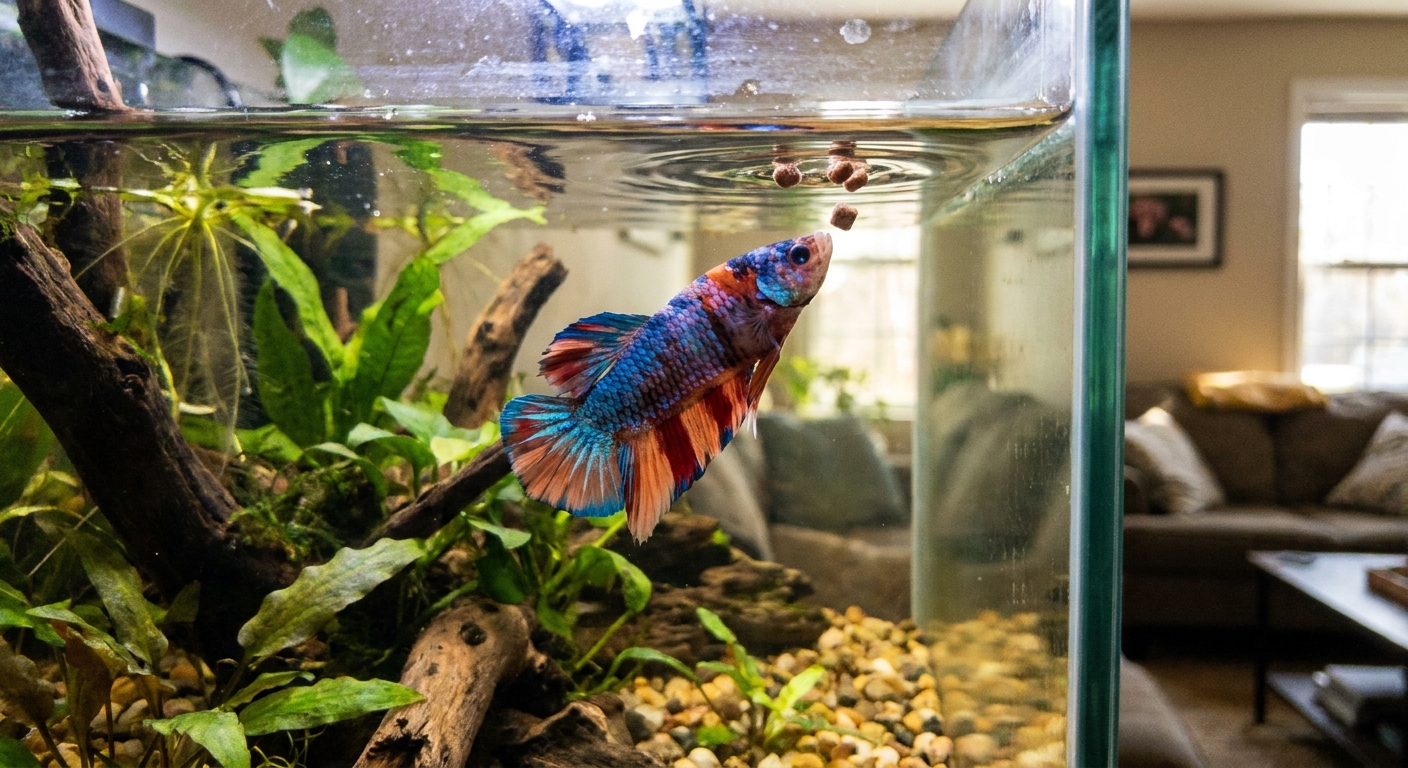
If you ran out of betta food or a shipment is delayed, this guide will help you choose the least risky short-term substitute, and avoid the foods that can be truly dangerous.
The safest answer: skip feeding
Here is a comforting betta truth: a healthy adult betta can usually handle a short fast much better than they can handle the wrong food.
- Out of food for 1 day? It is usually safest to skip feeding and resume tomorrow.
- Out of food for 2 to 3 days? If your betta is an adult and otherwise healthy, fasting that long is often still safer than improvised pantry foods. If you feel you truly need to feed, offer a careful substitute very lightly, once per day.
Important caveat: Juveniles, very thin new arrivals, sick fish, and fish under treatment can be less tolerant of fasting. In those cases, prioritize getting proper betta food as soon as possible and keep portions tiny.
If you want a gentle routine for planned breaks, see The Betta Fasting Day.
Emergency substitutes that are usually safest
These options are closest to what a betta’s body expects, meaning animal-based protein in small portions. “Safe” here means least risky when prepared plainly and offered in tiny amounts.
1) Plain cooked shrimp or fish (unseasoned)
Best use: You have truly plain shrimp or a plain piece of white fish at home.
- Check the label if it is frozen shrimp: Many “plain” shrimp are treated with added salt or other additives. Avoid anything labeled seasoned, brined, marinated, or “salt added.”
- How to serve: Cook in water only or use a plain cooked piece. No oil, no butter, no salt, no garlic, no spices.
- Portion: A piece about the size of your betta’s eye, or smaller. One tiny bite is enough.
- Prep tip: If it is store-bought or you are unsure about residue, give the tiny piece a quick rinse in dechlorinated water.
- Remove leftovers: Within a couple minutes to protect water quality.
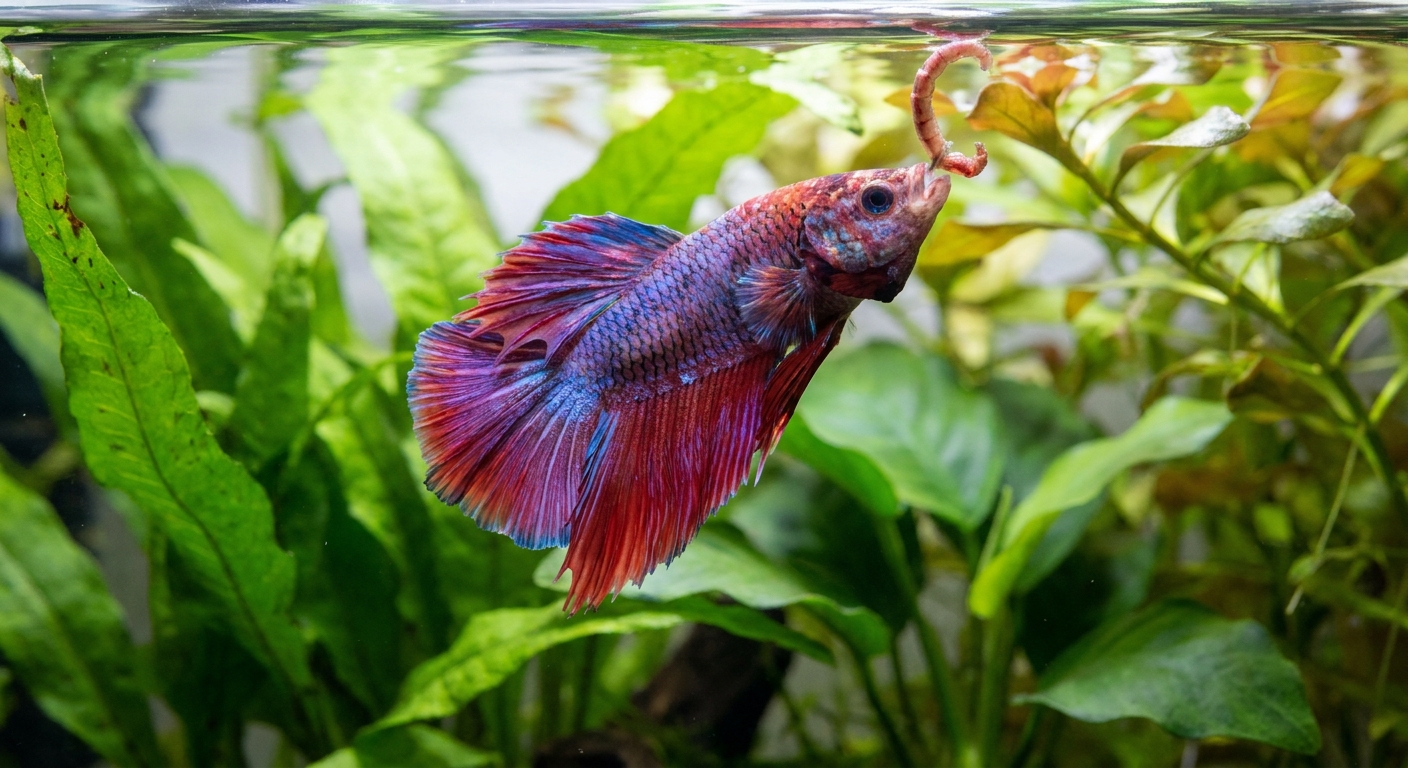
2) Frozen bloodworms, brine shrimp, or daphnia (if you happen to have them)
If your freezer already has fish foods, these are generally much better than human foods. Thaw a small amount in tank water, then feed one to a few pieces.
More snack ideas that actually belong in betta territory live here: 7 Best Frozen and Live Foods for Betta Color and Vitality.
3) A tiny piece of plain hard-boiled egg white (true emergency only)
Egg white is animal protein, but it can foul water quickly and is easy to overdo. If it is your only option, offer a crumb-sized piece of plain cooked egg white (not yolk), and remove anything uneaten within a couple minutes. This is a last-resort bridge, not a habit.
4) Live insects from a trusted source (only if you are sure what they are)
Bettas love insects, but “random bug from the house” can be a pesticide risk. If you have a known safe feeder insect source (no pesticides, no unknown exposure), a tiny insect can work.
Human foods that are risky
Many foods are not “poison,” but they are still a bad bet for bettas because they can cause bloat, constipation, fatty liver issues over time, or rapid water pollution.
Bread, rice, pasta, cereal, crackers
- These are starch-heavy, swell in water, and can cause digestive trouble.
- They also crumble, rot, and push ammonia up fast.
Cooked vegetables and fruits
- Bettas are not plant grazers like many community fish.
- Fibrous plant matter can pass poorly and create a messy tank.
Dairy (milk, cheese, yogurt)
- Fish are not built to digest dairy well, and the bigger problem is that it quickly clouds and spoils in water.
- Dairy can foul water fast.
Processed meats (deli meat, sausage, bacon)
- High salt, preservatives, smoke flavoring, and fats are all trouble.
- Even tiny amounts can stress digestion and water quality.
Anything oily or fried
- Oils can spread into a surface film, which may reduce gas exchange, especially in small tanks with low surface agitation.
- Fats are also hard on a betta’s digestion in excess.
If your betta has already eaten something questionable and now refuses food, sinks oddly, or looks bloated, hop over to Why Is My Betta Fish Not Eating? 8 Common Causes and Solutions.
Dangerous foods to never feed
Some household foods are unsafe due to harsh compounds, stimulants, or a high risk of severe digestive distress. Keep these out of your betta’s mouth and out of the tank.
- Garlic and onions (including powders and seasonings): best avoided. They are irritating, their safety for bettas is uncertain, and they are usually paired with salt, oils, or other seasonings.
- Chocolate, cocoa, coffee, tea, energy drinks: caffeine and related compounds are dangerous.
- Alcohol: never.
- Anything moldy or spoiled: mold toxins and bacterial load can be lethal.
- Spicy foods (hot sauce, chili, pepper-heavy seasonings): irritants plus water contamination risk.
- Very salty foods (chips, salted meats, salted nuts): sodium and additives are not betta-friendly, and salty crumbs wreck water.
- Raw dough: expands and breaks apart into a cloudy mess.
- Dog or cat food: not formulated for fish, often binder-heavy and fatty, and it pollutes water easily.
Extra note for safety: do not feed anything that touched soap residue, sprays, candles, air fresheners, or cleaning chemicals. Bettas are tiny, and trace contamination matters.
How to feed a substitute without wrecking the tank
When using any substitute, the goal is: tiny portion, clean prep, fast cleanup.
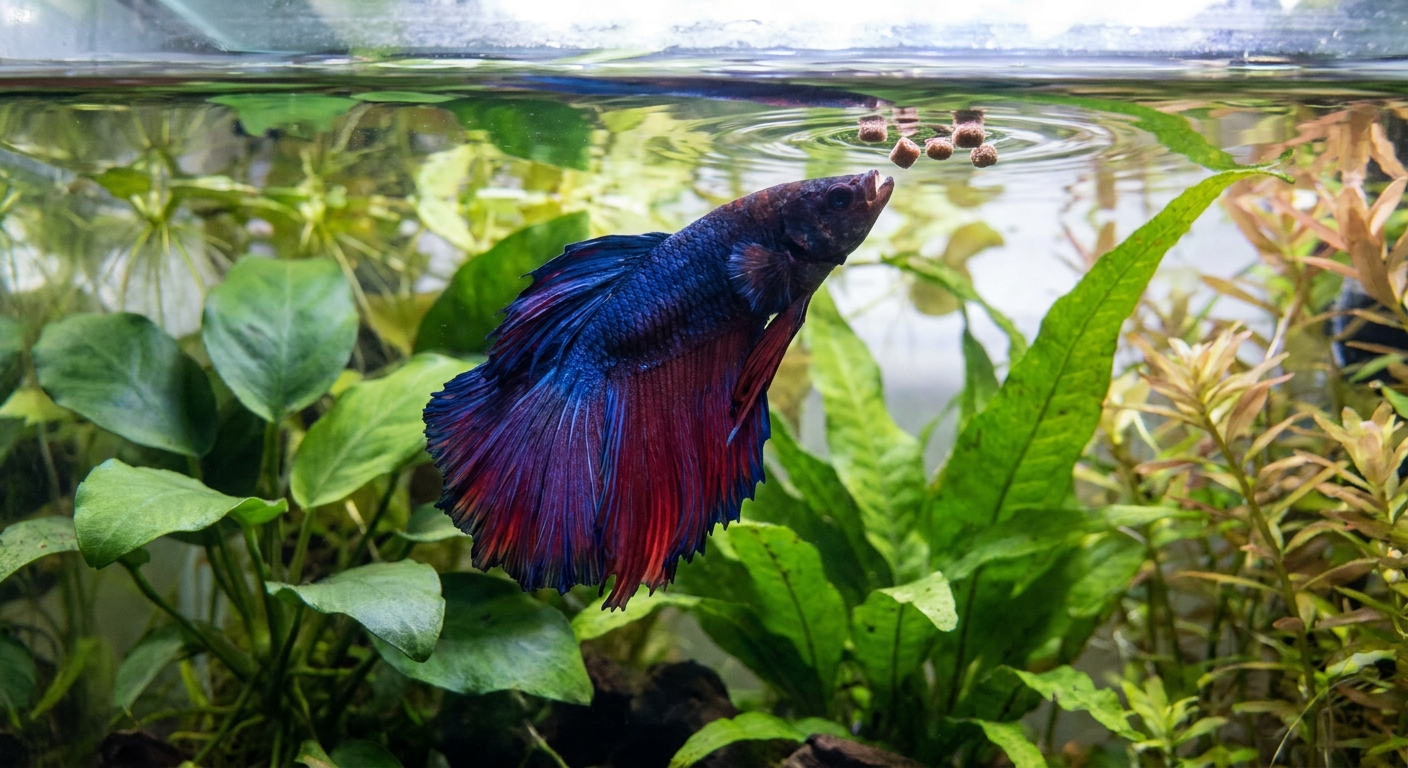
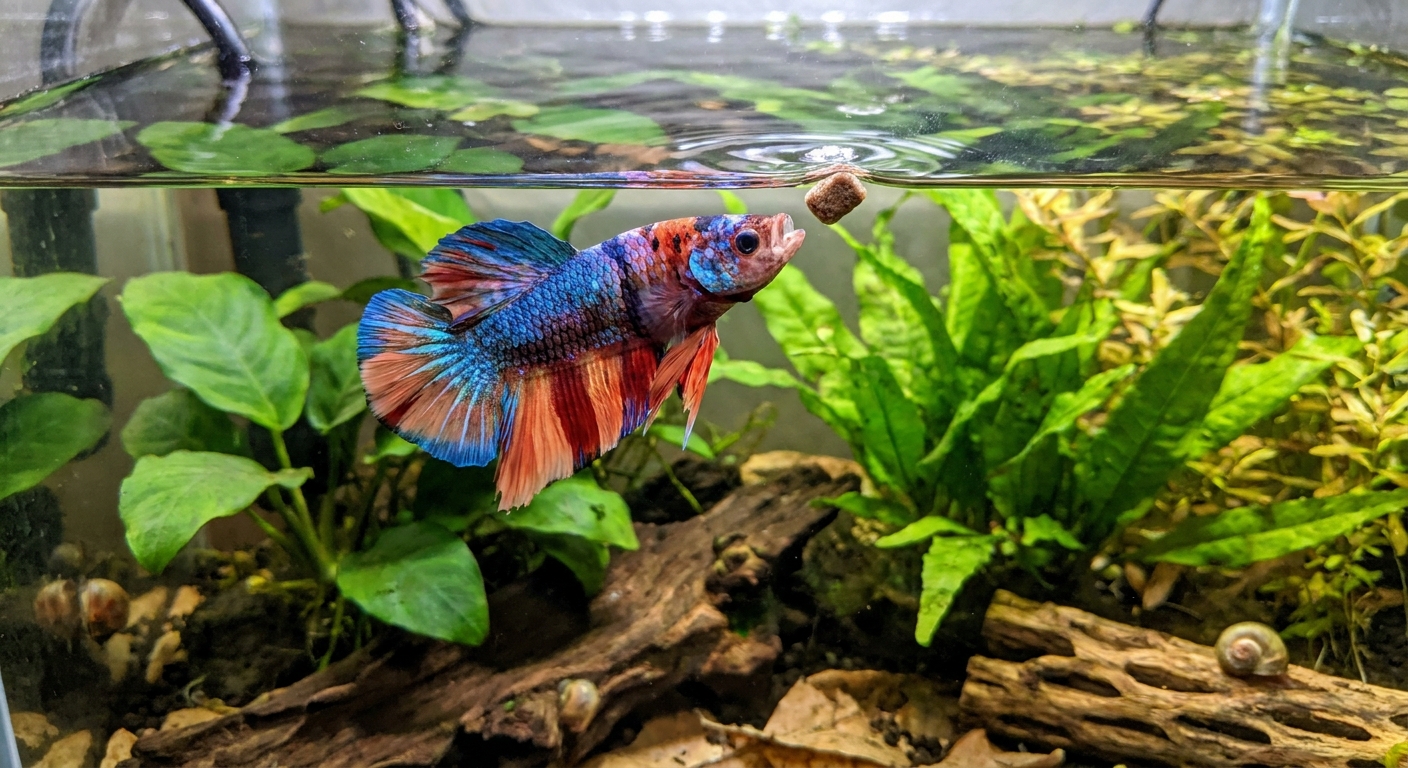
- Offer a piece no bigger than your betta’s eye. Smaller is safer. Bettas overeat quickly.
- Make it plain. No seasoning, no sauces, no oils, no marinades.
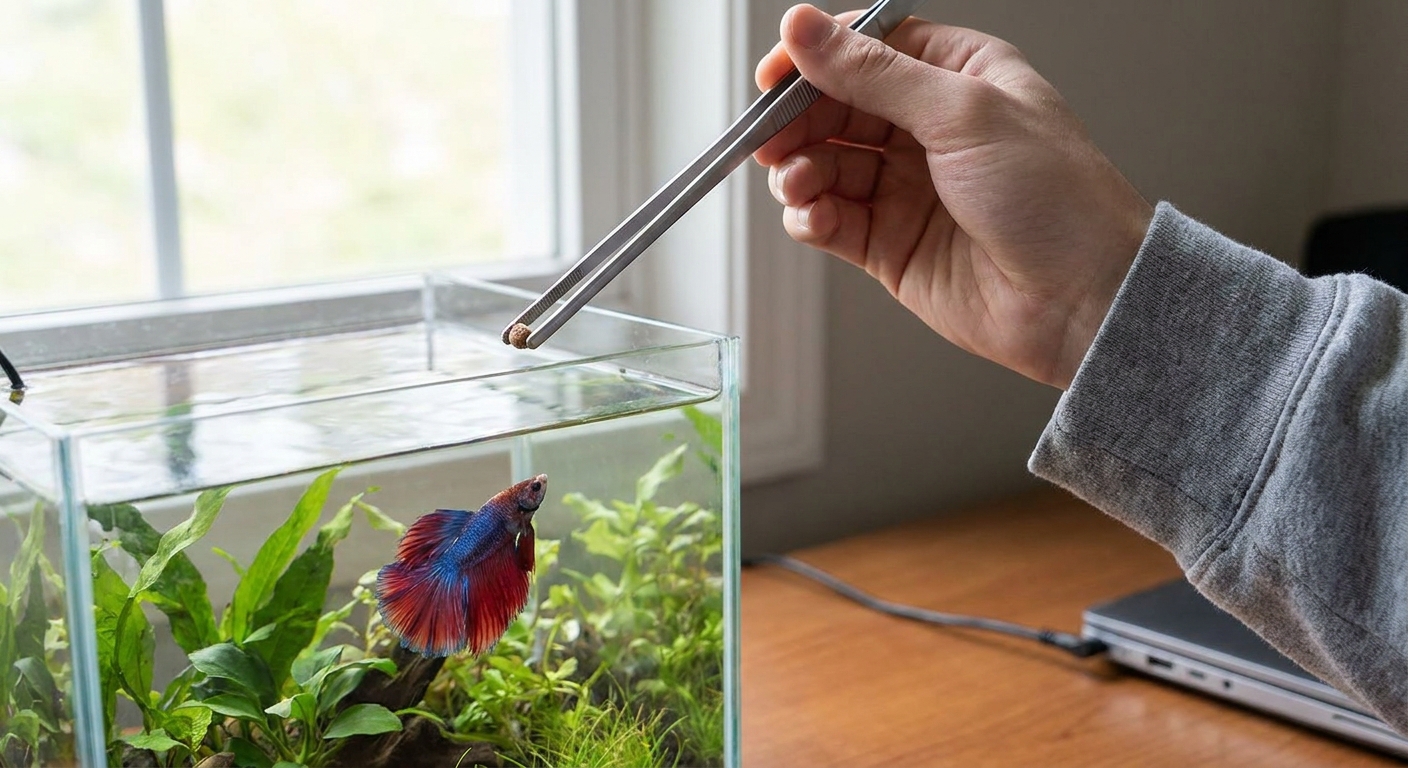
- Feed with tweezers if possible. This prevents bits from drifting into gravel and rotting.
- Remove leftovers within a couple minutes. Fast cleanup protects water quality.
- Do not repeat all day. In an emergency, once per day is plenty.
If something falls apart and clouds the tank, do a quick cleanup and consider a partial water change. A 25 to 50 percent change is a common range, depending on how messy it got and what your tests show, and always dechlorinate new water. This pairs well with a steady routine: Betta Tank Cleaning Routine and Water Change Schedule.
Better than human food: local options
If you can get to a nearby store, these are usually safer than pantry experiments:
- Betta pellets as the staple (look for fish or insect meal as a main ingredient).
- Frozen foods like bloodworms or brine shrimp.
- High-quality tropical micro pellets if betta-specific food is unavailable (still feed lightly).
Need help picking staple food and avoiding filler-heavy options? Swim over to Pellets vs Flakes for Betta Fish and How Much and How Often to Feed a Betta Fish.
Emergency checklist
After any unusual feeding, keep a close eye on your betta for the next 24 to 48 hours.
Call it an “uh oh” if you see
- Swollen belly that looks larger than usual
- Trouble staying upright, floating sideways, or sinking
- Stringy poop or no poop combined with bloating
- Sudden hiding, lethargy, or clamped fins
- Gasping at the surface more than normal
Safe next steps
- Stop feeding for 24 hours. A short fast is often the kindest reset.
- Remove uneaten bits immediately.
- Check water quality if you can, especially ammonia and nitrite. Bad food choices can foul water fast.
- Do a partial water change if the tank looks cloudy or smells off, and always dechlorinate replacement water.
Clean, stable water helps everything feel better. If you need a refresher on keeping water safe, visit How to Prepare Tap Water for a Betta Tank.
FAQ
Can betta fish eat flakes meant for other fish?
In a pinch, yes, but it is not ideal. Many community flakes are plant-heavy. Offer a very small pinch and watch for bloating. Long-term, choose betta-appropriate pellets or frozen foods. See Pellets vs Flakes for Betta Fish.
Can bettas eat bread?
No. Bread swells, breaks apart, and is a fast path to constipation and messy water.
Can bettas eat cooked peas for constipation?
That advice is common for some fish, but bettas are carnivores and peas are often not the best fix. If constipation is suspected, the safest first step is usually a short fast and improved diet afterward. If your betta is not eating or seems bloated, use this troubleshooting guide to narrow down the cause.
What is the single best emergency food if I have nothing?
If your betta is an otherwise healthy adult, skipping one feeding is often the best emergency plan. If you truly need to feed, a tiny piece of plain cooked shrimp (with no added salt or seasoning) is one of the least risky household options.
Bottom fin
Bettas are brave little hunters, but they are not built for most human food. When the pantry is your only option, keep it plain, protein-based, tiny, and clean, and treat it like a one-time bridge back to proper betta nutrition.
Need a steady everyday plan after the emergency passes? Start here: Diet & Nutrition.