
Let’s make your tank the happiest little splash in the house, even when you’re not home to drop in dinner.
The best vacation plan for a betta is simple: keep feeding consistent, keep water quality steady, and avoid anything that dumps mystery food into the tank (think vacation blocks and gel foods). Below are the safest ways to do that, whether you are gone for a weekend or a full week.
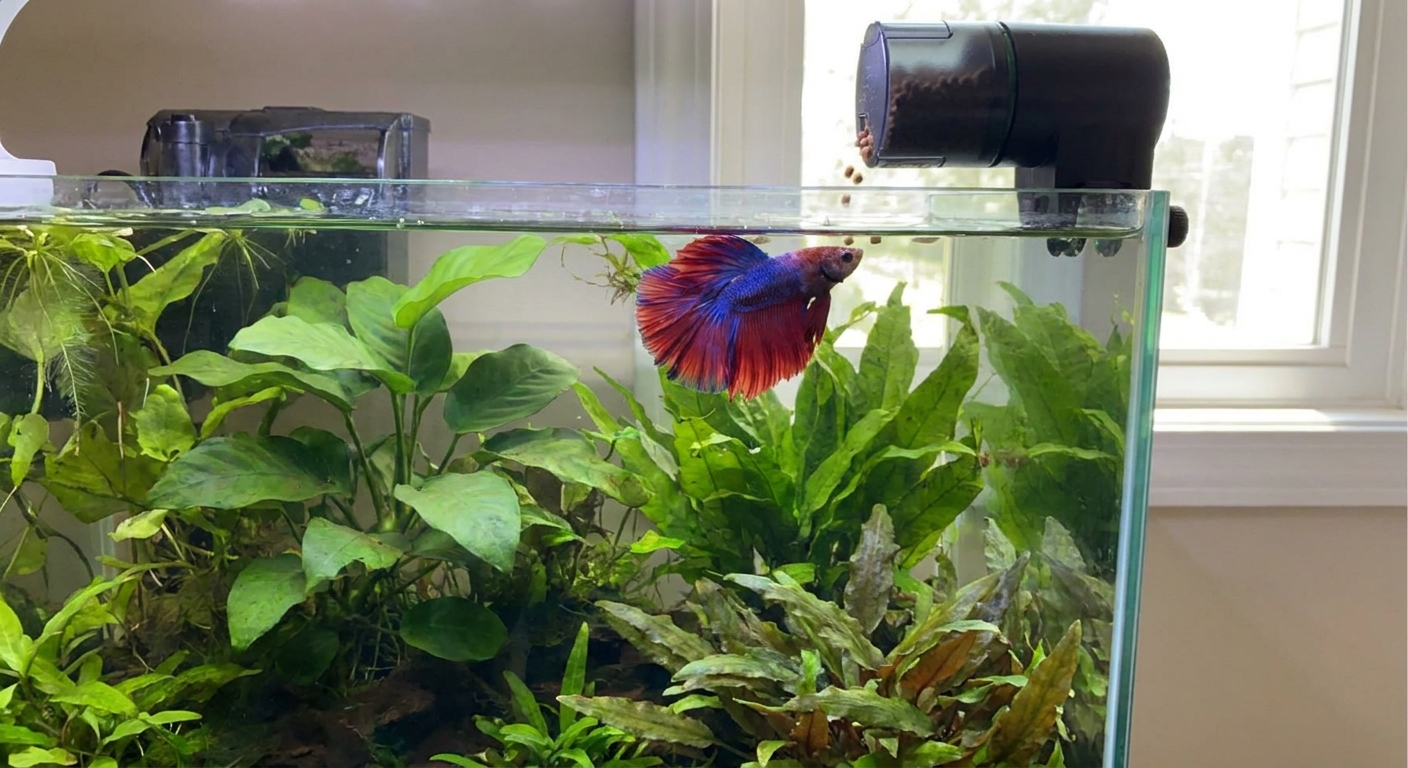
Before you plan food, plan stability
Food problems on vacation usually turn into water problems. Extra food rots, ammonia rises, and bettas get stressed fast. So before you pick a feeding method, set the tank up for calm, steady conditions.
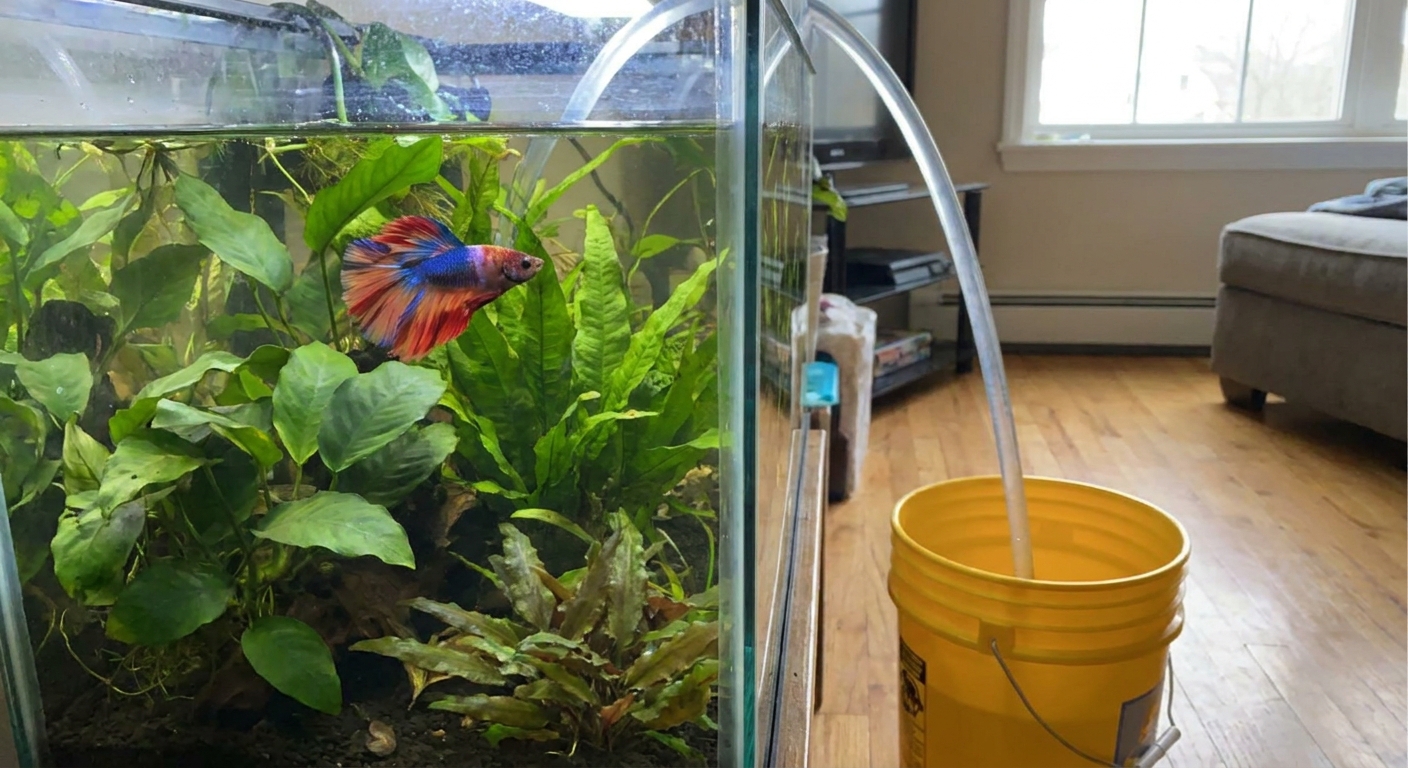
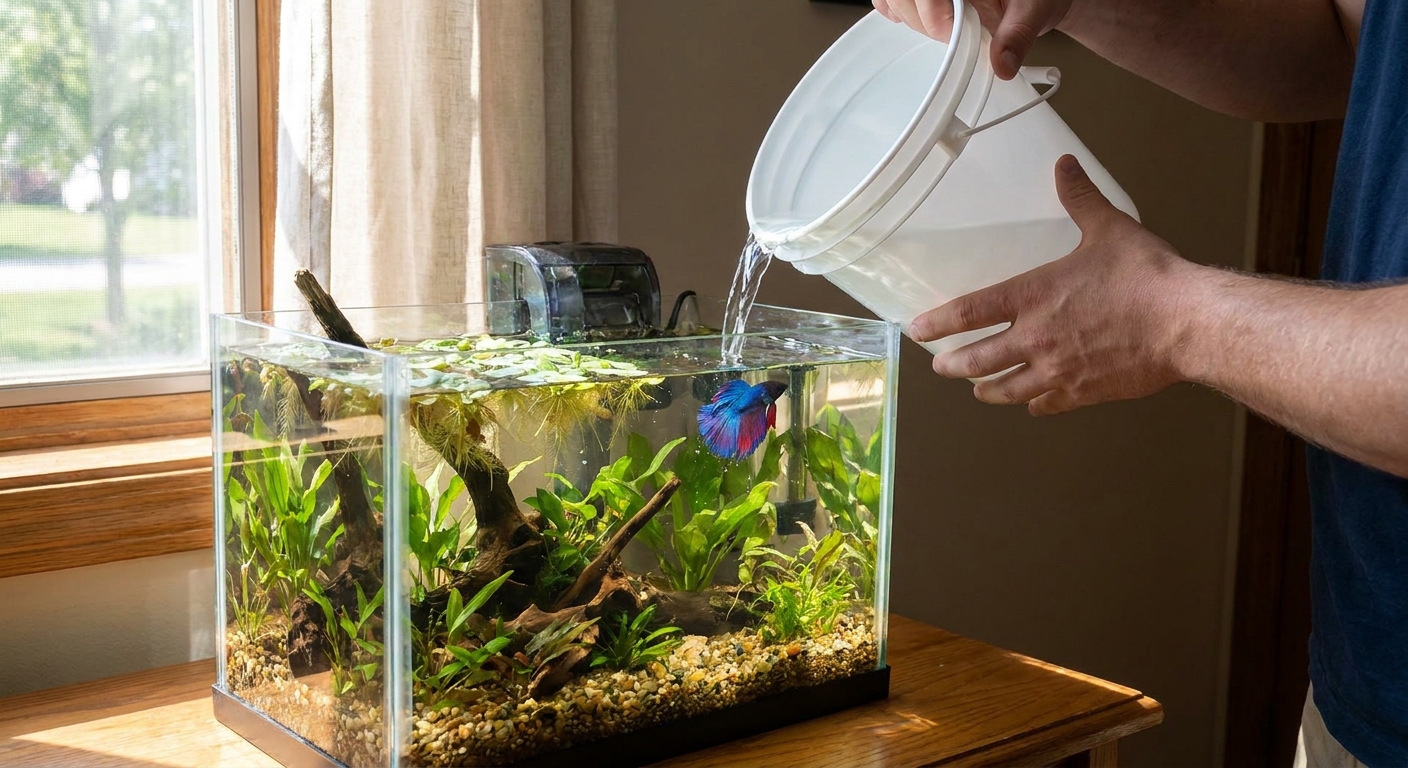
- Do a water change 24 to 48 hours before you leave, not right as you run out the door. Stick to your normal routine and avoid a big, parameter-shifting change at the last second.
- Confirm temperature is stable and the heater is working correctly. If you need a quick refresher, visit Betta tank temperature and heater placement.
- Make sure the filter is running smoothly and not clogged. See Choosing the right filter for a betta tank if you are troubleshooting flow and intake safety.
- Top off evaporation with treated, dechlorinated water if needed so the filter does not run low. (If you want to double-check your process, see How to prepare tap water for a betta tank.)
And one more tiny but powerful tip: do not “fatten up” your betta right before you go. Overfeeding ahead of time does not create a safe buffer. It mainly creates waste.
Also, try not to change three things at once right before a trip. A new feeder plus a new food plus a big water change is the kind of combo that turns “vacation mode” into “emergency mode.”
How long can a betta go without food?
Many healthy adult bettas can handle short gaps better than people expect, but vacation feeding still deserves a plan. How well a fish tolerates skipped meals varies with temperature, body condition, age, and what their normal routine has been.
- 1 to 2 days: In many cases, it is safer to feed normally before you leave and then resume when you return, rather than adding gadgets or asking an unprepared helper.
- 3 to 7 days: Use one reliable method: a trained pet sitter or a properly tested automatic feeder.
- Longer than a week: Arrange for a sitter schedule, ideally with a mid-trip check for water and equipment.
Very young bettas, thin rescues, or fish recovering from illness can be less tolerant of skipped meals. If your betta is underweight or healing, browse Health & Wellness topics first so your vacation plan supports recovery.
If your tank is brand new or newly cycled, vacations are trickier. Consider scheduling at least one sitter check-in and review How to cycle a new betta fish tank so you are not leaving an unstable system on autopilot.
Option 1: A pet sitter (the safest choice when done right)
A calm, careful helper is often the best vacation “feeder” because they can also notice problems: heater failures, filter issues, power outages, or a fish acting off.
What to set up for success
- Pre-portion every meal (more on that below). This is the number one way to prevent accidental overfeeding.
- Write simple instructions and keep them next to the tank. Include: how many portions per day, what to do if food gets wet, and a clear “do not add extra” note.
- Ask for quick visual checks: fish is swimming, heater light is on (if yours has one), filter is running, water level is normal.
- Make power-outage instructions easy: if anything is off or looks strange, tell them to contact you first (and not “fix it” with extra food).
- Skip water changes while you are gone unless your sitter is genuinely experienced with aquariums. A well-meaning mistake can cause more harm than a missed snack.
What your sitter should not do
- No extra treats, even if your betta begs at the glass. Bettas are professional actors.
- No “cleaning the tank” with soap or household cleaners. Soap residue can be toxic. Also, scrubbing decor or filter media under untreated tap water can kill beneficial bacteria and disrupt your cycle.
- No feeding blocks or “vacation gels” added as a backup. One method only keeps things predictable.
If your sitter wants to learn the basics of portion sizes, point them to How much and how often to feed a betta fish.
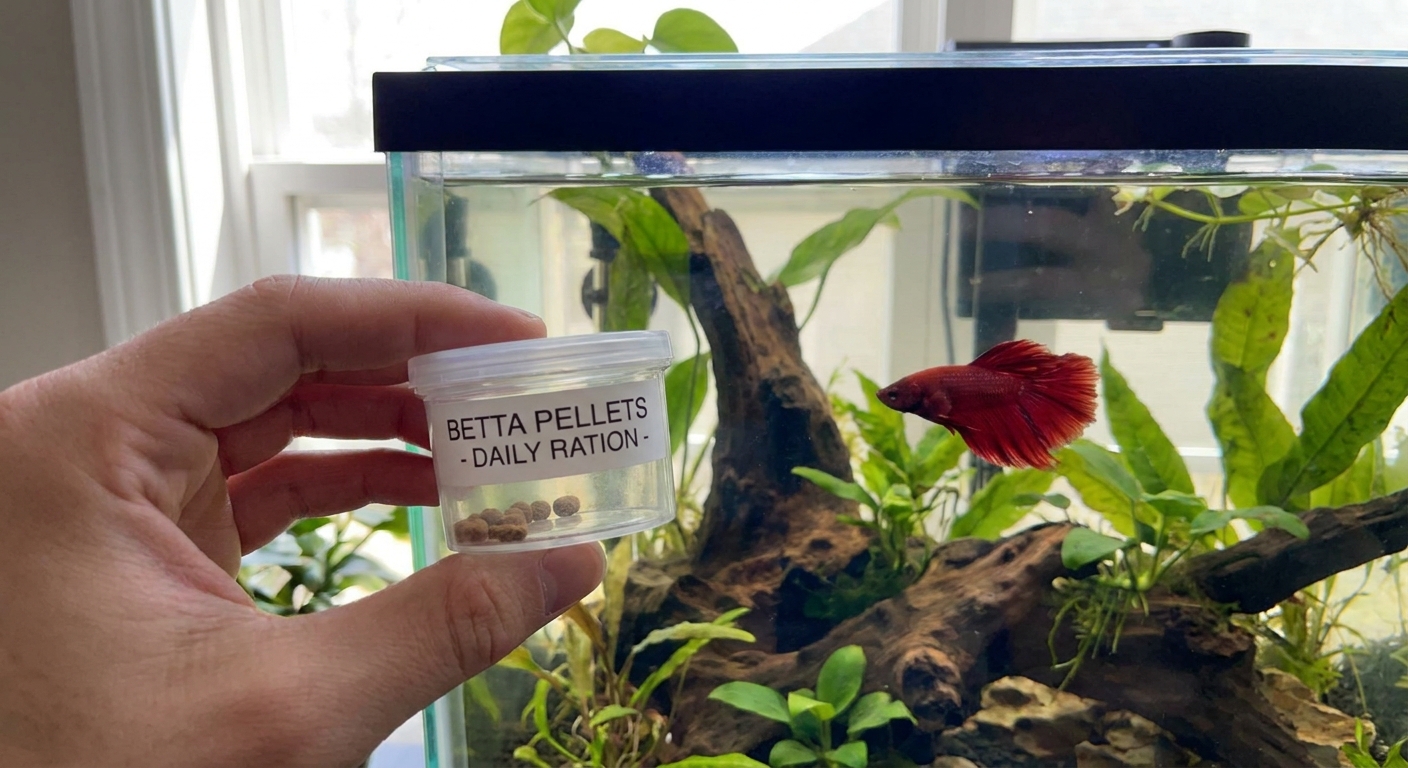
Option 2: Automatic feeders (great, but test first)
Automatic feeders can work wonderfully for pellets, and they never forget a day. The key is choosing the right style and testing it long before your suitcase appears.
Feeder types that tend to work best
- Rotating drum feeders: A small drum turns and drops a controlled amount of pellets. Good for consistent portions.
- Hopper style feeders: Food drops through an opening. These can work, but humidity can cause clumping, so testing matters.
How to set up an automatic feeder safely
- Use pellets, not flakes if possible. Pellets are easier to portion and less likely to turn into a floating cloud. If you are deciding between them, see Pellets vs flakes for betta fish.
- Test it for at least 7 to 10 days while you are home. Watch for double-drops, clogs, or portions that are too big.
- Dial portions down, not up. Slightly underfeeding for a short trip is usually safer than overfeeding and fouling water.
- Protect food from moisture. Keep the lid sealed and avoid positioning the feeder where it constantly catches condensation.
- Set a calm schedule. One feeding per day is often plenty for an adult betta on vacation, depending on your normal routine.
Quick portion guidance
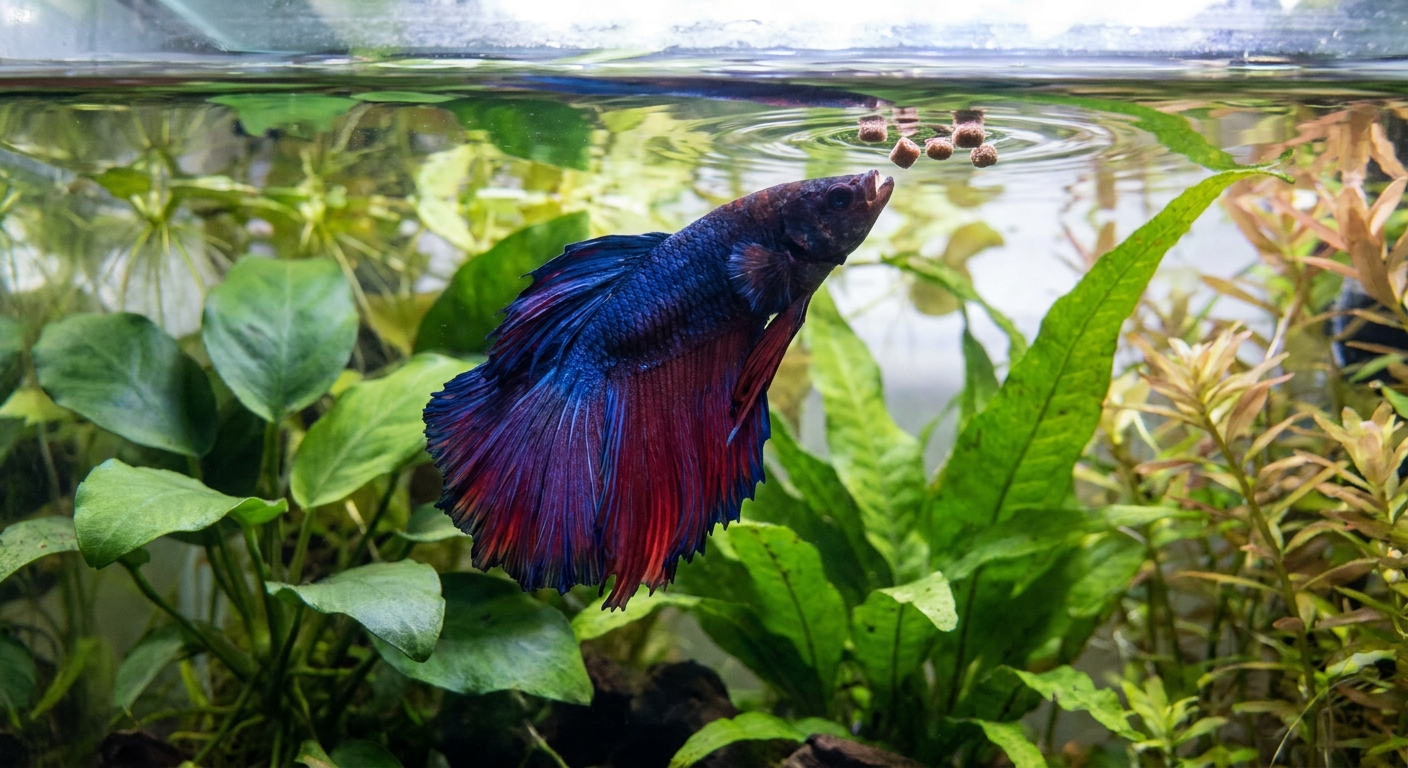
Bettas have tiny stomachs. A vacation portion is often just a small pinch of pellets, not a mound. As a very general example, many adult bettas do fine with about 2 to 4 small pellets once daily while you are away, adjusted to match your fish and what they normally eat.
For a clearer baseline tailored to your betta’s age and routine, follow this feeding schedule guide.
Important: If your tank has curious snails or other tank mates, an auto-feeder might feed them too. That can increase waste. If you keep companions, review Tank mates & compatibility so you can predict who will be vacuuming up leftovers.
Option 3: Pre-portioned meals (simple and effective)
Pre-portioned meals are the secret weapon for both sitters and your future self. They turn feeding into a “drop one portion” routine instead of guessing.
Easy ways to pre-portion
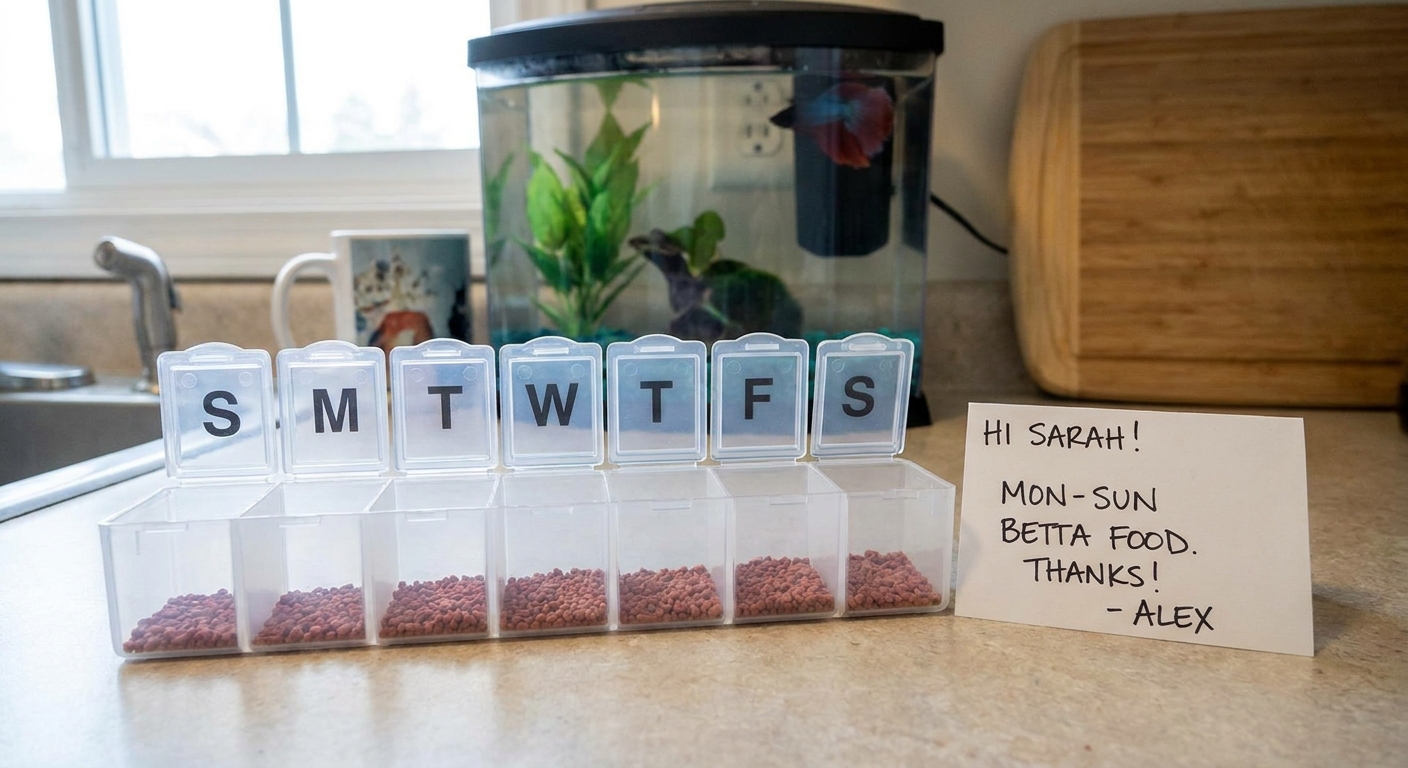
- Pill organizers labeled by day (kept dry and away from tank humidity).
- Small condiment cups with lids, one per meal.
- Snack-size bags for pellets, stored in a cool, dry place.
If your betta eats frozen foods sometimes, it is usually better to keep vacation feeding pellet-based unless your sitter is comfortable handling frozen portions safely. For normal at-home variety ideas, peek at frozen and live foods for betta color and vitality.
Why slow-release feeding blocks should be avoided
Those chalky vacation blocks can look convenient, but they are a common source of cloudy water and stress. Here is why they are risky for bettas:
- They can dissolve unpredictably, releasing more food than your fish can eat.
- They often crumble into fine particles that cloud the tank and degrade water quality, including boosting ammonia.
- Some can alter water chemistry depending on the formulation, which is the last surprise you want while you are out of town.
- Many are not betta-specific and can contain fillers your betta will ignore, leaving the tank to rot.
- They encourage constant snacking rather than a controlled meal, which can worsen bloating in sensitive fish.
If you only change one thing about your vacation plan, make it this: skip the feeding block. A slightly smaller portion on a timer is much kinder to your water quality.
Vacation feeding plans by trip length
Weekend trip (1 to 2 nights)
- Feed normally before you leave.
- No feeder is often needed for healthy adults.
- Return and feed normally. Do not “make up” missed meals.
Short trip (3 to 5 nights)
- Best: a sitter with pre-portioned meals.
- Also good: a tested automatic feeder set to modest portions.
- Avoid adding new foods or treats right before leaving.
Week or longer (6+ nights)
- Use a sitter schedule or a feeder plus a sitter check-in for equipment and fish health.
- Keep feeding consistent and conservative.
- Plan a water change 24 to 48 hours before leaving as part of your normal routine, and another after you return if parameters warrant it.
If you want to keep maintenance predictable, pair this with a routine from Betta tank cleaning routine and water change schedule.
Extra “just in case” safeguards
- Put lights on a timer so day and night stay consistent. See Betta fish lighting requirements.
- Secure the lid. Bettas can jump, especially if startled.
- Reduce temptation to overfeed: store the main food container out of sight and leave only the pre-portioned doses.
- Leave a net and conditioner nearby so your sitter is not hunting through cabinets in a panic.
- If your tank has been a bit “swingy,” test before you go. This matters most for newer setups or any tank that has had recent algae blooms, ammonia scares, or equipment changes.
When you get home
Welcome back. Your betta will probably swim up like, “Ah yes, my personal chef has returned.” Keep the reunion calm:
- Do not dump in a big meal. Feed a normal portion.
- Check water clarity and odor. If it looks cloudy or smells off, test water if you can and consider a partial water change.
- Inspect equipment: heater, filter flow, and water level.
And if you used an automatic feeder, give it a quick clean and dry storage so it is ready for the next adventure.
Vacation feeding FAQ
Can I use flakes in an automatic feeder?
It is possible with some feeders, but flakes are less consistent and can clump with humidity. Pellets are usually easier to portion and cleaner for water. See pellets vs flakes for help choosing.
Should I feed less than usual while I am away?
Often yes. A slightly smaller portion is usually safer than extra food decomposing in the tank. The goal is stable water quality, not maximum calories.
Can my sitter feed frozen foods?
If your sitter is comfortable and you can pre-portion and explain it clearly, it can work. For many households, vacation time is the moment to keep it simple with pellets so nothing spoils or overfeeds.
What if my betta refuses food from the feeder?
Some bettas need a few days to recognize the new routine. That is why testing the feeder ahead of time is so important. If your betta seems confused, a sitter visit may be a better match than relying on a new device during travel.
If you want one little guiding star while you pack your bags, it is this: controlled portions beat convenience foods every time. With a tested feeder or a well-prepped sitter plan, your betta can stay well-fed, calm, and sparkling until you are home again.